New parents often face intense emotional challenges in the postpartum period, but a simple practice—babywearing—can provide significant relief. By keeping infants close in a carrier, parents experience reduced anxiety, stronger bonds, and improved overall mood through natural hormonal responses and practical freedom.
The Science Behind Babywearing and Emotional Resilience
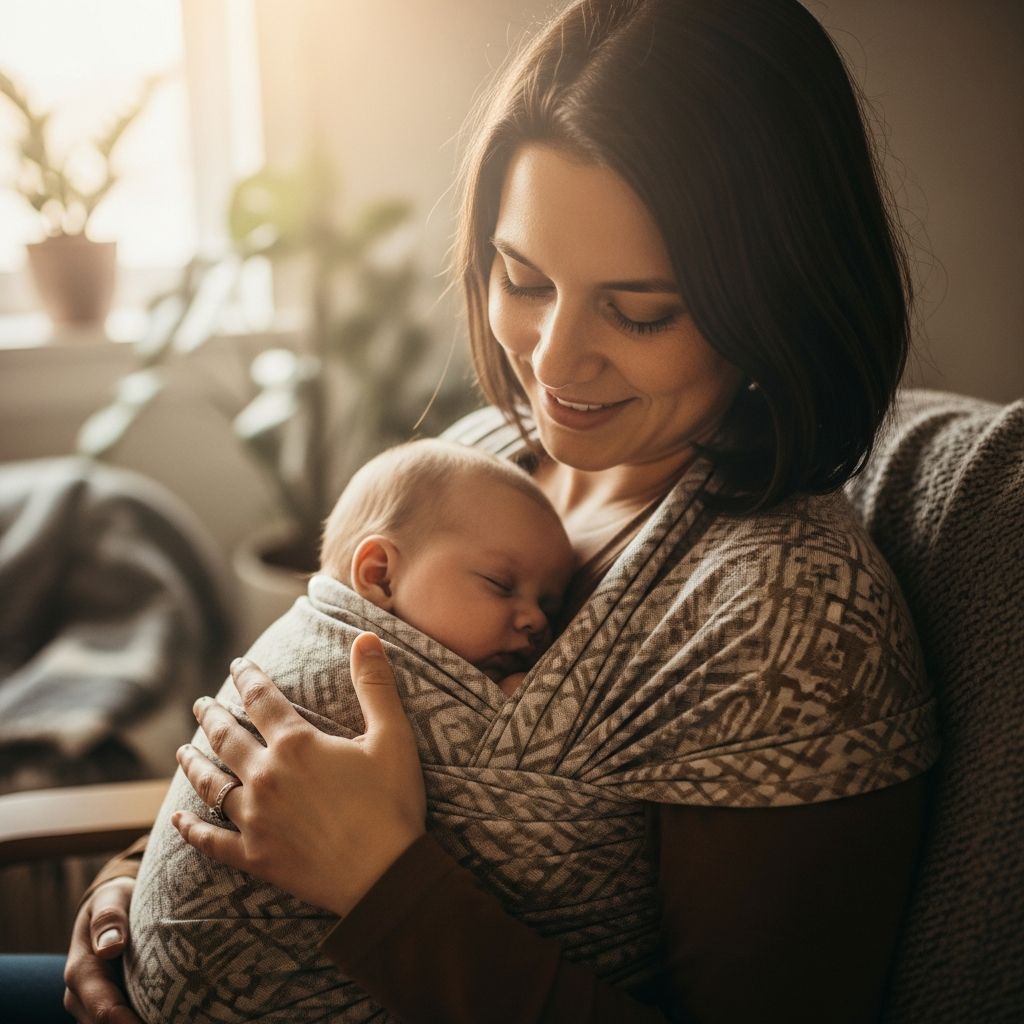
Babywearing involves securing an infant against the parent’s body using a sling, wrap, or structured carrier, mimicking the closeness of traditional carrying methods. This proximity triggers biological responses that support mental health. Oxytocin, often called the ‘love hormone,’ surges during skin-to-skin or close contact, counteracting cortisol—the stress hormone—that spikes in early parenthood.
Research demonstrates that regular infant carrying lowers repetitive negative thinking, a key risk factor for mental disorders, while elevating positive mental health metrics. In one study, mothers who carried their babies reported significantly better emotional states during carrying sessions compared to non-carrying periods.
A randomized controlled trial in low-income communities found that providing carriers reduced depressive episodes at six weeks postpartum. This suggests babywearing builds emotional resilience during vulnerable times by fostering attunement to infant cues and responsiveness to cries.
Reducing Postpartum Mood Disorders Through Close Contact
Postpartum depression (PPD) and anxiety affect up to 20% of new mothers, with similar rates among fathers and non-birthing parents. Babywearing emerges as an accessible intervention, promoting physiological calm and psychological stability.
- Oxytocin Release: Physical closeness stimulates oxytocin, which reduces anxiety and enhances feelings of connection, acting as a natural antidepressant.
- Cortisol Regulation: Proximity to the baby’s breathing, scent, and warmth activates the relaxation response, lowering stress levels.
- Enhanced Sensitivity: Parents become more responsive to infant needs, boosting confidence and reducing overwhelm.
Studies link infant carrying to improved parental reflective functioning and bonding, which buffers against perinatal mood and anxiety disorders (PMADs).
Practical Advantages That Support Daily Mental Health
Beyond biology, babywearing’s hands-free design allows parents to maintain routines, exercise, or practice self-care—key for mental well-being. Movement while wearing, like walking, elevates endorphins; even 10 minutes boosts alertness and mood.
| Daily Activity | Mental Health Benefit | Supporting Evidence |
|---|---|---|
| Household Chores | Frees hands, reduces frustration | Promotes sense of control |
| Outdoor Walks | Increases endorphins, mindfulness | Reduces depression symptoms |
| Caring for Siblings | Balances attention, lowers guilt | Improves family dynamics |
| Mindful Journaling | Encourages presence, gratitude | Enhances emotional processing |
This flexibility prevents isolation, a PPD trigger, by enabling social outings or productivity without separating from the baby.
Strengthening Parent-Infant Bonds for Long-Term Gains
Secure attachment forms through consistent responsiveness, which babywearing facilitates. Even clothed contact mirrors kangaroo care, proven to build trust and emotional security.
Parents report heightened confidence as they interpret cues like fussing or contentment more accurately. This attunement instills a ‘I’ve got this’ mindset, combating self-doubt.
- Infants benefit from vestibular stimulation, aiding brain and social development, which reassures parents of their positive impact.
- Fathers and partners gain equal bonding opportunities, increasing involvement and shared emotional load.
Incorporating Babywearing into Postpartum Recovery Routines
Start with short sessions to build comfort, ensuring proper positioning: baby’s airway clear, legs in spread-squat (M-position), facing inward. Consult certified educators for fit.
Combine with mindfulness: focus on baby’s rhythms during wear to stay present, reducing rumination.
- Choose the Right Carrier: Soft wraps for newborns, structured for toddlers.
- Practice Safe Positioning: T.I.C.K.S. rule (Tight, In view, Close enough to kiss, Keep chin off chest, Supported back).
- Integrate Gradually: 20-60 minutes daily, monitoring for overheating.
- Seek Community: Join babywearing groups for support and tips.
For PMADs, pair with professional care; babywearing complements therapy.
Real-World Outcomes from Recent Research
Schoppmann et al. (2024) confirmed carrying reduces negative thinking and boosts mental health, advocating it as a low-threshold intervention.
Little et al.’s trial showed fewer depressive episodes with carriers provided early. Firk & Großheinrich (2024) linked carrying to better parental responses to cries and bonding.
A scoping review notes insufficient but promising evidence for biological effects like hormone regulation.
Addressing Common Concerns and Myths
Myth: Babywearing Spoils Babies. Responsive carrying builds secure attachment, not dependency.
Myth: It’s Unsafe. Proper use prevents risks; follow guidelines from reputable sources.
Not for all-day use; balance with tummy time.
Frequently Asked Questions
Can babywearing help with postpartum anxiety?
Yes, by releasing oxytocin and enabling movement, it lowers anxiety and promotes calm.
Is babywearing beneficial for dads too?
Absolutely; it enhances paternal bonding and sensitivity to infant cues.
How long can I babywear daily?
Up to 2-3 hours in sessions, watching for comfort cues; not continuous.
Does it improve breastfeeding?
Skin-to-skin contact supports milk production and latch.
What if my baby fusses in the carrier?
Adjust fit, pat rhythmically, or walk; closeness often soothes.
Empowering Parents: Making Babywearing a Mental Health Ally
Babywearing transforms overwhelming days into manageable, connected ones. Its low-cost, evidence-based benefits make it ideal for perinatal support. Professionals should recommend it alongside traditional interventions.
By weaving this practice into daily life, parents nurture their mental health while fostering infant development—a win for the whole family.
References
- Infant carrying: Associations with parental reflective functioning, parental bonding and parental responses to infant crying — Firk, C., & Großheinrich, N. Infant Mental Health Journal. 2024-01-15. https://doi.org/10.1002/imhj.22106
- Babywearing as a Powerful Practice to Combat Postpartum Depression — Council of Babywearing Specialists (CBWS). 2024. https://www.cbws.org/blog/babywearing-a-powerful-practice-to-combat-postpartum-depression
- Babywearing Practices and Effects on Parental and Child Physical — Juniper Publishers. 2023. https://juniperpublishers.com/ajpn/AJPN.MS.ID.555876.php
- Scoping Review of Biological and Behavioral Effects of Babywearing — PubMed (NCBI). 2023-01-23. https://pubmed.ncbi.nlm.nih.gov/36738764/
- 5 Benefits of Babywearing — Cleveland Clinic Health Essentials. 2023. https://health.clevelandclinic.org/babywearing