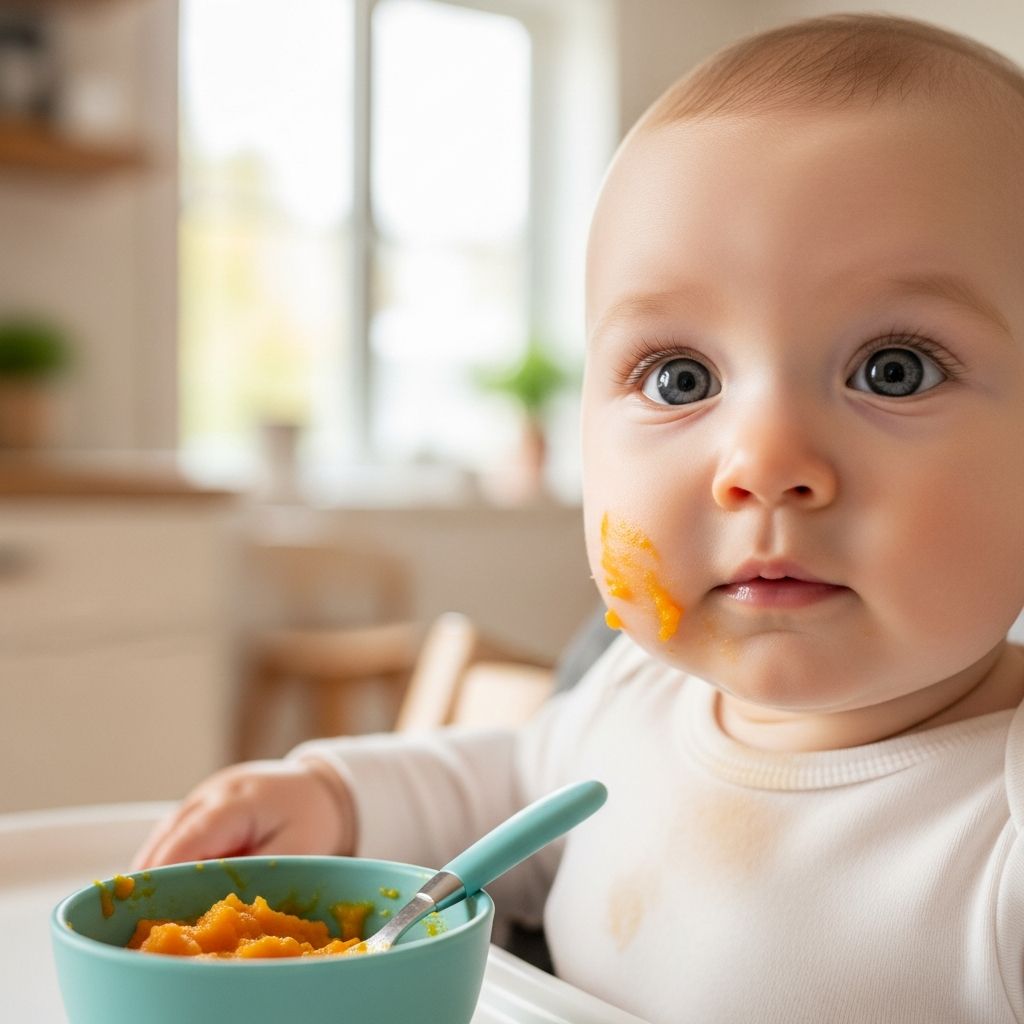
Transitioning your baby from exclusive milk feeds to solid foods marks a pivotal milestone in their growth. Around six months, most infants develop the skills needed to handle purees and soft textures, paving the way for diverse nutrition. This guide explores readiness cues, initial food choices, progression strategies, and practical advice to ensure a smooth journey.
Recognizing Readiness for Solids
Infants signal their preparedness for solids through distinct developmental markers, typically emerging between four and six months. Key indicators include steady head control, the ability to sit with minimal support, interest in watching others eat, and attempts to grasp items. These signs reflect maturing oral motor skills, allowing babies to move food from the front to the back of the mouth for safe swallowing.
- Head and neck strength: Baby holds head upright without wobbling.
- Posture stability: Can sit propped up comfortably, even if not fully independent.
- Curiosity about food: Reaches for spoons or family meals.
- Reduced tongue thrust: Stops pushing food out with the tongue reflexively.
Avoid starting before four months, as younger babies’ digestive systems and swallowing reflexes are not yet equipped, increasing risks like choking or poor nutrient absorption. If your baby nears seven months without interest, consult a pediatrician to rule out delays.
Optimal Timing and Nutritional Rationale
Exclusive breastfeeding or formula suffices for the first six months, supplying essential nutrients like iron initially stored from birth. By six months, these reserves deplete, necessitating iron-rich solids to support brain development and prevent anemia. Introducing solids at this stage also exposes babies to new flavors and textures, fostering acceptance of varied diets later.
Parental choice plays a role between four and six months if readiness signs appear, but six months remains the gold standard per health authorities. Early introduction before four months correlates with higher allergy and obesity risks, while delaying beyond seven months may heighten allergies to common foods.
Selecting and Preparing First Foods
Begin with smooth, single-ingredient purees to monitor tolerance and identify potential allergens. Iron-fortified cereals, pureed meats, vegetables, and fruits provide a nutrient-dense start.
| Food Group | Examples | Portion (Initial) | Nutritional Benefit |
|---|---|---|---|
| Vegetables | Carrots, sweet potatoes, peas | 1-2 tsp | Vitamins A, C; fiber |
| Fruits | Apples, pears, bananas | 1-2 tsp | Natural sweetness; antioxidants |
| Grains | Iron-fortified rice/oat cereal | 1-2 tsp mixed with milk | Iron boost |
| Proteins | Pureed chicken, beef | 1-2 tsp | Zinc, protein for growth |
Introduce one new food every three to five days, offering small tastes first—often just 1-2 teaspoons daily. Mix with breast milk or formula for familiarity. Avoid honey, cow’s milk as a drink, and undercooked eggs before one year due to botulism and allergy risks.
Step-by-Step Feeding Progression
Gradually build variety and texture over months, aligning with your baby’s cues and appetite.
Months 4-6: Exploration Phase
Offer tastes 1-2 times daily before milk feeds to build hunger for solids. Focus on fruits and vegetables if starting early; expect minimal intake as the goal is skill-building. By six months, incorporate cereals and meats.
Months 6-9: Expanding Horizons
Increase to 2-3 meals daily, adding yogurt, cheese, soft breads, and early allergens like egg yolks and peanut butter (if family history allows). Transition to thicker purees and mashes; introduce finger foods around eight months, such as soft fruit pieces or teething biscuits.
- Daily intake example: 2-4 Tbsp veggies, 3-8 Tbsp grains, 2-3 Tbsp dairy alternatives.
- Monitor for chunkier textures as chewing improves.
Months 9-12: Toward Family Meals
Solids become primary nutrition by 12 months, with milk reduced to 12-20 oz daily. Offer three meals and two snacks, prioritizing table foods over purees. Whole cow’s milk (pasteurized, 3.25% fat) can start at nine months if iron-rich foods are consumed, capped at 500 ml (17 oz) by year one to avoid displacing solids.
Finger foods promote self-feeding: ripe banana slices, steamed veggie sticks, small pasta pieces. By 12 months, aim for family-style meals with minced textures.
Sample Daily Feeding Schedules
Adapt these to your baby’s rhythm, offering solids before milk to encourage intake.
| Age | Wake-up | Mid-Morning | Lunch | Afternoon | Dinner | Bedtime |
|---|---|---|---|---|---|---|
| 6-8 Months | Milk | Solids (puree) + Milk | Solids + Milk | Milk/Snack | Solids + Milk | Milk |
| 9-12 Months | Milk | Snack + Milk | Solids | Snack | Solids | Milk |
| 12+ Months | Breakfast Solids | Snack | Lunch Solids | Snack | Dinner Solids | Milk/Bedtime |
Formula/breast milk: 4-5 feeds (120-240 ml each) at 6-8 months, tapering as solids increase.
Safety Essentials: Choking, Allergies, and Hygiene
Prioritize prevention: seat baby upright in a high chair, never leave unattended, and puree foods initially to avoid choking. Cut finger foods into graspable sizes; avoid hard items like whole grapes or nuts.
For allergies, introduce common triggers (peanuts, eggs, fish, wheat, dairy, soy) around six months, one at a time. Watch for hives, vomiting, or breathing issues—seek immediate care if severe. Early exposure may reduce allergy risks.
- Hygiene: Wash hands/produce; use clean utensils.
- No-nos: Honey, unpasteurized products, added salt/sugar.
Overcoming Common Hurdles
Babies may reject new foods—offer 10-15 times without pressure. Constipation from low fiber? Increase veggies and water. Picky phases pass with consistent exposure. If growth stalls or refusal persists past nine months, consult a professional.
Balance milk and solids: Excessive milk crowds out iron sources.
Frequently Asked Questions
What if my baby refuses solids?
Persist gently; try before milk feeds to spark hunger. Vary textures/flavors.
Can I start with baby-led weaning?
Yes, if baby shows readiness—offer soft family foods for self-feeding, supervised closely.
When to introduce allergens?
Around 6 months, singly, per guidelines.
How much should my 8-month-old eat?
Follow cues: 2-4 oz total solids daily, increasing gradually.
Is cow’s milk safe before 12 months?
In small cooking amounts or yogurt from 6 months; as drink from 9-12 months only.
References
- Infant Solid Food Introduction — Manhattan Valley Pediatrics. 2023. https://www.manhattanvalleypediatrics.com/infant-solid-food-introduction/
- Baby Feeding Schedules – 6 to 24 Months — Solid Starts. 2024. https://solidstarts.com/feeding-schedules/
- Introducing solids: why, when, what & how — Raising Children Network (Australian Government-funded). 2025-01-15. https://raisingchildren.net.au/babies/breastfeeding-bottle-feeding-solids/solids-drinks/introducing-solids
- Starting Solid Foods — American Academy of Pediatrics (HealthyChildren.org). 2024-06-01. https://www.healthychildren.org/English/ages-stages/baby/feeding-nutrition/Pages/Starting-Solid-Foods.aspx
- Starting Solid Foods: 6–12 Months — Healthy Parents Healthy Children (Government of Alberta). 2024. https://www.healthyparentshealthychildren.ca/im-a-parent/older-babies-6-12-months/feeding-starting-solid-foods/
- Feeding Your Baby in the First Year — Cleveland Clinic. 2023-11-20. https://my.clevelandclinic.org/health/articles/9693-feeding-your-baby-the-first-year