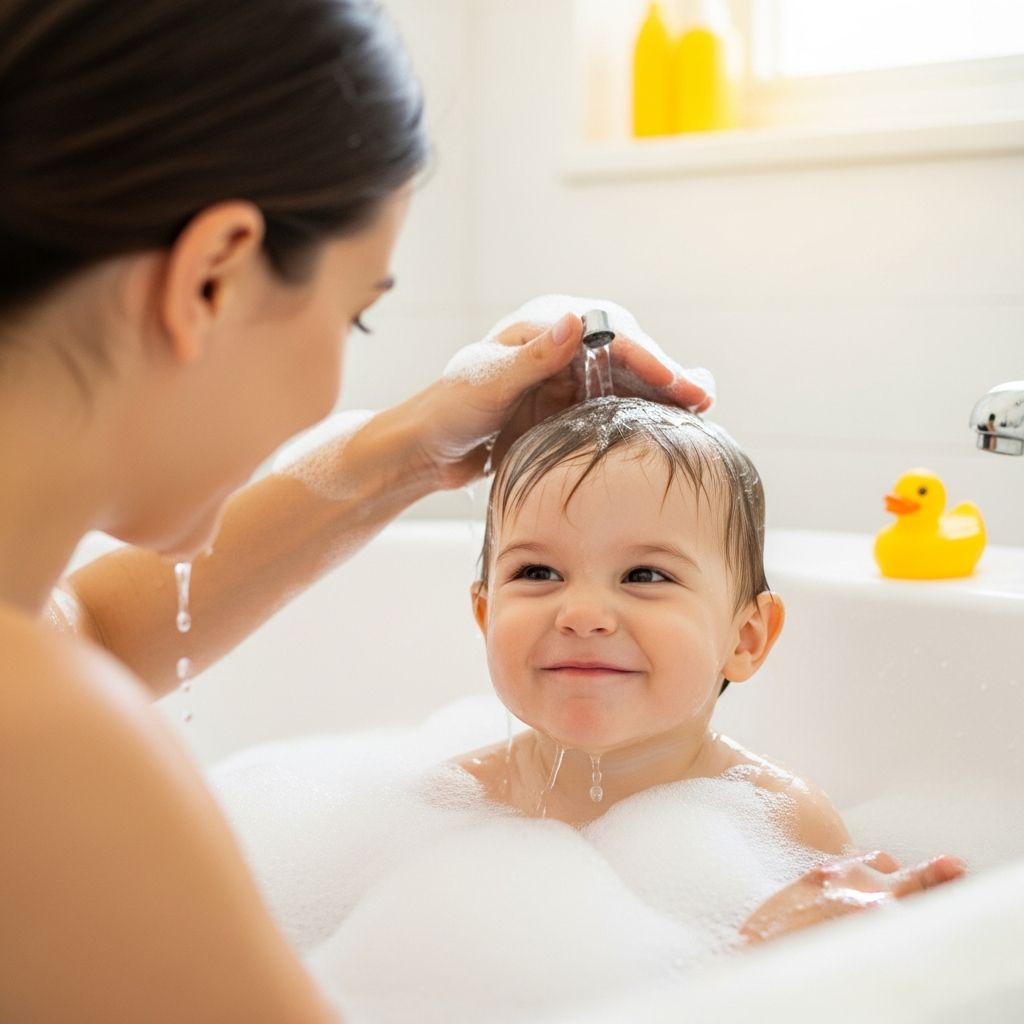
Transitioning your baby to solid foods marks a thrilling milestone in their growth, opening doors to new tastes, textures, and nutritional boosts. Around 6 months, when babies show signs like steady head control and interest in your meals, it’s time to introduce solids. This phase supports brain development, iron intake, and self-feeding skills, but it comes with messes and safety needs. Equipping your home with the right tools ensures positive experiences for everyone involved.
Recognizing Readiness for Solids
Babies typically start solids between 4-6 months, but consult your pediatrician for personalized advice. Key indicators include sitting with minimal support, good head and neck control, and curiosity about food—reaching for spoons or watching you eat. The Centers for Disease Control and Prevention (CDC) advises beginning around 6 months to meet iron needs, as breast milk or formula alone may not suffice.
Avoid rushing; premature introduction risks allergies or digestive issues. Once ready, offer nutrient-rich options like iron-fortified cereals, pureed meats, fruits, veggies, grains, yogurts, and cheeses. Skip cow’s milk until 12 months, but yogurt is fine earlier.
Securing the Feeding Space
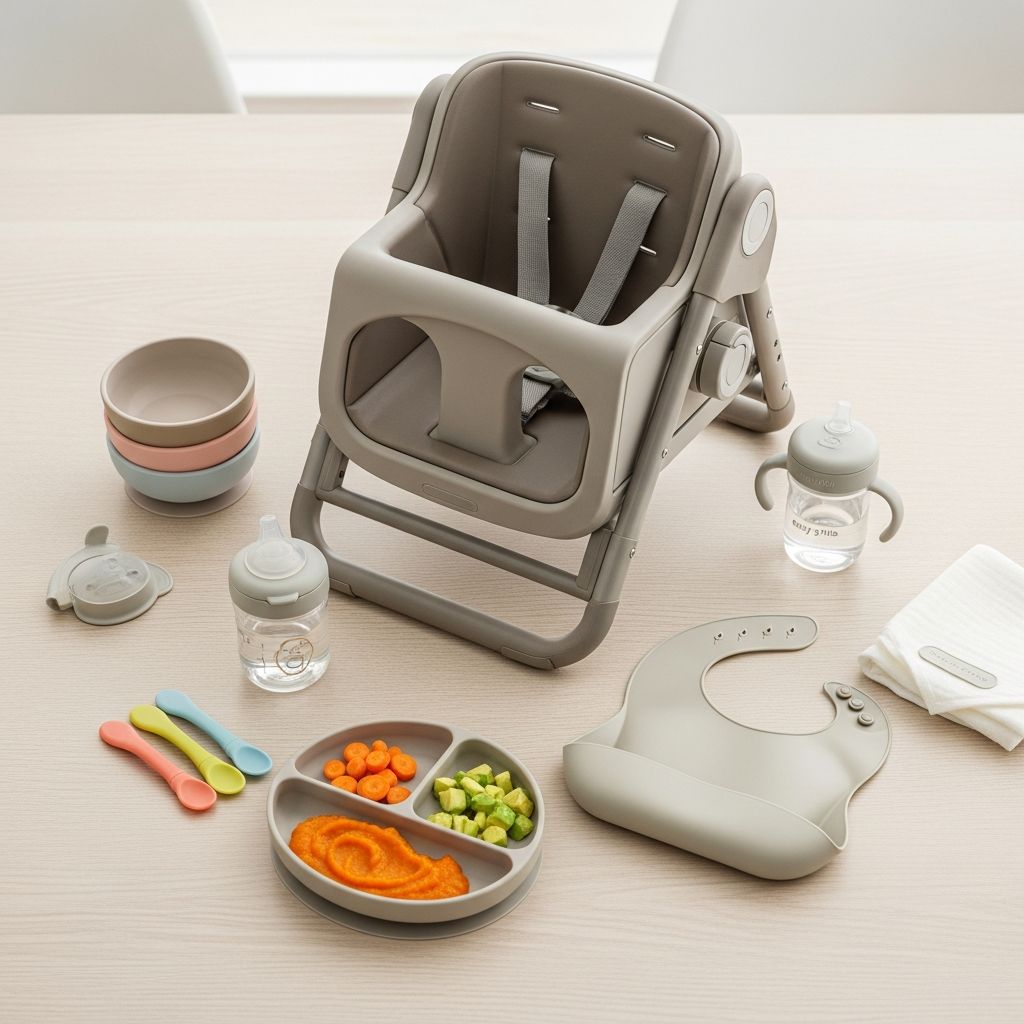
A reliable feeding station is non-negotiable. Opt for a high chair with a five-point harness, adjustable height, and removable, dishwasher-safe tray. This setup promotes upright posture, crucial for digestion and choking prevention. Look for models that grow with your child up to toddler years, with footrests and easy-wipe surfaces.
- Stability first: Wide base prevents tipping during wiggly meals.
- Comfort features: Padded seat and multiple recline positions for younger eaters.
- Space-savers: Countertop clip-on chairs for small kitchens.
Beyond the chair, a protective floor mat catches inevitable drops, safeguarding hardwood or tile. These vinyl or silicone mats roll up for storage and double as play surfaces later.
Mess Management Mastery
Solids mean splatters—food flies everywhere as babies explore. Stock up on large, waterproof bibs with crumb-catching pockets and long ties to protect outfits. Silicone bibs wipe clean in seconds, outlasting cloth ones that require washing.
Suction-based placemats add another layer, sticking to trays or tables to keep bowls steady. Vibrant designs engage babies visually, turning meals into playtime.
Age-Appropriate Utensils and Tableware
Start with soft-tipped spoons for tender gums, progressing to forks as skills develop. Ergonomic handles suit small grips, and heat-sensitive tips change color if food’s too hot.
Choose divided plates and bowls with suction cups to minimize flips. BPA-free silicone or bamboo sets endure drops and teeth marks. Straw or sippy cups with handles ease liquid transitions, preventing spills while teaching sipping.
| Item Type | Key Features | Best For |
|---|---|---|
| Suction Bowls | Non-slip base, multiple compartments | Self-feeders 6-12 months |
| Soft Spoons | Rubber tip, short handle | Purees, 4-8 months |
| Sippy Cups | Leak-proof, dishwasher-safe | Water/milk practice, 6+ months |
| Forks | Blunt tines, easy-grip | Mashed foods, 9+ months |
Preparing and Storing Homemade Meals
Homemade purees offer freshness and control over ingredients. A multi-function food maker steams, blends, and chops veggies, fruits, and meats effortlessly. Compact models fit small counters and warm food gently.
Airtight, stackable containers preserve nutrients for fridge or freezer storage. Glass or silicone options with portion markings simplify batch prepping. Label dates to rotate stock safely.
Safety First: Preventing Choking and Allergens
Supervise every bite in an upright position. Puree initially, then mash, advancing textures gradually. Avoid round hazards like whole grapes, nuts, popcorn, hot dogs, or raw hard veggies—cut into tiny pieces.
Introduce allergens (peanuts, eggs, fish) one at a time after 6 months if no eczema or allergies, per CDC guidance. Iron-rich foods like lentils, meats, and fortified cereals combat anemia risks.
- Common first foods: Avocado (fats), sweet potato (vitamin A), banana (potassium), yogurt (probiotics), cooked carrots (immune boost).
Building Healthy Eating Habits
Make meals joyful: Sit together, offer varied flavors, and let baby lead—some days they’ll eat more, others less. Respond to cues; force-feeding backfires. Pair solids with milk feeds initially for familiarity.
Encourage self-feeding with finger foods around 8-9 months, fostering independence and oral motor skills. Fun shapes from veggies spark interest without gimmicks.
Common Challenges and Solutions
Mess overload: Designate a ‘splat zone’ with mats and bibs; clean post-meal routines build habits.
Refusals: Stay calm, retry later with new textures; persistence pays off.
Gagging: Normal learning reflex, distinct from choking—learn infant CPR for peace of mind.
Frequently Asked Questions
When should I start solids?
Around 6 months, per CDC, when baby sits supported, has head control, and shows interest. Consult your doctor.
What are safe first foods?
Iron-fortified cereals, pureed meats, fruits, veggies, yogurts. Variety from all groups by 7-8 months.
How do I handle choking risks?
Supervise, cut small, avoid hard/round foods. Take a CPR class.
Are homemade purees better?
They allow fresh, controlled nutrition, but store-bought is fine if nutritious.
What if baby refuses solids?
Be patient; offer when happy and mildly hungry. Textures vary success.
Long-Term Feeding Evolution
As babies hit 9-12 months, introduce chunkier mashes, soft finger foods like pasta or cheese cubes. By year one, most handle table foods with supervision. Gear like booster seats replaces high chairs. Track milestones: self-spooning by 18 months signals progress.
Nutrition evolves too—prioritize whole foods over cereals alone to limit arsenic from rice. Hydrate with water in cups, phasing bottles by 12-18 months.
This journey builds lifelong eaters. Invest wisely in durable gear, prioritize safety, and savor the smiles amid the mess. Your preparation now paves the way for confident, adventurous eaters.
References
- When, What, and How to Introduce Solid Foods — Centers for Disease Control and Prevention (CDC). 2023-10-01. https://www.cdc.gov/infant-toddler-nutrition/foods-and-drinks/when-what-and-how-to-introduce-solid-foods.html
- Ready, Set, Eat! How to Start Solids with Your Baby — Babylist. 2024-05-15. https://www.babylist.com/hello-baby/start-solid-food
- Starting Solids: 7 Essential Items for Your Baby’s First Foods — Baby Company. 2023-11-20. https://babycompany.ph/blogs/news/starting-solids-7-essential-items-for-your-babys-first-foods
- A Guide to Starting Solids — Gerber Medical Hub. 2024-02-10. https://medical.gerber.com/topics/guide-to-starting-solids
- 6 Helpful Products for Introducing Solid Foods — Monica + Andy. 2023-08-05. https://monicaandandy.com/blogs/ma-edit/helpful-products-for-introducing-solid-foods