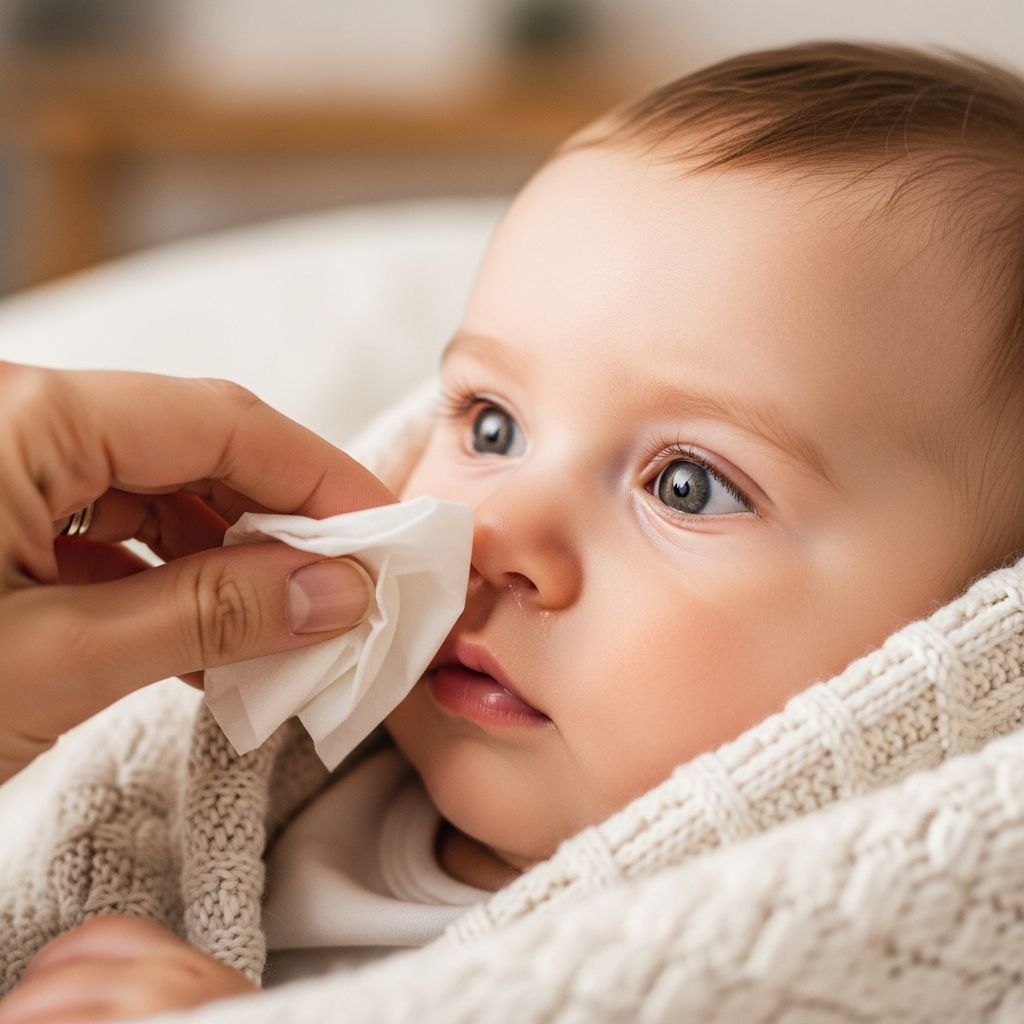
When your little one encounters their initial cold, it can be distressing for both baby and parents. Infants’ immune systems are still developing, making them prone to viral infections like the common cold. This guide provides evidence-based strategies to alleviate discomfort, promote recovery, and identify when professional care is needed. Drawing from pediatric expertise, we’ll cover recognition, relief, and prevention.
Understanding Colds in Infants
Colds are primarily caused by viruses, such as rhinoviruses, affecting the upper respiratory tract. In babies under 12 months, these infections lead to inflammation in the nose and throat, resulting in familiar symptoms. Unlike bacterial infections, colds cannot be treated with antibiotics and typically resolve in 7-10 days with supportive care.
Key indicators include nasal congestion, which blocks airways and complicates feeding; clear or yellowish runny nose; frequent sneezing; and a mild cough as the body clears mucus. Babies may also show low-grade fever (below 100.4°F/38°C for newborns under 3 months), irritability, and reduced appetite. These signs mimic other conditions, so monitoring is crucial.
Safe Symptom Relief Strategies
Focus on comfort without medications, as over-the-counter cold remedies are not recommended for children under 2 years due to risks like overdose or side effects. Instead, employ these gentle, doctor-approved techniques.
Clearing Nasal Congestion
A stuffy nose is the most disruptive symptom, hindering breathing, sleeping, and nursing. Use saline drops to moisten and loosen mucus, followed by gentle suction.
- Administer 2-3 saline drops per nostril; available over-the-counter without prescription.
- Wait 1 minute, then use a bulb syringe, nasal aspirator (e.g., NoseFrida), or electric device to remove mucus. Limit to 4 times daily, ideally before feeds and bedtime.
- For stubborn mucus, employ a warm shower’s steam or a wet cotton swab to soften it first.
Protect skin under the nose with petroleum jelly to prevent irritation from wiping.
Maintaining Hydration
Extra fluids thin mucus, ease coughing, and prevent dehydration. Breastfeed or formula-feed more frequently; for babies over 6 months, offer small amounts of water if approved by a pediatrician.
| Age Group | Recommended Fluids | Frequency |
|---|---|---|
| 0-6 months | Breast milk or formula | On demand, extra feeds |
| 6-12 months | Breast milk/formula + water sips | Frequent nursing + 1-2 oz water daily |
Monitor wet diapers: at least 6 per day signals good hydration.
Humidifying the Air
Dry air exacerbates congestion. A cool-mist humidifier adds moisture, soothing nasal passages. Clean daily to avoid mold; place across the room from the crib.
Fever and Pain Management
For fever over 102°F (38.9°C) or discomfort, use acetaminophen (e.g., Infants’ Tylenol) after 2 months, dosed by weight. Ibuprofen is suitable from 6 months. Always consult a doctor first.
Cool compresses on the forehead provide additional relief.
Optimizing Sleep Position
Elevate the crib mattress slightly at the head (using a rolled towel underneath, not under baby) to aid drainage. Adhere to safe sleep: back sleeping, firm surface, no pillows.
Upright holding during naps can help, but transfer to crib once asleep.
Advanced Comfort Measures
Beyond basics, these enhance recovery:
- Skin-to-skin contact: Calms fussiness and regulates breathing.
- Vapor rub (age 2+): Apply to chest/neck for cough relief via menthol vapors; avoid under nose.
- Sore throat soothers (6 months+): Chilled purees or popsicles.
- Eye care: Wipe red eyes with damp cotton balls.
Red Flags: When to Contact a Doctor
Most colds are mild, but seek immediate care for:
- Fever ≥100.4°F (38°C) in babies <3 months, or persisting>3 days.
- Breathing difficulties: rapid breaths, nostril flaring, grunting, chest retractions.
- Dehydration: dry mouth, fewer tears, <6 wet diapersday.
- Refusal to feed, lethargy, or symptoms worsening after 10 days.
- Persistent wheezing or cough.
Call your pediatrician promptly; err on caution with infants.
Preventing Colds in Your Household
Proactive steps reduce exposure:
- Frequent handwashing with soap for 20 seconds.
- Avoid sick contacts; limit visitors during peak seasons.
- Keep vaccinations current, including flu shots from 6 months.
- Breastfeeding boosts immunity via antibodies.
- Clean toys and surfaces regularly.
Common Myths Debunked
| Myth | Fact |
|---|---|
| Cold meds are safe for babies. | Not under 2 years; risks outweigh benefits. |
| Chicken soup cures colds. | Hydrates and comforts but doesn’t kill viruses. |
| Bundle up to prevent colds. | Colds are viral, not weather-related; overdressing causes fever. |
Frequently Asked Questions (FAQs)
Can I give honey to my coughing baby?
No, honey poses botulism risk under 1 year. Use saline and suction instead.
How long does a baby’s cold last?
Typically 7-10 days; congestion may linger.
Is it okay to use a humidifier every night?
Yes, if cleaned daily to prevent bacteria.
What if my baby has green mucus?
Common in viral colds as immune response; watch for other symptoms.
Should I wake my baby for feeds during a cold?
Yes, if feeding less; ensure hydration.
Long-Term Respiratory Health
Frequent colds build immunity but monitor for patterns suggesting allergies or asthma. Annual check-ups track growth and lung function. Encourage tummy time when well to strengthen respiratory muscles.
Nutrition matters: vitamin D and zinc from diet support immunity. For breastfed babies, maternal diet influences milk’s protective factors.
In summary, patience and consistent care see most infants through colds unscathed. Empower yourself with knowledge for confident parenting.
References
- Colds (0-12 Months) — Seattle Children’s Hospital. 2023. https://www.seattlechildrens.org/conditions/a-z/colds-0-12-months/
- Baby’s First Cold: How to Handle Infant Congestion and Coughs — Northwest Family Clinics. 2023. https://www.northwestfamilyclinics.com/blog/babys-first-cold
- Baby’s First Cold & Flu: Symptoms and Treatments — Tylenol. 2024. https://www.tylenol.com/children-infants/cold-flu/babys-first-cold-flu
- Colds, coughs and ear infections in children — NHS. 2024. https://www.nhs.uk/baby/health/colds-coughs-and-ear-infections-in-children/
- Navigating Baby’s First Cold — Zarbee’s. 2023. https://www.zarbees.com/resources/parents-guide-to-babys-first-cold
- 7 Tips for Common Cold — Texas Children’s Hospital. 2023. https://www.texaschildrens.org/content/wellness/7-tips-for-common-cold
- Common Cold (Rhinovirus): Symptoms, Causes & Treatment — Cleveland Clinic. 2024. https://my.clevelandclinic.org/health/diseases/12342-common-cold