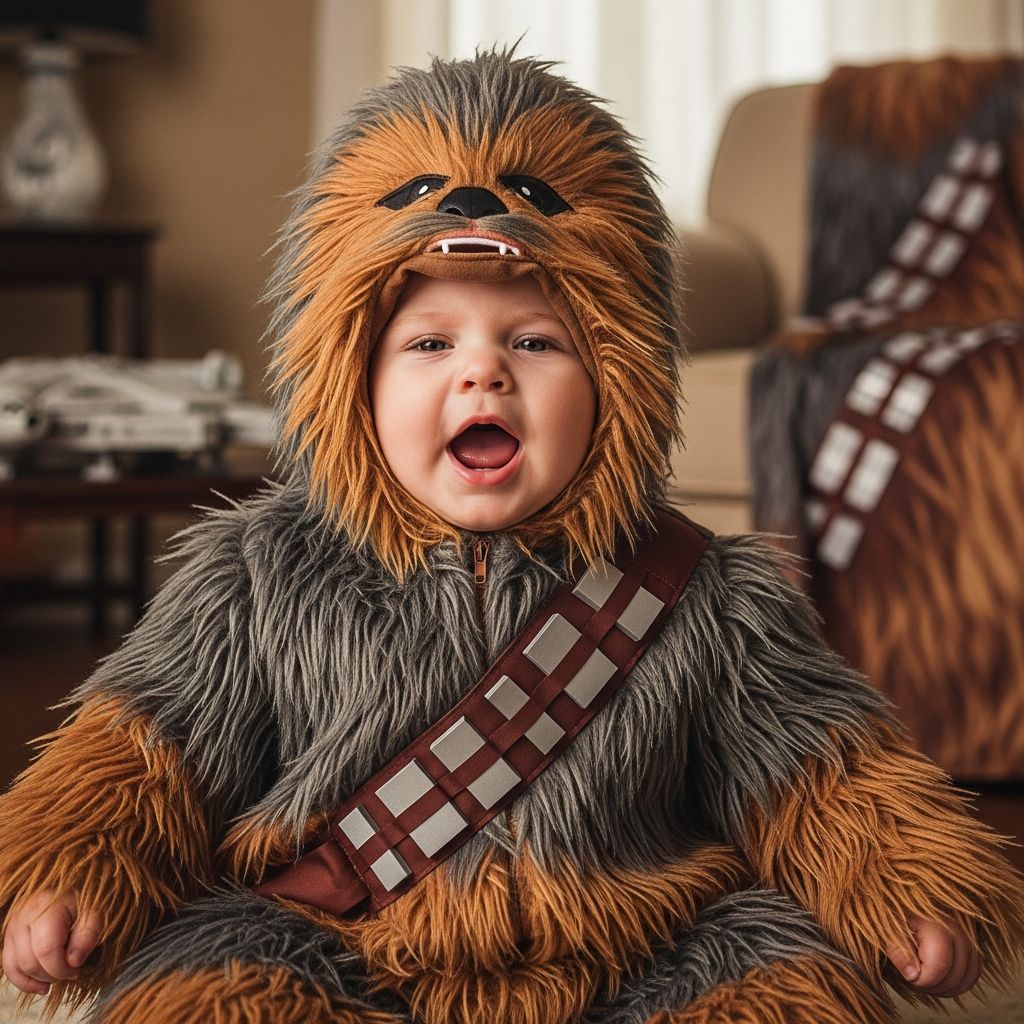
When a baby skips the usual cries and instead belts out sounds that seem straight from a Star Wars movie, the internet understandably loses its mind. This article explores the viral baby whose epic Chewbacca-like noises turned an ordinary parenting moment into a galactic-level sensation, along with what parents, fans, and experts make of it.
The Viral Baby Who Sounds Like Chewbacca
The heart of the story is simple: a parent noticed that their baby didn’t really cry in the typical way and instead made long, dramatic vocalizations that sounded eerily similar to the roars of Chewbacca, the beloved Wookiee from Star Wars. Rather than keeping this quirky trait in the family, they shared a short video clip online and watched it explode in popularity as people instantly recognized the resemblance.
Viewers were drawn in by the mix of cuteness and comedy. The baby’s serious facial expressions, paired with deep and gravelly sounds, created a delightful mismatch that made people laugh out loud. Many commenters joked that this wasn’t just an ordinary infant but a tiny Wookiee training for a future role in the Star Wars universe.
- The baby’s sounds are long, dramatic, and unexpectedly powerful for such a small body.
- Instead of short cries, the noises roll out like mini roars or growls.
- The parent quickly recognized the similarity to Chewbacca and leaned into the joke.
Why Everyone Hears Chewbacca
Chewbacca’s trademark roar is a mix of deep, textured animal sounds in the films, so when a baby produces a surprisingly similar pitch and rhythm, the comparison becomes irresistible. What makes this clip stand out is not just the sound itself but how instinctively people connect it to the Star Wars character, proving how deeply pop culture references live in our heads.
Many viewers admit that once they hear the Chewbacca resemblance, they can’t un-hear it. The baby’s drawn-out tones, slight gurgles, and changes in pitch echo the way Chewbacca seems to “speak” in emotional roars rather than words, making the nickname feel natural and instantly understandable.
| Feature | Viral Baby | Chewbacca |
|---|---|---|
| Sound Type | Long, throaty vocalizations | Layered, roaring vocal effects |
| Emotional Feel | Expressive but non-verbal | Emotional, expressive, non-verbal |
| Audience Reaction | Cute, hilarious, unexpectedly powerful | Iconic, funny, endearing |
| Pop Culture Link | Reminds fans of a Wookiee in training | Original Star Wars Wookiee |
A Parenting Moment Turned Internet Gold
At its core, the viral video started as an everyday parenting moment: a caregiver listening closely to their baby and noticing something unique. Instead of worrying that the sounds were strange, they celebrated the quirkiness and decided it was too funny not to share. That small decision transformed a private giggle into a global in-joke.
The comment sections filled with people tagging friends, sharing the clip with fellow parents, and declaring that this baby had already outperformed their own Chewbacca impressions. For many, it was a welcome break from heavy news cycles, bringing a bit of lighthearted joy to social feeds.
- Parents related to the surprise of realizing their child has a very distinctive way of communicating.
- Star Wars fans enjoyed seeing a familiar sound reimagined through a baby’s voice.
- Casual viewers shared the video simply because it was pure, wholesome entertainment.
What the Sounds Say About Baby Communication
While the Chewbacca label is funny, the underlying behavior reflects normal baby experimentation with sound. Infants naturally play with their voices as they discover new pitches, volumes, and rhythms, especially as their lungs and vocal cords grow stronger. These long “Wookiee” style noises can be part of how a baby learns what their body can do.
Often, babies will latch onto a particular sound and repeat it because it feels satisfying or gets a big reaction from adults. In this case, every time the baby lets out a dramatic roar, the surrounding grown-ups probably laugh, smile, or talk back, reinforcing the behavior and turning it into a kind of playful game.
Is It Normal for Babies to Make ‘Strange’ Noises?
Parents sometimes worry when their baby makes unusual sounds, but a wide range of vocalizations can be completely typical. As long as the baby is breathing comfortably, meeting developmental milestones, and not showing signs of distress, odd or dramatic noises are usually just an expression of curiosity and personality.
Different babies will have different “signature” sounds—some squeal, some babble constantly, and others, like this viral little one, prefer dramatic, drawn-out tones that remind everyone of a movie character. The variety is part of what makes early development so fascinating and fun to watch.
The Internet’s Funniest Reactions
No viral moment is complete without a flood of creative comments, and this baby’s performance inspired everything from jokes about Wookiee daycare to mock casting calls for the next Star Wars installment. Many people suggested that the baby should be “hired” as Chewbacca’s understudy or officially adopted as a member of the Wookiee tribe.
Others playfully pretended to translate the roars, imagining that the baby was passionately complaining about nap time, bottles, or the state of the galaxy. The shared humor created a sense of community in the comments, as strangers bonded over the sheer delight of such an unexpected sound coming from a tiny human.
- Some commenters imagined the baby as a future Star Wars voice actor.
- Others claimed the child must have been “raised on Kashyyyk,” Chewbacca’s fictional homeworld.
- Parents chimed in with stories of their own kids’ funniest and weirdest baby noises.
Fandom, Family, and a Tiny Wookiee
This clip sits at the intersection of fandom and family life. Star Wars references are so widely recognized that even non-superfans understand the Chewbacca comparison, which helps the video spread beyond typical parenting circles. The baby’s performance becomes a shared pop culture joke that anyone can enjoy.
For fan families, moments like this reinforce how their favorite stories weave into everyday life. A simple baby noise becomes a reason to wear Star Wars shirts, quote lines from the movies, and imagine their living room as part of a much larger galaxy. It highlights how modern parenting often mixes personal interests, memes, and childhood memories with the daily routine of raising kids.
Why This Video Feels So Uplifting
Part of the magic of the Chewbacca baby is timing: people are constantly scrolling through serious or stressful content, so stumbling on a clip of a baby making hilarious sci-fi roars can feel like a breath of fresh air. The stakes are low, the humor is gentle, and the joy is immediate, making it incredibly shareable.
Unlike some viral content that relies on shock or conflict, this video thrives on innocence and surprise. It reminds viewers that even the smallest humans are capable of being unintentionally comedic geniuses, and it gives everyone permission to laugh without overthinking it.
- It offers a quick emotional reset in the middle of a busy scroll.
- It’s safe to share with kids, grandparents, and coworkers alike.
- It taps into nostalgia for Star Wars while showcasing a brand-new generation.
Tips for Parents of Their Own ‘Little Wookiees’
Parents who recognize their own children in this story can take away both reassurance and inspiration. Unusual baby sounds are often part of normal development, and as long as health concerns are ruled out by a pediatrician, there’s room to embrace the quirks and even have fun with them.
Leaning into the humor—with nicknames, themed outfits, or lighthearted family jokes—can turn potentially worrying moments into bonding experiences. It also gives parents a way to share joy with friends and family, whether or not they choose to post anything publicly.
Fun (and Gentle) Ways to Enjoy the Moment
- Create a silly nickname, like “Little Wookiee” or “Mini Chewie,” that everyone uses lovingly at home.
- Record short clips (just for family if you prefer) to look back on when your child is older.
- Respond playfully to the noises by talking back, smiling, and making your own goofy sounds.
- Consider a themed onesie or toy if you are a Star Wars fan, turning the joke into a memory.
Respecting Privacy in Viral Moments
While this baby’s Chewbacca impression brought a lot of people happiness, it also highlights important questions about children’s privacy online. Parents today must balance the urge to share funny, sweet moments with the long-term implications of building a digital footprint for their kids before they can consent.
Some families are comfortable with public sharing, while others keep videos within a small, trusted circle. Whatever approach a family chooses, it helps to think ahead about what a child might feel years from now when they discover that their baby “Wookiee phase” was seen by thousands or even millions of people.
- Consider whether a video could embarrass your child in the future.
- Use privacy settings or private messaging for sensitive or very personal clips.
- Talk as a family about what kinds of content feel okay to share widely.
From Cries to Roars: A Light-Hearted Look at Baby Personality
One reason this story resonates so strongly is that it showcases how much personality babies already have, even before they can use words. A baby who chooses roars over cries feels like a character in their own right, hinting at a bold or dramatic streak that might stick around as they grow.
Moments like these remind caregivers that they are not just managing feeding and sleeping schedules; they are also witnessing the first glimpses of a unique human being. Whether a child’s signature sound is a squeal, a giggle, or a Wookiee roar, it becomes part of the family’s shared lore and the stories told for years to come.
Frequently Asked Questions (FAQs)
1. Is it normal for my baby to make deep or growly sounds?
Many babies experiment with a wide range of sounds, including deep, growly, or throaty noises. As long as your baby is breathing comfortably, feeding well, and generally content, these unusual sounds are often just part of vocal exploration. If you ever feel unsure, check in with your pediatrician for peace of mind.
2. Could these ‘Chewbacca’ noises mean something is wrong with my baby’s throat or lungs?
In most healthy babies, dramatic or funny sounds are not a sign of a serious problem. However, if you notice wheezing, labored breathing, persistent coughing, or if your baby seems distressed when making the sounds, a medical evaluation is important. Trust your instincts and seek professional advice if anything about the noises or your baby’s behavior worries you.
3. Why do some babies repeat the same funny sound over and over?
Repetition is a key part of how babies learn. When a certain sound feels good to make or gets a big reaction from adults, babies tend to repeat it again and again. This repetition helps them refine their vocal control while also turning the sound into a kind of playful interaction with caregivers.
4. Should I post my baby’s funny sounds online?
Sharing is a personal decision, and there is no single right answer. Some families are happy to post widely, while others prefer to keep baby content within private chats or closed groups. Before posting, consider your child’s future privacy, how far the clip might spread, and whether you are comfortable with that level of visibility.
5. How can I safely enjoy and encourage my baby’s vocal play?
You can mirror your baby’s sounds, talk and sing to them, and respond with smiles and eye contact to show that you are listening. These warm, responsive interactions support bonding and language development, whether your baby is cooing softly or roaring like a tiny Wookiee. The goal is to keep the experience fun, safe, and connected.
One baby’s epic Chewbacca sounds turned into a small cultural moment, blending parenting, humor, and fandom in a way that felt both familiar and refreshingly new. Whether your own child sounds like a Wookiee, a songbird, or something in between, those quirky early noises are a reminder that even the youngest voices have a lot to say—long before their first real words arrive.