Understanding Victorian Baby Naming Traditions
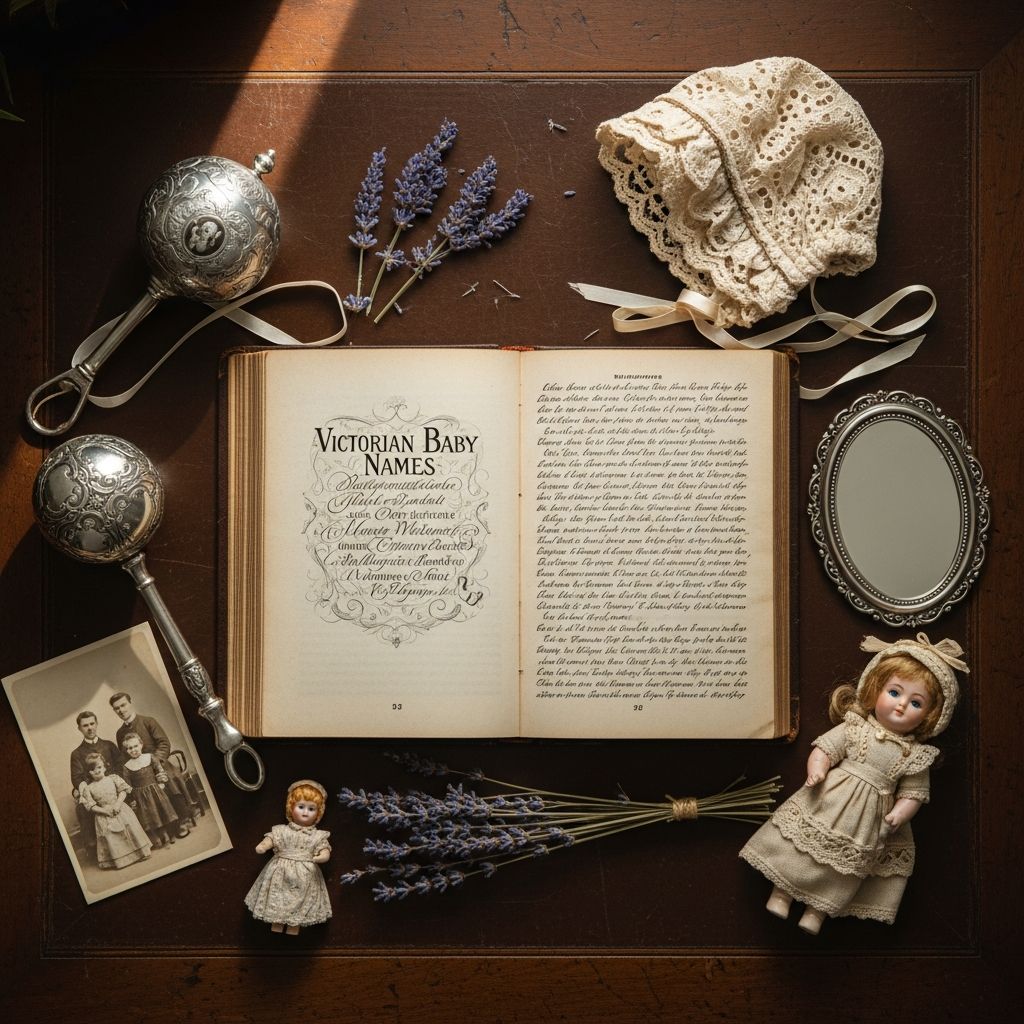
The Victorian era, spanning roughly from 1837 to 1901, was a period of remarkable cultural refinement and social structure. During this time, the naming of children became far more than a simple practical matter—it was an expression of family values, social aspirations, and cultural beliefs. Parents carefully selected names that would reflect not only who they hoped their children would become but also their family’s position in society and their connection to broader traditions.
What makes Victorian names particularly appealing to modern parents is their combination of elegance, meaningfulness, and historical depth. Unlike many contemporary naming trends that prioritize uniqueness or novelty, Victorian names embody a sense of permanence and substance. These names carry stories—of royal connections, virtue, heritage, and the values that shaped an entire era. Understanding how and why Victorians named their children provides valuable insight into the rich tapestry of naming conventions that still resonate today.
The Influence of Royalty and Social Standing
Queen Victoria’s reign profoundly shaped naming practices across Britain and beyond. Her nine children became trendsetters in their own right, and the names chosen for them—Albert, Edward, Victoria, and others—gained immediate popularity among families who wished to align themselves with royal prestige. The name Victoria itself, derived from Latin meaning “victory,” became increasingly common among Victorian girls, serving as both a patriotic gesture and a symbol of triumph and strength.
Aristocratic and upper-middle-class families deliberately selected names that conveyed sophistication and refinement. Names like Clementine, Evelyn, Frederick, and Rupert became markers of social class, instantly signaling to society that a child came from an elevated background. These families understood that a name was not merely an identifier but a statement about lineage, education, and social standing. The distinctiveness of such names helped set the elite apart from the working and middle classes, making naming choices an integral part of the social hierarchy.
Virtue and Moral Character in Names
Victorian society placed enormous emphasis on moral character and virtuous behavior, and parents channeled these values directly into the names they gave their children. Rather than viewing names as neutral labels, Victorians saw them as aspirational guides—subtle daily reminders of the qualities they hoped their children would cultivate and embody throughout their lives.
Girls were particularly likely to receive names derived from virtues and positive qualities. Names such as Grace, Hope, Faith, Charity, Prudence, and Patience were chosen with the explicit intention of influencing character development. Each name carried an implicit message: “May you grow to embody this virtue.” This practice reflected the Victorian belief that language and naming had the power to shape behavior and moral development. Even names with more abstract meanings, like Clara (meaning “clear” or “bright”), conveyed qualities of clarity and enlightenment that parents wished to instill.
Meanings, Beauty, and Personal Qualities
Beyond pure virtue names, Victorian parents selected names whose meanings reflected desirable personal qualities. Lillian, associated with the lily flower, embodied purity and delicate beauty. Matilda, meaning “battle strength,” resonated with parents who valued power and resilience despite its feminine form. Harriet, another popular choice, carried undertones of courage and determination.
For boys, names carried similar weight. Albert, meaning “nobly bright,” gained tremendous popularity as a tribute to Prince Albert and became synonymous with strength and noble leadership. Henry, a name of royal significance, echoed dignity and grace across generations. Walter, meaning “gift of God,” conveyed warmth and affability, while Charles symbolized bravery and loyalty. These names were far from random selections; each represented a careful calculation of what parents hoped their sons would achieve and become.
Biblical and Mythological Inspirations
The Victorian era saw deep cultural connections to religious tradition and classical learning. Parents frequently chose names rooted in biblical history and Christian tradition, such as Ruth, Joseph, John, and Emmanuel. These choices reflected the religious devotion that characterized much of Victorian society and provided children with a direct link to sacred narratives and spiritual heritage.
In addition to biblical sources, Victorian naming drew inspiration from classical mythology and ancient history. Names connected to famous figures in history and antiquity gave children a sense of connection to human achievement and cultural continuity. This practice bridged the gap between ancient wisdom and Victorian modernity, allowing parents to honor timeless traditions while positioning their children within a broader historical narrative.
Literary and Theatrical Influences
The Victorian era was a golden age of literature and theater, and these art forms directly influenced naming conventions. Parents who cherished specific literary characters or authors often immortalized that affection through their children’s names. Names drawn from Shakespeare’s works were particularly popular. Cordelia, the loyal daughter from King Lear, symbolized unwavering devotion and integrity. Rosalind from As You Like It and Viola from Twelfth Night were chosen for their gentle, musical, and genteel qualities. Even Imogen, though likely originating from a printer’s error in Cymbeline, was embraced by Victorian parents who found beauty in its sound and literary association.
This literary dimension to naming meant that a child’s name could function as a conversation starter, revealing something about their parents’ intellectual interests, cultural education, and aesthetic sensibilities. It transformed naming into a form of cultural expression.
Multiple Names and Hyphenated Surnames
Victorian parents often bestowed multiple first names on their children, a practice that served both practical and symbolic purposes. Names like Mary Anna, Ellen May, John Alexander, and Hugh John allowed families to honor multiple relatives, preserve different family branches, and create a more distinctive identity for each child. The first name might be used in daily life, while middle names carried deeper significance—honoring a grandmother, preserving a mother’s maiden name, or commemorating a beloved ancestor.
Hyphenated surnames, though less common for first names, became increasingly prevalent during this period. These typically emerged from marriages between established families or when property and lineage needed to be preserved through naming conventions. A hyphenated surname communicated family alliances, social prominence, and the merging of hereditary legacies. Such names were more than creative choices; they were deliberate statements about heritage, wealth, and social continuity.
Nicknames and Linguistic Creativity
While formal Victorian names often sounded quite grand and ornate, the era also produced creative and whimsical nicknames that softened these formal designations. Margaret might become Daisy, a poetic transformation inspired by the flower’s old French origins. Henry could be shortened to Hal, while Mary frequently became Polly. These nicknames weren’t random shortcuts; they reflected linguistic creativity and the Victorian appreciation for poetry and nuance.
The practice of creating distinctive nicknames demonstrated how Victorians could balance formality with familiarity. A child might be formally christened with an elaborate, virtue-laden name for official and social purposes, yet be known affectionately by a family nickname that emphasized more personal qualities or family stories. This dual-naming system allowed flexibility and personalization within a rigidly formal society.
Popular Victorian Names for Girls
Victorian girls’ names often emphasized delicacy, virtue, and beauty. Beyond the virtue names already mentioned, other popular choices included:
- Florence—Associated with the nurse Florence Nightingale, this name symbolized compassion and dedication to helping others.
- Eleanor—A name of Greek origin meaning “bright” or “shining,” chosen for its elegance and historical royal connections.
- Beatrice—Meaning “bringer of joy,” this name reflected parental hopes for happiness and positive influence.
- Agnes—Derived from Greek, meaning “pure” or associated with innocence, this name was ranked among the top fifty most popular Victorian girls’ names.
- Gertrude—A Germanic name meaning “strength of a spear,” popular among Victorian families valuing strength and resilience.
- Edith—An Anglo-Saxon name meaning “blessed gift,” conveying gratitude and spiritual blessing.
Popular Victorian Names for Boys
Boys’ names during the Victorian era tended to be more traditional and straightforward, though still carrying significant meaning. Common choices included:
- Edward—A royal name meaning “wealthy guardian,” popularized through royal family members and suggesting strength and protection.
- George—A classic name of Greek origin meaning “farmer” or “earthworker,” rooted in royal tradition and widespread usage.
- Alexander—From Greek, meaning “defending men,” particularly popular in Scottish families and ranking in the top one hundred names of the 1880s.
- Thomas—A biblical name meaning “twin,” stable and dependable in its traditional appeal.
- James—Derived from Hebrew, meaning “supplanter,” this name maintained consistent popularity throughout the era.
- William—A Germanic name meaning “resolute protector,” one of the most enduring and popular names across all time periods.
Choosing a Victorian Name Today
For modern parents drawn to Victorian aesthetics and values, incorporating these names into contemporary naming decisions offers several advantages. Victorian names carry an inherent sense of substance and history that can help a child feel connected to cultural tradition. They are widely recognizable without being trendy, offering a middle ground between extreme uniqueness and complete ordinariness.
When selecting a Victorian name, consider whether you are attracted to the name’s meaning, its historical associations, or its sound. Do you want to honor a specific Victorian figure or literary character? Are you drawn to the virtue-name tradition? Understanding your motivation will help you select a name that resonates personally while maintaining the authenticity of the Victorian naming tradition.
It’s worth noting that many Victorian names have experienced significant changes in usage and perception over time. What was extremely common in 1880 might feel unusual or even old-fashioned today, which can be either an advantage or a drawback depending on your preferences. Some parents appreciate the rarity of authentic Victorian names in contemporary settings, while others prefer names that were popular in the Victorian era but remain more familiar in modern contexts, such as Victoria or Charlotte.
Victorian Names and Family Heritage
One particularly appealing aspect of Victorian naming traditions is the emphasis on family connection and heritage. The Victorian practice of using middle names to honor ancestors, preserve maiden names, or commemorate loved ones creates a living genealogy within a child’s name. By adopting this practice, modern parents can create similar connections to their own family histories while honoring the Victorian tradition of name-based legacy.
If your family has Victorian-era ancestors, researching their names can provide authentic options rooted in your own heritage. This approach transforms the name selection process from a purely aesthetic choice into a meaningful family tradition that bridges generations and honors those who came before.
Frequently Asked Questions
Are Victorian names appropriate for modern children?
Absolutely. While Victorian names carry historical weight, they remain functional and accessible in contemporary society. Many Victorian names, such as Victoria, Charlotte, and Henry, continue to rank among popular choices today. Others offer distinctive alternatives that feel substantial without being impractical.
How do I know if a name is authentically Victorian?
Victorian names typically emerged from five sources: royal connections (like Albert or Victoria), virtue traditions (like Grace or Hope), literary influence (like Cordelia or Imogen), biblical heritage (like Ruth or Joseph), or classical history. Researching a name’s origin and checking historical records from the 1837-1901 period will help confirm its authenticity.
Can I use a Victorian name without feeling like I’m being pretentious?
Victorian names simply reflect the aesthetic and values of an era; choosing one is not inherently pretentious. Many families select these names because they appreciate the meaning, history, or sound rather than for status reasons. The key is selecting a name you genuinely love rather than one chosen solely for its historical association.
What if I want a Victorian name but also want something less common?
Consider lesser-known Victorian names or explore middle-name options. Names like Genevieve, Beatrice, Thaddeus, or Nathaniel offer Victorian appeal with less contemporary usage. Using a Victorian name as a middle name is another approach to honoring the tradition while maintaining a more modern first name.
References
- Charming Victorian Baby Names of the Era — Classic Historia. https://classichistoria.com/articles/victorian-baby-names
- Popular Victorian Baby Names — Dalnavert Museum. https://www.friendsofdalnavert.ca/blog/2018/8/26/popular-victorian-baby-names
- The Grand Guide to Victorian Baby Names in America & England — Recollections. https://recollections.biz/blog/the-grand-guide-to-victorian-baby-names-in-america-england/
- Victoria: Origins, Meanings, Nicknames and Best Combinations — PatPat. https://www.patpat.com/blogs/baby-names/victoria
- Victorian Era Names, A Writer’s Guide — RootsWeb. https://freepages.rootsweb.com/~poindexterfamily/genealogy/OldNames.html
- New Influences on Naming Patterns in Victorian Britain — Illinois State University ReD. https://ir.library.illinoisstate.edu/cgi/viewcontent.cgi?article=1507&context=etd