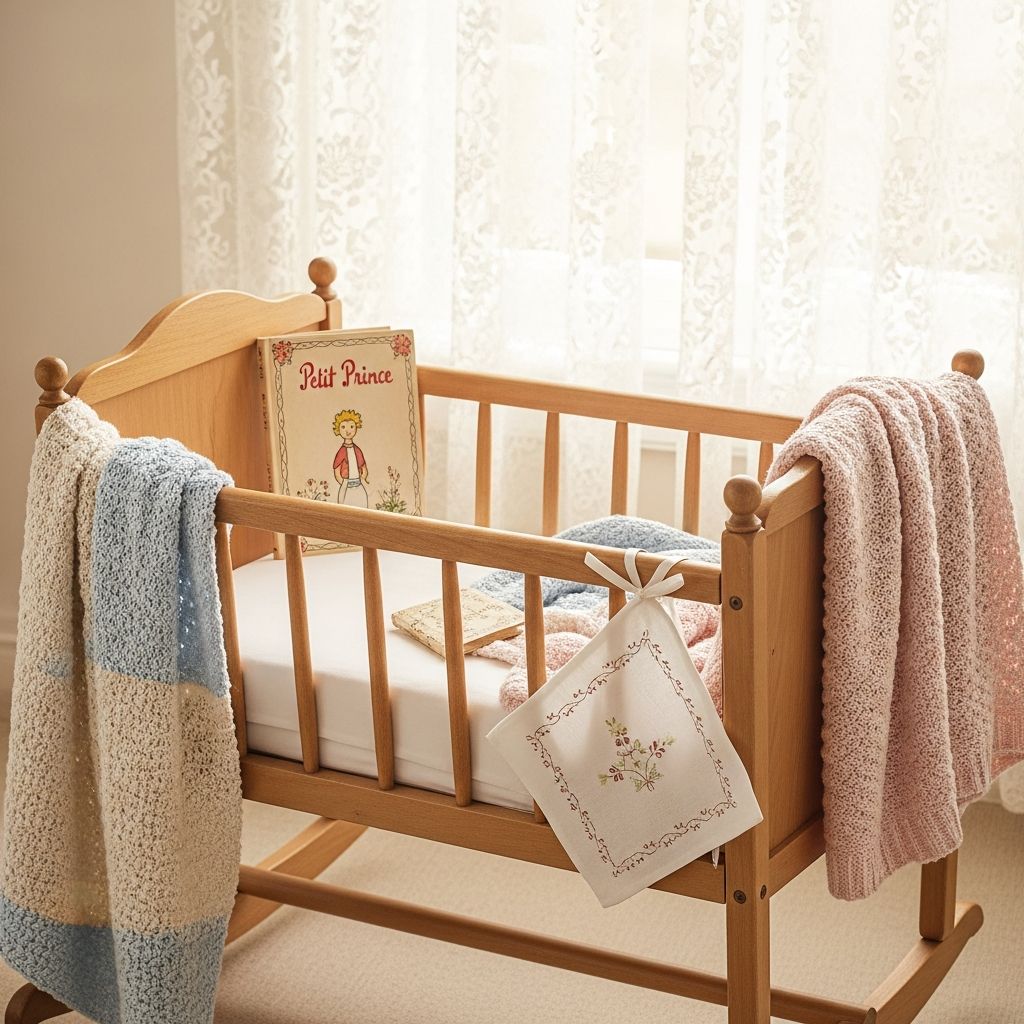
Traditional French surnames carry layers of history, reflecting occupations, landscapes, personal traits, and family lineages from medieval times. These names, once used to identify individuals in growing communities, now offer parents a way to bestow enduring heritage on their children. Whether as first names, middles, or even last names in blended families, they connect babies to France’s vibrant past while fitting seamlessly into contemporary life.
Roots of French Surnames in History
French surnames began forming around the 11th century, primarily to distinguish people sharing common first names in medieval villages and towns. By the 14th century, they became widespread, influenced by royal decrees that standardized naming after 1474, requiring official approval for changes. Many trace back to Germanic invasions, Italian migrations in the southeast, and Latin roots, blending diverse linguistic threads.
Religion played a key role, with Catholic and Jewish traditions shaping choices. Nobles often drew from land holdings, while common folk used practical descriptors. The French Revolution prompted some to adopt simpler names, though many later reverted. Today, these surnames evoke strength, nature, and community, making them appealing for baby naming.
Key Categories of Traditional French Surnames
French surnames typically fall into four groups: patronymic (from ancestors), occupational (jobs), descriptive (traits), and geographical (locations). Understanding these helps parents select names with personal resonance.
Patronymic Surnames: Honoring Lineage
These derive from a father’s or mother’s first name, emphasizing family continuity. They suit babies when parents want to echo generations past.
- Martin: From Latin ‘Martinus,’ linked to Mars, god of war. One of France’s most common, symbolizing resilience.
- Michel: French form of Michael, meaning ‘God-like’ or ‘who is like God.’ A timeless choice for strength.
- Simon: Greek and Hebrew origins, meaning ‘he who hears.’ Popular for its biblical ties.
- Guillaume: From William, signifying ‘protection’ or ‘resolute protector.’ Evokes noble guardianship.
- Gauthier: Means ‘army ruler,’ from Gaelic ‘gaut’ (forest) and Old French elements. Ideal for bold spirits.
Occupational Surnames: Trades of the Past
Reflecting medieval professions, these names highlight societal roles and can inspire a child’s future path.
- Fournier: For bakers using ovens (‘fourneau’). Warm and nurturing connotation.
- Chevrolet: Goat farmer (‘chèvre’). Playful yet grounded in rural life.
- Marchand: Merchant. Suggests commerce and adventure.
- Fèvre or Favreau: Blacksmith from Latin ‘faber.’ Northern and southern variants for crafting skill.
- Lemaire: The mayor, from village leaders. Conveys authority and community service.
Descriptive Surnames: Personal Characteristics
Based on appearance or personality, these add vivid imagery to a baby’s identity.
- Petit: ‘Small,’ from Catalan roots. Endearing for petite bundles of joy.
- Rousseau: ‘Red-haired’ from ‘rous.’ Linked to philosopher Jean-Jacques Rousseau.
- Moreau: ‘Dark-skinned’ or ‘moor,’ northern French origin. Mysterious and elegant.
- Leroy: ‘The king.’ A regal nickname for confident children.
- Corbin: ‘Raven’ or ‘little crow.’ Evokes intelligence and dark beauty.
Geographical Surnames: Ties to the Land
Drawn from places, nature, or features, these root children in France’s diverse terrain.
- Dubois or Du Bois: ‘Of the woods.’ Common locational name, nature-inspired.
- Durand: ‘Enduring,’ from Latin ‘Durandus.’ Associated with steadfast Saint Durandus.
- Fontaine: ‘Fountain.’ Linked to poet Jean de La Fontaine, symbolizing refreshment.
- Dupont: ‘Of the bridge.’ For those near waterways, suggesting connection.
- Roche: ‘Rock.’ Patches rugged landscapes, tied to Saint Roche.
Notable Figures Bearing These Names
Many surnames gained fame through influential people, adding prestige for baby names.
- Durand: Saint Durandus, 12th-century bishop of devotion; mathematician Émile Lemoine (related form).
- Rousseau: Philosopher Jean-Jacques, shaping Enlightenment thought.
- Fontaine: Fabulist Jean de La Fontaine, master storyteller.
- Lemoine: Painter Guillaume and mathematician Émile, artistic and intellectual legacy.
- Granger: Modern nod to Hermione Granger, though rooted in farming.
These connections provide storytelling opportunities, helping children appreciate their name’s legacy.
Modern Trends in Using Surnames as Baby Names
In recent decades, surnames have surged as first names globally, with French ones prized for sophistication. Parents choose them for unisex appeal, uniqueness, and cultural depth. Legal shifts promote gender equality, allowing flexible family naming. In France, common names like Martin top lists, while rarer ones like Archambeau (‘bold’) offer distinction.
Pronunciation matters: Most are phonetic in English (e.g., Du-BWAH for Dubois). Spellings vary regionally—Du Bois vs. Dubois—but standard forms work best internationally.
Choosing a French Surname for Your Baby
Select based on sound, meaning, and family ties. Consider:
- Heritage Match: Does it align with ancestry? Tools like genealogy sites reveal connections.
- Flow with Siblings: Pair with first names, e.g., Martin James or Petit Rose.
- Cultural Fit: Easy to spell and say in your community?
- Future Proofing: Avoid teasing potential; test with relatives.
Discuss with partners and elders for buy-in. These names foster pride in French roots, wherever you live.
Frequently Asked Questions
Can French surnames be used as unisex baby names?
Yes, many like Durand, Petit, and Moreau work beautifully for boys or girls, reflecting France’s evolving gender-neutral trends.
Are there regional differences in French surname meanings?
Indeed, northern names like Fèvre differ from southern Favreau, and southeast ones show Italian influences.
How do I trace if a surname fits my family history?
Use records from 1474 onward; post-Revolution changes add complexity, but patterns like occupations persist.
References
- Exploring French Surnames: A Guide to Unique and Traditional Last Names — MyHeritage Blog. 2025-01. https://blog.myheritage.com/2025/01/exploring-french-surnames/
- French Last Names and Meanings — FamilyEducation. N/A. https://www.familyeducation.com/baby-names/surname/origin/french
- French Last Names: Origins and Meanings — Ancestry Blog. N/A. https://www.ancestry.com/c/ancestry-blog/french-last-names-origins-and-meanings
- 100 Popular French Last Names with Meanings — Talk in French. N/A. https://www.talkinfrench.com/100-popular-french-last-names-with-meanings/
- 100 French Last Names and Surnames With Meanings — Parade. N/A. https://parade.com/1379862/kelseypelzer/french-last-names/