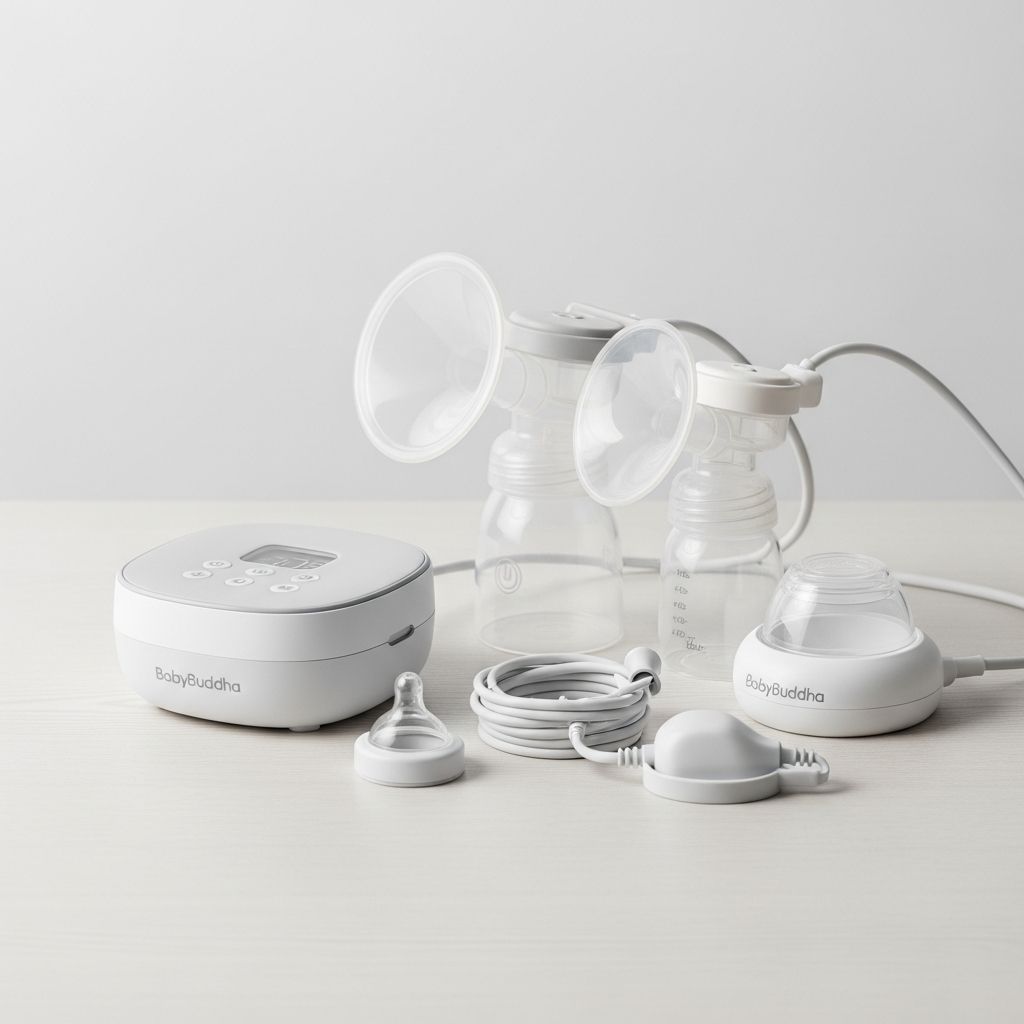
Pumping breast milk is demanding, both physically and emotionally, and the pump you choose can make that journey significantly easier or frustratingly hard. The BabyBuddha breast pump has become a favorite among many parents because it combines strong suction with an ultra-portable, hands-free design that can fit seamlessly into a busy life. This guide walks through what makes the BabyBuddha unique, how it feels to use, and practical tips to decide whether it belongs in your pumping toolkit.
Why Portable, Powerful Pumps Matter
Traditional breast pumps often require you to sit tethered to an outlet, hunched over bottles while life continues on without you. For parents juggling work, older children, or on-the-go schedules, that kind of setup simply isn’t realistic day after day. A compact, wearable pump like the BabyBuddha aims to give you mobility without forcing you to sacrifice output, comfort, or consistency.
Instead of planning your day around a pump, the goal is to let your pump quietly slot into your routine. The more flexible your pumping experience feels, the more sustainable it becomes over weeks and months of feeding your baby.
BabyBuddha at a Glance
At its core, the BabyBuddha is a small, rechargeable, double electric breast pump engineered to deliver strong suction in a compact body. You can wear the pump around your neck with a lanyard or clip it onto your clothing while your flanges and collection bottles or compatible cups do their work under your bra.
| Feature | What It Means for You |
|---|---|
| Compact, lightweight motor | Less bulk in your bag and more freedom to move while pumping. |
| Rechargeable battery | Multiple pumping sessions without hunting for an outlet. |
| Multiple suction modes | Fine-tuned control over comfort, stimulation, and expression. |
| Closed system | Back-flow protection to help keep milk and tubing clean. |
| Single or double pumping | Flexibility to pump one side or both, depending on your needs. |
Core Features and How They Feel in Daily Use
Technical specs only tell part of the story. What most parents care about is how a pump feels, how long it takes to empty, and whether it plays nicely with the rest of their life. The BabyBuddha is often described as surprisingly strong for its size, with a suction pattern designed to mimic the rhythm of a nursing baby.
- Stimulation modes: Shorter, lighter pulls help trigger letdown, especially at the beginning of a session or when power pumping.
- Expression modes: Longer, deeper suction cycles are designed to move milk efficiently once letdown has occurred.
- Fine-tuned levels: Multiple intensity levels within each mode allow you to find a sweet spot that is effective but not painful.
Many users find that starting on a gentle stimulation setting and then switching to a medium-strength expression level works well, rather than immediately cranking the pump to its highest setting. A key mindset shift with BabyBuddha is recognizing that stronger is not always better—comfort is crucial for consistent letdown and long-term success.
Pros and Cons for Different Pumping Lifestyles
No pump is perfect for every single parent, and understanding the trade-offs of the BabyBuddha helps set realistic expectations. Below is a high-level comparison of common strengths and drawbacks.
| Strengths | Potential Drawbacks |
|---|---|
| Very portable body that can be worn discreetly. | Strong suction can feel intense for sensitive nipples at higher levels. |
| Hospital-grade level suction for efficient emptying. | Learning curve to find ideal settings and patterns. |
| Multiple modes and levels to tailor comfort. | Not entirely invisible under clothing when using traditional flanges. |
| Closed system for hygiene and easier cleaning. | Some accessories and replacement parts may need to be ordered online. |
| Works with various flange and collection options. | Cost may be higher than basic, non-portable pumps. |
Consider your personal pumping profile before purchasing: Are you a mostly-at-home pumper, a full-time working parent, or someone exclusively pumping for medical or feeding reasons? The more mobile and frequent your pumping needs, the more the BabyBuddha’s portability and suction strength tend to shine.
Who the BabyBuddha Is Best Suited For
Different families approach pumping with different goals. Some want a compact pump to supplement nursing while traveling, while others rely on their pump for every single feeding. The BabyBuddha can work in many of these scenarios, but it stands out for specific use cases.
- Exclusively pumping parents: The strong suction and double-pumping capability can shorten sessions and help maintain supply with frequent use.
- Working parents: The small size and rechargeable battery are valuable in offices, cars, pumping rooms, or when commuting.
- Parents with older children: Being able to move around, play, or handle household tasks while pumping can be a major sanity saver.
- Those who respond well to stronger suction: Parents who previously used low-power pumps and struggled with output often appreciate the BabyBuddha’s power.
Parents with very sensitive nipples or a history of vasospasm may need to be especially cautious about suction levels and may prefer pumps with more inherently gentle settings. In these situations, a lactation consultant can help evaluate whether the BabyBuddha is appropriate or suggest modifications to make it more comfortable.
Unboxing and What to Expect in the Package
While specific bundles vary by retailer and region, a typical BabyBuddha set includes the main pump motor, flanges, valves, diaphragms, tubing, bottles or connectors, a power adapter or USB charging cable, and a neck lanyard. Some packages may also include a cooler bag, storage bottles, or extra valves and membranes.
Before your first use, it is worth laying everything out on a clean surface, checking that each component matches the instructions, and running through the assembly without turning the pump on. This quick dry run often makes the first real session much less stressful and reduces the chance of leaks or mis-connected parts.
Step-by-Step Setup and First Pump
Getting familiar with the BabyBuddha’s controls early makes each session smoother. While always defer to your manual for precise instructions, the following general sequence illustrates what setup typically looks like.
- Charge the motor fully. Give the battery a solid charge before first use so you can complete multiple sessions without interruption.
- Sterilize and wash parts. Clean and sanitize all parts that come in contact with milk—flanges, valves, diaphragms, and bottles—based on manufacturer and health guidelines.
- Assemble the pump kit. Attach valves and diaphragms to the flanges, connect the flanges to bottles or collection cups, and plug the tubing securely into the motor and the flanges.
- Fit your flanges. Ensure the nipple sits centered in the tunnel with some room to move. Sizing affects both comfort and output.
- Turn on the pump in a low stimulation mode. Start gently to encourage letdown and allow your body to adjust to the sensation.
- Switch to expression mode once milk flows. After letdown, change to an expression pattern at a moderate level and adjust gradually if needed.
- Stop when you feel adequately emptied. For most parents, this is between 15–25 minutes, but it can be shorter or longer depending on supply and routine.
Comfort Strategies and Protecting Your Nipple Health
Because the BabyBuddha is capable of strong suction, comfort must remain the priority. Over-pumping at high levels can lead to soreness, bruising, or damage that ultimately interferes with milk production. The goal is steady, gentle efficiency—not maximum intensity.
- Start every session on a low or medium setting and only increase if you feel completely comfortable.
- Use nipple cream or a small amount of safe, pump-compatible lubricant around the flange tunnel if you experience friction.
- Reassess flange size if you notice rubbing, blanching, or a large portion of the areola being pulled into the tunnel.
- Give yourself breaks between sessions if you feel sore; pain is a signal to adjust your technique, sizing, or settings.
Many parents find it helpful to track discomfort or changes in nipple appearance across a few days of use. If pain continues despite using gentle settings and correct flange sizes, consider pausing the pump and connecting with a lactation professional or healthcare provider.
Cleaning, Sterilizing, and Storing Pump Parts
Keeping pump parts clean is crucial for your baby’s safety and your own peace of mind. The BabyBuddha is a closed system, which means there is a barrier preventing milk from flowing back into the tubing and motor. That design helps keep the interior components dry and reduces the risk of mold or contamination outside the milk path.
For the external parts that do touch milk, a straightforward routine after each use can simplify your day:
- Rinse parts that contact milk with cool water soon after pumping to remove residue.
- Wash with warm soapy water or in a dishwasher basket if parts are labeled dishwasher-safe.
- Allow parts to air-dry fully on a clean rack before reassembly or storage.
- Sterilize according to health recommendations, especially with newborns or premature infants.
Some parents choose to have an extra set of parts on hand so that they can rotate between sessions, reducing time spent washing during busy mornings or workdays.
Maximizing Milk Output with the BabyBuddha
While each body responds differently, several strategies can help you get the most from your BabyBuddha sessions. Remember that output depends on overall milk supply, baby’s nursing, hydration, and hormone levels, not just pump choice.
- Consistent schedule: Pump at roughly the same times each day to signal your body to maintain production.
- Hands-on pumping: Gently massage or compress your breasts before and during pumping to encourage letdown and flow.
- Relaxation cues: Deep breathing, warm compresses, or watching photos/videos of your baby can help trigger letdown.
- Power pumping sessions: Short bursts of pumping with brief rests can mimic cluster feeding and may help boost supply over time.
- Balancing suction and comfort: Use the lowest effective suction level that still empties you well; discomfort can hinder letdown.
Tracking your output in a simple log for a week or two when you first start with the BabyBuddha can provide a clearer picture of whether the pump is working well for you or if adjustments are needed.
Integrating BabyBuddha into Work, Travel, and Daily Life
Where the BabyBuddha really shines is in real-world scenarios where parents are juggling multiple responsibilities. Its small footprint and wearable motor free you from being stuck in one place during every session, which can have an enormous effect on your perception of pumping.
Here are some practical ways families incorporate the BabyBuddha into their routines:
- At work: Keep a small pump bag with your motor, parts, charger, and a cooler. Pump during scheduled breaks in a private room, your car, or another designated space.
- While traveling: Use the rechargeable battery for pumping in airports, train stations, or hotel rooms without relying on convenient outlets.
- At home: Wear the motor around your neck and move about your house, reading, doing light chores, or caring for older kids while pumping.
Because the pump is relatively quiet compared with older, bulkier machines, many people feel comfortable using it while on video meetings or phone calls, as long as they are in a private setting.
Common Troubleshooting Issues and Fixes
Even experienced pumpers occasionally run into hiccups. When something feels off with your BabyBuddha, it is often connected to assembly, wear-and-tear on parts, or settings that no longer match your comfort level.
- Weak suction: Check that valves and diaphragms are correctly installed and not torn, ensure tubing is firmly attached with no cracks, and verify that all connections are airtight.
- Milk in the tubing: Inspect diaphragms for damage or misplacement, disassemble and wash affected parts, and thoroughly dry before reassembling.
- Painful pulling: Lower the suction level, try a different mode, reassess flange size, and shorten the duration of each session while your nipples recover.
- Loud or unusual noise: Confirm that parts are seated properly, bottles are not over-tightened, and the tubing is not kinked or blocked.
If issues persist despite checking these basics, many parents find help by contacting the manufacturer’s support team or seeking input from a lactation consultant who understands the specific model.
Comparing BabyBuddha with Other Pump Styles
Parents often choose between three main categories: full-size plug-in pumps, compact portables like BabyBuddha, and fully wearable pumps that sit entirely inside the bra. Each approach has distinct strengths and limitations.
| Pump Type | Typical Advantages | Typical Drawbacks |
|---|---|---|
| Full-size plug-in pump | Very consistent suction; often covered by insurance; reliable for exclusive pumping. | Bulky; requires an outlet; limits mobility during sessions. |
| BabyBuddha portable pump | Compact; strong suction; wearable motor; combines power with flexibility. | Some learning curve; still uses external flanges and tubing. |
| Fully wearable in-bra pump | Most discreet; no external tubing; easiest to walk around with. | May have weaker suction; battery or motor can be heavier in the bra; sometimes pricier. |
Many families ultimately use more than one pump over the course of a feeding journey—for example, a full-size pump for home or bedside use, plus a BabyBuddha for work, errands, or travel. Thinking in terms of a small “pumping toolkit” rather than a single perfect device can make your decision feel less pressured.
Safety, Maintenance, and Longevity
Like all breast pumps, the BabyBuddha should be used according to the manufacturer’s safety guidelines. Closed-system technology helps protect milk from contact with internal mechanisms, but you are still responsible for monitoring parts and replacing items that show signs of wear.
- Inspect valves and diaphragms regularly; tiny tears can significantly reduce suction.
- Replace parts on a schedule recommended by the manufacturer or sooner if output declines unexpectedly.
- Avoid submerging the motor in water; clean the exterior with a lightly damp cloth as needed.
- Store the pump in a dry, dust-free area to extend the life of the motor and accessories.
With routine maintenance, many parents successfully use the BabyBuddha across multiple children, only needing to purchase fresh parts rather than an entirely new device.
Frequently Asked Questions About the BabyBuddha
Is the BabyBuddha safe for exclusive pumping?
Yes, the BabyBuddha is designed to be strong and consistent enough for exclusive pumping when used with an appropriate schedule and properly fitted flanges. The key is to pump often enough to match your baby’s feeding needs and to monitor your own comfort and supply over time.
How long does the battery typically last?
Battery life varies based on suction settings and session length, but most users can complete several full pumping sessions on a single charge. It is still wise to recharge regularly so you are not caught with a low battery during an important session away from home.
Can I use the BabyBuddha with wearable cups from other brands?
Many parents do pair the BabyBuddha motor with compatible wearable collection cups or third-party flanges, using the appropriate tubing and connectors. When mixing brands, always check size compatibility, follow cleaning instructions for each part, and test at low suction before ramping up.
Is the BabyBuddha noisy?
The BabyBuddha is not silent, but it is typically quieter than older, full-size pumps, especially when worn under clothing. Most parents find that it is discreet enough for use in private offices, cars, or quiet rooms without drawing much attention.
What if the suction feels too strong even at low levels?
If the suction feels intense, start in a gentle mode, shorten the duration of each session, and ensure your flange size is correct. You can also consult a lactation consultant to evaluate your fit and technique; sometimes a small change in positioning or shield size significantly improves comfort.
Is it worth buying if I already have a standard pump?
The answer depends on how valuable portability and shorter, more flexible sessions are to you. Many parents keep their original insurance-covered pump at home and use the BabyBuddha as a secondary, highly portable option for work, errands, or travel.
Final Thoughts: Is BabyBuddha Right for You?
The BabyBuddha breast pump is a compelling option for parents who want the power and efficiency of a hospital-grade style pump in a small, wearable body. Its combination of strong suction, multiple modes, and portable design can dramatically change how pumping fits into daily life, turning it from a scheduled chore into something that works more flexibly around your needs.
As with any breastfeeding or pumping decision, personal comfort, lifestyle, and support systems matter as much as the device itself. Understanding how the BabyBuddha operates, where it excels, and how to use it safely puts you in the best position to decide whether it deserves a spot in your pumping routine—and, if so, how to make the most of it.