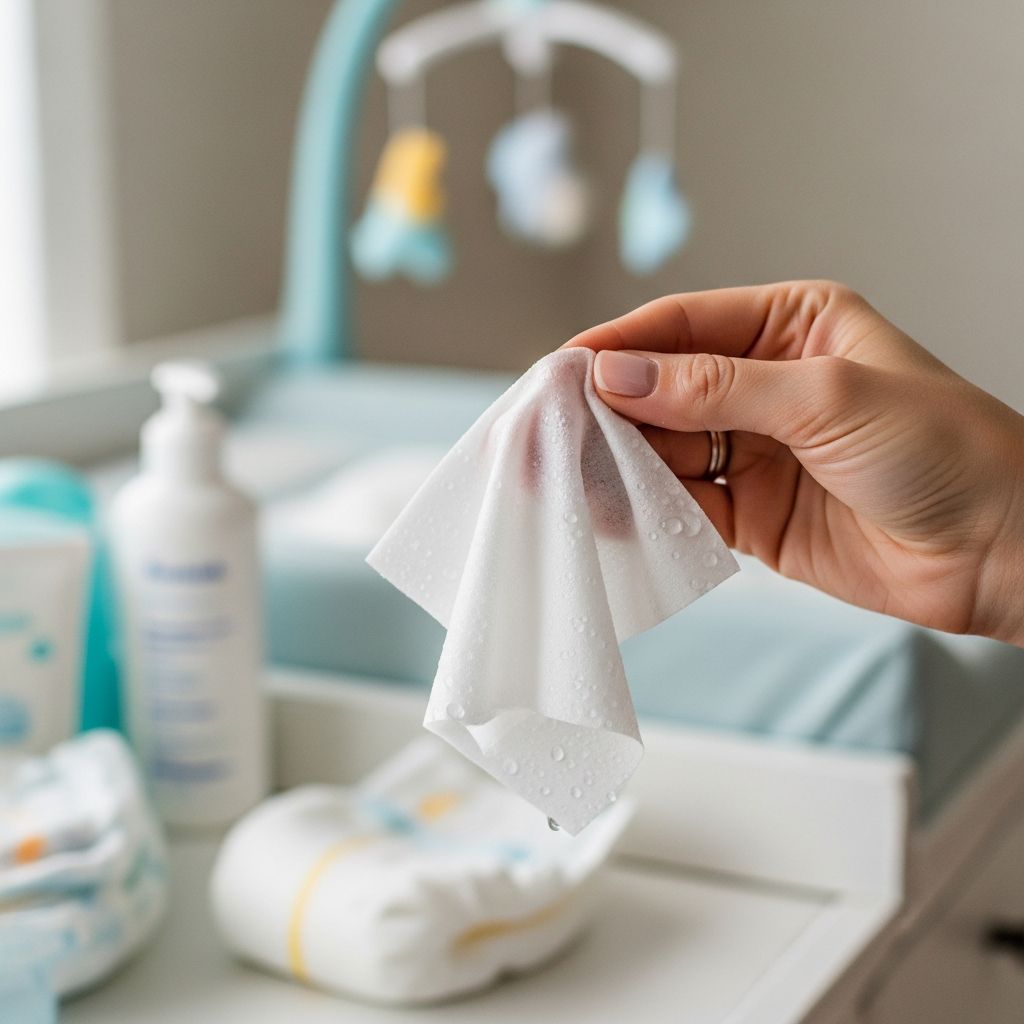
Baby wipes are among the most frequently used products on an infant’s skin, which makes questions about their safety emotionally charged for parents. At the same time, dramatic online claims about contamination or hidden dangers can spread faster than the science that eventually refutes them. This guide explains how baby wipes are typically tested, what “safe” means in this context, and how to respond thoughtfully when concerns arise about a product you use every day.
Why Baby Wipes Safety Matters So Much
Babies have thinner, more permeable skin than adults, especially in the diaper area where moisture, friction, and contact with urine and stool are constant. That combination makes it essential for wipes to be both effective cleaners and exceptionally gentle. Because wipes may be used many times per day, even small irritations or borderline ingredients can turn into ongoing rashes or contact dermatitis if the product is poorly designed or inadequately tested.
- Newborn and premature skin is more vulnerable to drying, barrier damage, and irritation.
- Parents rely on wipes in situations where there is limited water and soap, so wipes may be used on faces, hands, and even minor messes beyond the diaper area.
- Many families choose one brand and use it for months or years, making long-term compatibility just as important as first impressions.
What “Safety Testing” Actually Means
Safety testing for baby wipes is not a single exam that a product passes or fails. Instead, it is usually a structured program involving ingredient evaluation, lab tests, and real-world use studies in both adults and babies. The goal is to demonstrate that the finished wipe is non-irritating, non-sensitizing (unlikely to trigger allergies), and mechanically gentle when used as expected.
- Ingredient safety assessments look at toxicology and exposure levels to confirm that each component stays within conservative safety margins.
- In vitro tests can evaluate eye and skin irritation potential using lab models without involving animals.
- Human patch and use tests place wipes or lotion on the skin repeatedly to look for irritation, redness, or allergic responses over time.
Key Elements Of Baby Wipes Safety Programs
While exact protocols differ between manufacturers, most major brands follow a stepwise approach. This allows companies to catch problems at the ingredient level before moving into tests on finished products, and then to confirm safety in conditions that simulate real-world use.
| Safety Step | What It Involves | Why It Matters |
|---|---|---|
| Ingredient review | Toxicologists evaluate each chemical for allowable concentration and potential risks. | Ensures no single component is unsafe at the level used in the wipe. |
| Formulation assessment | Combination of ingredients is assessed to avoid interactions that increase irritation. | Recognizes that ingredients may behave differently when mixed. |
| In vitro irritation tests | Eye or skin models are exposed to expressed lotion from wipes. | Screens for harsh formulas before testing on people. |
| Adult patch tests | Repeated applications on volunteers’ skin under controlled conditions. | Detects irritation and sensitization at exaggerated exposure levels. |
| In-use baby studies | Parents use wipes during normal diaper changes over days or weeks. | Observes real-world tolerability and skin outcomes in infants. |
| Post-market monitoring | Analysis of complaints, reports, and trends after launch. | Allows for continued safety surveillance and quick response to issues. |
Common Tests Used On Baby Wipes
Different tests address different aspects of wipe use. As a parent, you do not need to memorize acronyms, but recognizing them on marketing materials or technical sheets can help you understand how thoroughly a product has been evaluated.
- Repeated insult patch tests apply the product or its lotion to the same area of skin multiple times to look for delayed allergic responses.
- Cumulative irritation tests check for gradual redness, dryness, or barrier damage that may not show up after one or two uses.
- Mechanical wiping simulations involve repeated swipes on adult forearms using wipes versus cotton cloth and water to compare friction and irritation.
How “Extra” Concerns Get Investigated
Occasionally, social media posts or online articles raise concerns far outside everyday irritation issues, such as allegations of foreign materials or glass-like particles in wipes. These claims trigger extremely focused investigations involving both a company’s internal teams and, in many cases, independent laboratories. Outside labs may examine packaging, run microscopic analyses, and attempt to reproduce the alleged findings under controlled conditions.
- Independent testing typically involves blind samples so analysts do not know which brand or lot they are examining.
- Lab procedures may include visual inspection, filtering expressed lotion, and using polarized light microscopes to distinguish fibers from harder particles.
- Findings are compared against baseline fibers, dust, and manufacturing materials to determine whether true contamination exists.
Interpreting Independent Test Results As A Parent
When independent analysts report that no contamination or hazardous material was found, it does not automatically mean that every wipe will be perfect, but it does indicate that under careful examination, the alleged hazard was not confirmed. For parents, this is a reminder that viral photos or anecdotes need to be weighed against systematic testing that is designed to detect consistent risks rather than one-off, unverified experiences.
- If independent testing reports no evidence of the alleged hazard, panic purchasing or mass product switches may not be necessary.
- At the same time, parents remain free to choose alternatives if their comfort level with a brand has been permanently affected.
Ingredients To Understand (Not Fear)
Baby wipes often generate concern because ingredient lists can look intimidating. Many complex names describe mild preservatives, humectants, or pH adjusters that help keep wipes stable and gentle. Learning the basic function of each category can reduce anxiety and help with more informed comparisons between products.
- Cleansing agents: Usually very mild surfactants that help lift stool and urine residues from the skin.
- Humectants: Ingredients like glycerin that help retain moisture and prevent over-drying.
- Preservatives: Compounds used at low levels to prevent bacterial or fungal growth in the moist environment of a wipe pack.
- Skin conditioners: Ingredients such as plant oils, panthenol, or soothing extracts used to support the skin barrier.
- pH adjusters: Components that adjust the formula closer to skin’s natural pH to support barrier function.
Comparing Types Of Baby Wipes
Parents today can choose from a wide range of wipes: fragrance-free, “water-only” styles, plant-based cloths, or traditional versions with more robust formulations. The best option depends on your baby’s skin, family values, and budget. The table below highlights some differences to consider.
| Wipe Type | Typical Features | Potential Advantages | Potential Trade-offs |
|---|---|---|---|
| Fragrance-free conventional wipes | Standard synthetic or blended substrate; minimal added fragrance; balanced formula. | Good for sensitive skin; widely available; often budget-friendly. | May still contain preservatives or surfactants that some parents prefer to avoid. |
| “Water-heavy” wipes | High water content with very small number of additional ingredients. | Appeal to parents seeking shorter ingredient lists; often marketed for sensitive skin. | Still require some preservatives; may be less robust for heavy soiling. |
| Plant-based or biodegradable wipes | Substrate from plant fibers like bamboo, wood pulp, or cotton. | Perceived environmental benefits; may feel softer to some users. | Can be more expensive; breakdown rates depend on disposal conditions. |
| Specialty wipes (eczema-focused, organic claims) | Formulas aligned with specific certifications or dermatology guidance. | May include barrier-supportive ingredients and avoid common allergens. | Higher cost; not automatically better if your child tolerates standard wipes well. |
How To Read Wipe Packaging Like A Pro
Packaging offers several clues about how thoughtfully a product has been developed. Although marketing claims can be overwhelming, certain features reliably indicate additional attention to safety and testing. Paying attention to structure and context is more helpful than focusing on any single buzzword.
- Look for clear ingredient lists, ideally with common names alongside chemical terms.
- Note any references to pediatrician or dermatologist testing, which often means the product was evaluated in clinical use studies.
- Check whether the package highlights fragrance-free or hypoallergenic formulations if your baby has sensitive skin.
- Scope out any third-party certifications related to skin health, allergies, or environmental claims.
Responding Calmly To Online Safety Scares
When a viral post warns of a possible hazard in a baby product, the emotional reaction often precedes the evidence. To navigate these moments without either dismissing or exaggerating the risk, it helps to have a simple response plan. That plan combines immediate practical steps with a short checklist for evaluating the quality of the claim itself.
- Pause product use if you feel uneasy. Switching temporarily to water and cloth or another trusted brand can give you space to gather information without panic.
- Check for official statements from the manufacturer, regulators, or reputable health organizations.
- Look for independent test reports or investigations that directly evaluate the alleged issue rather than just repeating the story.
- Observe your child’s skin for any signs of irritation, unusual rash, or discomfort.
- Document and report concerns to the brand and, if needed, to your local regulatory authority or consumer safety body.
When To Switch Wipe Brands
Even if a product passes rigorous testing and no broad safety issue is confirmed, your individual baby may not tolerate a specific wipe well. Every child’s skin barrier, microbiome, and sensitivity profile is unique, so there is no one universally “best” wipe. Learning when it makes sense to change brands prevents both overreaction to rumors and underreaction to genuine discomfort.
- Persistent redness, peeling, or rash that improves when you stop using the wipes is a strong signal to switch.
- Burning, stinging, or crying during or immediately after wiping suggests that the formula or texture is irritating.
- History of allergies or eczema may justify choosing extra-gentle or specialty wipes from the start.
Practical Checklist For Choosing Baby Wipes
Parents often face entire shelves of wipes that appear almost identical. Using a short checklist simplifies decision-making while keeping the focus on safety, comfort, and practicality rather than marketing noise. This can also be helpful if extended family or caretakers buy wipes on your behalf.
- Prefer fragrance-free formulas, especially for newborns and babies with sensitive skin.
- Choose products from brands that describe their testing processes, not just their marketing stories.
- Look for wipes with balanced claims: gentle, effective cleaning rather than extreme promises.
- Consider packaging that protects moisture levels and reduces contamination risk, such as flip-top lids.
- Check whether the wipe substrate feels soft and strong enough to handle frequent use without tearing.
Frequently Asked Questions About Baby Wipes Safety
Are baby wipes safe to use on newborns every day?
Many wipes are designed specifically for daily use on newborns and have been tested for repeated application on delicate skin. However, for the first few weeks, some parents prefer using plain water and cotton or cloth for most changes, introducing wipes gradually and watching closely for signs of irritation. If you do use wipes from birth, choose fragrance-free formulas marketed for sensitive or newborn skin.
Can baby wipes cause long-term skin damage?
For most infants, baby wipes that have passed standard irritation and sensitization tests do not cause long-term damage when used as directed. Problems typically arise from individual sensitivities, underlying skin conditions like eczema, or harsh formulations that are not designed for frequent diaper-area use. If you are seeing ongoing redness or changes in skin texture, consulting a pediatrician or dermatologist is wise.
Should I worry about chemical names on the ingredient list?
Chemical names can sound alarming, but many are simply the formal terms for substances that play a useful role, such as preserving the product or keeping skin hydrated. The key is not to avoid every unfamiliar name but to understand whether the ingredient has a strong safety record in baby products and appears at an appropriate concentration. If a particular compound concerns you, checking trusted medical or toxicology resources can provide context beyond social media opinions.
Is it safer to use homemade wipes instead of store-bought ones?
Homemade wipes allow complete control over ingredients and can be a good choice for families willing to manage the extra work. However, they usually lack the controlled preservation systems that keep commercial wipes free of microbial growth throughout their shelf life. Without careful handling, containers of DIY wipes can become contaminated, which may pose a greater risk than a small amount of well-studied preservative in a manufactured product.
What should I do if a wipe seems to contain something unusual?
If you notice particles, unusual fibers, or anything that looks out of place, set that wipe and its packaging aside and do not use them. Take clear photos, record the batch or lot number, and contact the manufacturer’s consumer care team with as much detail as possible. If you remain concerned, you can report the issue to your local consumer safety authority and temporarily switch to another brand or water and cloth while the situation is evaluated.
Empowered, Evidence-Based Choices
Baby wipes can be both deeply ordinary and deeply important: ordinary because they are used hundreds of times without fanfare, and important because they are in direct contact with a baby’s most delicate skin. Understanding how wipes are developed, tested, and monitored helps parents evaluate dramatic claims with a cooler head. Rather than reacting solely to anxiety, families can make choices grounded in evidence, observation of their child’s skin, and their own comfort level with different brands and formulas.