Baby wipe warmers promise cozier diaper changes by taking the chill off wipes before they touch your baby’s skin, but they also take up space, use power, and cost money, so parents often wonder whether they are a smart purchase or just another short-lived gadget.
What Exactly Is a Baby Wipe Warmer?
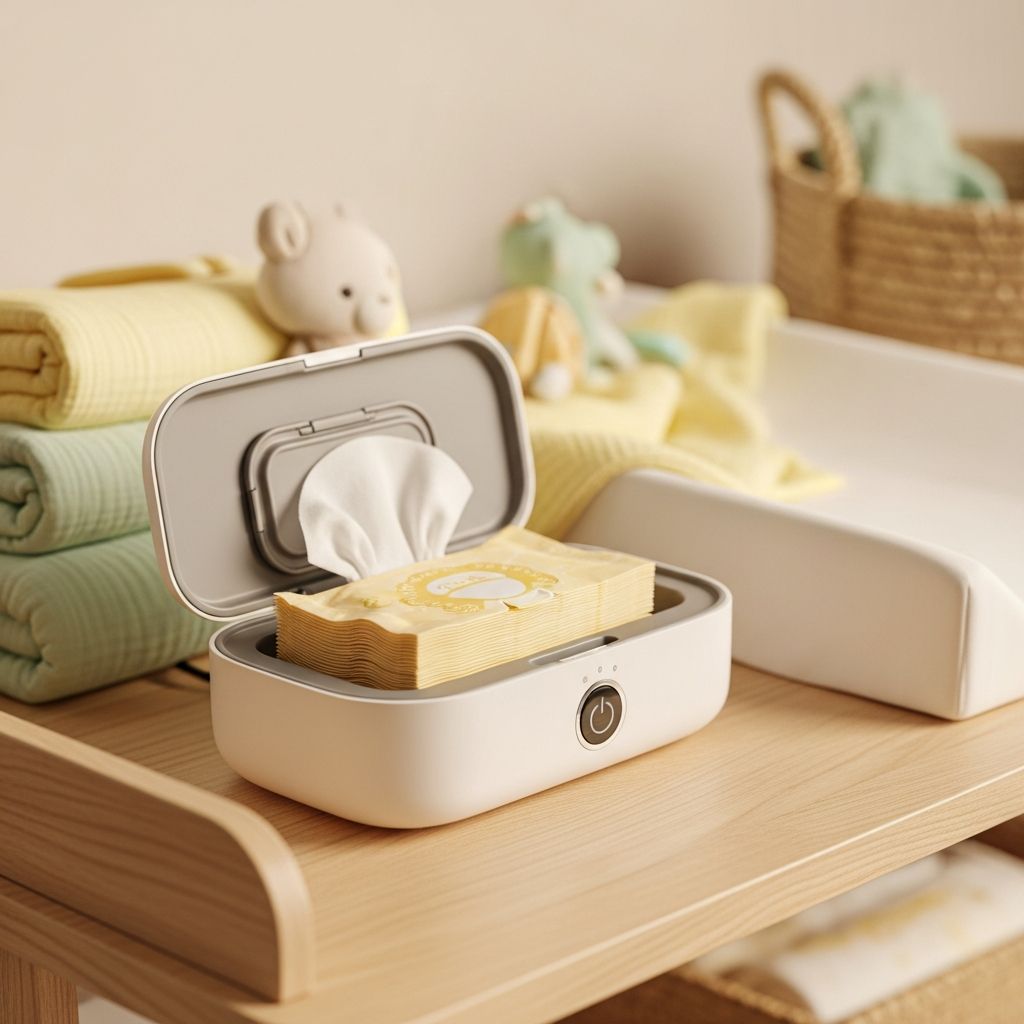
A baby wipe warmer is a small electric container that gently heats a stack of standard baby wipes to keep them at a consistently warm, comfortable temperature.
Most models plug into the wall, hold one full pack of wipes, and use a heating element plus a sealed lid to keep wipes both warm and moist instead of cold and clammy.
How a Wipe Warmer Works (In Plain English)
Inside the warmer, a low-wattage heating plate or warming element raises the temperature of the wipes to a level that feels pleasantly warm to adult skin, not hot, while a tight lid and moisture-retention design prevent the wipes from drying out.
Some warmers heat from the top, some from the bottom, and others aim for more even distribution, though in real-world use the wipes closest to the heating element will usually feel warmest.
- Power source: Most use a simple AC wall plug; portable units may run on batteries or car adapters for travel.
- Moisture control: Rubber or silicone seals, plus optional water reservoirs, help keep wipes from becoming dry or crispy over time.
- Extras: Some models add night-lights, viewing windows, or digital temperature controls to make nighttime changes easier.
Why Parents Consider a Wipe Warmer
The main appeal of a wipe warmer is emotional: a cold wipe on a newborn’s skin can be startling, especially during overnight changes in a cool room, and warm wipes feel more like a gentle cloth than an icy shock.
Parents also appreciate that calmer, less startled babies are often easier to change, which can make frequent nighttime diaper duty feel a bit more manageable.
- Helps reduce the “cold wipe gasp” that can trigger crying in the middle of the night.
- Creates a predictable, cozy routine around diaper changes that can soothe fussy or sensitive babies.
- Feels especially helpful during winter, in drafty homes, or when changing diapers in cooler rooms.
Potential Benefits for Baby and Parent
Warm wipes can be more comfortable on delicate skin, which may help babies stay relaxed and reduce the wriggling, arching, and protesting that sometimes come with a cold wipe surprise.
Although a warmer alone will not prevent every skin issue, keeping wipes moist and gentle can support overall skin comfort alongside frequent diaper changes and a good barrier cream.
Comfort and Calm
- Smoother changes: Warm wipes feel closer to bath water than to a chilly paper towel, which can help diaper time feel like less of a shock.
- Less startle at night: A sleepy baby disturbed by a very cold wipe may fully wake up, while a warm wipe is more likely to keep them drowsy.
- Gentler on newborns: Newborns and preemies with extra-sensitive skin may benefit from avoiding the temperature extremes of cold wipes.
Convenience for Caregivers
- Ready-to-use wipes: Wipes are already warmed, so there is no need to rub them between hands or run warm water over them while juggling a squirmy baby.
- Moisture retention: Warmers designed with good seals can keep wipes fresher and reduce the number that dry out and end up discarded.
- Night-light features: Built-in gentle lights give just enough visibility for changes without blasting the room with overhead brightness.
Drawbacks and Common Concerns
While many parents enjoy using a wipe warmer, it is not an essential item; it adds one more device to plug in, clean, and make space for in an already crowded nursery.
There are also practical considerations, such as the possibility of wipes drying out, mild ongoing power use, and the risk of a baby becoming accustomed to warm wipes only.
- Habituation: Some babies may protest when changed outside the home with room-temperature wipes after getting used to warm ones.
- Maintenance: Warmers need periodic cleaning to prevent buildup and occasional refilling of any internal water reservoir.
- Uneven warming: In many models, the top few wipes feel warmest while the wipes further down may be closer to room temperature.
- Minor running cost: Though energy use is small, the unit does draw power continuously when left on.
Key Features to Look For
If you decide a wipe warmer fits your family, focusing on a few core features will help you choose a model that works smoothly in daily life rather than becoming another frustrating gadget.
Design details like lid seals, heating style, and capacity can significantly affect how warm, moist, and convenient the wipes feel during a 2 a.m. diaper emergency.
| Feature | Why It Matters | What to Look For |
|---|---|---|
| Heating style | Influences how evenly wipes warm and whether the top or bottom dries out first. | Even-heat or dual-sided designs that avoid hot spots. |
| Moisture seal | Prevents wipes from drying into stiff sheets over days of warming. | Silicone or rubber gasket around the lid and tight closure. |
| Capacity | Determines how often you need to refill and whether a full pack fits comfortably. | Space for at least one standard pack, sometimes more. |
| Night light | Makes nighttime changes easier without fully waking baby or caregiver. | Soft, optional light with easy on/off control. |
| Temperature control | Offers customization for different room climates and baby preferences. | Multiple heat settings with clear indicator or digital display. |
| Refill design | Affects how quickly you can add wipes mid-diaper-change. | Flip-top lid or front hatch that opens easily with one hand. |
Safety and Hygiene Tips
Like any heated nursery product, a wipe warmer needs sensible use: it should never make wipes feel hot to the touch, should be kept away from water, and should only be used according to the manufacturer’s instructions.
Good hygiene also matters, because a warm, moist environment can encourage residue buildup if the unit is never cleaned.
- Test wipe temperature on your own wrist before using on your baby if you adjust settings or switch models.
- Place the warmer on a stable, flat surface away from the edge of the changing table.
- Follow any recommended cleaning schedule, such as wiping the interior with a soft cloth and mild soap when you finish a pack of wipes.
- Do not mix different brands or types of wipes with very different thicknesses unless the manufacturer confirms compatibility.
- If your model uses a sponge or water reservoir, refresh the water as instructed to avoid musty smells or mineral buildup.
Is a Wipe Warmer Right for Your Family?
A wipe warmer is a comfort upgrade, not a medical necessity; many families get by perfectly well with room-temperature wipes, while others find warm wipes make a noticeable difference in nighttime calm.
Thinking about your home’s climate, your baby’s temperament, and your own tolerance for extra gear can help you decide whether this is a wise addition or an item to skip.
When a Wipe Warmer Makes Sense
- You live in a cold climate or keep your home on the cooler side, especially at night.
- Your baby seems particularly sensitive to temperature changes or startles easily during diaper changes.
- You already plan a permanent diaper-change station where the warmer can stay plugged in.
- You like small comfort-boosting gadgets and feel confident you will maintain and clean it.
When You Might Skip It
- Your space is very limited and every inch of the changing table is precious.
- You prefer a minimalist setup and do not want to rely on extra electronics.
- You are often on the go and do most changes outside the nursery, making a stationary warmer less useful.
Simple Alternatives to Buying a Warmer
Parents who do not want another device can still soften the shock of cold wipes with a few quick, no-gadget strategies.
These tricks are especially handy when traveling or visiting relatives where a wipe warmer is not available.
- Hold a wipe in your hands for several seconds before use so body heat gently warms it.
- Use a soft, reusable cloth with warm water at home, especially for messy diapers.
- Be sure the nursery is comfortably warm overall, so the temperature difference between wipe and air is smaller.
- Talk or sing to your baby and keep one hand gently on their tummy or legs during changes to provide reassurance.
Frequently Asked Questions About Baby Wipe Warmers
Do baby wipe warmers cause diaper rash?
On their own, wipe warmers do not cause diaper rash; rash usually results from prolonged moisture on the skin, irritation from stool or urine, or sensitivity to ingredients rather than from temperature, and warm wipes may even feel more soothing for some babies.
However, if a warmer dries out wipes or changes their consistency, rubbing too hard with a partially dry wipe could irritate skin, so it is important to ensure wipes stay soft and hydrated.
Will my baby refuse cold wipes later?
Some babies do seem to prefer the familiar comfort of warm wipes and may fuss more when changed with cold wipes unexpectedly, especially if they are tired or the room is chilly.
To keep flexibility, parents can mix in room-temperature wipes during daytime changes or when away from home so the baby experiences both and is less likely to react strongly to temperature changes.
Can I warm reusable cloth wipes?
Many wipe warmers are designed for disposable wipes, but some models are compatible with cloth wipes if the cloths are cut to an appropriate size and not too thick.
Always check the manufacturer’s recommendations before using cloth, because extra-thick fabrics or very saturated cloths may hold heat differently or interfere with the unit’s lid closure.
Is it safe to leave a wipe warmer on all the time?
Most modern wipe warmers are built to be left on continuously and operate at low wattage, but they should be used with a properly functioning outlet away from water and flammable materials.
Parents who are concerned about energy use or safety can unplug the warmer during the day or when not in use, at the cost of waiting a short time for wipes to reach full warmth before the next change.
How often should I clean the warmer?
A practical routine is to give the warmer a quick wipe-down whenever you finish a pack of wipes, paying attention to any corners where residue can collect.
Regular light cleaning prevents buildup and helps the warmer last longer without odors or discoloration inside the reservoir or housing.
Final Thought for Tired Parents
A baby wipe warmer is not a must-have like a safe car seat or a firm crib mattress, but it can be a small luxury that smooths some of the rough edges of round-the-clock diaper changes.
If the idea of warmer, gentler wipes during long nights appeals to you and fits your space and budget, a thoughtfully chosen, well-maintained warmer can become one of those unassuming tools that quietly makes early parenthood feel a bit more comfortable.