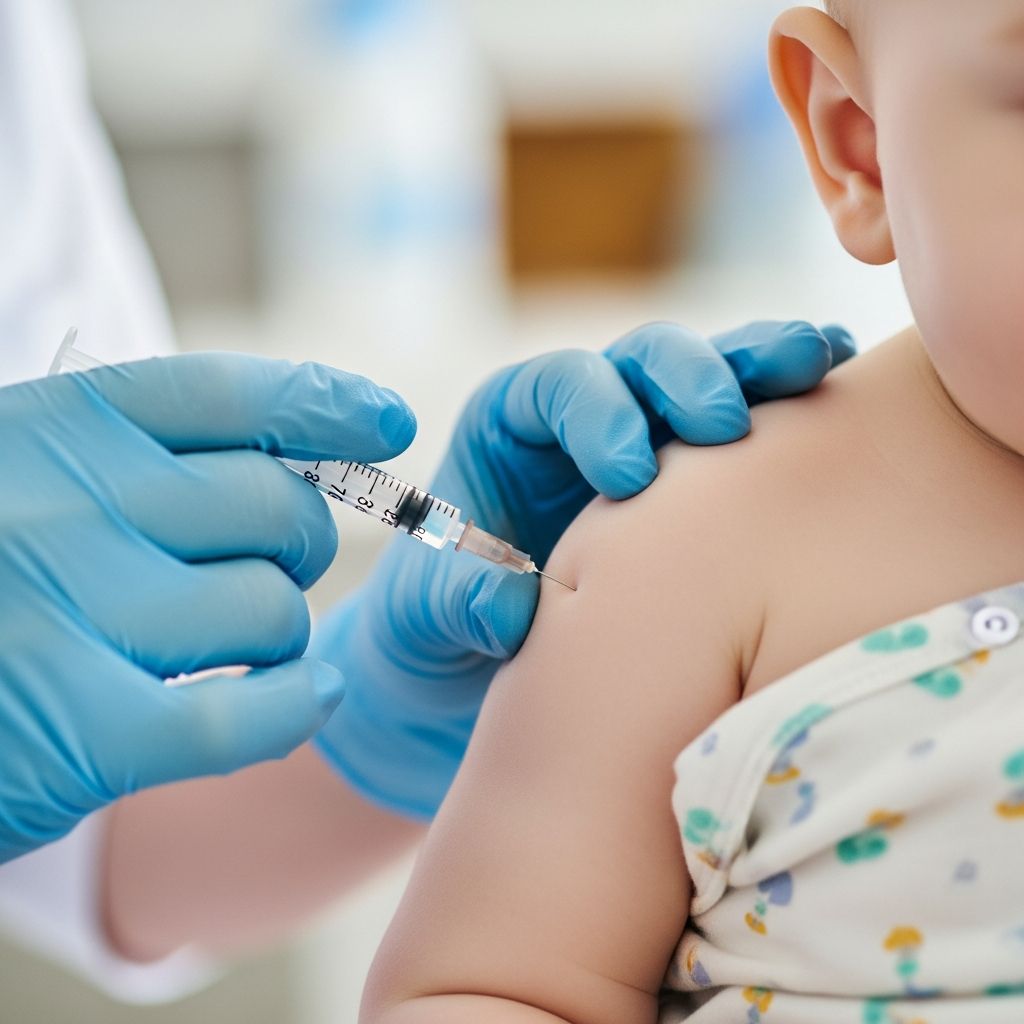
Immunizations form the cornerstone of preventive healthcare for newborns and young children, shielding them from serious illnesses during their most vulnerable stages. By adhering to established schedules, parents can significantly reduce risks of diseases that once caused widespread harm.
Why Vaccinate Your Baby Early?
Newborns enter the world with immature immune systems, making them highly susceptible to infections. Vaccines stimulate the body’s natural defenses, training it to recognize and combat pathogens without causing the full-blown disease. This proactive approach not only protects the individual child but also contributes to community immunity, safeguarding those who cannot be vaccinated, such as infants too young for certain shots or individuals with medical exemptions.
Historical data shows dramatic declines in vaccine-preventable diseases following widespread immunization programs. For instance, vaccines have nearly eradicated polio in many regions and reduced measles cases by over 99% in vaccinated populations. Delaying or skipping vaccines leaves babies exposed during peak vulnerability periods.
Understanding the Core Vaccines for Infants
The immunization lineup for babies targets multiple threats through a series of doses timed to align with immune system development. Key vaccines include those against hepatitis B, diphtheria, tetanus, pertussis, polio, Haemophilus influenzae type b (Hib), pneumococcal disease, rotavirus, and influenza for those six months and older.
- Hepatitis B: Administered at birth, this protects against a liver infection spread through blood and bodily fluids. All infants receive the first dose shortly after birth, regardless of maternal status.
- DTaP: Guards against diphtheria (throat infection), tetanus (lockjaw), and pertussis (whooping cough), with doses at 2, 4, and 6 months.
- IPV: Inactivated polio vaccine, given at 2, 4, and 6-18 months, prevents paralytic polio.
- Hib: Prevents bacterial infections causing meningitis, pneumonia, and epiglottitis; series at 2, 4, 6, and 12-15 months.
- PCV: Pneumococcal conjugate vaccine combats ear infections, pneumonia, and meningitis; dosed at 2, 4, 6, and 12-15 months.
- RV: Oral rotavirus vaccine prevents severe diarrhea; 2 or 3 doses starting at 2 months.
These vaccines are rigorously tested for safety and efficacy before approval, with ongoing monitoring post-licensure.
Standard Vaccination Timeline from Birth to Age 2
Health organizations like the CDC and AAP outline a precise timeline to maximize protection. Here’s a breakdown:
| Age | Vaccines Recommended |
|---|---|
| Birth | Hepatitis B (dose 1) |
| 1-2 Months | Hepatitis B (dose 2, if needed) |
| 2 Months | DTaP (1), Hib (1), IPV (1), PCV (1), RV (1) |
| 4 Months | DTaP (2), Hib (2), IPV (2), PCV (2), RV (2) |
| 6 Months | DTaP (3), Hib (3), IPV (3), PCV (3), RV (3, if needed), Influenza (annually starting at 6 months) |
| 12-15 Months | Hib (4), PCV (4), MMR (1), Varicella (1), Hepatitis A (1) |
| 15-18 Months | DTaP (4) |
| 18 Months | Hepatitis A (2) |
This schedule balances early protection with booster doses to sustain immunity. Combination vaccines reduce the number of injections.
Note: Recent updates as of 2025 have shifted some vaccines like COVID-19 and influenza to risk-based recommendations rather than universal routine use for all children, emphasizing shared decision-making with providers.
How Vaccines Work and Their Proven Safety
Vaccines introduce weakened or inactivated forms of pathogens, or their proteins, prompting the immune system to produce antibodies and memory cells. Subsequent exposures trigger rapid responses without illness. Multiple studies confirm that vaccines given together are as safe and effective as single shots, with no evidence of overload on young immune systems.
Common side effects are mild, such as soreness at the injection site, low-grade fever, or fussiness, resolving quickly. Serious reactions are exceedingly rare—far less common than complications from the diseases themselves. Continuous surveillance by systems like VAERS ensures rapid response to any concerns.
Navigating Catch-Up and Special Circumstances
If a baby misses doses due to illness or other reasons, catch-up is straightforward. Providers assess prior vaccinations and administer needed shots without restarting series, respecting minimum intervals. For preterm infants or those with conditions like asplenia, adjusted schedules apply.
During outbreaks or travel, expedited dosing may be used. Mild illnesses like colds do not preclude vaccination, but moderate to severe sickness warrants delay.
Addressing Parental Concerns and Myths
Many parents worry about vaccine ingredients, autism links, or overwhelming the immune system. Extensive research debunks these: Thimerosal, a preservative removed from most childhood vaccines, has no proven harm at trace levels. Over 20 large-scale studies worldwide show no connection between vaccines and autism.
Spreading out doses is discouraged as it prolongs vulnerability without added safety benefits. Pediatricians are trained to discuss concerns openly, providing evidence-based reassurance.
Practical Tips for Vaccination Visits
Prepare by dressing baby in easy-access clothing, bringing comfort items, and scheduling around naps. Post-vaccination, monitor for fever and use acetaminophen if advised. Track shots via apps or personal health records for seamless continuity.
Free or low-cost vaccines are available through the Vaccines for Children program for eligible families.
Building Community Protection Through Herd Immunity
High vaccination rates prevent outbreaks, protecting vulnerable groups. Recent measles resurgences highlight the dangers of declining rates, underscoring the need for on-time immunizations.
Frequently Asked Questions
Can my baby get vaccines if they have a cold?
Yes, mild illnesses like a runny nose or low fever typically do not delay shots. Consult your doctor for moderate symptoms.
Are combination vaccines safe?
Absolutely; they undergo the same rigorous testing and reduce injection numbers.
What if we missed a dose?
Catch-up schedules exist—your pediatrician will create a personalized plan.
Do vaccines cause autism?
No; numerous studies confirm no link.
Are vaccines free?
Many insurance plans cover them fully; uninsured children qualify for free via VFC.
The Long-Term Impact of Early Vaccinations
Babies receiving full immunizations enjoy fewer doctor visits for preventable illnesses, better growth trajectories, and lifelong protection against some diseases. Investing in this foundation yields dividends in health and reduced healthcare burdens.
In summary, timely vaccinations are a proven, safe strategy to empower your infant’s health. Partner with your healthcare provider to stay on track amid evolving guidelines.
References
- Birth Through Age 18 Immunization Schedule — American Academy of Family Physicians (AAFP). 2025. https://www.aafp.org/family-physician/patient-care/prevention-wellness/immunizations-vaccines/immunization-schedules/birth-through-age-18-immunization-schedule.html
- All About the AAP Recommended Immunization Schedule — American Academy of Pediatrics (AAP). 2025. https://www.healthychildren.org/English/safety-prevention/immunizations/Pages/Recommended-Immunization-Schedules.aspx
- The New Federal Vaccine Schedule for Children: What Changed — Kaiser Family Foundation (KFF). 2026-01-05. https://www.kff.org/other-health/the-new-federal-vaccine-schedule-what-changed/
- Vaccine Schedules | Childhood Vaccines — Centers for Disease Control and Prevention (CDC). 2025. https://www.cdc.gov/vaccines-children/schedules/index.html