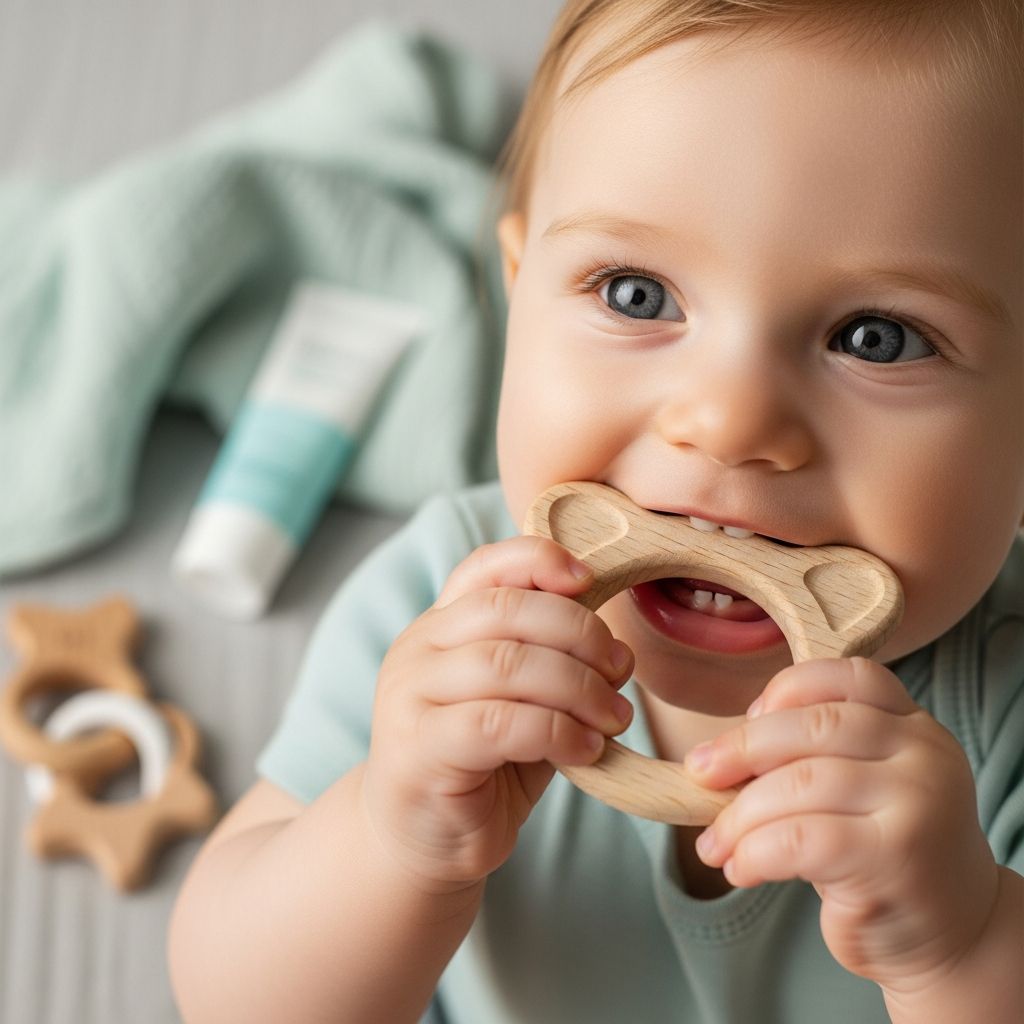
Babies typically begin teething between 4 and 7 months, with the process extending up to age 3 as all 20 primary teeth emerge. This natural milestone involves teeth pushing through tender gums, often causing temporary discomfort that parents can manage effectively with knowledge and gentle care.
Understanding Primary Teeth Development
Primary teeth, also called milk or baby teeth, form in the jaw before birth and play a vital role in speech, chewing, and guiding permanent teeth into position. By around 6 months, the first signs appear as lower central incisors break through, followed by a predictable sequence that completes by 33 months. Variations occur due to genetics, with some infants showing teeth at 3 months and others waiting past their first birthday.
These 20 teeth—10 upper and 10 lower—include incisors for biting, canines for tearing, and molars for grinding. Their arrival supports transitioning from pureed foods to solids, enhancing nutrition and jaw growth.
Detailed Teething Timeline by Tooth Type
Teething unfolds in stages, with teeth erupting symmetrically on left and right sides. Here’s a breakdown:
- Lower Central Incisors: 6-10 months. These bottom front teeth pioneer the eruption.
- Upper Central Incisors: 8-12 months. Top front counterparts follow soon after.
- Lateral Incisors: Upper at 9-13 months, lower at 10-16 months. These flank the centrals for better cutting.
- First Molars: Upper 13-19 months, lower 14-18 months. Back teeth aid in mashing food.
- Canines: Upper 16-22 months, lower 17-23 months. Pointed teeth between incisors and molars.
- Second Molars: Upper 25-33 months, lower 23-31 months. Largest teeth, often most challenging.
| Tooth Type | Upper Jaw (Months) | Lower Jaw (Months) |
|---|---|---|
| Central Incisors | 8-12 | 6-10 |
| Lateral Incisors | 9-13 | 10-16 |
| First Molars | 13-19 | 14-18 |
| Canines | 16-22 | 17-23 |
| Second Molars | 25-33 | 23-31 |
This chart reflects averages; consult a pediatric dentist if no teeth appear by 18 months.
Recognizing Teething Symptoms in Infants
Discomfort peaks 3-5 days before and after eruption, lasting days to weeks per tooth. Common indicators include:
- Excessive drooling, leading to chin rashes
- Chewing on fists, toys, or fingers
- Fussiness, disrupted sleep, or mild fever under 100.4°F
- Red, swollen gums
- Loose stools or mild diarrhea in some cases
Symptoms intensify during molar phases due to size. Track patterns: calm periods alternate with flare-ups until age 3.
Safe and Effective Relief Strategies
Focus on soothing without risks. Pediatricians recommend:
- Cold Relief: Chilled (not frozen) teething rings or clean washcloths for gum massage.
- Gentle Pressure: Rub gums with a clean finger or silicone massager.
- Pain Management: Acetaminophen or ibuprofen dosed by weight after consulting a doctor. Avoid benzocaine gels due to safety risks.
- Distraction: Cuddles, songs, or safe chewables like rubber toys.
- Diet Tweaks: Cold fruits (supervised) for toddlers in later stages.
Steer clear of amber necklaces, which pose choking/strangulation hazards, and unproven remedies.
Teething Stages: What to Expect Month by Month
Early Infancy (0-6 Months)
Dental buds develop in utero; drooling may hint at impending changes. Minimal visible signs.
Initial Eruptions (6-12 Months)
Front incisors arrive amid peak fussiness. Babies gnaw objects as gums swell.
Molar Emergence (13-24 Months)
Larger teeth cause more drool and chewing needs. Sleep regressions common.
Final Push (25-33 Months)
Second molars challenge most; try varied soothers as toddlers grow mobile.
Oral Hygiene from the Start
Care begins with the first tooth: wipe with a damp cloth, then use fluoride-free toothpaste and soft brush twice daily. Floss when adjacent teeth touch. Limit sugar to prevent decay. First dental visit by age 1 establishes preventive habits.
Monitor for issues like prolonged fever, pus, or asymmetry, signaling potential infection.
From Baby Teeth to Permanent: The Full Arc
Baby teeth shed starting at 6 years: central incisors first, second molars last around 12. Mixed dentition features gaps as permanents push through. Healthy primaries ensure proper alignment. Nutrition rich in calcium and vitamin D supports this transition.
Frequently Asked Questions
When does teething typically begin and end?
Teething starts around 6 months (as early as 3 or late as 12) and completes by 3 years.
Is fever a normal teething symptom?
Mild elevation under 100.4°F may occur; higher warrants medical advice.
How can I soothe severe gum pain?
Use cold teething toys, gum rubs, or age-appropriate pain relievers per doctor guidance.
What if my baby has no teeth by 12 months?
It’s often hereditary; see a pediatrician by 18 months.
Are teething gels safe?
Avoid those with benzocaine or lidocaine; opt for mechanical relief.
Nutrition and Habits for Strong Teeth
Introduce solids post-incisors for grinding practice. Avoid bottles in bed to prevent cavities. Breast milk or formula suffices early on. Chewable veggies offer dual nutrition and relief in toddlerhood.
Parental modeling of brushing fosters lifelong hygiene. Regular checkups catch misalignment early.
Teething marks growth; with patience and proper care, it paves the way for confident smiles.
References
- Stages of Teething and Helpful Hints — Kids Dental Online. 2023. https://www.kidsdentalonline.com/dental-topics/baby-dental-topics/stages-teething-helpful-hints/
- Baby Tooth Eruption Chart — Orajel Kids. 2024. https://www.orajelkids.com/en/resources/teething-chart-see-when-your-babys-teeth-will-come-in
- Teething (4 to 7 Months) — American Academy of Pediatrics (healthychildren.org). 2025-01-10. https://www.healthychildren.org/English/ages-stages/baby/teething-tooth-care/Pages/Teething-4-to-7-Months.aspx
- How Long Does Teething Last? — Kid Care Pediatrics. 2024. https://kidcarepediatrics.com/how-long-does-teething-last/
- The Timeline of Baby Teeth — Pediatric Dental Partners. 2023. https://pediatricdentalpartners.com/the-timeline-of-baby-teeth-when-do-they-erupt-and-fall-out/