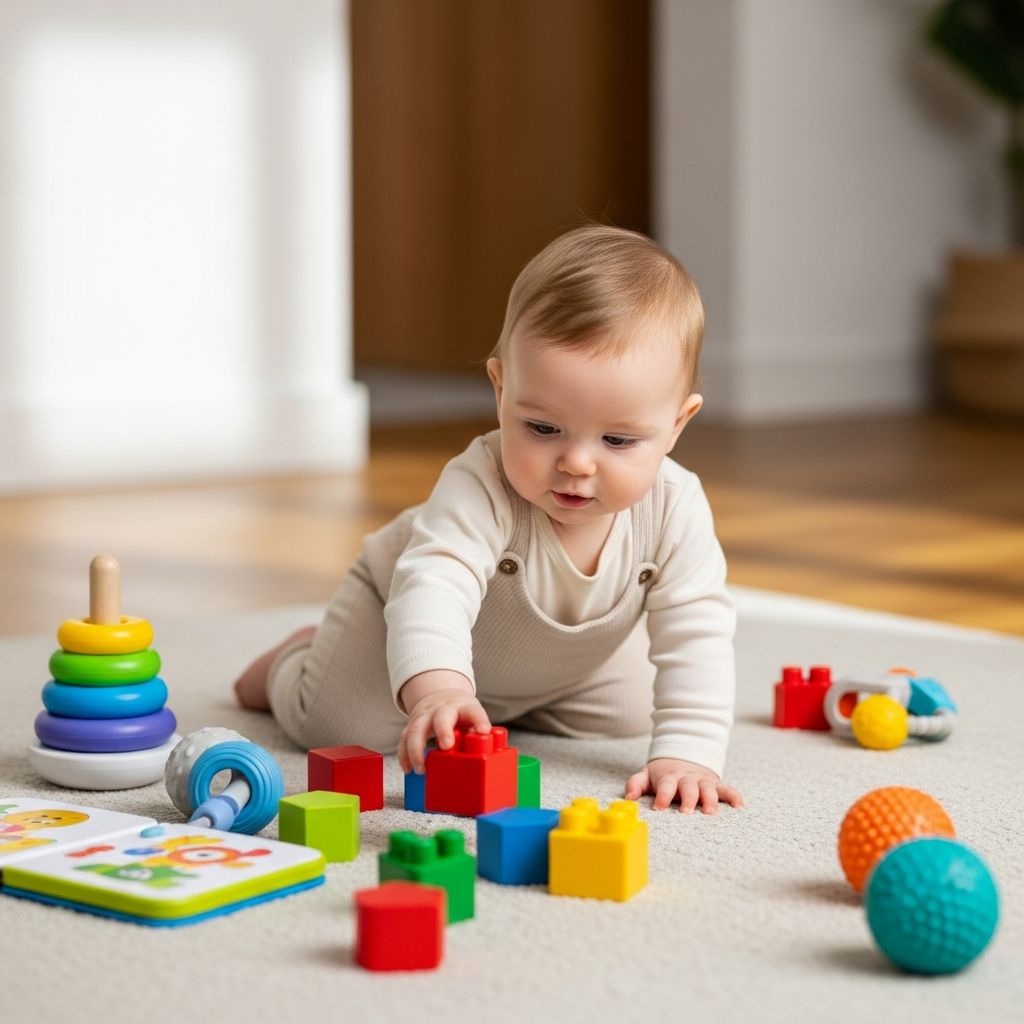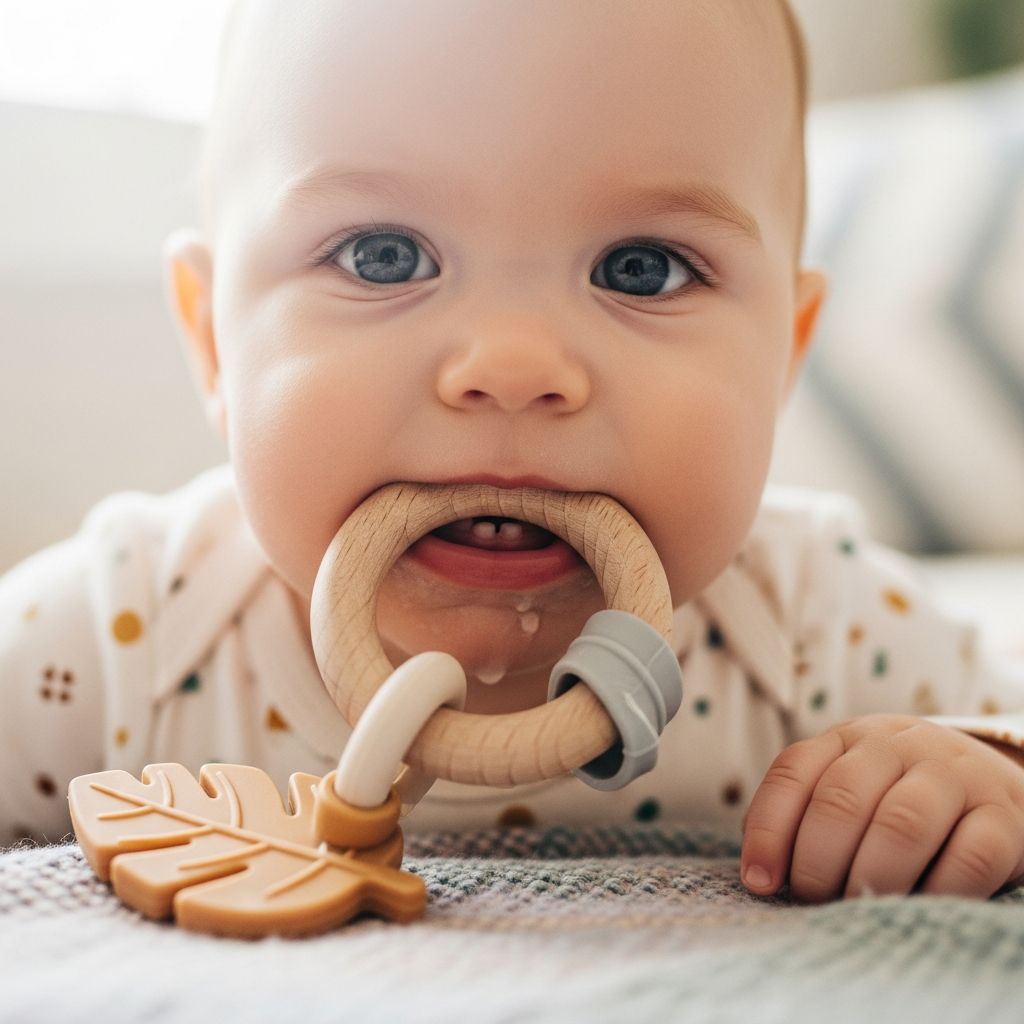
Teething is one of the earliest developmental milestones your baby will experience, and it can be confusing, tiring, and emotional for everyone in the house. This guide explains what teething is, how to recognize it, practical ways to ease your baby’s discomfort, and clear red flags that mean it is time to call a doctor.
What Teething Actually Is
Teething is the process of baby teeth (also called primary or milk teeth) moving up through the gums and into the mouth. These teeth have been forming under the gumline for months before birth, and they gradually erupt in a predictable pattern. By the time teething is complete, most children have 20 primary teeth.
The first teeth usually appear in the front of the mouth, followed by side teeth and then molars. The entire process typically begins in the second half of the first year of life and finishes by about age 3, although there is a wide range of normal timing.
Typical Teething Timeline (Approximate)
Every child is unique, but many follow a general eruption order. Use this as a rough guide, not a strict schedule.
| Tooth Group | Location | Common Age Range* | Notes |
|---|---|---|---|
| Central incisors | Front top and bottom | 4–10 months | Often the first visible teeth; bottom usually appear before top. |
| Lateral incisors | Next to the front teeth | 9–13 months | May cause more chewing and drooling as several teeth appear close together. |
| First molars | Back of the mouth, ahead of second molars | 12–18 months | These are larger teeth and can be more uncomfortable for some children. |
| Canines (cuspids) | Between lateral incisors and first molars | 16–22 months | Sharp, pointed teeth that can make gums look bumpy before they erupt. |
| Second molars | Very back of the mouth | 20–33 months | Usually the last baby teeth to arrive; some kids show more nighttime fussiness. |
*Age ranges are averages. Healthy teeth may appear earlier or later.
Common Signs Your Baby Is Teething
Many babies teethe with very little fuss, while others seem noticeably uncomfortable. The following signs are commonly associated with teething and are usually mild.
Everyday Teething Behaviors
- Increased chewing: Gnawing on hands, toys, or clothing helps relieve gum pressure.
- Drooling: Extra saliva is common and may cause a damp chin, chest, or shirt collar.
- Gum changes: Gums may look slightly red, swollen, or bumpy where teeth are about to break through.
- Mild irritability: Your baby may be fussier than usual, especially in the evening when tired.
- Sleep disruptions: Some babies wake more during the night or have trouble settling due to gum discomfort.
- Changes in feeding: Shorter feeds, more frequent breaks, or temporary disinterest in solid foods.
These signs tend to come and go over a few days around the time a tooth is emerging. If symptoms are severe, long-lasting, or come with high fever or illness, look beyond teething and check with a healthcare professional.
What Is Probably Not Caused by Teething
Because teething often happens at the same age when babies catch many common infections, it is easy to blame every symptom on teeth. Some issues, however, are more likely due to illness than to erupting teeth and should not be dismissed.
- High fever: Teething might coincide with a slight temperature bump, but a high or persistent fever usually points to an infection.
- Severe or prolonged diarrhea: Mild changes in stool can occur as diet changes and saliva is swallowed, but repeated watery stools need medical attention.
- Frequent vomiting: This is not a typical teething symptom and warrants a call to the doctor.
- Rash over much of the body: A small drool rash around the mouth or chin is common; widespread rashes may be unrelated to teething.
- Extreme, inconsolable crying: Teething discomfort should be manageable with comfort measures; unstoppable crying can signal something else.
If you are unsure whether teething is the cause of your baby’s discomfort, trust your instincts and reach out to your child’s healthcare provider for guidance.
Safe Ways to Soothe Sore Gums
The goal during teething is not to eliminate all discomfort (which is rarely possible) but to keep your baby comfortable, hydrated, and able to eat and sleep reasonably well. Simple, low-risk strategies are usually the most effective.
Non-Medication Comfort Techniques
- Chilled (not frozen) teething rings: Cool temperatures help numb the gums slightly and reduce swelling. Avoid freezing solid items, which can be too hard and damage delicate gums.
- Clean, cool washcloth: Wet a washcloth with clean water, chill it in the refrigerator, then let your baby chew on it while supervised.
- Gentle gum massage: Wash your hands thoroughly and use a clean finger to rub your baby’s gums in small, circular motions.
- Extra cuddling and contact: Holding, rocking, and comforting your baby can lower overall distress and help them cope better.
- Distraction: Soft music, reading, a calm walk outside, or a new toy can take your baby’s mind off mild discomfort.
Feeding Adjustments That May Help
- Offer smaller, more frequent feeds: Shorter nursing or bottle sessions can be easier on sore gums.
- Try cooler foods (if age-appropriate): For older babies who eat solids, chilled fruit in a mesh feeder, yogurt, or cold purees can be soothing.
- Watch for biting during feeds: If your baby bites the breast or bottle nipple, gently remove them and try again when they are calmer.
Teething Remedies to Avoid
Some popular remedies may seem helpful but are unsafe or not recommended by medical and dental organizations. Always double-check before trying any product or home remedy.
- Topical numbing gels or creams with strong anesthetics: These can be swallowed and affect the back of the throat, making it harder for babies to swallow safely.
- Products containing benzocaine or similar ingredients: These have been linked with rare but serious side effects in young children.
- Homeopathic teething tablets or drops with unregulated ingredients: The amount of active substances can vary widely, and some have been recalled for safety reasons.
- Amber teething necklaces and bracelets: These pose choking and strangulation hazards and do not have strong scientific evidence of benefit.
- Alcohol-based remedies: Rubbing alcohol or alcoholic beverages on gums is dangerous and should never be used on infants.
When in doubt about any over-the-counter teething remedy, ask your child’s doctor or dentist before use.
When Pain Relief Medicine May Be Appropriate
For some babies, non-medication strategies are enough. Others may still be quite uncomfortable. In those cases, a doctor may recommend a weight-based dose of a children’s pain reliever.
- Never guess the dose: Always use the dosing device that comes with the medicine and follow your doctor’s specific instructions.
- Use for short periods only: Pain relievers are meant for temporary use during particularly difficult stretches, not as a daily long-term solution.
- Do not combine multiple medications without medical advice: Some products contain overlapping ingredients, which can lead to accidental overdose.
If your baby still seems very distressed despite appropriate doses of pain relief, contact a healthcare professional to check for other causes of pain, such as ear infections or throat infections.
Protecting Your Baby’s New Teeth
Teething is about more than getting through a tough few nights. Every new tooth is an opportunity to build healthy habits that protect your child’s smile for years to come.
Daily Oral Care From the Start
- Before teeth appear: Gently wipe your baby’s gums with a clean, damp cloth once or twice a day to remove milk residue.
- After the first tooth: Use a baby-sized, soft-bristled toothbrush and a tiny smear of fluoride toothpaste (about the size of a grain of rice) once in the morning and once before bed.
- Limit sugary drinks: Avoid putting your baby to bed with a bottle of milk or juice, which can cause tooth decay.
First Dental Visit
Dental professionals commonly recommend scheduling a first dental checkup around the time of the first birthday or within six months of the first tooth erupting, whichever comes first. This early visit allows the dentist to check that teeth are developing normally and gives parents a chance to ask questions about brushing, fluoride, thumb sucking, and diet.
Supporting Your Baby Emotionally During Teething
Teething can be the first time you see your baby uncomfortable without a clear way to fix it immediately. Your calm presence makes a big difference.
- Stay consistent with routines: Predictable nap and bedtime habits provide comfort when other things feel off to your baby.
- Respond to cues: If your baby wants extra holding or prefers more quiet time, adjust as you are able.
- Take breaks for yourself: Caring for a fussy baby is demanding. Ask for help, rest when you can, and remember that this phase is temporary.
Red Flag Symptoms: When to Call the Doctor
Most teething discomfort is mild and manageable at home. Certain symptoms, however, should prompt a call to your pediatrician or an urgent evaluation.
Contact a Healthcare Professional If:
- Your baby is younger than 3 months and has a fever.
- Your baby of any age has a high or persistent fever.
- Your baby refuses most feeds for more than a few hours or shows signs of dehydration (very few wet diapers, dry mouth, sunken soft spot).
- Your baby has difficulty breathing, a stiff neck, or appears extremely lethargic.
- You see swelling of the face or jaw, or any area around the teeth looks very red, hot, or painful to touch.
- Your instinct tells you something is seriously wrong, even if you are not sure why.
Teething and illness can happen at the same time, so never hesitate to ask for medical guidance if you feel uneasy about your child’s symptoms.
Teething Myths vs. Facts
Misinformation about teething has been around for generations. Knowing what is myth and what is fact helps you make safer decisions for your baby.
| Common Belief | Myth or Fact? | What Parents Should Know |
|---|---|---|
| “Teething always causes high fever.” | Myth | Teething may coincide with mild temperature changes, but high fever is more likely due to infection and should be checked. |
| “Amber necklaces make teething painless.” | Myth | There is no strong scientific evidence for benefit, and they carry choking and strangulation risks. |
| “Baby teeth don’t matter because they fall out.” | Myth | Healthy baby teeth are crucial for chewing, speech, jaw development, and guiding adult teeth into place. |
| “Some babies barely notice teething.” | Fact | Discomfort levels vary widely. Some children show few or no signs when teeth erupt. |
| “You should start oral care before teeth appear.” | Fact | Cleaning gums early helps remove residue, introduces the routine, and supports long-term dental health. |
FAQs About Baby Teething
1. When should I expect my baby’s first tooth?
Many babies get their first tooth between 4 and 10 months of age, but some start earlier and others later. As long as your baby is growing well and your pediatrician is not concerned, a slightly early or late first tooth is usually normal.
2. My baby is drooling nonstop. Is that always teething?
Drooling increases naturally as babies develop more mouth movement and start exploring objects with their lips and tongue. While drooling often comes with teething, it can also appear simply because the salivary glands are maturing. Focus more on the combination of signs, not drooling alone.
3. Can teething cause my baby to stop eating?
Teething can make sucking and chewing uncomfortable, so some babies temporarily eat less or only want certain textures. Short decreases in interest are usually fine as long as your baby stays hydrated and continues to have wet diapers. If your baby refuses almost all fluids or food for more than a few hours, reach out to your healthcare provider.
4. How can I tell the difference between teething and an ear infection?
Both teething and ear infections can involve ear tugging, fussiness, and sleep issues. Ear infections are more likely if there is fever, notable illness signs, or your baby seems particularly uncomfortable when lying flat. Only a medical professional can look inside the ear and make a diagnosis, so schedule an appointment if you are unsure.
5. When should I worry if my baby has no teeth yet?
A small number of children do not erupt any teeth until after their first birthday. In many cases this is simply a variation of normal development. Mention it at your baby’s regular checkup; your pediatrician can decide whether any further evaluation is needed.
6. Is it okay if my baby bites while breastfeeding during teething?
Biting can happen as babies explore their new teeth or attempt to relieve gum pressure. Calmly remove your baby from the breast when biting occurs, pause the feeding briefly, and then offer the breast again once they are calm. Many babies quickly learn that biting ends the feeding and stop the behavior.
Key Takeaways for Parents
- Teething is a normal, gradual process that most babies handle with only mild discomfort.
- Chewing, drooling, and temporary fussiness are common; high fever, severe diarrhea, or extreme distress are not typical teething symptoms.
- Simple comfort measures like cool teething rings, gentle gum massage, and extra cuddling are usually effective.
- Start oral care early, schedule an infant dental visit, and ask your healthcare team whenever you are unsure whether symptoms are due to teething or illness.
With realistic expectations, safe soothing strategies, and support from your child’s healthcare providers, your family can navigate the teething years with more confidence and less stress.