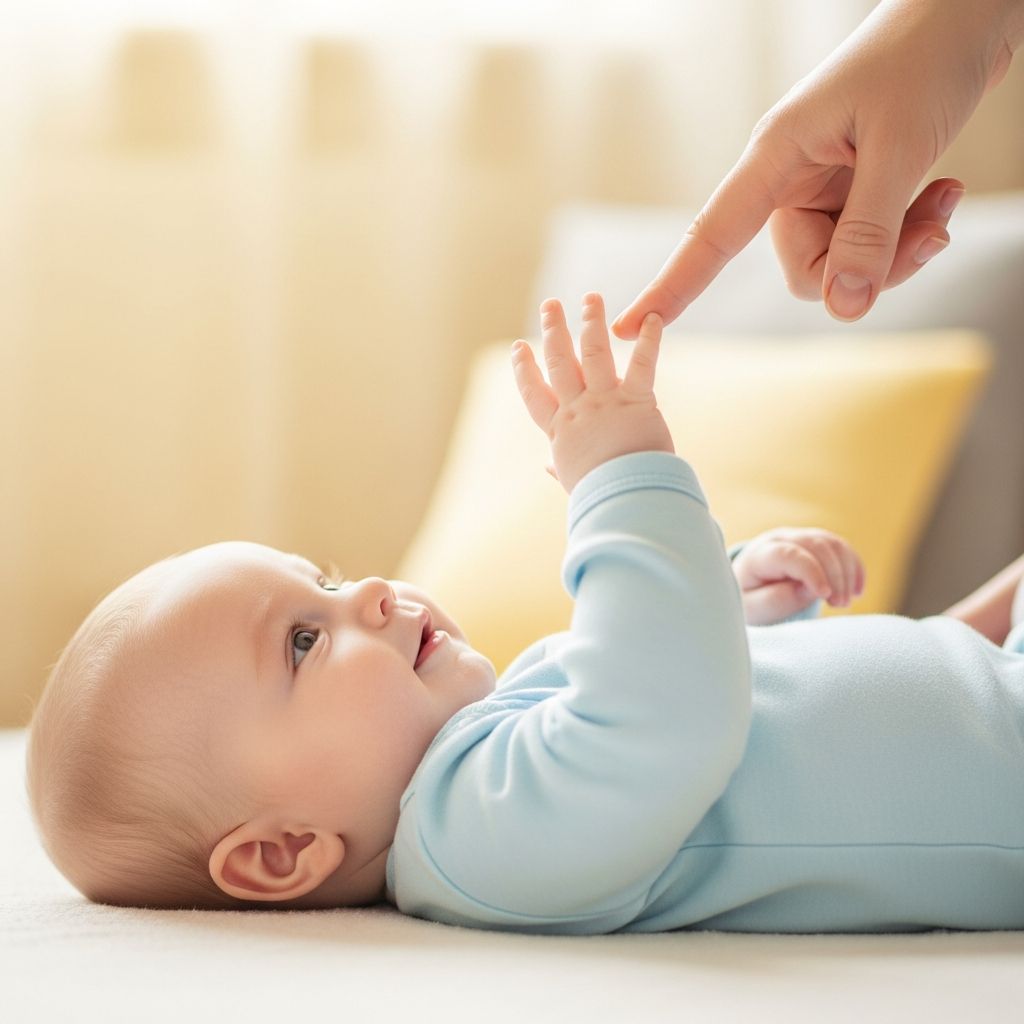
From the moment of birth, babies embark on a profound voyage of emotional and social discovery. This journey shapes their ability to form relationships, regulate feelings, and navigate the world with confidence. Caregivers play a pivotal role by responding sensitively to cues, laying the groundwork for secure attachments that influence lifelong well-being. Understanding these developmental phases empowers parents to support their little ones effectively.
Foundations in the Newborn Phase: Birth to 2 Months
In the earliest weeks, infants enter the world equipped with innate abilities to connect. They exhibit three primary emotions—joy, anger, and fear—through universal facial expressions and cries that signal basic needs. Newborns gaze intently during alert periods, locking eyes with caregivers to initiate subtle interactions. Gentle touch, familiar voices, and scents begin to register, creating the first threads of recognition.
By 1 to 2 months, the landmark **social smile** emerges, a responsive grin triggered by high-pitched parental vocalizations or smiling faces. This milestone marks the onset of intentional social engagement, as babies calm when spoken to or held, distinguishing familiar caregivers from others. Responsive parenting during this window fosters ‘basic trust,’ Erikson’s first psychosocial stage, where consistent soothing builds confidence in the world as a safe place.
- Key behaviors: Widened eyes and rounded mouth during alertness; cries for hunger, discomfort, or closeness.
- Parent tips: Hold skin-to-skin, mimic facial expressions, and respond promptly to cries to reinforce bonding.
These interactions stimulate rapid brain growth in social-emotional regions, including the right brain’s nonverbal areas like the amygdala, which process environmental stimuli and regulate stress.
Emerging Interactions: 2 to 6 Months
As motor skills advance, babies become more active communicators. Around 2 to 3 months, they regulate physiological states better, self-soothing with responsive smiles and coos during ‘turn-taking’ vocal exchanges. Laughter bubbles up in response to playful prompts, and mirror play delights them as they discover their reflections.
By 4 months, infants smile spontaneously for attention, make early sounds, and use body movements to engage. They recognize primary caregivers visually and express joy through robust laughter. Peek-a-boo precursors emerge, teaching object permanence and anticipation. At 5 to 6 months, familiar faces spark joy, while they grab toys, protest when items are removed, and follow gazes, hinting at joint attention.
| Age | Milestone | Caregiver Role |
|---|---|---|
| 2-3 Months | Responsive smiling, self-calming | Establish routines, gentle vocal play |
| 4 Months | Spontaneous smiles, laughter | Mirror games, exaggerated faces |
| 6 Months | Recognizes familiars, grabs for play | Firm yet sensitive responses to distress |
Sensitive, cooperative exchanges help manage tension, strengthening emotional regulation. The limbic system’s myelination enhances conscious emotional processing, deepening caregiver attachments.
Attachment Blooms: 6 to 12 Months
This period cements secure bonds as babies differentiate familiar from unfamiliar. Stranger anxiety surfaces around 6-9 months, manifesting as shyness, clinginess, or distress near outsiders. Infants seek caregivers for comfort, showing separation distress when apart—a sign of healthy attachment.
Joint attention solidifies at 8 months: babies follow a parent’s gaze, then look back to share the moment. Gestures like waving bye-bye and pointing emerge by 12 months, alongside interactive games such as pat-a-cake. They imitate actions, help with simple tasks, and explore with growing independence, always orbiting the secure base of their caregiver.
- Signs of progress: Multiple facial expressions (happy, sad, surprised); responds to name; laughs at peek-a-boo.
- Supporting growth: Narrate emotions (‘You look happy!’), encourage pointing, and reunite calmly after separations.
These dynamics build self-esteem, impulse control, and the neural pathways for lifelong emotional health.
Toddler Autonomy: 12 to 24 Months
Entering toddlerhood, children assert independence while testing boundaries. At 12-18 months, empathy dawns—they mirror distress in others or beam with pride at applause. Pretend play begins, like feeding a doll, and parallel play with peers emerges, though true cooperation lags.
By 18 months, they explore solo but stay near parents, point to interests, and assist in dressing or chores. Defiance appears as they say ‘no’ or resist, manifesting temperament—some bold, others cautious. At 24 months, they notice others’ upset, imitate adults vigorously, and show more self-reliance, using language to voice needs.
Caregiver consistency navigates this ‘individuation’ phase, balancing autonomy with firm limits to channel aggression into problem-solving.
Advanced Emotional Skills: 24 to 36 Months
Now verbal toddlers label feelings, negotiate turns (though possessively), and engage in cooperative, imaginative play. They draw on real-life scenarios in pretend games, express extreme emotions, and use enhanced cognition for conflict resolution. Social awareness grows—they read parental reactions in new situations and comfort peers.
| Skill | Example | Developmental Benefit |
|---|---|---|
| Empathy | Noticing hurt feelings | Builds compassion and relationships |
| Emotion Labeling | ‘I’m mad!’ | Enhances self-regulation |
| Imaginative Play | Feeding doll family | Fosters creativity, social roles |
Preschool readiness shines as they manage friction through sharing and coping strategies, with caregivers modeling healthy expression.
Nurturing Healthy Development: Parental Strategies
Throughout these stages, responsive caregiving is key. Promptly attend to cries, mirror emotions, and provide a safe base for exploration. Monitor milestones during check-ups; delays warrant professional input.
- Daily practices: Read faces together, play turn-taking games, validate feelings.
- Red flags: Lack of smiling by 2 months, no stranger anxiety by 9 months, or extreme withdrawal—consult pediatricians.[10]
Secure attachments predict better self-control, resilience, and academic success. Even in diverse families, attuned responses trump perfection.
Frequently Asked Questions (FAQs)
What is the first social milestone in babies?
The social smile around 1-2 months, responding to caregiver faces or voices.
When does stranger anxiety typically start?
Around 6-9 months, as babies distinguish familiar from unfamiliar people.
How can parents support emotional regulation?
Through consistent, sensitive responses, naming emotions, and modeling calm behaviors.
Is pretend play a sign of healthy development?
Yes, emerging at 18-24 months, it boosts imagination and social understanding.
What role does play have in bonding?
Games like peek-a-boo teach anticipation, trust, and joy in interaction.
Long-Term Impact of Early Bonds
Early social-emotional foundations influence adulthood. Securely attached children develop superior empathy, stress management, and relationships. Brain plasticity peaks in infancy, making nurturing interventions highly effective. Programs like ASQ screen for delays, ensuring timely support.
Parents, celebrate each coo and cuddle—these moments sculpt resilient hearts. By attuning to your baby’s emotional world, you gift them tools for a thriving life.
References
- Developmental Stages of Social Emotional Development in Children — NCBI Bookshelf. 2023-05-01. https://www.ncbi.nlm.nih.gov/books/NBK534819/
- Understanding the Stages of Emotional Development in Children — Rasmussen University. 2023-08-15. https://www.rasmussen.edu/degrees/education/blog/stages-of-emotional-development/
- Social-Emotional Development: Infants and Toddlers — Virtual Lab School. 2024-02-10. https://www.virtuallabschool.org/infant-toddler/social-and-emotional-development/lesson-2
- Social-Emotional Development Guide | ASQ — Ages & Stages Questionnaires. 2021-05-01. https://agesandstages.com/wp-content/uploads/2021/05/ASQSE2-Social-Emotional-Development-Guides.pdf
- Emotional and Social Development, Ages 1 to 12 Months — Alberta Health Services. 2023-11-20. https://myhealth.alberta.ca/Health/pages/conditions.aspx?hwid=ue5463
- Social & Emotional Development for Infants (Birth – 12 Months) — Michigan Kids Matter. 2024-01-05. https://www.michigan.gov/mikidsmatter/parents/infant/social