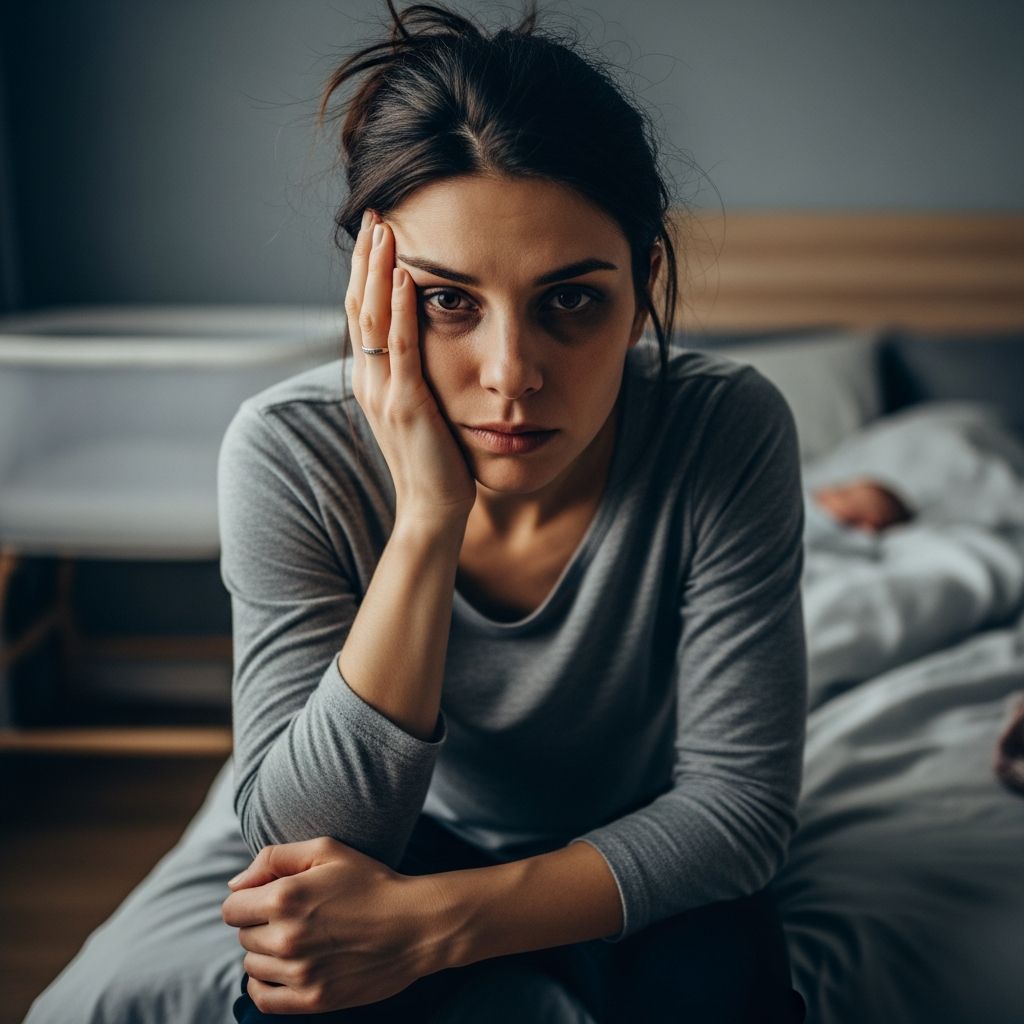
New motherhood brings profound joy alongside relentless challenges, particularly when a baby’s erratic sleep patterns collide with a mother’s fragile mental state. Exhaustion from frequent night wakings can amplify feelings of despair and worry, pushing many into the grip of postpartum depression (PPD) and anxiety (PPA). This article delves into these interconnected issues, highlighting how disrupted sleep acts as both a trigger and magnifier of mental health struggles, supported by scientific evidence and practical recovery steps.
The Hidden Toll of Infant Sleep Disruptions on Moms
Bringing home a newborn often means surrendering to a world of unpredictable nights. While society celebrates the miracle of new life, it rarely prepares mothers for the bone-deep fatigue that follows. When a baby resists long stretches of sleep, parents face hourly interruptions, leading to chronic sleep deprivation. This isn’t mere tiredness—it’s a physiological stressor that rewires the brain’s emotional regulation.
Research shows a direct correlation: mothers of infants with persistent sleep problems report heightened symptoms of depression and anxiety. For instance, poor sleep quality at six months postpartum significantly predicts elevated scores on standardized depression and anxiety assessments, even after accounting for prenatal mood issues. This exhaustion creates a vicious cycle where fatigued moms struggle to soothe their babies, perpetuating the sleep woes.
- Fragmented rest: Babies waking every 45 minutes leave no recovery time, mimicking total sleep loss.
- Hormonal havoc: Post-birth drops in estrogen and progesterone already disrupt sleep cycles; add infant demands, and vulnerability to mood disorders skyrockets.
- Emotional overload: Constant vigilance breeds irritability, self-doubt, and panic over every cry.
One mother’s journey illustrates this starkly. Amid her baby’s unrelenting night wakings, she felt engulfed by hopelessness, her days blurring into a haze of tears and dread. What began as physical weariness morphed into debilitating mental anguish, underscoring how sleep battles can erode a new mom’s resilience.
Unpacking Postpartum Depression and Anxiety Symptoms
Distinguishing between normal adjustment and clinical conditions is crucial. The ‘baby blues’—mood dips, weepiness, and sleep troubles—affect up to 80% of new moms and fade within two weeks. PPD and PPA, however, linger and intensify, impacting 1 in 8 women.
| Condition | Key Symptoms | Duration & Impact |
|---|---|---|
| Postpartum Depression | Severe sadness, hopelessness, loss of interest in activities, appetite changes, excessive fatigue, bonding difficulties, suicidal thoughts | Persists beyond 2 weeks; disrupts daily functioning and infant care |
| Postpartum Anxiety | Constant worry, panic attacks, racing thoughts, irritability, physical tension, hypervigilance about baby | Often co-occurs with PPD; heightens during sleep-deprived nights |
Sleep deprivation exacerbates these, with studies confirming bidirectional links: depression worsens insomnia, and vice versa. Moms may lie awake fretting even when their baby sleeps, trapped in a loop of rumination. Untreated, these disorders strain family bonds and child development, emphasizing early intervention.
How Baby Sleep Woes Ignite Mental Health Crises
Infant sleep regression—common at 4, 8, and 12 weeks—stems from growth spurts, teething, or developmental leaps. For some babies, it’s chronic, with safe sleep practices (back sleeping, no loose bedding) inadvertently prolonging wakings. Exhausted moms internalize this as personal failure, spiraling into guilt-ridden anxiety.
Evidence from longitudinal studies reveals that mothers with poor sleep quality (PSQI scores >5) exhibit 19-37% higher depression and anxiety metrics at six months postpartum. Prenatal mood factors don’t fully explain this; sleep emerges as an independent risk amplifier. Pandemic-era data further notes surging PPA rates amid heightened isolation and sleep pressures.
Consider the real-life spiral: a mom, once vibrant, fixates on her baby’s cries, convinced disaster looms. Her attempts at sleep training backfire, intensifying self-blame. This pressure cooker of expectations—fueled by social media ideals—compounds biological vulnerabilities.
Breaking the Cycle: Effective Strategies for Better Sleep and Mood
Recovery demands a multi-pronged approach. Start with self-compassion: validate that sleep issues are common, not character flaws.
- Prioritize your rest: Nap when baby naps; enlist partners for night shifts.
- Build a support network: Doulas, lactation consultants, or mom groups provide perspective.
- Sleep hygiene basics: Dim lights, consistent bedtime routines for both mom and baby; avoid screens.
- Mindfulness practices: Short meditations reduce anxiety; apps offer guided sessions.
Professional input is pivotal. Cognitive Behavioral Therapy for Insomnia (CBT-I) targets sleep-mood links effectively. Medication, under psychiatric guidance, can lift the fog when therapy alone falls short. One mom found salvation in therapy, reframing her ‘failures’ and reclaiming joy through structured support.
Recognizing When to Seek Urgent Help
Red flags demand immediate action: intrusive harm thoughts, inability to eat or function, or withdrawal from baby. Contact a healthcare provider pronto. Hotlines like SAMHSA offer 24/7 crisis support.
- Suicidal ideation or self-harm urges
- Panic attacks persisting despite rest
- Complete disinterest in baby bonding
- Symptoms worsening over weeks
Screenings via EPDS or PHQ-9 at postpartum checkups catch issues early. Don’t hesitate—help transforms despair into empowerment.
Frequently Asked Questions (FAQs)
Can baby sleep problems really cause postpartum depression?
Yes, chronic sleep deprivation is a key risk factor, strongly linked to worsened PPD and PPA symptoms, independent of prior mood history.
How long do postpartum mood disorders typically last?
Without treatment, months to a year; with intervention, many see relief in weeks.
Is sleep training safe amid maternal anxiety?
Gentle methods work best; consult experts to avoid added stress. Prioritize mom’s mental health first.
What if I can’t sleep even when my baby does?
This insomnia signals PPA; therapy like CBT-I helps break the cycle.
Are there natural remedies for postpartum anxiety?
Exercise, omega-3s, and mindfulness show promise, but pair with professional care for best results.
Long-Term Resilience: Thriving Beyond the Fourth Trimester
Healing extends past symptom relief. Foster routines that nurture all family members: shared naps, outdoor walks, nutrient-rich meals. Track progress in a journal to celebrate small wins. Communities of survivor-moms remind us isolation is the true enemy.
Ultimately, acknowledging the sleep-mental health nexus empowers mothers. By addressing infant sleep compassionately while safeguarding her own well-being, a mom rebuilds her foundation. Stories of triumph abound—yours can be next.
References
- Poor Sleep Quality Increases Symptoms of Depression and Anxiety… — National Library of Medicine (PMC). 2018-10-24. https://pmc.ncbi.nlm.nih.gov/articles/PMC6192841/
- Baby Sleep Training and Postpartum Anxiety — Bella Bambino Care. Accessed 2026. https://bellabambinocare.com/is-the-lure-of-baby-sleep-training-culture-fueling-postpartum-anxiety/
- Jade on Dealing with Her Baby’s Sleep Issues — Motherly. Accessed 2026. https://www.mother.ly/motherhood-understood/jade-on-postpartum-depression-and-anxiety-while-dealing-with-her-babys-sleep-issues/
- Sleep Deprivation and Postpartum Depression — Sleep Foundation. 2023-05-12. https://www.sleepfoundation.org/pregnancy/sleep-deprivation-and-postpartum-depression
- Postpartum depression – Symptoms and causes — Mayo Clinic. 2023-07-11. https://www.mayoclinic.org/diseases-conditions/postpartum-depression/symptoms-causes/syc-20376617
- Resource Hub for Sleep Challenges — MGH Center for Women’s Mental Health. Accessed 2026. https://womensmentalhealth.org/resource-hub-for-sleep-challenges/
- About Postpartum Insomnia — Duly Health and Care. Accessed 2026. https://www.dulyhealthandcare.com/health-topic/about-postpartum-insomnia