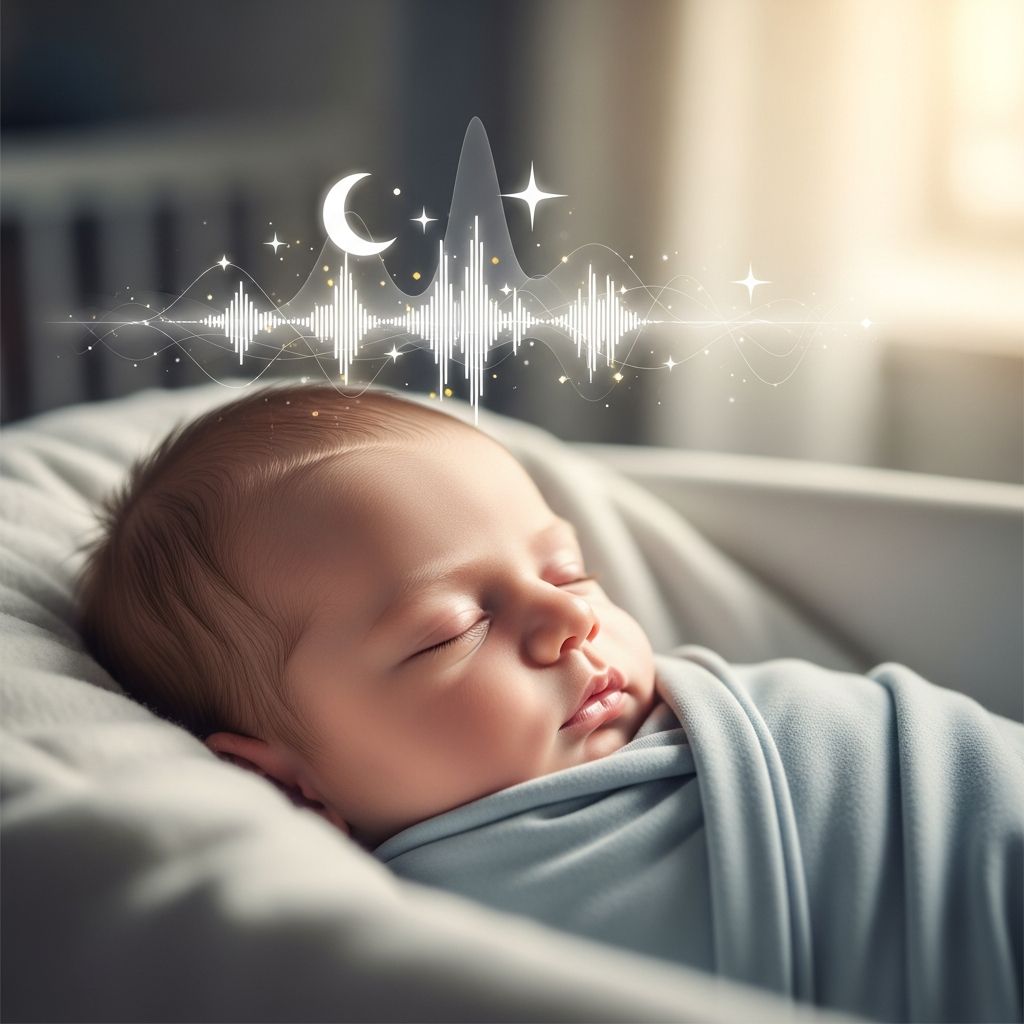
Newborns often produce a variety of sounds during sleep, from soft grunts to louder snores, which can alarm new parents. These noises typically stem from their immature respiratory, digestive, and neurological systems as they adapt to life outside the womb.
Understanding the Science Behind Baby Sleep Noises
Infants enter the world with underdeveloped body systems that continue maturing rapidly. Their small airways, tiny nasal passages, and active digestive processes create audible effects during rest. Unlike adults, who experience longer, quieter deep sleep phases, babies cycle through shorter periods of active and quiet sleep, leading to more frequent movements and sounds.
During **active sleep**, which dominates newborn rest (comprising up to 50% of their sleep time), babies exhibit rapid eye movements, irregular breathing, and subtle vocalizations. This phase mimics REM sleep in adults and is crucial for brain development. As they transition between cycles every 30-50 minutes, partial arousals produce grunts or sighs, ensuring airway patency and temperature regulation.
Common Types of Sleep Sounds and Their Causes
Babies produce distinct noises, each linked to specific physiological processes. Here’s a breakdown:
- Grunting and Groaning: These low-pitched sounds occur as infants exert effort to exhale against partially closed airways, stabilizing lung expansion. Digestive activity, like processing milk or expelling gas, also contributes, especially post-feeding.
- Snorting and Snoring: Narrow nasal passages amplify airflow over mucus or saliva, creating rattling or whistling. Newborns are obligate nose breathers, so even minor congestion turns quiet breaths noisy.
- Squeaking or Stridor: High-pitched wheezes signal floppy laryngeal tissues vibrating during inhalation, common in early infancy.
- Gurgling and Rattling: Residual milk in the throat or excess saliva produces bubbling sounds, as babies lack the coordination to swallow efficiently while asleep.
- Hiccups and Sighing: Diaphragm spasms from feeding or incomplete burping lead to rhythmic interruptions, resolving naturally.
| Sound Type | Primary Cause | Typical Duration |
|---|---|---|
| Grunting | Digestive effort or airway stabilization | Intermittent, fades by 3-6 months |
| Snoring | Nasal congestion or small airways | Common in first weeks, improves with growth |
| Stridor | Laryngomalacia | Peaks at 4-8 weeks, resolves by 12-18 months |
| Gurgling | Throat secretions | Short episodes post-feed |
Respiratory Development and Noisy Breathing
Newborn lungs hold less air volume, prompting faster, shallower breaths—up to 60 per minute compared to adults’ 12-20. Irregular patterns, with clusters of quick inhales followed by pauses, are normal. Saliva pooling in the hypopharynx creates gurgles, as infants can’t clear it voluntarily during sleep.
Congestion exacerbates issues; even dry air irritates delicate membranes, causing whistling. Colds introduce swelling and mucus, amplifying snores. Preterm babies may grunt more due to underdeveloped chest muscles, but noise levels don’t correlate directly with gestational age.
Digestive Factors Influencing Sleep Sounds
An infant’s gut is a busy organ round-the-clock. Recent feeds lead to peristalsis, gas passage, and bowel movements, manifesting as groans or sighs. Unlike adults, babies rarely burp asleep, so trapped air causes discomfort noises. Reflux episodes produce wet gurgles, while straining for stool elicits grunts.
Immature sphincters allow milk to reflux into the esophagus, irritating airways and prompting coughs or wheezes. These sounds peak after feeds but diminish as the digestive system matures around 3-4 months.
When Noises Signal Laryngomalacia or Other Issues
Laryngomalacia affects up to 75% of infants with noisy breathing, where soft supraglottic tissues collapse inward during inhalation, causing stridor. It’s benign, worsening when supine or agitated, and self-resolves in 90% by 18 months. Monitor for feeding difficulties or weight gain issues.
Other concerns include choanal atresia (nasal blockage) or tracheomalacia, but these are rarer. Persistent grunting with retractions (chest sinking) or cyanosis warrants evaluation.
Age-Related Changes in Sleep Acoustics
Noises peak in the first 6-8 weeks, then taper as airways enlarge, gut flora stabilizes, and sleep consolidates. By 3 months, deep sleep lengthens, reducing arousals. Full-term babies quiet faster than preemies, whose noises may linger until corrected age matches term.
Practical Strategies for Managing Noisy Nights
- Use a humidifier to moisten air, easing congestion.
- Elevate the crib mattress head slightly (under mattress) for reflux.
- Ensure safe sleep: back sleeping on firm surface, no loose bedding.
- Burp thoroughly post-feed; offer pacifiers to aid swallowing.
- Clear nasal passages with saline drops and bulb syringe before bed.
White noise machines mask sounds, promoting parental sleep without disturbing baby cycles.
Distinguishing Normal from Concerning Noises
Most sounds are harmless, but consult a pediatrician if:
- Noises accompany rapid breathing (>60/min), flaring nostrils, or grunting at rest.
- Feeding/weight issues or lethargy present.
- Stridor persists beyond 2 weeks or worsens.
- Apnea spells (>20 seconds) or color changes occur.
Routine checkups track development; most pediatricians reassure based on exam.
Frequently Asked Questions
Is grunting during sleep normal for newborns?
Yes, grunting helps babies maintain lung pressure and process digestion. It typically decreases after 2-3 months.
Why does my baby snort like a pig while sleeping?
This results from nasal airflow over mucus in small passages. Saline rinses help.
Can sleep noises indicate reflux?
Yes, gurgling or positional grunting post-feed may signal GERD. Track patterns and discuss with your doctor.
When does laryngomalacia improve?
Symptoms often peak at 4-8 weeks and resolve by 12-18 months without intervention.
Should I wake my noisy sleeping baby?
No, unless distressed. Interventions risk disrupting cycles; let them self-soothe.
Long-Term Outlook for Quieter Sleep
As babies grow, anatomical changes—wider airways, stronger muscles—silence most noises. By 6 months, consolidated nighttime sleep emerges, aligning closer to adult patterns. Parental familiarity reduces anxiety, fostering better family rest.
Embrace these symphony-like nights as signs of healthy development. Tracking via apps or journals aids discussions with providers.
References
- Baby Grunting in Their Sleep? Panting? Snoring? Here’s Why — Cleveland Clinic. 2023-05-15. https://health.clevelandclinic.org/baby-grunting-in-sleep
- Baby Sleep Noises: What’s Normal and What’s Not — Healthline. 2024-08-20. https://www.healthline.com/health/baby/baby-sleep-noises
- Baby grunting and other sleep sounds: Tips for better rest — Huckleberry. 2023-11-10. https://huckleberrycare.com/blog/baby-grunting-and-other-sleep-sounds-tips-for-better-rest
- Why is My Baby Noisy When They Sleep? — Safe Sleep Space. 2024-02-28. https://www.safesleepspace.com.au/blogs/news/why-is-my-baby-noisy-when-they-sleep
- Baby Sleep Noises: Why They’re So Adorable and What They Mean — Ollie World. 2023-09-12. https://theollieworld.com/blogs/the-ollie-blog/baby-sleep-noises-why-they-re-so-adorable-and-what-they-mean