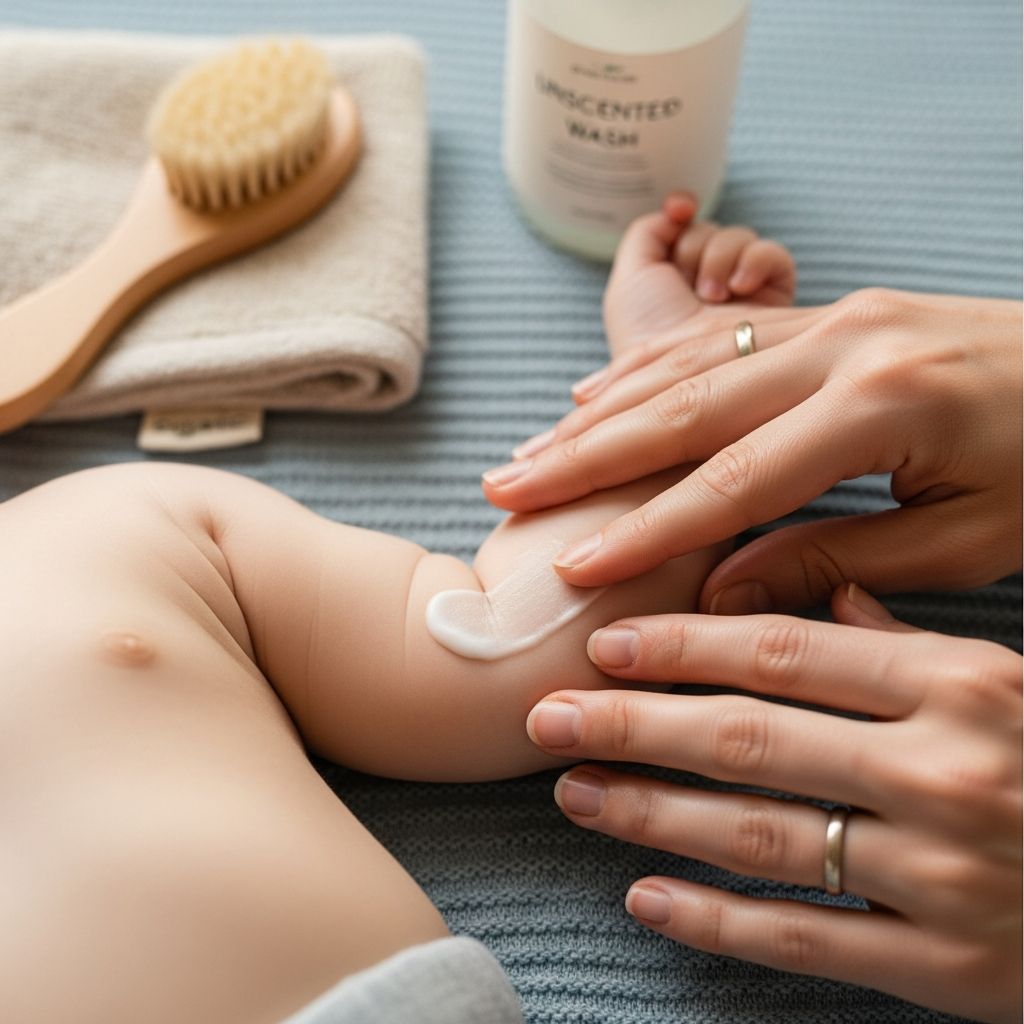
Baby skin requires gentle handling due to its thin structure and developing barrier, which makes it susceptible to dryness and irritation. Establishing a simple routine focused on hydration, minimal cleansing, and protection promotes long-term health.
Understanding Infant Skin Characteristics
Newborn skin is approximately 30% thinner than adult skin and features an immature protective layer, leading to higher risks of moisture loss, sensitivity, and rashes. This vulnerability peaks in the first weeks, with common issues like peeling or dryness around extremities. The World Health Organization advises delaying the first full wash for at least 24 hours post-birth to preserve natural oils that safeguard against infection.
As babies grow, their skin barrier strengthens around 6-12 months, but it remains delicate compared to adults. Factors such as pH imbalance—newborn skin is neutral while adult skin is acidic—further emphasize the need for fragrance-free, hypoallergenic products to avoid disrupting this balance.
Daily Bathing Practices for Healthy Skin
Limit baths to 2-3 times weekly for newborns to prevent stripping essential oils, using lukewarm water (around 37°C or 98.6°F) for 5-10 minutes. Opt for sponge baths initially if the umbilical cord hasn’t fallen off. Employ mild, soap-free cleansers sparingly, focusing on folds, diaper area, and neck where sweat accumulates.
- Pat dry gently instead of rubbing to minimize friction.
- Avoid hot water, which can cause heat rash or dryness.
- For daily cleaning, use no-rinse water-based cleansers on face and hands.
Post-bath, apply moisturizer within 3 minutes while skin is damp to seal in hydration effectively.
Moisturizing Fundamentals
Hydration is paramount as infant skin loses moisture rapidly. Select thick, fragrance-free lotions or creams containing ceramides, shea butter, or plant oils like sweet almond to reinforce the skin barrier. Apply daily after baths and as needed, especially on dry-prone areas like elbows, knees, and cheeks.
| Age Group | Recommended Frequency | Key Ingredients |
|---|---|---|
| Newborn (0-1 month) | After every bath + 1-2x daily | Ceramides, hyaluronic acid |
| Infant (1-6 months) | 2x daily | Shea butter, vitamin E |
| Toddler (6+ months) | 1-2x daily, more in dry seasons | Coconut oil, natural emollients |
In winter, incorporate a humidifier to maintain indoor humidity at 40-60%, reducing chapping from dry air.
Diaper Area Protection Strategies
Frequent changes—at least every 2 hours or immediately when wet—prevent irritation from prolonged exposure to moisture and waste. Clean with lukewarm water and soft cloths; skip scented wipes. Apply a zinc oxide-based barrier cream (10-40% concentration) after each change to create a protective shield.
- Allow diaper-free time (10-15 minutes several times daily) for air circulation.
- For rolls and creases, use powder-like creams to absorb excess moisture.
- Monitor for redness; early intervention with thicker ointments halts rash progression.
Addressing Common Skin Conditions
Diaper Rash Management
This affects up to 35% of infants monthly, stemming from moisture, friction, or yeast. Treatment involves barrier creams with non-nano zinc oxide, which soothes and protects without stinging. Severe cases may require antifungal additions; consult a pediatrician if persisting beyond 3 days.
Eczema Control
Characterized by itchy, inflamed patches, eczema impacts 10-20% of infants. Use emollient-rich creams like those endorsed by the National Eczema Association, avoiding triggers such as fragrances or wool. Short, lukewarm baths followed by immediate moisturizing reduce flare-ups.
Cradle Cap and Baby Acne
Cradle cap, a harmless scalp buildup, resolves with gentle oil massages and soft brushing. Baby acne, hormonal pimples peaking at 2-4 weeks, self-resolves; resist picking and use no spot treatments.
Heat Rash and Milia
Heat rash appears as tiny red bumps in warm, humid conditions—dress in breathable cotton layers. Milia, small white cysts, fade naturally without intervention.
Seasonal Skin Care Adjustments
Summer Protections
Shield from UV with mineral-based SPF 30+ sunscreens (zinc/titanium dioxide) after 6 months; reapply every 2 hours outdoors. Keep cool to avert prickly heat, using lightweight clothing.
Winter Defenses
Combat dry air with ointments on exposed cheeks and lips. Layer breathable fabrics; avoid over-bundling to prevent overheating rashes. Use lip balms for chapped mouths.
Product Selection Criteria
Prioritize EWG-verified, pediatrician-tested items free of parabens, sulfates, dyes, and essential oils. Check for pH 5.5-6.0 matching baby skin. Patch-test new products on inner arm for 24-48 hours.
- Look for seals from AAP or similar bodies.
- Organic options with minimal ingredients reduce allergy risks.
- Avoid adult products, even “natural,” due to higher concentrations.
Monitoring and Professional Guidance
Daily skin checks detect issues early: note persistent redness, weeping, or fever. Seek pediatric dermatologist advice for unexplained rashes or family eczema history. Vaccinations and allergies influence skin resilience.
Frequently Asked Questions
When should I start using sunscreen on my baby?
For infants under 6 months, prioritize shade and clothing; use SPF after that, applying 15 minutes pre-exposure.
How often should I bathe my newborn?
2-3 times weekly suffices; daily sponge baths for spot cleaning prevent over-drying.
Is petroleum jelly safe for baby skin?
Yes, fragrance-free versions occlude moisture effectively and suit barrier needs.
What causes cradle cap and how to treat it?
Sebaceous gland overactivity; soften with mineral oil, then brush gently.
Can I use baby lotion every day?
Absolutely, especially thicker ones for dry climates to maintain barrier function.
Long-Term Skin Health Tips
Consistent routines build resilience. Introduce diverse foods post-6 months to support barrier development via nutrients like omega-3s. Hydrate via breastfeeding/formula, indirectly benefiting skin.
By age 2, skin nears adult-like function, but early habits prevent issues like atopic dermatitis later.
References
- Skincare 101: Our Tips to Care for Your Baby’s Skin in the First 7 Days — CeraVe. 2023-2024. https://www.cerave.com/skin-smarts/skincare-for-baby/newborn-skincare-101
- Bathing and Skin Care for the Newborn — Stanford Children’s Health. 2024. https://www.stanfordchildrens.org/en/topic/default?id=bathing-and-skin-care-for-the-newborn-90-P02628
- A Guide To Infant Skin Care: Preventing And Treating Newborn Rashes — Dermatology Seattle. 2024-01-17. https://dermatologyseattle.com/infant-skin-care-bellevue/