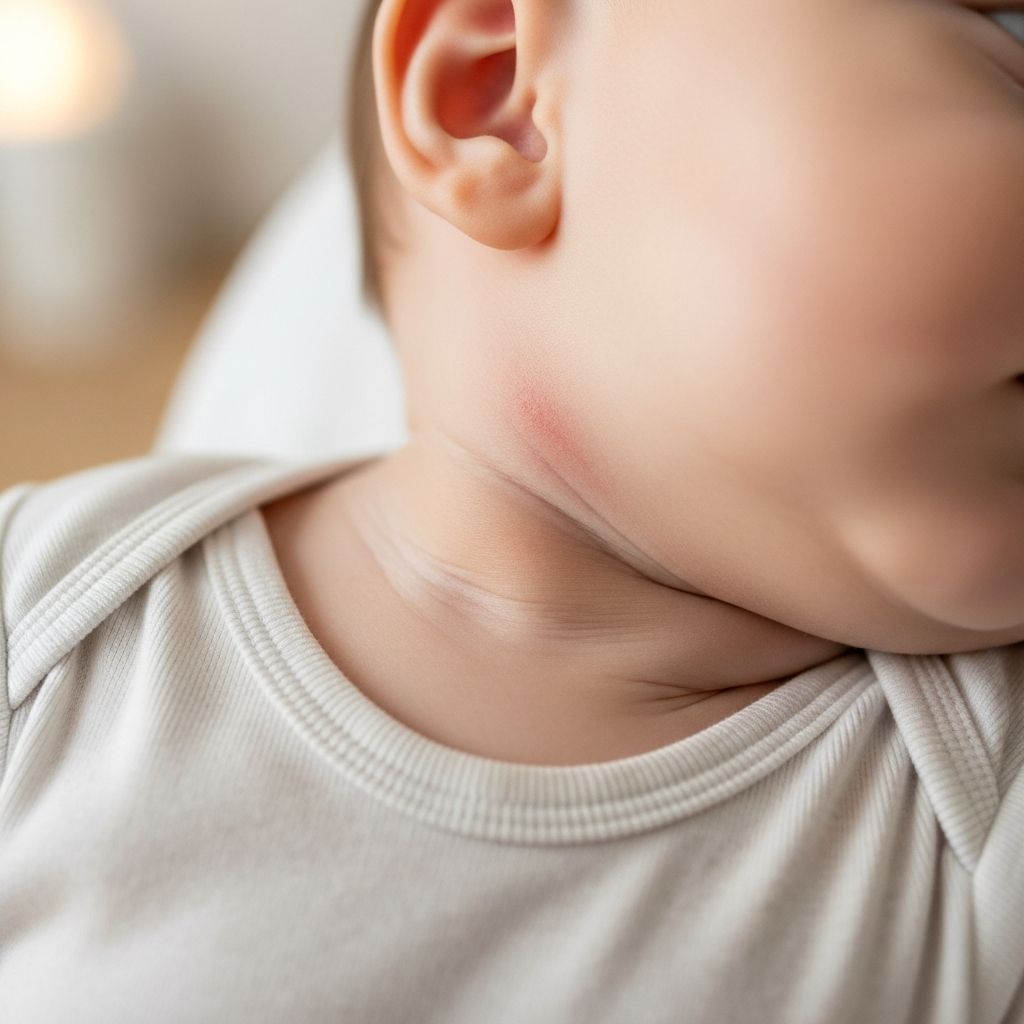
Infants often develop rashes on their necks due to the delicate nature of their skin and factors like moisture buildup from drool or sweat. These conditions, while alarming for parents, are typically benign and manageable with proper care. Understanding the underlying triggers allows for prompt relief and prevention of recurrence.
Why Infants Are Prone to Neck Skin Issues
Newborns and young babies have underdeveloped neck muscles, leading to skin folds that trap moisture from saliva, spit-up, or perspiration. This environment fosters irritation, making the neck a common site for rashes. Additionally, babies’ skin barriers are thinner, increasing sensitivity to external irritants.
Common contributors include excessive drooling during teething phases, overheating from bundled clothing, and contact with harsh fabrics or detergents. Recognizing these patterns early helps parents intervene effectively.
Common Types of Neck Rashes in Babies
Neck rashes vary in appearance and cause, but most share symptoms like redness, bumps, or scaling in skin creases. Here’s a breakdown of prevalent types:
- Intertrigo: Affects moist skin folds, appearing as raw, red patches that intensify in creases due to trapped sweat and friction.
- Yeast Infections: Caused by candida overgrowth in warm, damp areas, showing as pink moist patches, tiny bumps, or scaly edges with possible satellite lesions.
- Heat Rash: Small red bumps or blisters from blocked sweat glands, common in humid conditions.
- Contact Dermatitis: Itchy red bumps from allergens like soaps or fabrics.
- Drool Rash: Irritation from prolonged saliva exposure, often during teething, leading to chapped, red skin around the neck and chin.
- Eczema: Chronic dry, itchy patches triggered by genetics or irritants, differing from acute moisture-related rashes.
| Rash Type | Key Appearance | Primary Trigger |
|---|---|---|
| Intertrigo | Red, raw in folds | Moisture + friction |
| Yeast Infection | Pink patches, bumps | Candida overgrowth |
| Heat Rash | Small bumps/blisters | Blocked sweat ducts |
| Drool Rash | Red, chapped | Excess saliva |
| Eczema | Dry, itchy patches | Genetics/irritants |
Detailed Causes Behind Neck Rashes
Moisture Accumulation: Drool, milk residue, or sweat lingers in neck folds, softening skin and promoting irritation. Teething exacerbates this with increased saliva production.
Friction and Heat: Chubby folds rub together or against collars, worsened by heavy clothing in warm environments, leading to prickly heat or intertrigo.
Infections: Yeast thrives in damp areas; babies under 4 months are especially vulnerable due to poor head control. Bacterial issues may mimic this but appear more localized.
Allergic Reactions: Harsh laundry products, synthetic fabrics, or skincare items trigger dermatitis. Pacifiers trapping moisture can also contribute.
Environmental Factors: Hot weather blocks pores, while poor hygiene allows buildup. Even food remnants on skin can irritate.
Step-by-Step Home Treatment Strategies
Most neck rashes resolve with gentle care. Start by observing changes over 48 hours.
- Clean Gently: Wipe with warm water and soft cloth twice daily; pat dry to avoid rubbing, which worsens irritation.
- Apply Barriers: Use zinc oxide or petroleum jelly to shield skin. For yeast, combine with antifungal like miconazole (not for under 4 weeks).
- Dress Appropriately: Opt for loose, cotton clothing; avoid overheating. Change bibs frequently during drooling.
- Cool Compresses: For heat rash, apply cool cloths and offer lukewarm baths.
- Moisturize: Hypoallergenic creams for eczema; avoid steroids unless advised.
For drool rash, absorbent bibs and frequent changes prevent moisture buildup. Monitor for improvement; persistence beyond a week warrants professional input.
Prevention Tips for Healthy Baby Skin
Proactive measures reduce rash occurrences significantly.
- Use fragrance-free detergents and baby-safe wipes.
- Promote tummy time to strengthen neck muscles and air out folds.
- Maintain room temperature at 68-72°F; layer clothing lightly.
- Wipe drool promptly and dry skin thoroughly after feeds.
- Choose breathable fabrics; avoid wool or synthetics near neck.
Regular gentle baths with mild soap preserve natural oils, preventing dryness that invites rashes.
When to Consult a Pediatrician
Seek medical advice if the rash:
- Spreads rapidly or doesn’t improve in 3-5 days.
- Shows pus, fever, or excessive fussiness indicating infection.
- Features blisters, swelling, or breathing issues (rare allergy).
- Persists despite home care, suggesting eczema or yeast needing prescription.
Professionals may prescribe antifungals, steroids, or tests for underlying issues. Early intervention prevents complications.
Frequently Asked Questions (FAQs)
What distinguishes a yeast neck rash from drool rash?
Yeast rashes have scaly edges and satellite spots; drool rash is simpler redness from moisture without fungal signs.
Can overheating alone cause lasting neck damage?
No, but repeated heat rash can sensitize skin; cooling and airing prevent escalation.
Is pacifier use a common rash culprit?
Yes, if moisture traps; clean and dry regularly, or limit use.
How long do most baby neck rashes last?
With care, 3-7 days; chronic types like eczema need ongoing management.
Are over-the-counter creams safe for newborns?
Use cautiously; consult for antifungals or steroids, especially under 4 weeks.
Long-Term Skin Health for Infants
Beyond acute rashes, foster resilience with consistent routines. Daily moisturizing builds barrier function, while avoiding irritants minimizes flares. Track patterns via photos or notes to identify triggers like new foods or detergents.
For teething phases, stock extra bibs and offer silicone teethers to curb drool. Tummy time not only aids development but exposes skin to air, drying folds naturally.
Nutrition plays a role; breast milk’s antibodies bolster immunity against infections. If formula-fed, burp frequently to cut spit-up.
Parental stress can indirectly affect care—rest and support networks ensure vigilant monitoring. Community resources like pediatric hotlines provide reassurance.
In diverse climates, adapt: humid areas demand more drying, dry ones emphasize hydration. Seasonal clothing switches prevent surprises.
Empower yourself with knowledge; most rashes are transient hurdles in your baby’s growth journey. Consistent, gentle habits yield smooth, healthy skin.
References
- Baby Neck Rash: Causes and Essential Tips for Relief — Docus.ai. 2023. https://docus.ai/symptoms-guide/baby-neck-rash
- Baby Yeast Infection on the Neck: Causes and Treatment — Healthline. 2023-10-12. https://www.healthline.com/health/baby/baby-yeast-infection-neck
- Treating Drool Rash on a Baby’s Neck — Village Emergency Centers. 2023. https://villageec.com/blog/treating-drool-rash-on-a-babys-neck/
- Common Baby Rashes — Mayo Clinic. 2024-05-15. https://www.mayoclinic.org/healthy-lifestyle/infant-and-toddler-health/in-depth/baby-rashes/art-20546833
- Baby and Childhood Rashes — Cleveland Clinic. 2023-08-20. https://my.clevelandclinic.org/health/diseases/6951-skin-conditions-in-children