Navigating the Complex World of Baby Feeding Approaches
The journey of introducing solid foods to your infant represents one of the most significant milestones in early parenthood. As parents search for the optimal feeding method, they encounter a landscape filled with advice, recommendations, and sometimes contradictory information. Among the various approaches available, baby-led weaning has gained considerable attention in recent years, generating both enthusiasm and skepticism among caregivers and health professionals. However, much of the discussion surrounding this feeding method is shrouded in misunderstandings and unfounded claims that deserve careful examination.
Understanding the distinction between evidence-based guidance and popular misconceptions is essential for making informed decisions about your child’s nutritional journey. This exploration examines the most prevalent claims about baby-led weaning and evaluates them against current research and expert recommendations.
Understanding the Fundamentals of Baby-Led Weaning
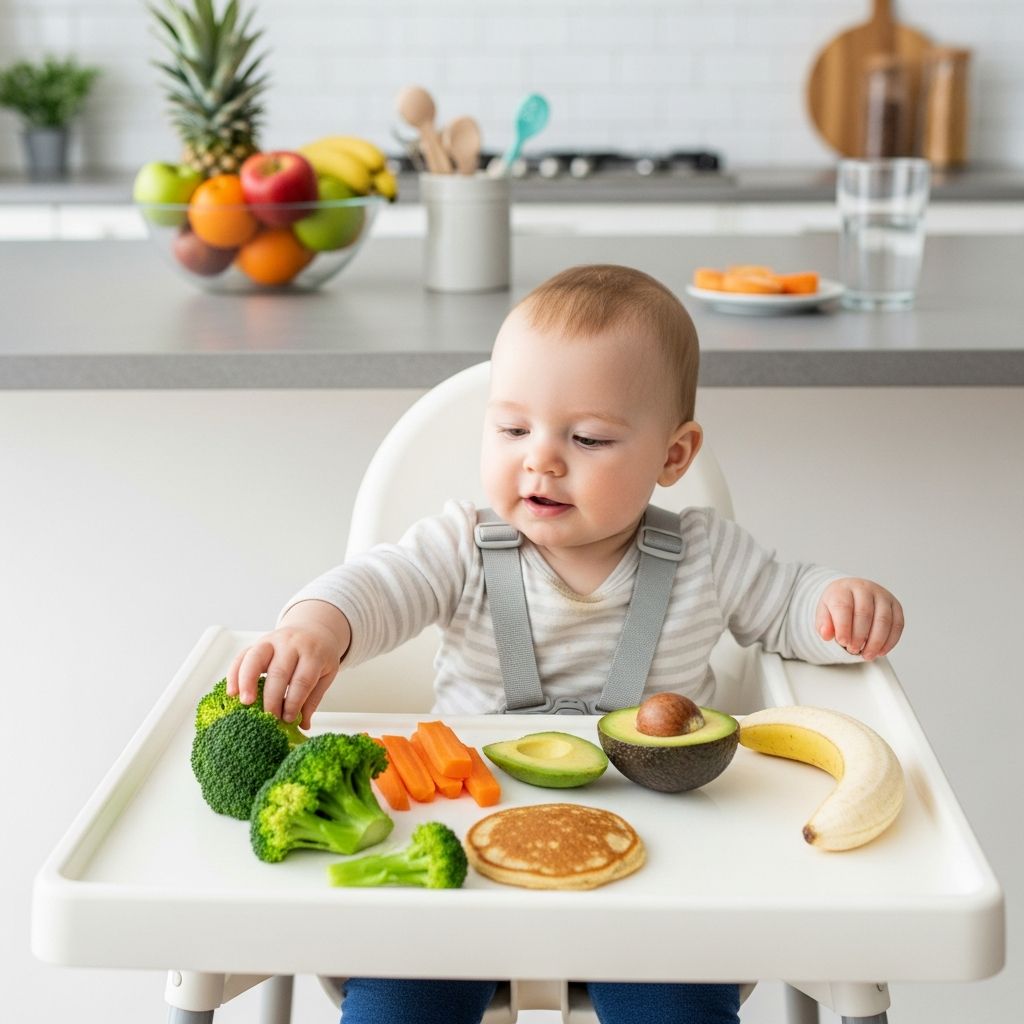
Baby-led weaning, sometimes referred to as auto-weaning or BLW, represents a feeding philosophy that allows infants to transition from exclusive breast milk or formula to a mixed diet containing solid foods at their own pace. Rather than presenting pre-prepared purees on a spoon, this method involves offering age-appropriate finger foods that babies can grasp, explore, and consume independently.
The core principle underlying baby-led weaning centers on respecting your infant’s natural cues and developmental capabilities. When a baby demonstrates readiness signals—typically around six months of age—parents begin offering soft, appropriately-sized food pieces from the family meal. The infant then determines how much to consume, maintaining autonomy over their eating experience.
It is important to recognize that baby-led weaning exists on a spectrum rather than as a rigid protocol. Many families employ a flexible approach that combines elements of both traditional spoon-feeding and baby-led methods, adapting their strategy based on their infant’s individual needs and family circumstances.
Debunking the Choking Risk Myth
Among the most persistent concerns surrounding baby-led weaning is the belief that self-feeding with finger foods substantially increases choking hazard. Parents frequently express anxiety that permitting infants to handle solid foods independently will inevitably result in dangerous situations. However, scientific evidence presents a more nuanced picture than these popular fears suggest.
Research indicates that baby-led weaning does not pose higher choking risks compared to traditional spoon-feeding methods. This finding challenges the widespread assumption that babies cannot safely manage solid foods without adult intervention. The distinction between gagging—a protective reflex that prevents choking—and actual choking is crucial. Infants possess a natural gag reflex positioned further forward in their mouth than adults, which serves as an effective safety mechanism when they encounter food pieces that are too large or present difficulty in swallowing.
Implementing appropriate safety practices significantly reduces any potential risks associated with self-feeding. Food should be offered in soft, finger-sized pieces that an infant can easily grasp but are too large to lodge in the airway. Certain foods universally recognized as choking hazards—including whole nuts, hard candies, and whole grapes—should be avoided or modified appropriately.
Addressing Nutritional Adequacy Concerns
A widespread concern among caregivers involves whether babies consuming self-selected meals receive sufficient calories, iron, and other essential micronutrients necessary for optimal growth and development. Some critics argue that infants may gravitate toward certain food categories while neglecting others, potentially creating nutritional gaps.
While this concern merits consideration, several strategies effectively prevent nutritional shortfalls. Offering a diverse array of foods representing all major food groups—including soft-cooked proteins, whole grains, colorful vegetables, and ripe fruits—ensures exposure to varied nutrients. Breast milk or formula continues providing substantial nutritional support during the weaning transition, supplying iron, vitamins, and minerals that may be insufficient in solid foods alone. Maintaining breast milk or formula as the primary nutrition source until approximately twelve months of age creates a nutritional safety net for developing infants.
Parents concerned about specific nutrients should consult with pediatricians or registered dietitians who can assess their individual infant’s dietary patterns and recommend supplementation if necessary. The key involves viewing solid foods as complementary to breast milk or formula rather than as the sole nutritional source during early weaning.
The Readiness Question: When Should Weaning Begin?
A common misconception suggests that watching your baby observe family meals while you eat indicates they possess sufficient readiness for solid foods. Infants naturally demonstrate curiosity about their environment and parental activities as part of normal development. This observational interest does not necessarily correlate with physiological readiness for solid food consumption.
Instead, genuine readiness indicators include specific developmental milestones. Babies should demonstrate the ability to sit upright with minimal support, display coordinated hand-to-mouth movements, and have lost the extrusion reflex that causes them to push food forward out of their mouth. Most infants achieve these capabilities around six months of age, though some may show readiness as early as four months or as late as seven or eight months.
Premature infants require special consideration. Their developmental timeline should be calculated from their corrected age—determined by subtracting the number of months born early from their chronological age—rather than their actual birth date. Rushing the introduction of solids before genuine readiness signals appear offers no nutritional advantage and may unnecessarily complicate the feeding experience.
Addressing the Early Weaning Imperative Myth
Parents frequently encounter suggestions that delaying solid food introduction until the traditional six-month mark will result in increased picky eating behaviors later in childhood. This claim lacks substantial empirical support. Research examining the relationship between weaning timing and subsequent eating preferences has not demonstrated that earlier introduction prevents selective eating patterns.
The development of food preferences involves complex interactions between genetics, repeated exposure to diverse flavors and textures, family food culture, and learned behaviors. While introducing a wide variety of tastes during the weaning period may contribute to more adventurous eating habits, the specific timing of introduction appears less influential than previously believed.
Conversely, introducing solids before an infant demonstrates genuine readiness can create unnecessary challenges. Premature introduction may result in gagging, difficulty managing food, and negative associations with eating experiences. Following your baby’s developmental cues rather than adhering to arbitrary timelines typically produces superior outcomes.
The Myth of Dental Requirements for Eating Solids
Many caregivers assume that babies require visible teeth before beginning to consume solid foods. This misconception stems from conflating teeth eruption with chewing ability. Infants can effectively process soft foods through gumming and tongue movements long before erupting teeth appear.
Babies naturally possess powerful jaw muscles and gum pads that enable them to mash and break down appropriately textured foods. The first teeth typically do not appear until around six months of age or later, yet this same period coincides with when most infants demonstrate readiness for solid foods. Waiting for visible teeth would unnecessarily delay nutritional exploration and miss developmental windows for introducing varied tastes and textures.
Evaluating the Superiority Debate: Baby-Led Versus Traditional Weaning
Online parenting communities frequently present baby-led weaning and traditional spoon-feeding as opposing philosophies, with proponents of each approach claiming superiority. This polarized framing misrepresents the evidence and creates unnecessary pressure on parents to adopt one method exclusively.
Research demonstrates that both approaches offer legitimate advantages and present distinct challenges. Neither method demonstrates clear superiority across all developmental and health outcomes. The optimal feeding strategy depends on individual infant characteristics, family circumstances, cultural preferences, and parental comfort levels.
A more pragmatic approach involves adopting a hybrid methodology that incorporates beneficial elements from both traditions. Parents might offer finger foods appropriate for independent feeding while occasionally providing spoon-fed options when convenient. For families with demanding schedules or frequent travel, pureed foods offer practical advantages without compromising nutritional quality or developmental benefits. The underlying principle—remaining responsive to your baby’s appetite and developmental signals—can be applied regardless of the specific feeding method employed.
Understanding the Continued Importance of Milk Feeding
A persistent misconception suggests that once solid food introduction begins, breast milk or formula becomes nutritionally obsolete. This misunderstanding creates unnecessary pressure to rapidly increase solid food consumption and reduce milk feeding. In reality, breast milk and formula remain crucial nutritional sources throughout the first year and beyond.
During the weaning transition, solid foods function as supplementary nutrition while milk continues providing essential proteins, fats, vitamins, and minerals. The iron content in breast milk or formula proves particularly valuable during early weaning, as many self-selected infant foods contain insufficient iron quantities. Gradual introduction of solids over several months allows infants to develop eating skills and taste preferences while maintaining milk as their primary caloric source.
The Sensory Development Advantage
Baby-led weaning advocates highlight potential developmental benefits associated with infant self-feeding, particularly regarding sensory and motor skill development. These claims possess some merit supported by developmental research. Allowing babies to handle, explore, and manipulate food independently contributes to sensory familiarity with different textures and flavors.
The tactile experience of touching, squishing, and examining foods helps develop fine motor coordination and hand-eye integration. Additionally, direct handling of foods may facilitate the development of healthy relationships with eating, as infants learn to recognize and respond to internal satiation cues. However, these developmental benefits need not be exclusive to baby-led weaning. Even infants receiving primarily spoon-fed meals can experience sensory exploration when caregivers occasionally permit self-feeding with appropriately textured foods.
Building Nutritional Completeness Through Strategic Planning
Parents implementing any weaning approach should strategically plan food offerings to ensure nutritional completeness. This involves presenting foods from all major nutrient categories rather than allowing infants to select exclusively from preferred options.
A balanced approach includes offering protein sources such as soft-cooked meats, legumes, and eggs; calcium-rich options including dairy products and fortified plant-based alternatives; iron-containing foods including soft vegetables and fortified cereals; and varied fruits and vegetables providing vitamins and minerals. While infants should ultimately control portion sizes based on appetite, parental responsibility involves determining which foods appear on the menu rather than permitting dietary preferences to drive all nutritional decisions.
Accounting for Individual Infant Variation
Significant variation exists among infants regarding developmental trajectory, temperament, and feeding preferences. Some babies eagerly embrace self-feeding from the beginning, while others may benefit from a gradual introduction incorporating spoon-feeding initially. Some possess robust appetites for diverse foods, while others exhibit more selective preferences during early weaning.
Recognizing these individual differences enables parents to customize their approach rather than rigidly adhering to prescribed feeding philosophies. An infant struggling with self-feeding coordination may benefit from more spoon-feeding initially, while a developmentally advanced six-month-old might eagerly engage with finger foods. Flexibility and responsiveness to individual cues typically produce superior outcomes compared to adherence to any singular methodology.
Introducing Common Allergens Appropriately
Recent research has increasingly emphasized the potential protective effects of early introduction to common food allergens. Health experts now recommend exposure to allergen-containing foods including peanut butter, dairy products, and eggs beginning around six months of age. This guidance may occasionally require departing from strict baby-led weaning protocols if parents need to actively introduce these specific foods.
The introduction strategy might involve offering a small amount of peanut butter mixed with breast milk or formula to create an appropriate texture, or introducing finely chopped eggs as part of the family meal. These tactical adjustments reflect the reality that optimal feeding practices sometimes require thoughtfully balancing baby autonomy with nutritional necessity.
Environmental and Practical Considerations
Successful feeding experiences extend beyond food selection to encompass the broader eating environment. Creating a supportive setting with appropriate seating, minimal distractions, and family mealtime participation contributes to positive feeding experiences. A high chair or booster seat that provides proper postural support enables infants to focus on eating rather than managing uncomfortable positioning.
Using protective mats or towels beneath the eating area reduces cleanup stress associated with inevitable food spillage. Permitting your baby to eat alongside family members, even if consuming different specific foods, fosters positive associations with mealtimes and provides opportunities to observe eating models and social interaction around food.
Frequently Asked Questions
At what age should weaning typically begin?
Most infants demonstrate readiness for solid foods around six months of age, though the range extends from four to eight months depending on individual development. Readiness indicators include sitting upright with minimal support, loss of the tongue-thrust reflex, and demonstrated hand-to-mouth coordination rather than chronological age alone.
Is baby-led weaning truly safer than spoon-feeding?
Research indicates that baby-led weaning does not pose higher choking risks than traditional spoon-feeding methods. Both approaches can be implemented safely by following appropriate guidelines regarding food texture and size, and by understanding the difference between normal gagging and actual choking.
Will my baby miss important nutrients with self-feeding?
Providing diverse foods from all nutrient categories, maintaining breast milk or formula as the primary nutrition source, and consulting with healthcare professionals regarding individual dietary patterns helps ensure nutritional adequacy. Breast milk or formula continues supplying essential nutrients throughout the weaning transition.
Is combining spoon-feeding and baby-led weaning acceptable?
Yes, a flexible hybrid approach combining elements of both methods is not only acceptable but often practical for families. Research demonstrates that both approaches offer benefits, and combining them allows parents to adapt to their infant’s needs and family circumstances.
Will delaying solid foods make my baby a picky eater?
No, delaying introduction until genuine readiness signals appear does not increase picky eating risk. Eating preferences develop through complex interactions involving genetics, repeated exposure, and family food culture rather than the specific timing of initial introduction.
Does my baby need teeth before eating solids?
No, infants can effectively process soft foods through gumming before teeth erupt. Powerful jaw muscles and gum pads enable babies to mash and break down appropriately textured foods even without visible teeth.
Should breast milk become less important after starting solids?
No, breast milk or formula remains an important nutritional source throughout the weaning transition and first year. Solid foods complement rather than replace milk feeding, which provides essential nutrients including iron, proteins, and fats.
References
- Debunking Myths and Misconceptions in Weaning — My Little Piccolo. 2025. https://www.mylittlepiccolo.com/weaning-hub-post/debunking-myths-and-misconceptions-in-weaning/
- Baby-Led Weaning: Is It Safe? — American Academy of Pediatrics. 2024. https://www.healthychildren.org/English/ages-stages/baby/feeding-nutrition/Pages/baby-led-weaning-is-it-safe.aspx
- 5 Myths About Weaning Your Baby—Debunked by a Dietitian — Bamboo Baby. 2024. https://www.bamboobaby.ie/post/5-baby-weaning-myths-debunked
- Baby Weaning Myths: What You Really Need To Know — Babymore. 2024. https://babymore.co.uk/articles/baby-weaning-myths/