Welcoming a newborn brings joy and a flood of advice on must-have gear. Yet, marketing often pushes gadgets that clutter homes and drain wallets. This guide highlights common baby items many parents regret buying, drawing from real experiences and safety recommendations. Focus on versatile basics to keep your budget intact and nursery simple.
Why Cut Back on Baby Gear?
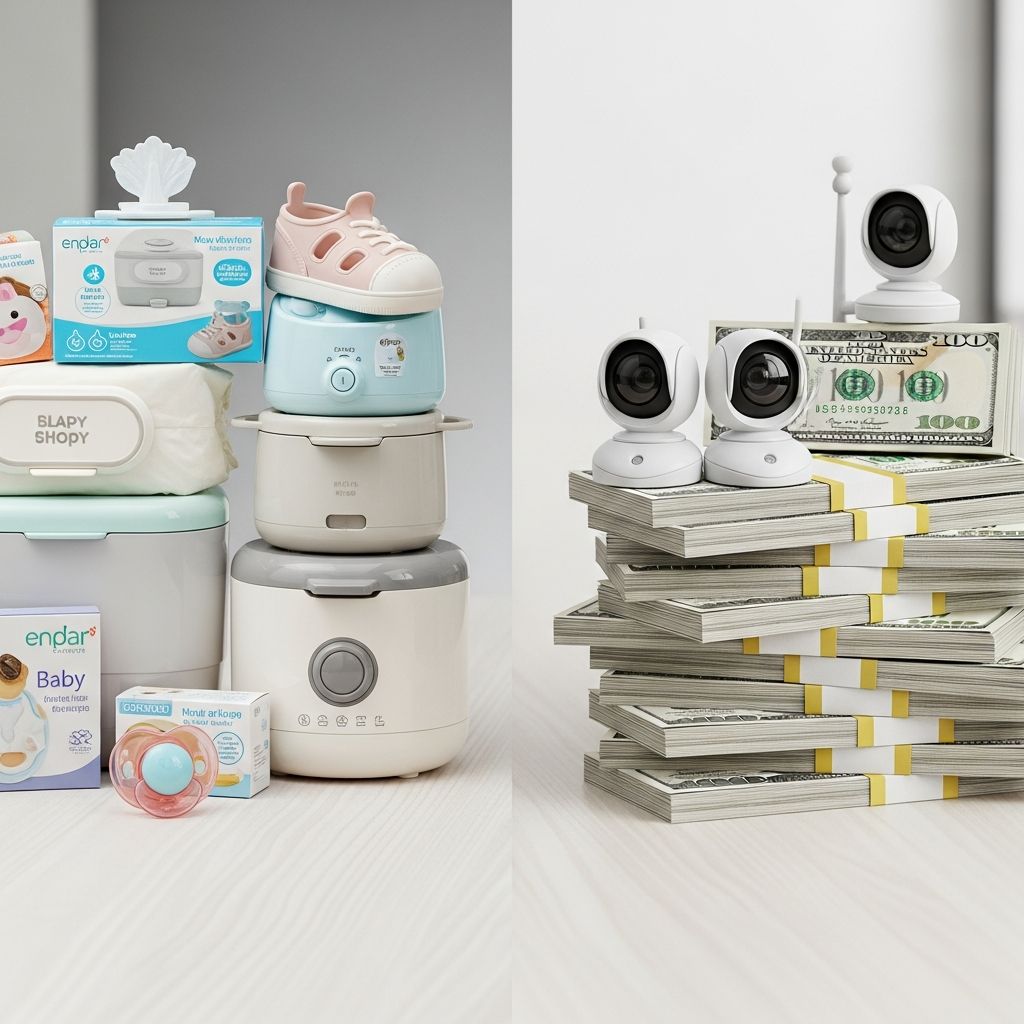
Today’s baby market exceeds $10 billion annually, with parents spending an average of $13,000 in the first year. Much of this goes to items used briefly or not at all. Streamlining your registry reduces waste, eases storage, and lowers stress. Parents report ditching extras leads to more quality time with baby, not less.
Safety organizations like the American Academy of Pediatrics (AAP) emphasize minimalism in sleep areas to prevent SIDS risks. Prioritizing multi-use items over specialty ones aligns with expert guidance for healthy development.
Overhyped Sleep Aids to Avoid
Sleep products promise miracles but often underdeliver. Here’s what to skip:
- Fancy Swaddles and Velcro Wraps: Many babies resist confinement, rendering velcro swaddlers useless after a few tries. Opt for lightweight muslin blankets you can wrap intuitively.
- Crib Bumpers and Padding: These pose suffocation hazards and are banned in several states. A firm mattress with a fitted sheet suffices for safe sleep.
- Infant Loungers and Rockers: Positioners like Rock ‘n Plays have been recalled for safety issues; use a bouncer or your arms instead.
- Mobiles and Overhead Toys: They distract more than soothe and can be safety risks if strings loosen.
Instead, establish routines with white noise apps and consistent bedtime cues. Co-sleeping bassinet attachments often outperform standalone cribs for convenience.
Bath Time Gadgets That Miss the Mark
Baby baths sound hygienic but complicate simple routines. Parents frequently abandon them for sink baths or parent-shared tubs, which are quicker and free.
- Specialty Infant Tubs: Bulky designs grow obsolete by 6 months. A non-slip bath mat in your shower works longer.
- Bath Thermometers: Elbow tests gauge water perfectly; digital ones add clutter without accuracy gains.
- Bath Toys and Organizers: Mold-prone squirt toys harbor bacteria. Skip them for post-bath play with household items.
| Unnecessary Item | Why Skip? | Budget Alternative | Cost Savings |
|---|---|---|---|
| Infant Tub | Outgrown fast; hard to store | Sink insert or big bowl | $30–$50 |
| Bath Thermometer | Elbow test reliable | None needed | $10–$20 |
| Squirt Toys | Mold risk; short-lived | Cups/spoons | $15–$25 |
Diapering and Feeding Fads Exposed
Diapering stations promise efficiency but often complicate changes. Feeding tools follow suit with unneeded bells and whistles.
- Wipe Warmers: They dry out wipes and pose fire hazards; room-temp wipes suffice.
- Diaper Stackers: Fabric holders tip easily; plastic bins are sturdier and cheaper.
- Bottle Warmers/Sterilizers: Running water or microwaves heat bottles safely. Sterilizers are redundant with dishwasher use.
- Specialty Burp Cloths or Nipple Cream: Cloth diapers absorb better; breast milk heals nipples naturally.
For feeding, avoid pre-buying bottles or pacifiers en masse—babies have preferences. Test one type first. Skip gripe water or gas drops unless pediatrician-recommended; tummy time and burping resolve most issues.
Clothing and Accessory Overkill
Newborns outgrow sizes rapidly, making bulk buys wasteful. Focus on 0-3 month staples in neutral colors.
- Excess Newborn Outfits/Diapers: Babies grow out in weeks; start with 7-10 onesies and borrow more.
- Baby Shoes, Mittens, Hats: Bare feet build grip strength; socks prevent scratches better than mittens.
- Snowsuits/Car Seat Bundles: Bulky layers unsafe in carriers; use blankets and hats.
- Baby Powder/Lotions: Powders risk inhalation; pediatricians advise against routine lotions on healthy skin.
Shop secondhand for outfits—many platforms offer sanitized preloved clothes at 50-70% off retail.
Tech and Monitoring Myths
Video/audio monitors seem essential but foster anxiety without proven SIDS prevention.
- High-End Baby Monitors: Basic sound models or none work for small homes; apps on old phones monitor affordably.
- Nasal Aspirators (Fancy Versions): Hospital bulbs extract better; saline drops loosen mucus naturally.
- Electric Nail Clippers: While useful, manual files from birth kits suffice initially.
Position monitors away from cribs to avoid cord risks. Trust your instincts over gadgets.
Play and Development Items to Pass On
Early play needs stimulation, not expense. Ditch these:
- Tummy Time Mats/Water Play: PVC versions leach chemicals; quilts with high-contrast toys engage better.
- Bumbos or Exersaucers: Short use; floor time builds core strength safely.
- Stuffed Animals (Excess): Choking hazards; limit to 1-2 washable loveys.
- Activity Gyms/Mobiles: Rotate household toys like spoons or ribbons for variety.
AAP recommends supervised tummy time on firm surfaces from day one. Mirrors and books captivate without cost.
Building Your Essential Registry
Core must-haves: safe sleep bassinet, car seat, stroller (versatile model), diapers (size 1+), onesies, swaddle blankets, nursing pillow (if breastfeeding), baby carrier. Total under $800 if thrifted smartly.
| Essential | Multi-Use Alternative to Skip |
|---|---|
| Bassinet | Pack ‘n Play/Crib |
| Baby Carrier | Baby Bjorn/Bouncer |
| Cloth Diapers (Burp) | Burp Cloths |
| Big Tub Mat | Infant Tub |
Registry tip: Include ‘splurge’ options for gifts but note alternatives. Borrow big-ticket items from family networks.
Frequently Asked Questions
What if my baby hates the alternatives?
Test small; every baby differs. Return policies cover trials. Consult your pediatrician for persistent issues.
Is skipping monitors unsafe?
For close quarters, no monitor needed. AAP supports room-sharing sans tech for first 6-12 months.
How much can I save skipping these?
Average registry trims $2,000-$5,000. Redirect to experiences like classes or savings accounts.
Are secondhand items safe?
Yes, for non-safety gear. Inspect car seats new only per NHTSA guidelines.
What’s the biggest regret item?
Wipe warmers and swaddlers top lists; parents wish they’d trusted simple methods.
Final Thoughts on Parenting Smart
Embracing minimalism empowers parents. Babies thrive on love, touch, and basics—not gadgets. Customize to your lifestyle: city dwellers prioritize carriers; suburban families strollers. Track spending apps ensure balance. Celebrate your unique journey over trends.
Word count: 1,728 (excluding HTML tags).
References
- Safe Sleep and SIDS Prevention Recommendations — American Academy of Pediatrics. 2022-10-24. https://publications.aap.org/pediatrics/article/150/1/e2022057990/188304/Sleep-Related-Infant-Deaths-Updated-2022
- Car Seats: Product Safety Tips — National Highway Traffic Safety Administration (NHTSA). 2024-06-12. https://www.nhtsa.gov/equipment/car-seats-and-booster-seats#carseats
- Tummy Time for Babies — Centers for Disease Control and Prevention (CDC). 2023-05-15. https://www.cdc.gov/ncbddd/actearly/parents/tummytime.html
- Infant Skin Care Guidelines — American Academy of Dermatology. 2021-11-03. https://www.aad.org/public/diseases/skin-care-in-babies