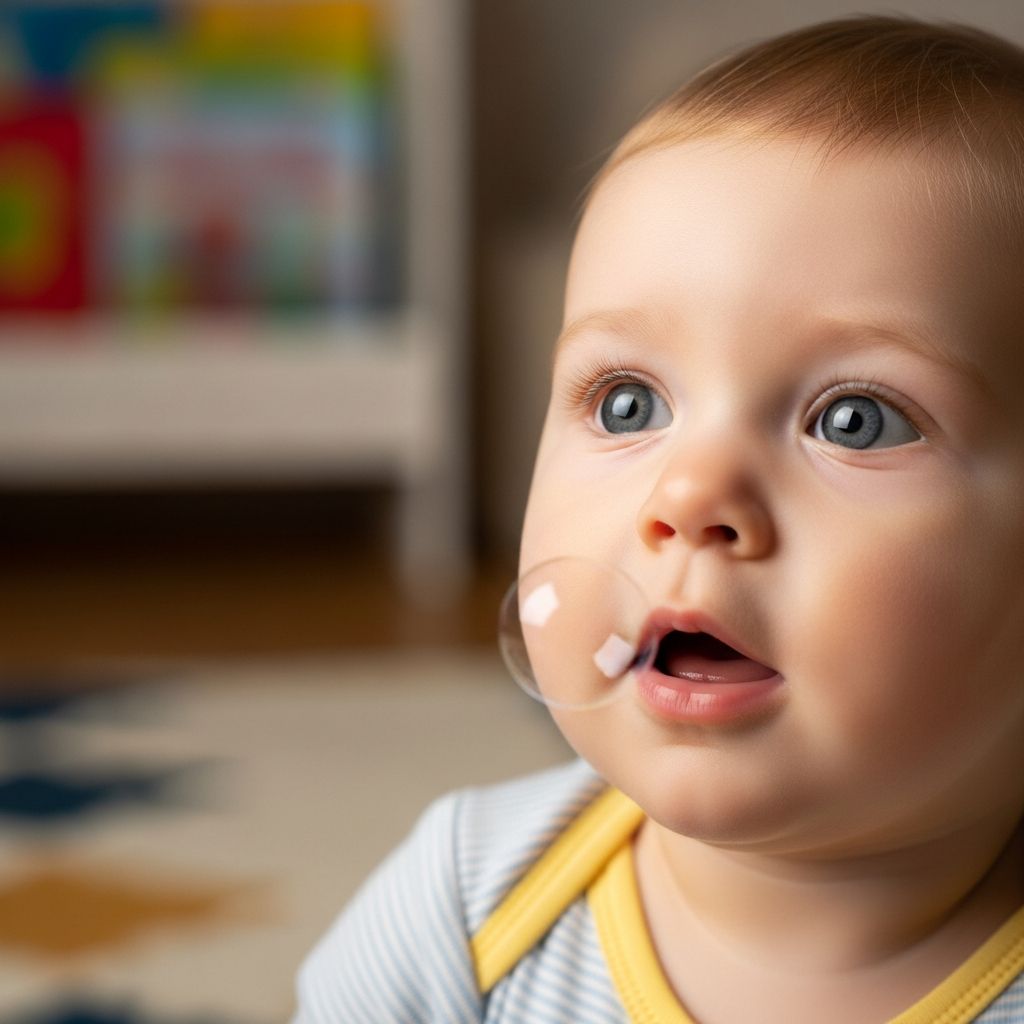
Every parent eagerly awaits the moment their little one utters that first meaningful word. This milestone marks a pivotal shift in cognitive and social growth, transforming random sounds into intentional communication. Typically emerging between 10 and 18 months, a baby’s initial vocabulary often includes familiar terms like “mama” or “dada,” signaling their budding understanding of the world.
Language acquisition begins at birth, with infants distinguishing their caregiver’s voice amid environmental noises. By six months, most recognize core sounds of their native tongue, laying groundwork for speech. This progression involves physical, auditory, and interactive elements, influenced by daily interactions and environmental exposure.
Early Vocalizations: The Foundation of Speech
From day one, newborns communicate through cries, which evolve into more varied expressions. These initial sounds help babies master breath control and vocal cord manipulation, essential for future articulation.
- Birth to 3 months: Crying dominates, conveying needs like hunger or discomfort. Babies start mimicking facial expressions and turning toward voices, fostering early bonds.
- 2-4 months: Cooing emerges—soft, vowel-like ‘oohs’ and ‘aahs’—often during contented moments like feeding. Responses to tone changes, such as laughing at high-pitched playfulness, show growing auditory discrimination.
These phases build neural pathways for sound production. Consistent caregiver responses reinforce this experimentation, encouraging persistence.
Mastering Babbling: Sounds Take Shape
Around 4-7 months, babbling intensifies as babies combine consonants and vowels: ‘ba-ba,’ ‘ga-ga,’ or ‘ma-ma.’ This ‘vocal play’ mimics speech rhythms, with infants varying pitch and volume for effect.
| Age Range | Key Babbling Traits | Examples |
|---|---|---|
| 4-6 months | Simple repetitions, lip bubbling, raspberries | ba-ba, goo-goo |
| 6-9 months | Rhythmic jargon, sound imitation (coughs, laughs) | da-da, ma-ma (non-specific) |
| 9-12 months | Tuneful sequences resembling speech, gestures paired with sounds | kaka, gaga, waving with ‘bye’ |
By 8-9 months, babbling incorporates intonation, sounding like real conversation. Babies may copy gestures like clapping or pointing, integrating non-verbal cues. This stage is crucial; repetitive play strengthens oral muscles and sound recognition.
Comprehension Before Production: What Babies Understand
Understanding precedes speaking. Infants process language passively from early on, responding to their name by 6-9 months or simple directives like ‘no’ by 9-11 months.
- Recognize familiar voices across rooms.
- Follow pointing gestures, looking toward indicated objects.
- By 11-12 months, grasp basic instructions with visual support, e.g., handing over a toy when prompted.
Rhythmic exposure via songs and rhymes aids word boundary detection, enhancing comprehension. A receptive vocabulary—words understood—often reaches 10-50 by 12 months, even if not yet spoken.
The Magic of First Words: When and What to Expect
First true words, with specific meanings, appear around 10-14 months, though averages hover at 12 months. Common starters: “mama,” “dada,” “ball,” “dog,” or “no.” These signify symbolic thinking, where sounds represent concepts.
By 12 months, expect 1-3 words; by 18 months, 10-50, exploding to 200-300 by 24 months. Imperfect pronunciation counts—’ba’ for ball qualifies if contextually clear.
Variations in Timing
Development varies widely. Bilingual homes or late walkers may delay slightly, but consistent progress matters more than exact dates. Track gestures too: pointing by 12 months predicts strong language skills.
Strategies to Boost Your Baby’s Talking
Active engagement accelerates milestones. Respond to every coo, narrate routines, and expand on babbles.
- Face-to-face interaction: Maintain eye contact during talks; exaggerate expressions for emphasis.
- Name objects: Label toys, body parts, and actions during play—”Here’s your red ball!”
- Sing and rhyme: Nursery rhymes build rhythm awareness.
- Read daily: Point to pictures, mimic sounds; even newborns benefit from board books.
- Limit screens: Prioritize human interaction over passive media.
- Encourage imitation: Mirror sounds and gestures promptly.
Daily routines like baths or meals offer prime teaching moments: “Water splash!” or “Yummy banana.” Novel experiences, like park visits, introduce new vocabulary.
Red Flags: When to Seek Help
Most babies hit milestones independently, but monitor for delays. Consult a pediatrician if by 12 months:
- No babbling or gestures like waving/pointing.
- No response to name or simple words.
- By 18 months: Fewer than 10 words.
Early intervention via speech therapy yields best outcomes. Factors like ear infections or prematurity may contribute; routine screenings catch issues.
From Words to Sentences: The Toddler Explosion
Post-first words, vocabulary surges. At 18-24 months, two-word combos emerge: “more milk,” alongside 50+ words minimum (average 200-300). Gestures amplify expression until grammar solidifies.
Pronoun use (‘mine,’ ‘me’) and questions follow, fueling curiosity. Parental modeling—full sentences despite baby approximations—guides refinement.
FAQs
What counts as a baby’s first word?
A first word is any consistent sound linked to meaning, like ‘ba’ for ball, even if not perfectly pronounced.
Should I worry if my 15-month-old isn’t talking?
Slight delays are common; focus on gestures and understanding. Consult if no progress by 18 months.
How can I tell if my baby understands me?
Look for reactions to name, pointing follows, or simple commands with cues by 12 months.
Does TV help babies learn words?
No—interactive talk trumps screens. Direct engagement is key.
Are bilingual babies slower to talk?
They may mix languages initially but catch up by school age with rich exposure.
References
- Baby language development: 3-12 months — Raising Children Network. 2023. https://raisingchildren.net.au/babies/development/language-development/language-3-12-months
- Speech and language development from birth to 12 months — Great Ormond Street Hospital. 2024-01-15. https://www.gosh.nhs.uk/conditions-and-treatments/procedures-and-treatments/speech-and-language-development-birth-12-months/
- What Counts As A First Word? Baby & Toddler Talking Milestones — Wee Talkers. 2023-05-10. https://www.weetalkers.com/blog/what-counts-as-first-word
- Speech and Language Developmental Milestones — National Institute on Deafness and Other Communication Disorders (NIDCD), NIH. 2024-08-20. https://www.nidcd.nih.gov/health/speech-and-language
- How to teach your baby to talk — National Literacy Trust | Words for Life. 2023. https://wordsforlife.org.uk/activities/how-to-encourage-baby-to-talk/