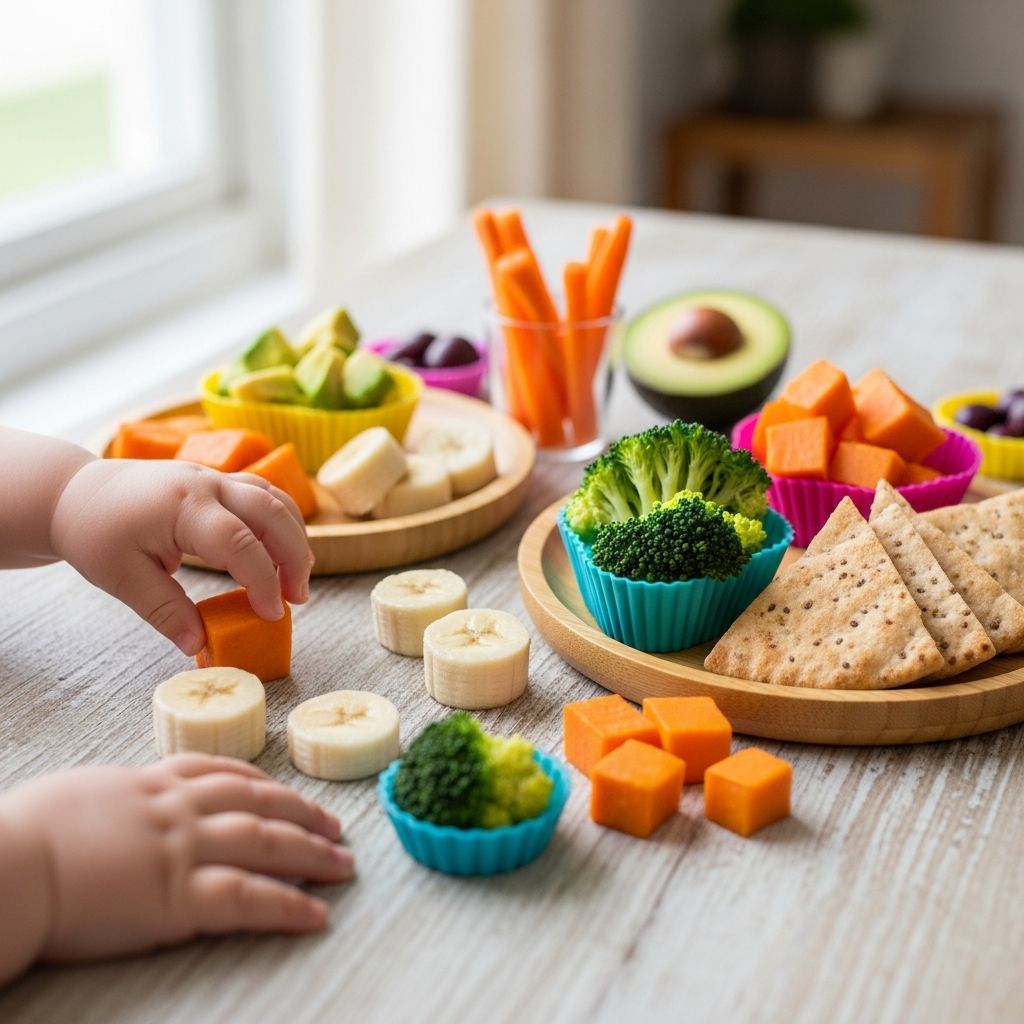
Finger foods can turn mealtimes into a fun, messy, and incredibly important learning experience for your baby. Instead of relying only on boxed cereals or pouches, you can offer real, varied foods that build coordination, confidence, and healthy habits right from the start.
Why Finger Foods Matter So Much
Finger foods are more than convenient snacks; they support speech, motor skills, and a positive relationship with eating. As babies grab, squeeze, and chew, they strengthen the muscles used later for talking and for handling utensils.
Introducing a variety of flavors and textures early on can also help reduce pickiness later, making it more likely that your child accepts fruits, vegetables, and whole grains as part of everyday meals.
Is Your Baby Ready? Key Signs to Look For
Every baby is different, but most are ready for some finger foods between about 6 and 9 months, once they show certain developmental skills. Readiness is less about age and more about what your baby can do with their body and mouth.
- Sits with minimal support: Your baby can sit upright in a high chair with good head and neck control.
- Shows interest in food: Reaches for your plate, watches you eat, or opens their mouth when food approaches.
- Uses hands to explore: Attempts to grab objects and bring them to the mouth.
- Has some chewing motion: Even without teeth, can move food side to side in the mouth and use strong gums.
If these signs are not present yet, continue with spoon-fed purees or mashed foods and try again in a few weeks.
Texture, Size, and Shape: How to Make Food Safer
Texture and shape are as important as which foods you choose. The safest finger foods are soft enough to squish between your fingers and cut into shapes that reduce choking risk.
- Softness test: You should be able to press the food between your thumb and forefinger and have it flatten easily.
- Shape for beginners: Offer stick or wedge shapes about the length of an adult finger so babies can hold one end and gnaw on the other.
- Later, smaller pieces: As skills improve, move toward small bite-size pieces around 1 cm on each side.
Avoid foods that are hard, sticky, or round and smooth, as these can lodge in the airway and pose choking hazards.
First Finger Food Ideas by Food Group
Think beyond cereal puffs and build meals around whole, minimally processed foods. Use the ideas below as a flexible menu, not strict rules.
Fruits
- Very ripe banana cut into thick strips or small cubes.
- Ripe avocado slices or chunks, with or without the skin edge left on for grip.
- Soft ripe pear or peach slices with the peel removed.
- Stewed or lightly cooked apple slices until very soft (never raw hard slices for young babies).
Vegetables
- Steamed carrot sticks cooked until easily mashed between fingers.
- Soft roasted sweet potato wedges with skin removed if it is tough.
- Steamed broccoli florets with long stems for easy holding.
- Soft green beans, zucchini strips, or mashed peas.
Proteins
- Shredded chicken or turkey that is moist and tender.
- Flaked baked fish, with all bones carefully removed.
- Soft scrambled egg strips or well-cooked omelet slices.
- Mashed beans or lentils spread on soft toast fingers or served as small mounds.
Grains and Starches
- Soft whole-grain toast cut into fingers.
- Small pieces of soft pancake made with whole-grain flour.
- Well-cooked pasta shapes cut smaller if needed.
- Soft cooked rice mixed with mashed vegetables or beans.
Food Safety: Simple Rules That Matter
Good hygiene and smart preparation dramatically reduce the risk of illness and choking. Small changes to your routine can make a big difference.
- Wash hands, cutting boards, and utensils thoroughly before and after handling food.
- Cook meat, poultry, and eggs well; avoid serving undercooked animal products to babies.
- Serve food in baby-sized portions and discard leftovers from your baby’s plate after the meal.
- Keep your baby seated and supervised; no eating while crawling, walking, or riding in a car or stroller.
Choking Hazards to Avoid
Some foods remain high-risk for choking even with careful preparation. Many experts recommend skipping or significantly modifying these until children are older.
- Whole nuts and large seeds.
- Whole grapes, cherry tomatoes, or similar round foods unless cut lengthwise into quarters.
- Raw hard vegetables such as carrot and apple pieces.
- Chunks of hot dog or sausage unless cut into thin strips.
- Popcorn, hard candies, marshmallows, and chewy gummy sweets.
Honey should not be given in any form to babies under 12 months because of the risk of infant botulism.
Sensory Learning: Let the Mess Happen
When babies smash avocado, smear sweet potato, or drop peas, they are not misbehaving—they are performing tiny science experiments with texture, gravity, and cause-and-effect. This messy play helps them accept new foods and feel confident at the table.
Allow time for exploration without pressure to finish every bite. Calm, low-stress mealtimes are more likely to build positive eating habits than strict rules or constant encouragement to “take one more bite.”
Sample One-Day Finger Food Menu
The following simple menu shows how finger foods can fit into a day once your baby is comfortably eating solids alongside breast milk or formula. Adjust portion sizes based on your baby’s hunger and developmental stage.
| Meal | Finger Food Ideas | Notes |
|---|---|---|
| Breakfast | Soft scrambled egg strips, ripe banana fingers, whole-grain toast fingers lightly spread with mashed avocado. | Offer water in an open cup or small handled cup; continue breast milk or formula as usual. |
| Lunch | Steamed carrot sticks, soft pasta pieces, shredded chicken mixed with a little olive oil or veggie puree. | Introduce only one new food at a time when watching for allergies. |
| Snack | Ripe pear slices without peel, soft cheese strips (if dairy is tolerated), a few well-cooked peas. | Snacks are optional at younger ages and should not replace milk feeds. |
| Dinner | Roasted sweet potato wedges, steamed broccoli florets, flaked baked fish with all bones removed. | Serve what the family is eating when possible, with textures adjusted for baby. |
Baby-Led Weaning vs. Spoon-Feeding: Do You Have to Choose?
Some families follow a baby-led weaning style, where babies mostly self-feed soft finger foods from the start, while others rely more on purees and gradually add finger foods. Both approaches can support healthy development when done safely and responsively.
You can also blend methods: offer mashed or pureed foods by spoon and place soft finger foods on the tray to encourage self-feeding at the same meal. The most important goals are safety, variety, and letting your baby guide the pace.
Handling Allergens and New Foods
Many guidelines now support introducing common allergenic foods such as eggs and peanut products in the first year, especially for babies at high risk, after discussing plans with a healthcare provider. Early, careful exposure may help lower the chance of some allergies.
Introduce one new food at a time and watch for reactions such as rashes, swelling, vomiting, or breathing changes. If your baby has a strong family history of allergies, speak with your pediatrician about a tailored plan before introducing highly allergenic foods.
Practical Tips to Make Finger Foods Easier
With a few habits in place, finger foods can be manageable even for busy families. A little prep once or twice a week can stock your fridge and freezer with ready-to-serve baby options.
- Cook in batches: Roast trays of vegetables, steam extra carrots or broccoli, and freeze in small portions.
- Serve family meals, modified: Before seasoning heavily, set aside portions of plain cooked grains, vegetables, or proteins for your baby.
- Use the squish test: When in doubt, see whether you can easily squish a piece between your fingers.
- Stay present: Sit with your baby, eat with them, and model slow, relaxed chewing.
Frequently Asked Questions
Does my baby need teeth to start finger foods?
Teeth are not required for many beginner finger foods because babies’ gums are surprisingly strong and can handle soft textures well. Focus on foods that are very soft and easy to squish rather than waiting for a full set of teeth.
How many finger foods should I offer at once?
Start with one or two simple options at a meal, such as a vegetable stick and a soft fruit slice, to avoid overwhelming your baby. As your baby becomes more confident, you can offer more variety while still keeping portions small.
What if my baby gags?
Occasional gagging is common when babies learn to handle new textures and does not always mean choking. Stay calm, watch closely, and avoid putting fingers in the mouth, which can push food deeper; learn infant first aid so you know how to respond to true choking emergencies.
How do I balance milk feeds and finger foods?
For most of the first year, breast milk or formula remains the main source of nutrition, with solid foods gradually playing a bigger role. Offer finger foods at relaxed times during the day while continuing regular milk feeds, and let your baby’s appetite guide how quickly portions increase.
Can I add salt, sugar, or sauces for flavor?
Babies do not need added salt or sugar, and their kidneys and taste preferences are better protected when foods are served with minimal seasoning. Natural flavors from fruits, vegetables, herbs, and healthy fats are more than enough to keep meals interesting at this age.
Building a Positive Food Future
Each tiny piece of food your baby picks up is a chance to explore, learn, and build a lifelong relationship with eating. By offering safe textures, nutritious options, and patient encouragement, you turn everyday snacks into powerful stepping stones toward independence and health.
Trust your baby’s pace, stay flexible, and remember that messy hands and crumb-covered floors are often signs that important progress is happening at the table.