Introducing finger foods marks an exciting milestone in your baby’s development, fostering independence, fine motor skills, and a love for diverse flavors. Around 6-9 months, when babies show readiness signs like sitting up unassisted and reaching for food, self-feeding becomes feasible with soft, graspable pieces. This guide draws from pediatric guidelines to outline safe practices, preparation methods, and meal ideas tailored to each stage.
Recognizing Readiness for Self-Feeding Adventures
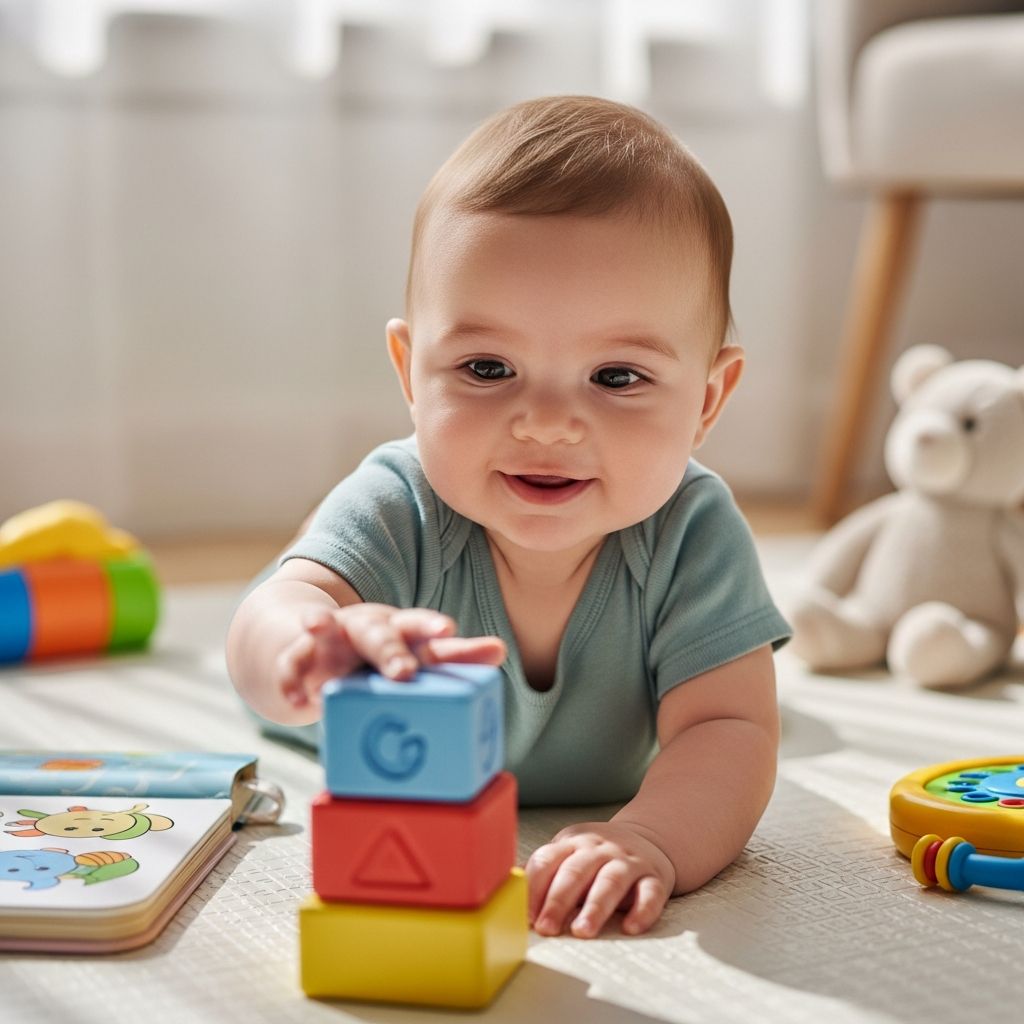
Babies typically signal readiness for finger foods between 6 and 9 months, coinciding with the emergence of key skills. Look for stable sitting without support, interest in others’ meals, and the ability to rake food with palms before mastering the pincer grasp around 8-9 months. Gums suffice for mashing soft items—no teeth required. Delaying until these cues appear minimizes gagging risks and builds confidence gradually.
- Sitting steadily: Essential for safe swallowing; always use a high chair with harness.
- Reaching and grasping: Babies start with palmar grasp, progressing to thumb-finger precision.
- Chewing motions: Practice with teethers prepares them for real foods.
Consult your pediatrician if unsure, especially for preterm infants whose timelines may shift.
Core Safety Principles for Peaceful Mealtimes
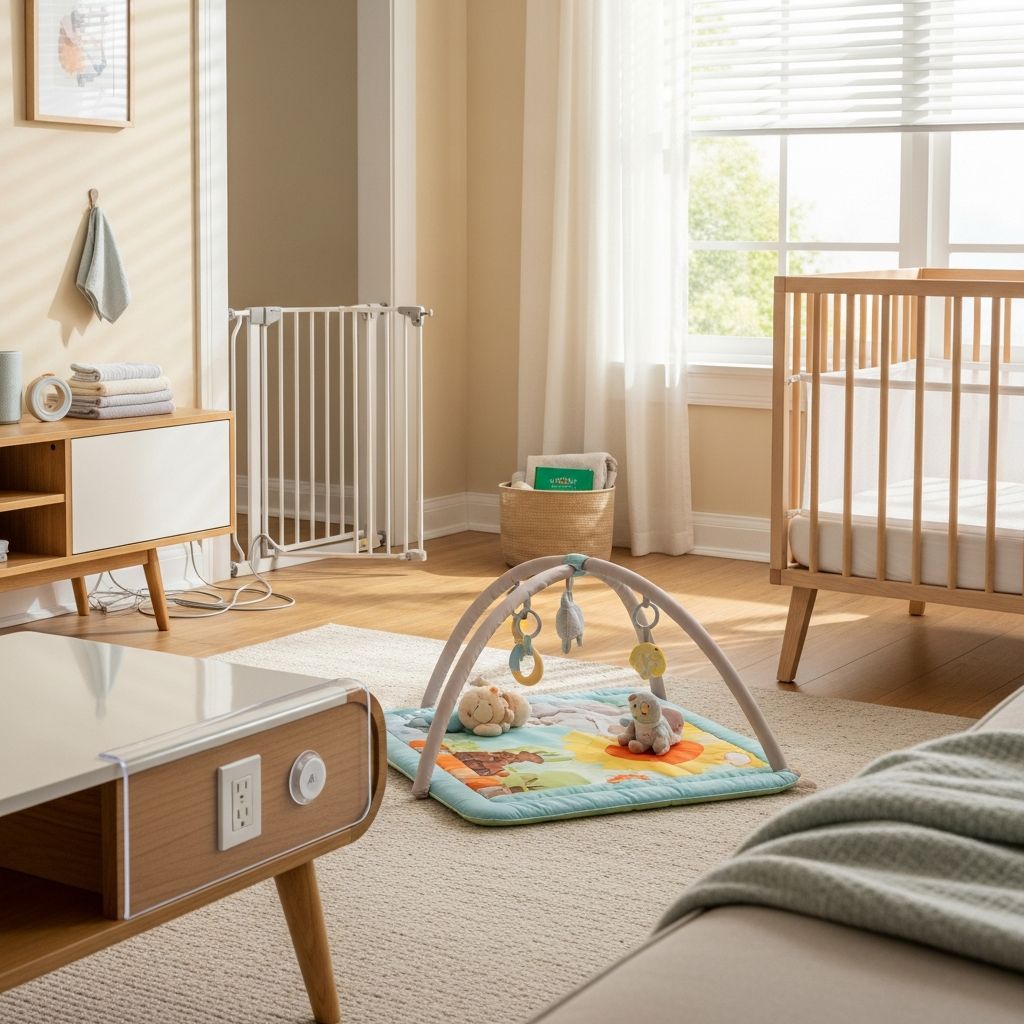
Supervision is non-negotiable: seat baby upright in a high chair, avoid distractions like screens or toys, and never leave them unattended. Learn infant CPR via resources like the Red Cross for preparedness. Insist on calm environments to prevent rushed eating, which heightens choking odds.
Texture Testing Rule
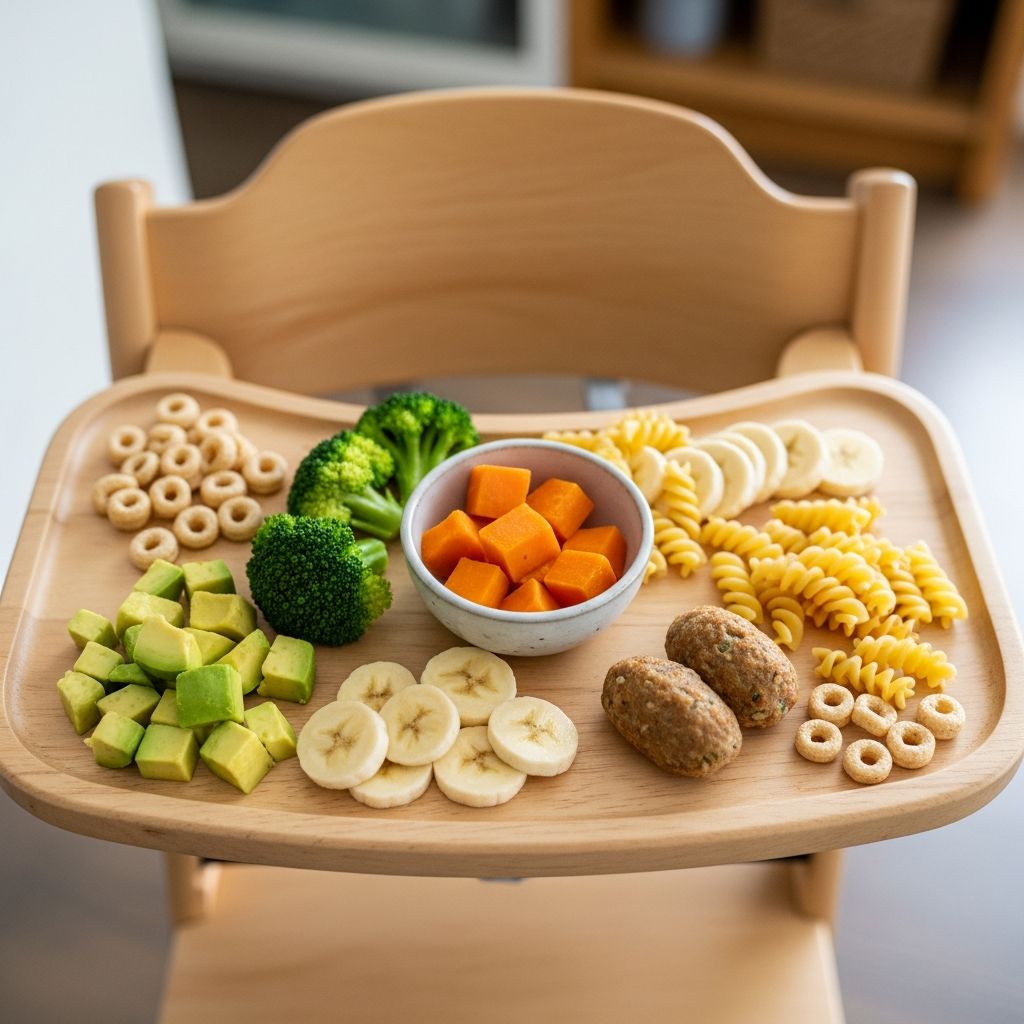
Prime finger foods must squish easily between thumb and forefinger, ensuring gums can handle them without teeth. Start with steamed veggies or ripe fruits; overly firm items like raw carrots pose dangers until later stages.
Optimal Sizes and Shapes for Growing Hands
Tailor portions to age: for 6-8 months, opt for stick shapes (pinky-finger length, 1-2 cm wide) that protrude from fists for safe nibbling. Avoid small dices pre-pincer grasp, as they slip from reach and risk direct mouth placement. By 9-12 months, transition to bite-sized halves or quarters.
| Age Group | Recommended Size/Shape | Examples |
|---|---|---|
| 6-8 Months | Large sticks or big pieces (two fingers wide) | Steamed broccoli florets, banana halves |
| 9-12 Months | Bite-sized (squashable quarters/halves) | Blueberry halves, soft cheese sticks |
| 12+ Months | Smaller dices with supervision | Cooked pasta shapes, tofu cubes |
This progression supports skill-building while curbing hazards.
Choking Hazards: What to Steer Clear Of
Choking tops concerns during weaning; certain foods’ shapes, textures, or stickiness obstruct airways. CDC warns against small, hard, or round items. KidsHealth echoes avoiding whole grapes, nuts, and popcorn until age 4.
- Round culprits: Grapes, cherry tomatoes, blueberries—quarter or squash them.
- Hard/sticky offenders: Raw veggies, nut butters in scoops, untoasted bread.
- No-gos until later: Whole nuts, hot dogs (slice lengthwise thin), gummy candies.
Cut avoids coin-shapes; prefer long batons for items like parsnips. For slippery foods (e.g., kiwi), roll in ground flax or crumbs for grip.
Nutrient-Rich Finger Food Categories
Prioritize whole foods over processed puffs, which offer scant nutrition. Aim for iron-rich meats, full-fat dairy, and veggie variety to fuel growth.
Fruits: Nature’s Sweet Starters
Ripe, soft fruits provide vitamins; squash blueberries, halve larger berries post-9 months. Banana spears, steamed apple sticks, or kiwi bites (pincer-ready) delight tiny tasters.
- Peeled pear slices
- Mango batons
- Stewed peach wedges
Veggies: Building Blocks of Health
Steam or roast for softness: broccoli trees, sweet potato fries, carrot sticks (well-cooked). Avoid large chunks initially.
Proteins: Fuel for Development
Soft-cooked options like scrambled egg strips, ground meat patties, or tofu fingers supply iron and zinc. Cheese sticks (full-fat, small) aid calcium intake; non-dairy? Broccoli or tahini.
Grains and Carbs: Easy Energy Boosts
Overcook pasta shapes, cut pancakes into strips, or offer porridge fingers. Lightly toasted bread fingers beat untoasted for reduced stickiness.
Stage-Specific Meal Inspirations
Offer 1-2 tablespoons per new food alongside familiars, 2-3 times daily by weaning week two. Mix textures for fun.
6-9 Months Breakfast
- Oat fingers with mashed banana
- Scrambled egg ribbons
- Steamed carrot sticks
9-12 Months Lunch
Combine cheese sticks, pasta twists, and pea mash for balanced plates.
On-the-Go Snacks
Pack in compartmentalized containers: cooled muffins, fruit purees in pouches (supervised), or veggie batons. Reheat thoroughly, cool fully to dodge hot spots.
Allergy Awareness and Introduction Strategies
Introduce allergens like peanut products or wheat one at a time, watching for reactions. Kiwi or citrus may irritate skin but rarely cause allergies. Full-fat dairy supports growth; alternatives need fortification. Patience pays—10+ exposures may precede acceptance.
Cleaning Up and Storage Smarts
Fridge steamed/roasted foods 2-3 days; freeze purees into fingers. Discard uneaten portions post-meal for hygiene.
Frequently Asked Questions
What if my baby gags on finger foods?
Gagging is normal, preceding the gag reflex; it protects airways. Avoid pushing food deeper—let baby self-resolve.
Can finger foods replace purees entirely?
No, blend both for variety; finger foods build skills while purees ensure nutrition.
How often should we offer new foods?
One new item daily, with 3-5 days observation for allergies.
Are puffs or rusks necessary?
Not really—opt for nutrient-dense alternatives like plain oats.
What if baby refuses finger foods?
Persist gently over tries; model eating and keep sessions short.
References
- Baby Finger Foods: A Busy Mom’s Guide to Starting Solids — New Modern Mom. 2023. https://newmodernmom.com/blog/baby-finger-foods/
- How to Introduce Finger Foods from the Start of Weaning — Annabel Karmel. 2021-10. https://www.annabelkarmel.com/wp-content/uploads/2021/10/FINGER-FOODS-GUIDE_final.pdf
- Finger Foods for Babies: A Complete Guide for Parents — Doddl. 2024. https://doddl.com/blogs/tips-and-advice/finger-foods-for-babies-a-complete-guide-for-parents
- Food Sizes & Shapes to Serve Baby at Each Age — Solid Starts. 2024. https://solidstarts.com/safe-food-sizes-shapes-for-babies/
- Choking Hazards | Infant and Toddler Nutrition — Centers for Disease Control and Prevention (CDC). 2025-01-10. https://www.cdc.gov/infant-toddler-nutrition/foods-and-drinks/choking-hazards.html
- Finger Foods for Babies — Nemours KidsHealth. 2024. https://kidshealth.org/en/parents/finger-foods.html
- Is Your Baby Ready for Finger Foods? — Strong4Life. 2023. https://www.strong4life.com/en/feeding-and-nutrition/starting-solid-foods/is-your-baby-ready-for-finger-foods