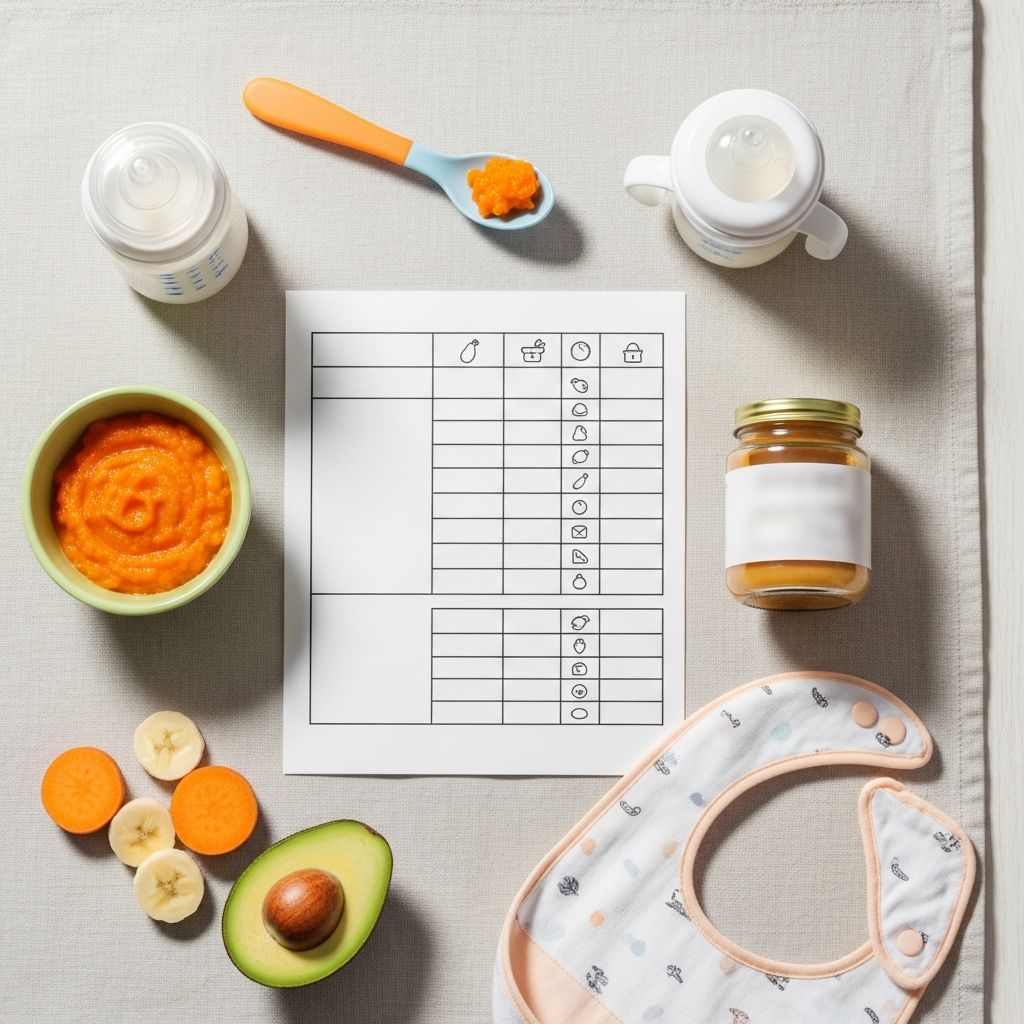
Proper nutrition lays the foundation for your baby’s growth, immune system, and cognitive development during the crucial first year. This guide outlines evidence-based recommendations for milk feedings, introducing solids, and adjusting schedules as your infant matures. Tailor approaches to your baby’s cues while consulting pediatricians for personalized advice.
Understanding Newborn Nutrition Needs (Birth to 1 Month)
Newborns have tiny stomachs requiring frequent, small feedings to meet high energy demands. Breast milk or formula provides all essential nutrients initially. Feed on demand, typically every 2-3 hours, totaling 8-12 sessions in 24 hours.
- Breastfed babies: Nurse whenever hungry; aim for 8-12 feedings daily. Colostrum transitions to mature milk by day 5.
- Formula-fed: Start with 2-3 ounces per feeding, increasing gradually based on hunger signals like rooting or sucking fists.
Average intake: 1-3 ounces per session. Wet diapers (6+ daily) and steady weight gain confirm adequacy. Avoid water or other liquids to prevent diluting vital nutrients.
Building a Routine: 1-3 Months Feeding Patterns
As babies grow, stomach capacity expands, allowing slightly larger, less frequent feedings. Nighttime stretches may lengthen, promoting sleep consolidation.
| Age | Feedings per Day | Ounces per Feeding (Formula) | Breastfeeding Notes |
|---|---|---|---|
| 1 Month | 8-10 | 2-4 oz | On demand, 2-3 hours apart |
| 2 Months | 6-8 | 4-5 oz | Every 3-4 hours |
| 3 Months | 5-6 | 4-6 oz | Clusters may occur evenings |
Monitor for satiety cues: relaxed hands, turning away. Burp midway and post-feeding to reduce spit-up. Total daily formula: 20-24 ounces by end of quarter.
4-6 Months: Preparing for Solids
Around 4-6 months, many infants show readiness for complementary foods: good head control, interest in spoons, and reduced tongue-thrust reflex. Continue milk as primary nutrition (24-32 ounces daily), introducing solids gradually.
- 3-5 milk feedings/day: 6-8 ounces each.
- Begin iron-fortified single-grain cereal (rice/oat), mixed thin with breast milk or formula: 1-2 tablespoons, 1-2 times daily.
Offer one new food every 3-5 days to monitor allergies. Purees of vegetables or fruits follow cereal. No honey, cow’s milk, or added sugars/salt yet.
Expanding the Menu: 7-9 Months Milestones
Solids increase to 2-3 meals daily, with textures advancing to mashed or soft finger foods. Milk remains 24-32 ounces, spread over 4-5 feedings.
| Food Group | Amount & Frequency | Examples |
|---|---|---|
| Cereal/Grains | 3-5 tbsp, mixed; 1-2x/day | Iron-fortified oatmeal, barley |
| Fruits/Veggies | 2-4 tbsp pureed/mashed, 2x/day | Applesauce, carrots, peas |
| Proteins | 1-2 tbsp strained, 1-2x/day | Yogurt, pureed poultry |
| Finger Foods | Small pieces as tolerated | Soft crackers, banana slices |
Encourage self-feeding with utensils or hands for motor skills. Cup introduction aids weaning from bottle.
10-12 Months: Toward Toddler Eating
By 10-12 months, babies eat three meals plus snacks, with finely chopped family foods. Milk decreases to 24-30 ounces over 3-4 feedings; solids dominate calories.
- Full meals: mashed bites, tender meats (2-3 tbsp), grains (1/4-1/2 cup).
- Finger foods: cheese, cooked veggies, pasta.
- Shift to sippy cup; limit juice to 4 oz diluted.
Wean from bottle by 12 months to prevent dental issues. Prioritize iron-rich foods amid growth spurts.
Breastfeeding Throughout the Year
Exclusive breastfeeding for 6 months is ideal, continuing with solids up to 1 year or longer. Frequency adjusts: 4-6 sessions by 9 months. Pump if supplementing. Benefits include antibodies and bonding.
Formula Feeding Best Practices
Use iron-fortified formula until 12 months. Prepare per instructions; never dilute. Discard leftovers after 1 hour. Transition to whole cow’s milk post-1 year if not breastfeeding.
Recognizing Hunger and Fullness Signals
Responsive feeding prevents over/under-eating. Hunger: lip smacking, fist chewing. Fullness: slowing pace, head turning. Respect cues to foster healthy habits.
Safety Essentials for Introducing Solids
Avoid choking hazards: no nuts, grapes, popcorn. Puree or mash initially. Sit upright during meals. Wash produce; cook thoroughly. Introduce allergens like peanut products early under guidance.
Common Feeding Challenges and Solutions
- Refusal: Offer variety; don’t force. Try cold/warm textures.
- Constipation: Increase fruits, water sips after 6 months.
- Allergies: Watch rash, vomiting; consult MD.
- Growth Plateaus: Track weight/height at checkups.
Visual Feeding Schedule Chart: Birth to 12 Months
| Age Range | Milk Feedings/Day | Milk Amount/Day | Solids Meals/Day | Key Additions |
|---|---|---|---|---|
| 0-1 Month | 8-12 | 15-24 oz | 0 | Exclusive milk |
| 1-3 Months | 6-8 | 20-28 oz | 0 | Lengthening intervals |
| 4-6 Months | 5-6 | 24-32 oz | 1-2 | Cereal, purees |
| 7-9 Months | 4-5 | 24-32 oz | 2-3 | Mashed foods, fingers |
| 10-12 Months | 3-4 | 24-30 oz | 3 + snacks | Table foods, cup |
Frequently Asked Questions
When should I start solids?
Around 6 months, when baby sits with support, shows interest, and has lost tongue-thrust. Consult pediatrician.
How much formula for a 2-month-old?
4-6 ounces every 3-4 hours, totaling 24-28 ounces daily, adjusted to cues.
Can I give water before 6 months?
No; milk suffices. Small sips post-solids okay after 6 months.
What if baby refuses new foods?
Persist 10-15 times; mix with familiars. Growth matters more than variety.
Signs of adequate nutrition?
6+ wet diapers, 3-4 stools (if breastfed), doubling birth weight by 6 months.
References
- Feeding Guide for the First Year — Stanford Medicine Children’s Health. 2023. https://www.stanfordchildrens.org/en/topic/default?id=feeding-guide-for-the-first-year-90-P02209
- Feeding Guide for the First Year — Nationwide Children’s Hospital. 2023. https://www.nationwidechildrens.org/conditions/health-library/feeding-guide-for-the-first-year
- The First 12 Months: What and When to Feed Your Baby — UC Davis Health. 2022. https://health.ucdavis.edu/media-resources/children/documents/general/First%2012%20Months_rev.pdf
- Feeding Your Baby in the First Year — Cleveland Clinic. 2024. https://my.clevelandclinic.org/health/articles/9693-feeding-your-baby-the-first-year
- How Much and How Often to Feed Infant Formula — Centers for Disease Control and Prevention (CDC). 2025-01-10. https://www.cdc.gov/infant-toddler-nutrition/formula-feeding/how-much-and-how-often.html