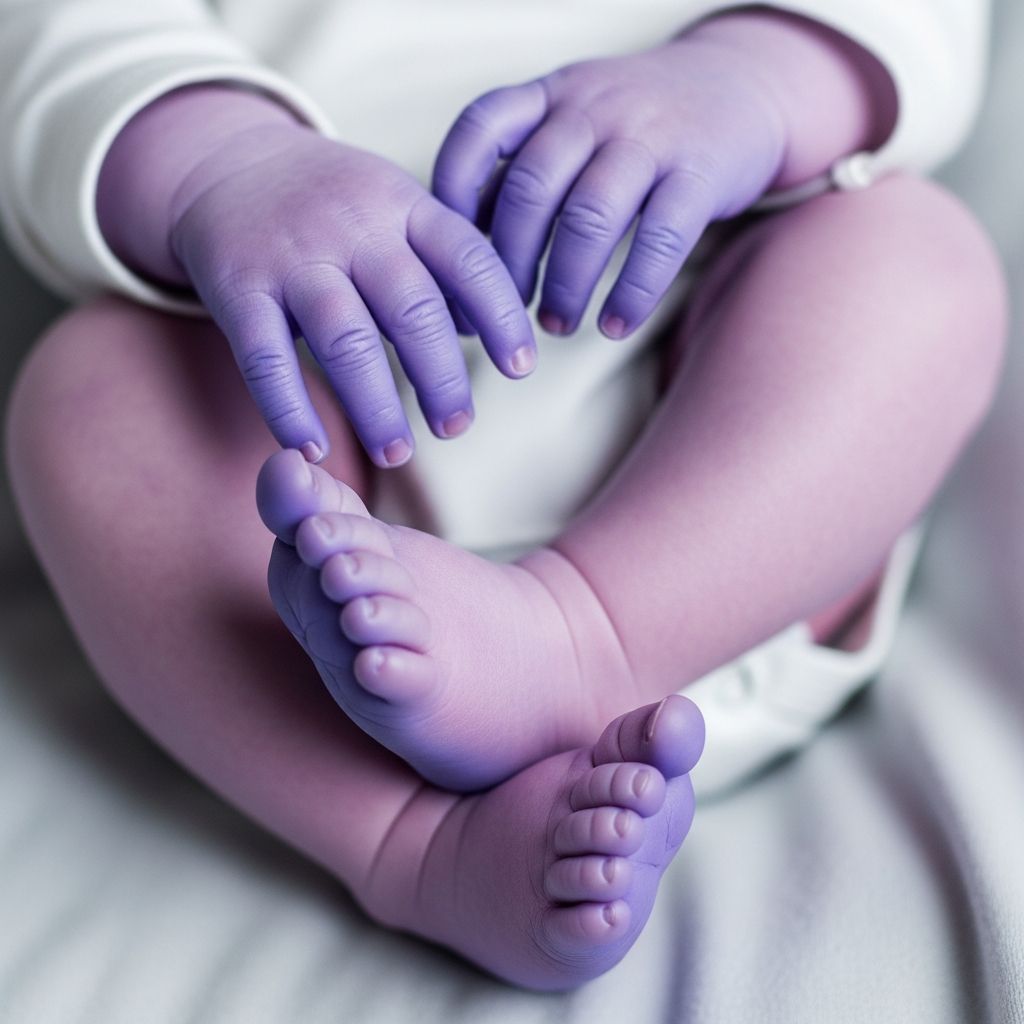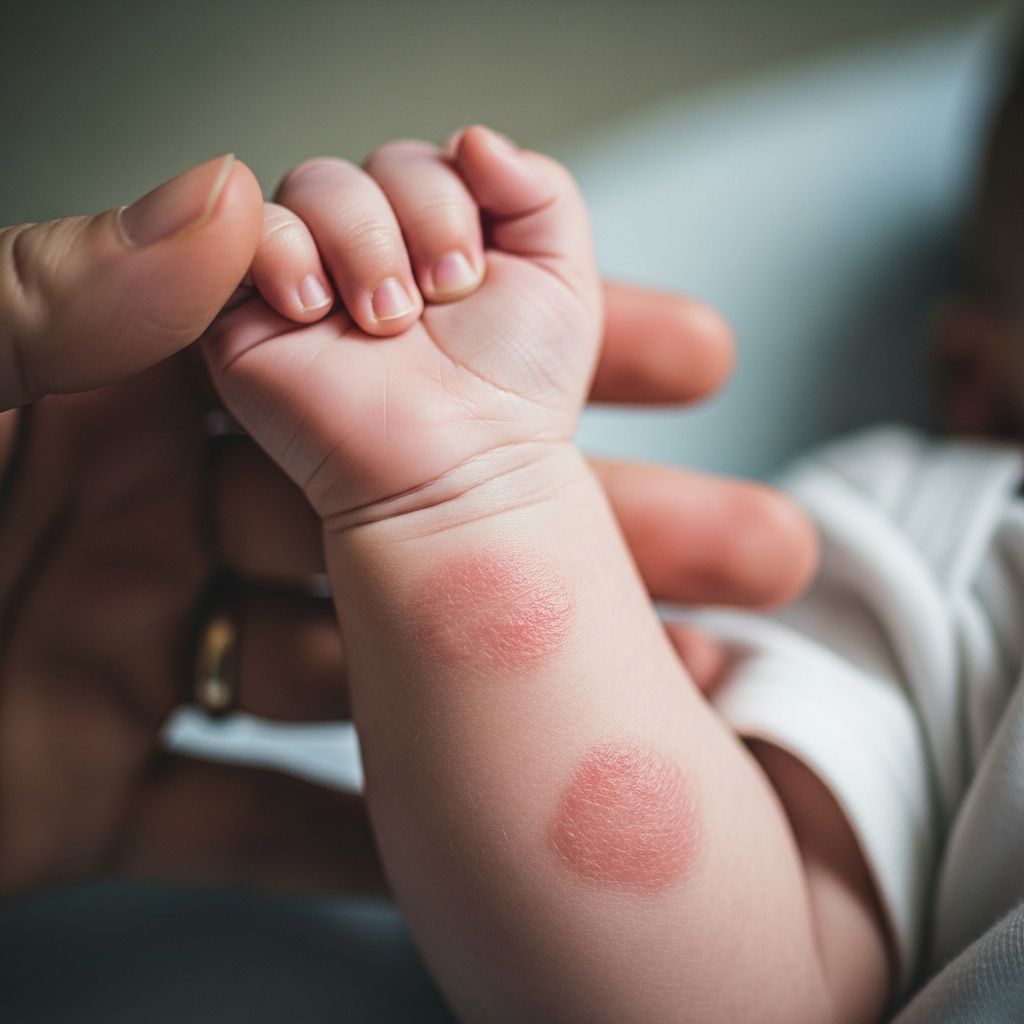
Infant eczema, a common skin condition characterized by red, itchy, inflamed patches, affects up to 20% of babies worldwide. Emerging research reveals a compelling connection between parental stress—particularly in mothers—and the onset or worsening of this condition in children. This bidirectional relationship creates a challenging loop: stressed parents struggle to manage flare-ups, while a baby’s discomfort heightens family tension. Understanding this dynamic is crucial for effective care.
The Science Linking Parental Stress to Baby Skin Issues
Scientific studies consistently demonstrate that maternal stress during pregnancy and postpartum periods correlates with increased eczema risk in offspring. A comprehensive review of multiple cohort studies found a positive association, with stressed mothers showing higher odds of their children developing atopic dermatitis symptoms by age two. For instance, adjusted relative risks ranged from 1.1 to 1.5 for various stress measures, including chronic stress and anxiety scales.
This link stems from biological mechanisms. Stress triggers the release of cortisol and other hormones that disrupt immune regulation in the fetus or infant. Elevated maternal cortisol can cross the placenta, altering the child’s developing immune system and promoting inflammation—a hallmark of eczema. Postnatally, ongoing stress in caregivers exacerbates skin barrier dysfunction, making babies more susceptible to irritants and allergens.
Animal models further support this. In mouse studies, prenatal stress led to offspring with eczema-like symptoms, highlighting how environmental stressors during gestation program skin vulnerabilities.
How Baby Eczema Amplifies Family Stress Levels
The impact flows both ways. Babies with eczema often experience intense itching, disrupted sleep, and irritability, which strain parental resources. Mothers of young children with moderate to severe eczema report significantly higher stress scores—up to 17% above norms on standardized scales like the Parenting Stress Index (PSI). About 46% reach levels warranting professional intervention.
Key contributors include:
- Sleep deprivation: Nighttime itching wakes babies frequently, leading to exhausted parents.
- Behavioral challenges: Affected infants display more clinginess, fearfulness, and mood swings, rated as ‘demanding’ by 67% of mothers.
- Emotional toll: Visible rashes and constant management evoke guilt, anxiety, and isolation.
Severity matters: Higher Eczema Area and Severity Index (EASI) scores directly correlate with elevated parental stress (r=0.52, p=0.002), explaining 20% of stress variance.
Biological Pathways: Cortisol, Immunity, and Skin Barrier
At the cellular level, stress hormones like cortisol impair skin repair. In eczema-prone babies, this weakens the epidermal barrier, allowing moisture loss and allergen entry. Chronic elevation disrupts T-cell balance, favoring pro-inflammatory responses.
| Stress Factor | Effect on Baby Eczema | Evidence Strength |
|---|---|---|
| Prenatal Anxiety | Increased AD symptoms at 2 years (RR 1.4-1.5) | Strong (cohort studies) |
| Postpartum Distress | Higher PSI scores, worse flares | Moderate (clinic-based) |
| Sleep Disruption Cycle | Amplified cortisol, barrier breakdown | Emerging |
This table summarizes key pathways, drawing from peer-reviewed data.
Recognizing Early Signs in Infants
Eczema typically appears between 2-6 months as dry, scaly patches on cheeks, elbows, or knees. Stress-influenced cases may flare more unpredictably, worsening with family tensions like new siblings or work pressures. Watch for:
- Persistent redness unresponsive to basic moisturizers.
- Night wakings due to scratching.
- Parental burnout signs: fatigue, irritability.
Early intervention breaks the cycle before it intensifies.
Proven Strategies to Reduce Stress and Soothe Eczema
Managing both requires a holistic approach. Prioritize these evidence-based steps:
- Optimize Sleep: Use wet-wrap therapy post-bath to lock in moisture and minimize itching. Blackout curtains and white noise help babies (and parents) rest better, lowering cortisol.
- Mindfulness Practices: Short daily sessions of deep breathing or guided meditation for parents reduce anxiety. Programs targeting prenatal stress show promise in lowering child eczema risk.
- Skincare Routine: Fragrance-free emollients applied twice daily strengthen the skin barrier. Avoid triggers like harsh soaps.
- Professional Support: Pediatric dermatologists or therapists can address severe cases. Stress reduction interventions are recommended community-wide.
Combining these yields better outcomes than symptom-only treatment.
Nutrition and Lifestyle Adjustments for Prevention
While not a cure, diet influences inflammation. Breastfeeding provides protective antibodies, potentially buffering stress effects. Probiotic-rich foods for mothers may modulate infant immunity, though evidence is preliminary.
Lifestyle tweaks include:
- Maintaining a cool, humid home environment to prevent dryness.
- Limiting exposure to known allergens like dust mites.
- Encouraging skin-to-skin contact to lower parental cortisol and bond.
When to Consult Healthcare Providers
Seek immediate care if eczema covers large areas, shows infection signs (oozing, fever), or if stress overwhelms daily life. Psychodermatology—a field blending skin and mental health—offers tailored plans. Thresholds for referral: PSI scores indicating high stress or EASI >15 (moderate-severe).
Frequently Asked Questions (FAQs)
Can parental stress alone cause baby eczema?
No, but it significantly raises risk and severity. Genetics and environment interact with stress via immune dysregulation.
How quickly does stress impact a baby’s skin?
Prenatally, effects emerge by 6-24 months; postpartum flares can occur within days of heightened tension.
Are there medications for stress-related eczema?
Topical steroids for flares; for stress, therapy or low-dose anxiolytics if prescribed. Always consult professionals.
Does father stress matter too?
Less studied, but family stress collectively influences caregiving and baby cortisol exposure.
Can lifestyle changes prevent flares?
Yes—consistent moisturizing, sleep hygiene, and stress tools reduce episodes by up to 50% in studies.
Long-Term Outlook: Hope for Families
Most infant eczema improves by school age, but addressing stress early prevents chronic issues. Families adopting integrated care report lower stress and healthier skin. Research continues to refine interventions, emphasizing prevention through community support.
(Word count: 1678)
References
- The Association between Maternal Stress and Childhood Eczema — PMC/NCBI. 2018-04-12. https://pmc.ncbi.nlm.nih.gov/articles/PMC5876940/
- What Triggers Eczema in Babies? — Happy Skin Pediatric Dermatology. 2025-11-21. https://www.happyskindermatology.com/2025/11/21/what-triggers-eczema-in-babies/
- Stress in mothers of young children with eczema — PMC/NCBI. 2007-10-18. https://pmc.ncbi.nlm.nih.gov/articles/PMC2083902/
- What’s the Connection Between Stress and Eczema Flares? — Clear Creek Dermatology. Accessed 2026. https://www.clearcreekdermatology.com/whats-the-connection-between-stress-and-eczema-flares/
- Managing Stress from Eczema — National Eczema Association. Accessed 2026. https://nationaleczema.org/eczema-management/stress/