In the first three months of life, infants embark on a fascinating journey of physical and sensory discovery. One of the most noticeable behaviors is bringing hands to the mouth, marking the transition from reflexive actions to intentional exploration. This period lays the foundation for motor skills, vision, hearing, and social interaction, transforming newborns into more responsive beings.
Physical Transformations in Early Infancy
During weeks 4 to 12, babies shed the tight, curled posture of newborns. Arms and legs extend more freely, and muscle tone relaxes, allowing smoother movements. Neck strength improves dramatically; by the end of this phase, most infants can lift their head and chest briefly while on their tummy, supporting themselves on elbows.
Hands, once clenched in fists, begin to open and close voluntarily. Infants grasp objects placed in their palms, such as rattles, and may drop them after brief interest. Active leg movements become more coordinated, with babies pushing down on their feet when held upright.
- Head bobbing reduces as neck muscles strengthen.
- Infants turn their head side-to-side on their belly.
- Arms swing toward dangling toys, showing emerging reach.
The Magic of Hand-to-Mouth Exploration
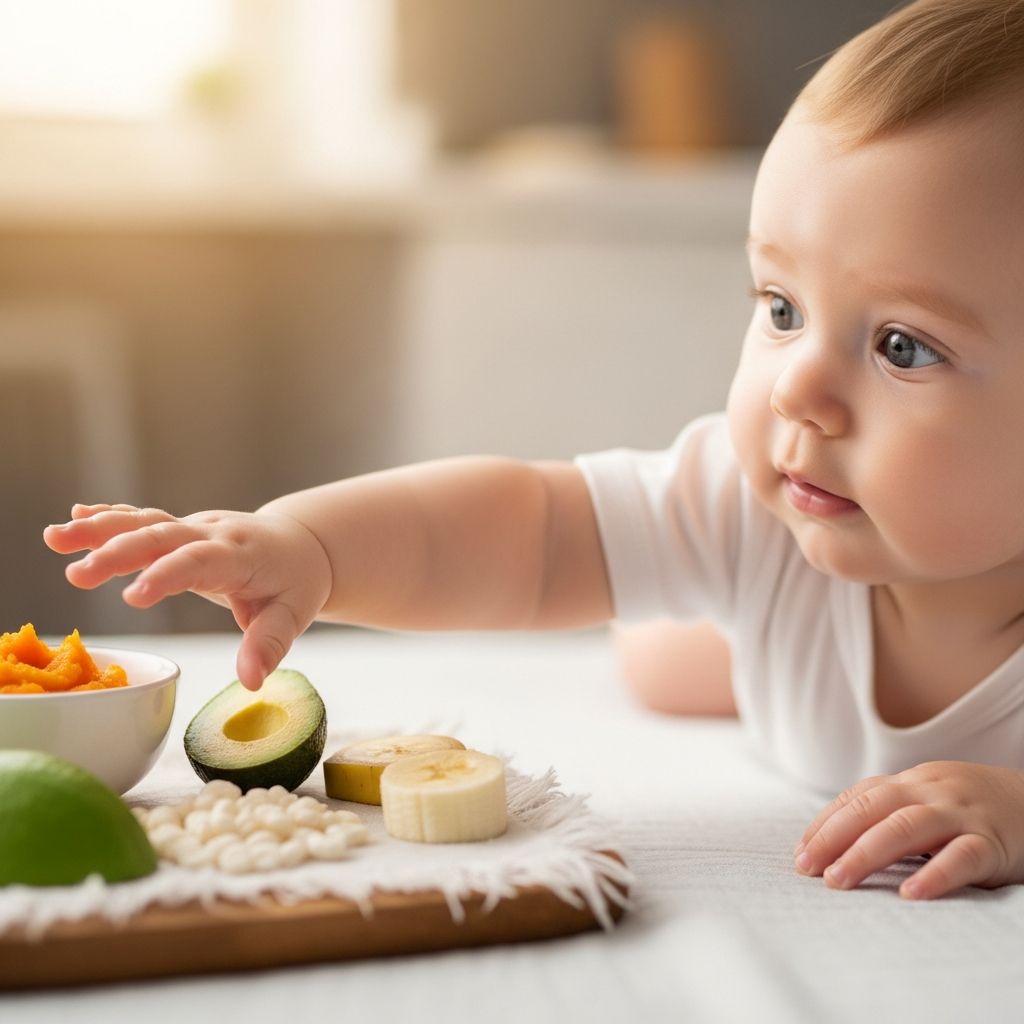
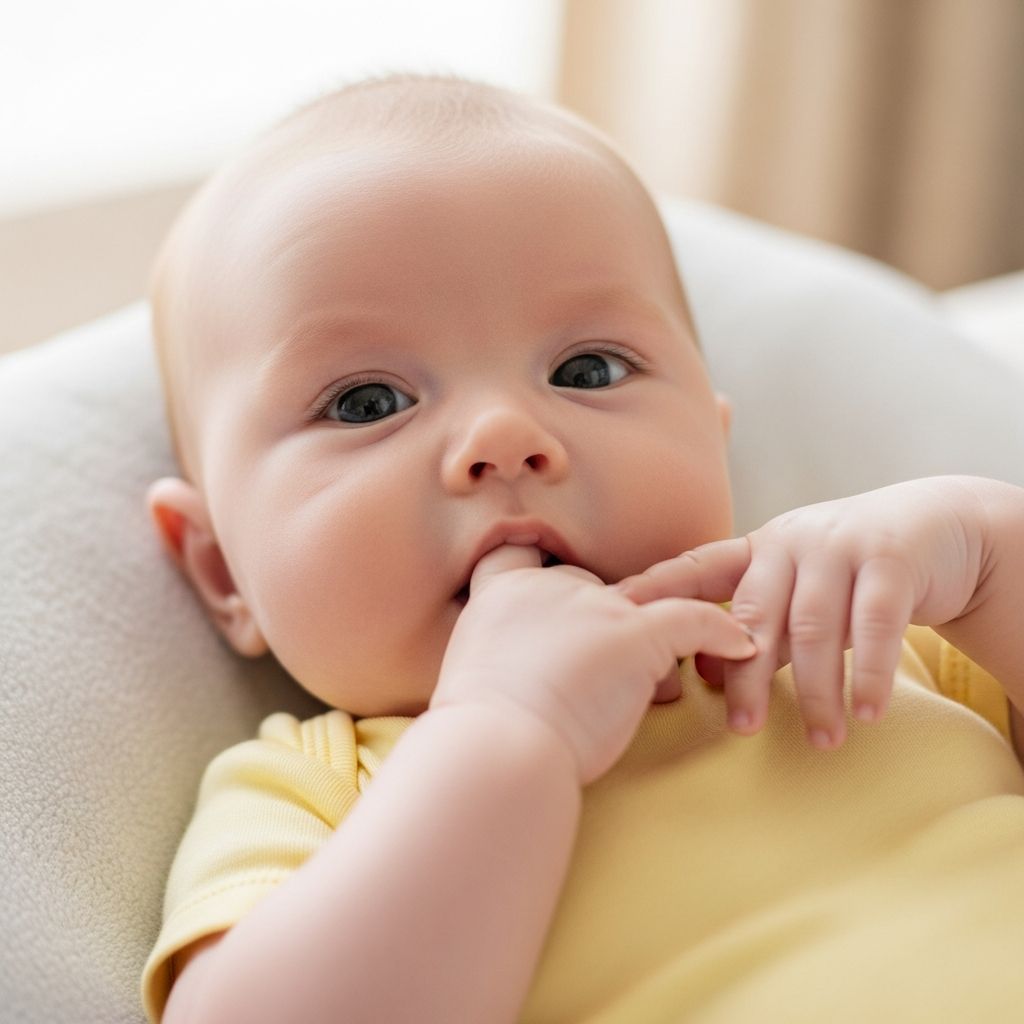
Bringing hands or small objects to the mouth is a hallmark milestone around 1-3 months. This action stems from fading newborn reflexes like rooting and mouthing, evolving into purposeful sensory play. Babies ‘discover’ their hands by watching them move, sucking on fingers to feel textures, and coordinating fist-to-mouth motions.
This behavior aids oral-motor development, teething preparation, and self-soothing. By month three, infants hold toys briefly before mouthing them, integrating vision, grasp, and touch.
| Month | Hand-Mouth Milestone | Related Skills |
|---|---|---|
| 1 Month | Mouthing reflex active; fists to mouth instinctively | Grasps tightly; startle reflex present |
| 2 Months | Opens/closes hands; smoother arm movements to mouth | Holds head up briefly; tracks faces |
| 3 Months | Reaches for and mouths objects; bats at toys | Lifts chest on tummy; voluntary grasping |
Sensory Awakening: Vision and Hearing Progress
Visual acuity sharpens as babies focus on high-contrast patterns and faces up to 12 inches away. They follow moving lights, objects, or caregivers’ gazes, eventually tracking across their midline. Color differentiation begins by month’s end.
Hearing refines too; infants turn toward familiar voices, coo in response, and startle less dramatically to noises. Different cries emerge for hunger, tiredness, or discomfort, signaling better communication.
- Recognizes parents’ voices and smiles socially around 2 months.
- Cooing and vowel sounds imitate adult speech.
- Rhythmic arm/leg movements sync with voices.
Social and Emotional Bonds Forming
Social smiles appear, lighting up interactions. Babies respond to faces with coos, gaze, and body wiggles, fostering attachment. They calm to rocking, singing, or holding, showing emotional regulation.
Face-to-face play builds trust; skin-to-skin contact boosts brain growth. By 3 months, play with others delights them, and separation may prompt fussing.
Daily Activities to Boost Development
Parents play a vital role in milestone achievement. Simple routines enhance skills without overwhelming tiny systems.
- Tummy Time: Place baby on belly 3-5 times daily for 1-3 minutes, gradually increasing. Supports neck, shoulder strength for hand exploration.
- Sensory Toys: Offer soft rattles, black-and-white mobiles. Shake gently for tracking practice; let them grasp and mouth safely.
- Interactive Talk: Narrate daily activities with exaggerated expressions. Respond to coos to encourage vocal turns.
- Music and Sounds: Sing lullabies, play soft music boxes or chimes. Mimic rhythms with claps or pats.
- Skin Contact: Hold upright for leg pushing; let grasp your finger during feeds.
Avoid screens; prioritize human interaction for optimal brain wiring.
Month-by-Month Growth Tracker
| Age | Motor | Sensory/Social | Language |
|---|---|---|---|
| 1 Month | Fists open slightly; head turns on tummy | Stares at faces; roots for feed | Cries vary by need; quietens to voice |
| 2 Months | Holds head steady; hands to mouth | Tracks objects; social smiles | Coos, gurgles responsively |
| 3 Months | Lifts chest; reaches/bats toys | Follows in all directions; laughs | Babbles vowels; imitates sounds |
Recognizing Potential Concerns
Most babies hit milestones variably, but persistent delays warrant pediatric check-ins. Monitor for:
- Hands always fisted; legs stiff/extended.
- No head lift or tracking by 3 months.
- No social smiles or voice response.
- Feeding issues: poor latch, excessive spilling.
- Overly floppy or arched posture; no cooing.
Early intervention via programs like CDC’s Act Early can address issues effectively. Track progress at well-visits.
Frequently Asked Questions (FAQs)
Is hand-to-mouth normal at 1-3 months?
Yes, it’s a key milestone for sensory and motor development, evolving from reflexes to exploration.
How much tummy time for a 2-month-old?
Start with short sessions totaling 15-20 minutes daily, building as strength grows.
When should my baby smile socially?
Around 6-8 weeks, in response to faces or voices; consult doctor if absent by 3 months.
What if my baby doesn’t track objects?
Practice with toys 8-12 inches away; see pediatrician if no progress by 3 months.
Can activities accelerate milestones?
Gentle stimulation supports natural pace; avoid forcing to prevent overstimulation.
Long-Term Impact of Early Milestones
These foundational skills predict later successes in crawling, grasping, and language. Hand-mouth coordination foreshadows fine motor feats like pincer grasp. Social responsiveness builds secure attachments, aiding emotional health.
Consistent nurturing yields resilient toddlers. Celebrate small victories; every wiggle counts toward independence.
References
- 1-3 Months Old Baby Development – CHOC — Children’s Hospital of Orange County. 2023. https://choc.org/ages-stages/1-to-3-months/
- Child Developmental Milestones for Infants (Months 1-3) — OCOEE Pediatrics. 2020-01-24. https://ocoeepeds.com/2020/01/24/child-developmental-milestones/
- Infant development: Birth to 3 months – Mayo Clinic — Mayo Clinic. 2023. https://www.mayoclinic.org/healthy-lifestyle/infant-and-toddler-health/in-depth/infant-development/art-20048012
- Fine motor skills: birth to 2 years | Children’s Hospital of Richmond — Children’s Hospital of Richmond at VCU. 2023. https://www.chrichmond.org/services/therapy-services/developmental-milestones/fine-motor-skills-birth-to-2-years/
- Movement, Coordination, and Your 1- to 3-Month-Old – KidsHealth — Nemours KidsHealth. 2023. https://kidshealth.org/en/parents/move13m.html
- Developmental Milestones: 3 Months – HealthyChildren.org — American Academy of Pediatrics. 2023. https://www.healthychildren.org/English/ages-stages/baby/Pages/Developmental-Milestones-3-Months.aspx
- Milestones by 2 Months | Learn the Signs. Act Early. – CDC — Centers for Disease Control and Prevention. 2025. https://www.cdc.gov/act-early/milestones/2-months.html