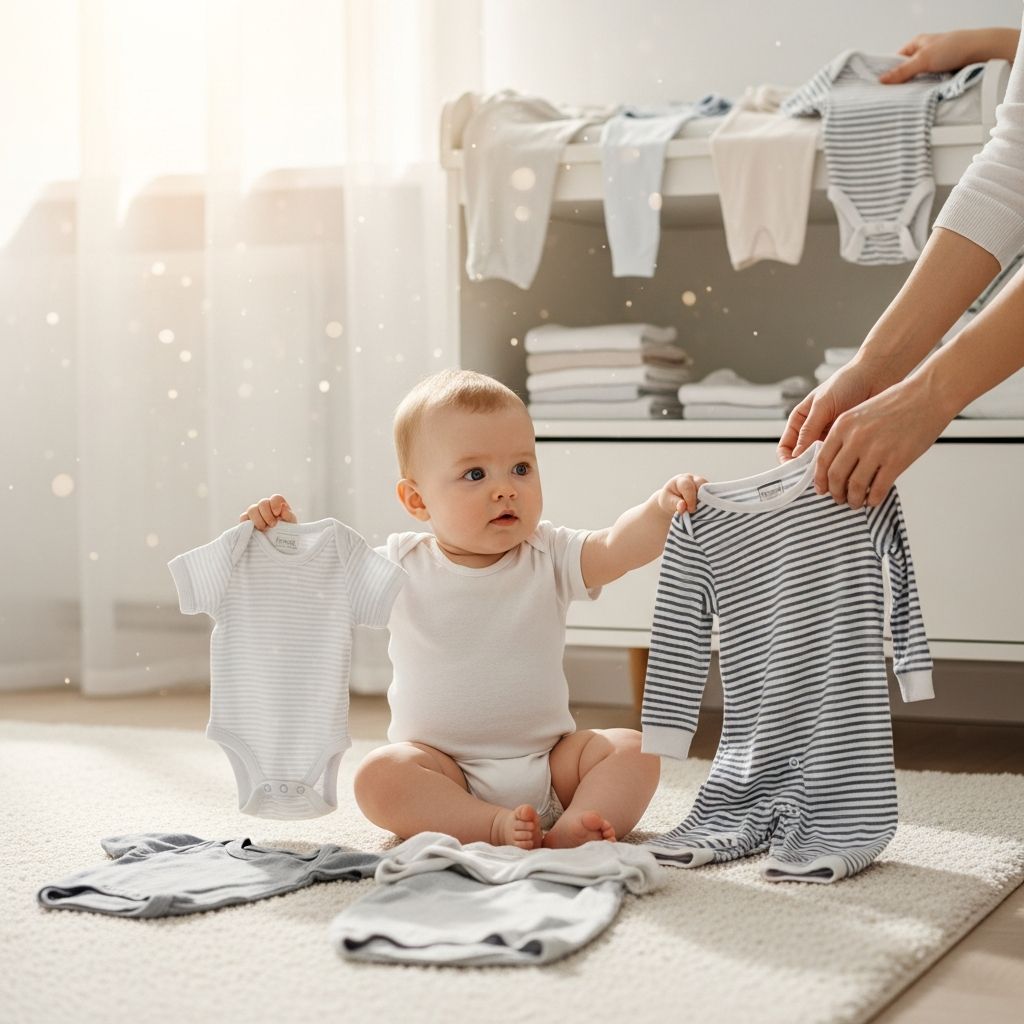
Parenting young children involves constant adaptation to their physical transformations, particularly evident in how frequently they outgrow their outfits. This rapid progression from one clothing size to the next not only demands logistical planning but also stirs deep emotions as it symbolizes the fleeting nature of infancy.
Understanding the Pace of Infant Development
Infants experience remarkable growth velocity in their first years, outpacing expectations for many families. Newborns often transition through multiple sizes within mere weeks, driven by weight gains and length increases that render initial wardrobes obsolete swiftly.
During the initial months, a baby’s body doubles in weight by around six months and triples by the first birthday, according to standard pediatric growth metrics. This acceleration means parents must anticipate changes proactively to maintain comfort and practicality in daily dressing routines.
Decoding Baby Clothing Sizes: A Comprehensive Guide
Unlike adult apparel, baby clothes are labeled primarily by age ranges such as 0-3 months or 6-12 months, yet these are mere approximations. Actual fit hinges on weight, height, and individual body proportions, varying significantly across brands.
| Development Stage | Typical Size | Weight Range (lbs) | Length Range (inches) |
|---|---|---|---|
| Preemie | P | <5 | <17 |
| Newborn | NB | 5-8 | 17-21 |
| 0-3 Months | 0-3M | 8-12.5 | 21-24 |
| 3-6 Months | 3-6M | 12.5-17 | 24-26.5 |
| 6-12 Months | 6-12M | 17-25 | 26.5-30.5 |
| 12-24 Months | 12-24M | 25-30+ | 30.5-34 |
This table illustrates standard ranges, emphasizing the need to measure your child regularly rather than relying solely on age labels.
Timeline of Growth Spurts and Size Transitions
- Newborn Phase (0-3 Months): Outgrowth every 2-3 weeks due to initial rapid weight gain and head circumference expansion.
- Infant Stage (3-12 Months): Shifts approximately every 2-3 months, coinciding with spurts around 6, 9, and 12 months.
- Toddler Years (12-24 Months): Less frequent, every 4-6 months, but bodies elongate, requiring longer inseams and torso lengths.
These patterns align with developmental milestones where nutritional demands surge, fueling accelerated physical changes.
The Emotional Side of Packing Away Tiny Outfits
Watching a child surpass clothing milestones evokes a mix of joy and melancholy for many parents. Each drawer of outgrown onesies serves as a tangible archive of memories—from the first hospital gown to the playful rompers of crawling adventures.
This sentiment stems from the universal parental awareness that infancy’s magic is ephemeral. Sorting through these items often prompts reflection on how swiftly time advances, blending pride in progress with a poignant reluctance to let go.
Practical Strategies for Managing Wardrobe Shifts
To streamline the process, parents can adopt several forward-thinking habits:
- Acquire versatile pieces with adjustable features like expandable waistbands, fold-over cuffs, and snap shoulders for extended wear.
- Retain tags on new garments until fit is confirmed, facilitating easy exchanges.
- Purchase one size ahead for longevity, particularly for gifts or during stable growth periods.
- Organize storage by size in labeled bins, rotating seasonally to access current needs efficiently.
Investing in durable, stretchy fabrics ensures garments withstand frequent washing and growth tugs without premature wear.
Brand Variations and How to Choose Wisely
Disparities in sizing between manufacturers complicate purchases. For instance, European brands tend toward slimmer cuts, while American lines prioritize roomier fits. Always consult specific brand charts and customer reviews for real-world accuracy.
When shopping, prioritize neutral colors and gender-flexible designs to maximize utility across siblings or resale potential. Online retailers often provide measurement tools to match purchases precisely to your child’s dimensions.
Budgeting for Continuous Clothing Updates
The financial aspect of frequent replacements can accumulate, prompting savvy approaches like consignment shopping, hand-me-down networks, and multi-pack deals on basics. Subscription services for baby apparel offer rotating sizes based on age inputs, reducing waste and cost.
Resale platforms allow selling gently used items, recouping investments while decluttering. Community swaps foster sustainability, connecting families in shared experiences of growth.
Health Indicators Through Growth Monitoring
Beyond clothing, tracking size changes provides insights into nutritional health and developmental normality. Pediatricians use growth charts from authoritative bodies like the CDC to benchmark progress, ensuring steady trajectories.
Unexpected plateaus or surges warrant professional consultation, as they may signal dietary adjustments or medical evaluations. Regular weigh-ins at well-child visits contextualize clothing needs within overall wellness.
Preparing for Toddlerhood: Anticipating Bigger Changes
As babies evolve into walkers and explorers, clothing priorities shift toward durability and functionality. Reinforced knees on pants, grippy soles on shoes, and layered options for variable activity levels become essential.
Toddlers’ proportions change with longer limbs and slimmer waists, necessitating belts or adjustable elastics. This stage introduces personal preferences, turning dressing into a negotiation of independence.
Sustainable Practices in Baby Wardrobe Management
With environmental concerns rising, opting for organic cottons, recycled materials, and ethical brands supports eco-friendly parenting. Donating or upcycling outgrown clothes extends their lifecycle, minimizing landfill contributions.
Modular clothing lines with mix-and-match components adapt to growth without full replacements, promoting longevity and reducing consumption.
Frequently Asked Questions
When should I start buying the next size up?
Begin when current clothes feel snug around the neck, wrists, or ankles, or if hems ride up excessively during movement. Proactive sizing prevents discomfort.
How often do growth spurts occur?
Newborns: every 2-3 weeks; Infants: every 2-3 months; Toddlers: every 4-6 months. Monitor for increased hunger and fussiness as precursors.
Is it better to buy expensive or affordable baby clothes?
Affordable basics in multi-packs suit rapid outgrowing, while investing in quality outerwear or special occasion pieces offers better value.
What if my baby is petite or large for their age?
Always select by measurements over age labels. Preemie or plus sizes accommodate variations effectively.
How do I store outgrown clothes emotionally?
Create a memory box with favorites, photographing milestones in outfits to preserve sentiment without clutter.
Long-Term Perspectives on Childhood Growth
Reflecting on these early phases, parents often find comfort in the continuity of love amid physical changes. Documenting growth through photos or journals transforms transient clothing into enduring stories of resilience and wonder.
As children advance, the frequency of wardrobe overhauls diminishes, allowing focus on personality-driven styles. Yet the lessons in adaptability from infancy equip families for all future stages.
References
- Preemie to Toddler: Sizing Guide for Every Stage of Baby Growth — Little Hometown. 2023-05-15. https://littlehometown.com/blogs/little-blog-town/preemie-to-toddler-sizing-guide-for-every-stage-of-baby-growth
- Motherhood is: Constantly switching out clothing sizes — Mother.ly. 2023-08-22. https://www.mother.ly/life/motherhood-is-constantly-switching-out-clothing-sizes-and-wondering-how-theyre-growing-up-so-fast/
- Size Maternity Clothes — Motherhood.com. 2024-02-10. https://motherhood.com/blogs/motherhood/size-maternity-clothes
- Why Is Getting Rid Of Baby’s Old Clothes So Hard? — The Bump. 2023-11-03. https://www.thebump.com/a/my-baby-is-growing-up-so-fast