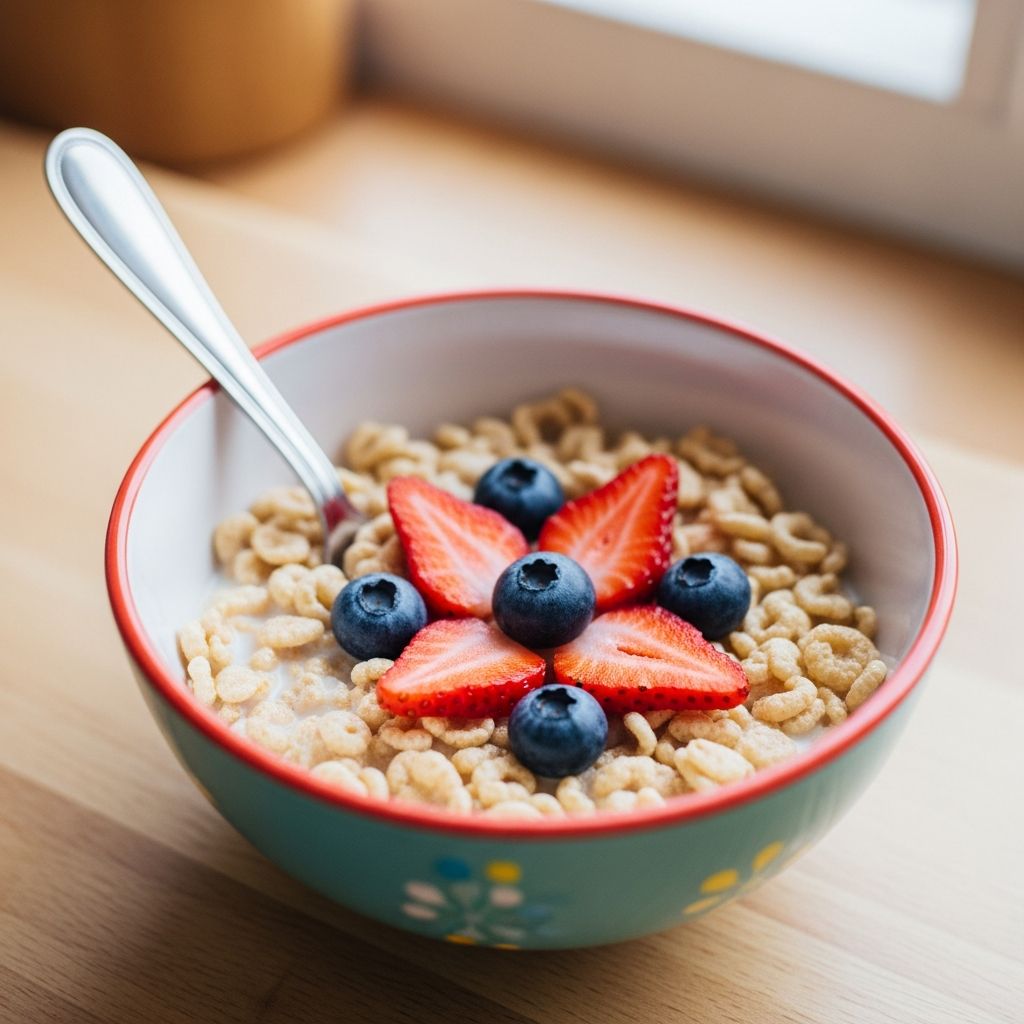
Baby cereal stands out as a cornerstone food during the transition to solids, offering a nutrient-packed option tailored for growing infants around six months old. Fortified with essential minerals like iron and zinc, it addresses key nutritional gaps while being gentle on tiny tummies.
Nutritional Powerhouse for Early Growth
At approximately six months, breast milk or formula alone can’t meet an infant’s rising energy demands, making complementary foods crucial. Baby cereals excel here, delivering dense carbohydrates, proteins, and bioactive elements vital for rapid development.
- Energy Boost: Cereals provide starch-rich carbs for sustained fuel, preventing fatigue in active babies.
- Protein Supply: Moderate protein levels support muscle and tissue building without overwhelming immature kidneys.
- Vitamin and Mineral Enrichment: Fortification adds B vitamins, vitamin E, and potassium, countering common shortfalls in young diets.
Whole grain versions amplify these perks by retaining bran and germ layers, loaded with fibers, antioxidants, and phytochemicals that bolster immunity and long-term health.
Iron Fortification: Combating Deficiency Risks
Iron stores from birth deplete by mid-infancy, heightening anemia risks that impair cognition and immunity. Iron-fortified baby cereals serve as an efficient delivery system, with high bioavailability ensuring absorption.
| Nutrient | Role in Infants | Source in Cereal |
|---|---|---|
| Iron | Supports blood production, brain development | Fortified levels exceed daily needs |
| Zinc | Boosts immune function, growth | Naturally present plus fortified |
| Fiber | Aids digestion, prevents constipation | Higher in whole grains |
Health authorities like the Minnesota Department of Health highlight cereals’ role in averting deficiencies, noting up to 63% of at-risk infants previously missed this vital intake.
Gut Health and Microbiota Development
Non-digestible carbs in cereals foster a mature gut microbiome, elevating beneficial Bacteroides populations. Studies show wheat, rice, oats, or sorghum introductions spark microbiota shifts, enhancing fermentation and nutrient uptake in 6-10-month-olds.
Whole grains outperform refined ones, promoting diverse microbes linked to reduced disease risks later in life. This foundational gut diversity sets the stage for lifelong digestive resilience.
Digestibility and Allergy Safety
Baby cereals’ mild flavor and adjustable texture—from thin purees to thicker mashes—suit developmental stages, minimizing rejection. Single-grain options like rice or oats pose low allergy risks, unlike gluten-containing wheat for initial introductions.
- Rice: Hypoallergenic, easy to digest.
- Oats/Barley: Introduce variety post-rice, building flavor acceptance.
- Quinoa/Lentils: Nutrient-dense alternatives for diversity.
Plain formulations avoid added sugars, sodium, or fats, aligning with Dietary Guidelines for Americans recommending iron-fortified cereals post-exclusive breastfeeding.
Navigating Concerns: Arsenic, Constipation, and Processing
Rice-based cereals may accumulate arsenic from soil, prompting rotation with oats, barley, or multigrain blends to limit exposure. While iron can occasionally constipate, hydration, purees, and varied fibers mitigate this; individual responses vary.
Critics note refined cereals’ nutrient stripping and phytic acid in grains potentially hindering mineral absorption, favoring whole or traditionally prepared options like soaked grains for better digestibility.
Mayo Clinic advises mixing 1 tablespoon cereal with 4 tablespoons breast milk/formula, served via spoon in an upright position to prevent choking—never in bottles.
Practical Tips for Introducing Baby Cereal
Begin post-readiness signs: good head control, interest in food, sitting with support. Start with 1-2 teaspoons once daily after milk feeds, gradually increasing.
- Choose iron-fortified, single-grain first.
- Mix to runny consistency, thickening as tolerated.
- Offer variety weekly to diversify nutrients and microbes.
- Monitor for allergies: rash, vomiting warrant pauses.
- Combine with fruits/veggies for palatability and balance.
Whole grains like oats provide superior nutrition over refined rice, per research advocating their use for optimal health outcomes.
Comparing Cereal Types: A Guide for Parents
| Cereal Type | Pros | Cons | Best For |
|---|---|---|---|
| Rice | Low allergy risk, digestible | Arsenic potential | First solids |
| Oat | High fiber, versatile | Slightly coarser texture | Variety building |
| Multigrain/Whole | Nutrient-rich, gut support | May need gradual intro | Long-term nutrition |
| Quinoa | Protein-packed | Stronger flavor | Adventurous eaters |
Long-Term Benefits and Healthy Habits
Incorporating baby cereal fosters positive feeding dynamics, exposing infants to grains early for broader acceptance later. Its role in preventing deficiencies—iron, zinc, fiber—lays groundwork for robust health, potentially lowering chronic disease risks via enhanced microbiota and antioxidant intake.
Historical innovations like fortified Pablum slashed deficiency rates, underscoring cereals’ public health impact.
Frequently Asked Questions About Baby Cereal
When should I start baby cereal?
Around 6 months, when baby shows readiness: sitting up, reaching for food, good head control. Follow exclusive breastfeeding guidelines first.
Is rice cereal safe given arsenic concerns?
Yes in moderation; rotate with oats or barley to minimize risks. Variety ensures balanced nutrition without over-reliance.
Does baby cereal cause constipation?
Iron may contribute in some babies; counter with water, pureed fruits like prunes, and movement. Consult pediatrician if persistent.
Whole grain or refined: which is better?
Whole grains offer more fiber, vitamins, and health benefits over refined, supporting superior nutrition and microbiota.
How do I prepare and serve it?
Mix 1 tbsp cereal with 4 tbsp liquid to runny state; spoon-feed upright 1-2x/day post-milk. Thicken gradually.
Can I mix cereal in the bottle?
No—risks choking and displaces nutrient-rich milk. Always spoon-feed.
This comprehensive guide empowers parents to leverage baby cereal’s strengths while addressing pitfalls, promoting thriving infants through informed choices. (Word count: 1678)
References
- Infant Cereals: Current Status, Challenges, and Future Opportunities — PMC/NCBI. 2019-03-15. https://pmc.ncbi.nlm.nih.gov/articles/PMC6412837/
- Infant Cereal: Topic of the Month — Minnesota Department of Health. 2024-07-01. https://www.health.state.mn.us/docs/people/wic/localagency/topicmonth/infantcereal.pdf
- Baby Cereal 101: a comprehensive guide for new parents — Happy Healthy Eaters. 2023-01-01. https://happyhealthyeaters.com/dietitians-guide-to-baby-cereal/
- Baby Food for Thought: How Safe is Rice Cereal? — UR Medicine/University of Rochester Medical Center. 2022-01-01. https://www.urmc.rochester.edu/news/publications/health-matters/baby-food-for-thought-how-safe-is-rice-cereal
- Solid foods: How to get your baby started — Mayo Clinic. 2024-01-01. https://www.mayoclinic.org/healthy-lifestyle/infant-and-toddler-health/in-depth/healthy-baby/art-20046200