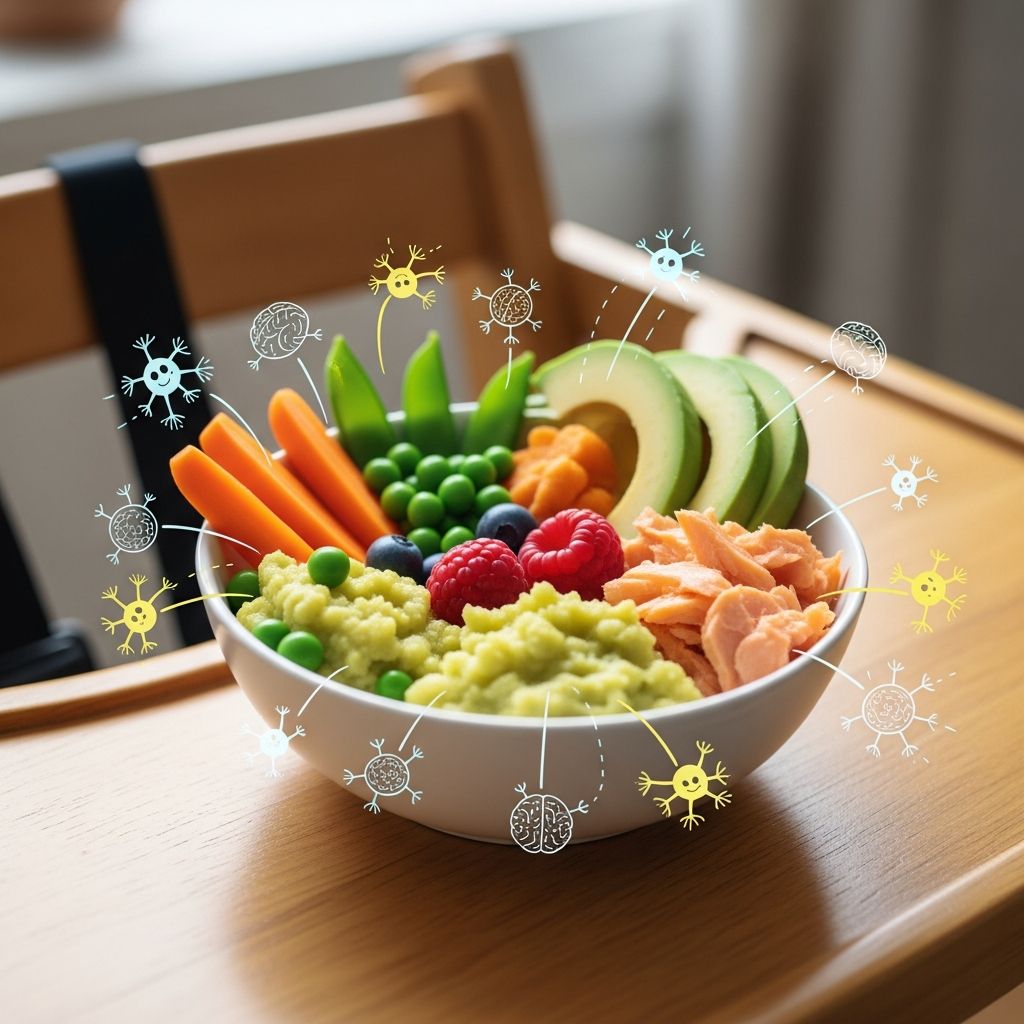
Understanding Your Baby’s Brain Development Timeline
A baby’s brain begins its remarkable growth journey long before birth, with formation commencing during pregnancy and accelerating rapidly through the early childhood years. One striking fact stands out: approximately 80% of a child’s brain develops between conception and age 2. This compressed timeline underscores the critical importance of proper nutrition during this window. While brain development continues steadily through adolescence, the first three years of life represent the period of most intense growth and neural connectivity, making nutritional choices during this phase particularly consequential for long-term cognitive function and health outcomes.
The brain’s nutritional demands during early development are exceptionally high because it relies on constant energy supply and building blocks to construct neural networks, develop myelin sheaths around nerve fibers, and establish neurotransmitter systems. Understanding this developmental timeline helps parents and caregivers recognize why introducing nutrient-dense foods early and maintaining consistent healthy eating patterns creates a foundation for intellectual capacity throughout childhood and beyond.
The Role of Macronutrients in Brain Development
Three primary macronutrients—carbohydrates, proteins, and fats—form the architectural and functional backbone of brain development. Each plays distinct but complementary roles in supporting the growing brain’s complex needs.
Carbohydrates: The Brain’s Primary Fuel Source
Carbohydrates function as the brain’s preferred energy currency, supplying glucose that powers neural activity continuously throughout the day and night. Since the human brain operates constantly, even during sleep, it requires an uninterrupted glucose supply to maintain cognitive function and support ongoing development. Whole grain sources of carbohydrates offer particular advantages because they deliver sustained energy while providing additional vitamins and minerals essential for brain health. Whole wheat flour, brown rice, quinoa, and whole grain cereals contain B vitamins like folate, which plays a crucial role in genetic material formation during pregnancy and supports ongoing neural development.
When introducing carbohydrate sources to babies transitioning to solid foods, prioritize whole grain options over refined carbohydrates, which lack the nutritional density that supports optimal brain growth. The steady energy provided by whole grains helps maintain stable blood glucose levels, preventing the energy crashes that interfere with concentration and cognitive performance.
Protein: Building Blocks for Neural Structure
Protein’s importance in brain development extends far beyond providing calories—it supplies amino acids that the brain and central nervous system require to function properly. Amino acids serve as precursors for neurotransmitters, the chemical messengers that enable communication between neurons and influence mood, memory, learning capacity, and attention span. Additionally, proteins contribute to the structural components of nerve cells and support the formation of myelin, the insulating sheath around nerve fibers that enables rapid signal transmission.
Dietary guidelines recommend that protein constitute approximately 20% of a person’s daily caloric intake, with children aged 3-5 years targeting 3-5 ounces daily. Excellent protein sources include seafood, lean meats and poultry, eggs, legumes such as beans and peas, nuts, seeds, and soy products. Eggs deserve particular mention as a nutritional powerhouse, containing virtually all nutrients recommended by the American Academy of Pediatrics for infant brain growth, including protein, DHA, choline, lutein, and zeaxanthin.
Healthy Fats: Essential for Brain Structure
The brain’s physical structure is largely composed of fat, making healthy dietary fat intake essential for optimal neural development. Beyond structural support, healthy fats provide essential fatty acids and vitamin E, nutrients that have been extensively researched for their effects on cognition, attention span, and overall neurological health. Omega-3 fatty acids, particularly docosahexaenoic acid (DHA) and eicosapentaenoic acid (EPA), deserve special emphasis due to their critical roles in eye and nervous system development.
Inadequate omega-3 intake during critical developmental periods has been associated with increased risk of attention disorders and ADHD. Cold-water fatty fish such as salmon, sardines, mussels, and trout provide abundant omega-3 fats alongside other brain-supporting nutrients including zinc, protein, iodine, and iron. The U.S. Department of Agriculture recommends omega-3 rich seafood twice weekly, approximately 8 ounces total, while avoiding high-mercury fish such as shark and swordfish. Additional sources of healthy fats include vegetable oils, nuts, flax seeds, and avocados, which can be incorporated into meals as babies progress to varied solid foods.
Micronutrients Critical for Neural Development
While macronutrients provide structure and energy, micronutrients—vitamins and minerals—enable the biochemical processes that drive brain development and function. Several micronutrients deserve particular attention due to their outsized impact on neural outcomes.
Iron: Supporting Cognitive Development
Iron deficiency remains the most common nutrient deficiency among American children, yet even marginal iron insufficiency has been shown to cause measurable cognitive decline. Iron supports energy metabolism in the developing brain and is required for the formation of myelin and neurotransmitters that facilitate neural communication. The American Academy of Pediatrics recommends introducing iron-rich foods between 4-6 months of age, including strained beef or chicken, seafood, dark leafy green vegetables, beans, tofu, and iron-fortified cereals.
Two forms of dietary iron exist: heme iron from animal sources and non-heme iron from plant sources. Heme iron, found in meat, seafood, and poultry, is more efficiently absorbed by the body, while non-heme iron from nuts, green vegetables, beans, and fortified grains has lower bioavailability. Pairing non-heme iron sources with vitamin C-rich foods such as strawberries, tomatoes, mangoes, bell peppers, and broccoli significantly enhances iron absorption, making combination meals particularly effective for supporting iron status.
Choline: Enhancing Memory and Learning
Choline, a B-complex vitamin, plays an essential role in early brain development, memory formation, and learning capacity. This nutrient supports the production of healthy cells and cell signaling within the brain, including memory stem cells critical for cognitive function throughout life. Choline is also involved in manufacturing neurotransmitters that regulate mood and memory consolidation, making it foundational for emotional and cognitive development.
Both breast milk and most infant formulas contain choline, ensuring that nursing and formula-fed babies receive adequate amounts during their earliest months. As babies transition to solid foods, excellent choline sources include eggs, dairy products, chicken, fish, beans, and citrus fruits. The presence of choline in eggs alongside DHA and lutein creates a synergistic combination that research suggests may have interactive effects on brain development beyond what individual nutrients alone provide.
Folate and B Vitamins: Supporting Neural Architecture
Folate (also called folic acid in fortified foods) plays a crucial role during pregnancy and early infancy by supporting the formation of genetic material and neural structures. This B vitamin is particularly important during the period of rapid cell division and neural tube formation. Whole grains, beans, and citrus fruits provide natural sources of folate, while fortified grains and supplements offer additional insurance during pregnancy and early postpartum months.
Vitamin B12 is similarly critical, as sufficient levels are required for neuronal development and the formation of myelin sheaths that insulate nerve fibers. Maternal B12 deficiency during pregnancy can result in serious developmental consequences for infants, including neurological regression, nerve demyelination, and cerebral atrophy. Reliable B12 sources include animal products such as meat, fish, dairy, and eggs, making these foods valuable for mothers planning pregnancy or nursing infants.
Iodine and Zinc: Enabling Neural Function
Iodine supports thyroid function, which in turn regulates metabolism and neurological development. Both seafood and dairy products provide reliable iodine sources, though iodized salt offers an additional option for families incorporating this mineral into their diets. Cold-water fish such as salmon and sardines deliver iodine alongside other essential nutrients including DHA, iron, and zinc.
Zinc is essential for neurotransmitter function and supports the metabolic processes that power the developing brain’s high energy demands. This mineral is found in meats, seafood, legumes, nuts, and seeds, making it accessible through diverse dietary patterns. The zinc content in seafood, eggs, and poultry-based meals contributes to their status as particularly brain-supportive foods for growing children.
Vitamins A and D: Supporting Vision and Immune Function
Vitamin A contributes to visual development and immune function, supporting the overall health that enables optimal brain development. Dark orange and green vegetables, liver, and fortified dairy products provide vitamin A, which is fat-soluble and therefore better absorbed when consumed with healthy fat sources. Vitamin D plays a regulatory role in chemical messenger function within the nervous system and supports calcium absorption necessary for nerve signaling. Fatty fish, egg yolks, and fortified milk products deliver vitamin D, though adequate sun exposure also enables the body to synthesize this nutrient.
The Importance of Hydration and Supporting Nutrients
Water comprises a substantial portion of brain tissue and is vital for numerous neural functions, including nutrient transport and cushioning the brain against physical stress. Brain function measurably decreases when the body becomes dehydrated, even at modest levels of fluid deficit. Ensuring that children have regular access to water throughout the day supports ongoing cognitive function and concentration. While infants obtain hydration primarily through breast milk or formula, offering water alongside solid foods as babies transition to varied diets helps establish healthy hydration habits from early childhood onward.
Milk itself—whether breast milk, infant formula, or cow’s milk—serves as an important nutritional vehicle for brain development. Milk provides essential calories, fat, and protein alongside calcium and vitamin D. Calcium is vital for nerve cell transmission, while vitamin D regulates chemical messengers within the nervous system. Current guidelines recommend that children aged 1-2 years consume whole milk, which provides healthy fats critical for continued brain development during this period of neural refinement.
Foods to Emphasize During Critical Developmental Periods
Research identifies mid-gestation through age two as the window of greatest nutritional sensitivity for brain development. During this period, the following food categories should feature prominently in diets:
- Fatty Fish: Salmon, sardines, trout, and mussels deliver DHA, EPA, iodine, zinc, iron, and protein in a single convenient package
- Eggs: Contain protein, DHA, choline, lutein, zeaxanthin, and additional micronutrients essential for neural growth
- Poultry and Lean Meats: Supply high-quality protein, heme iron, B vitamins, and zinc for neurological development
- Dairy Products: Provide calcium, vitamin D, protein, and choline for nerve function and brain structure
- Legumes: Offer plant-based protein, folate, iron, and zinc for families incorporating varied protein sources
- Leafy Green Vegetables: Deliver folate, iron, and various micronutrients supporting neural processes
- Fortified Grains: Whole grain options provide B vitamins, folate, and sustained energy release
- Nuts and Seeds: Contain healthy fats, protein, and minerals supporting brain structure and function
Practical Implementation for Different Life Stages
Pregnancy Nutrition for Fetal Brain Development
During pregnancy, maternal nutrition directly influences fetal brain formation and long-term cognitive capacity. Expectant mothers should prioritize consuming varied nutrient-dense foods emphasizing folate sources such as beans and citrus, iron-rich meats and vegetables, iodine from seafood or fortified salt, choline from eggs and dairy, and omega-3 fats from fatty fish or plant sources. Food safety considerations around fish selection—avoiding high-mercury species—help maximize nutritional benefits while minimizing potential risks.
First Foods and Transition to Solids
As babies begin consuming solid foods around 6 months, introducing iron-rich options early supports cognitive development during a period when maternal iron stores begin depleting. Offering foods with varying nutrients across multiple introductions—rather than limiting infants to single-nutrient foods—helps build diverse micronutrient profiles. Cooked salmon, egg yolks, iron-fortified cereals, and pureed meats represent excellent starter foods delivering multiple brain-supporting nutrients simultaneously.
Toddlerhood and Extended Childhood
As toddlers advance to family meals, maintaining emphasis on brain-supportive foods helps consolidate neural development gains from infancy. Including varied protein sources, whole grains, colorful vegetables, and healthy fat sources at most meals ensures continued nutrient availability during the years of ongoing brain refinement extending through early school age.
Frequently Asked Questions
Q: At what age should parents begin focusing on brain-development nutrition?
A: Nutrition for brain development begins during pregnancy, as the fetal brain begins forming and requires specific nutrients to support neural development. This emphasis continues through the first three years of life, when the brain undergoes its most rapid growth, though brain development continues through adolescence.
Q: Is breast milk sufficient to support brain development, or should formula be supplemented?
A: Both breast milk and quality infant formulas provide the nutrients necessary for brain development. Breast milk contains DHA, choline, and other brain-supporting nutrients when the mother’s diet is adequate in these nutrients. Most infant formulas now include DHA and other key nutrients, though parents should check labels to verify inclusion of brain-supportive ingredients.
Q: How can parents incorporate omega-3 fats into their baby’s diet safely?
A: Cold-water fatty fish such as salmon, sardines, and trout are excellent omega-3 sources, with the U.S. Department of Agriculture recommending seafood twice weekly or about 8 ounces total for children. Avoiding high-mercury fish such as shark and swordfish helps maximize benefits while minimizing risks. Plant-based omega-3 sources include flax seeds, chia seeds, and walnuts, though these provide ALA rather than the DHA and EPA found in seafood.
Q: What should parents do if their child has limited appetite for brain-supporting foods?
A: Repeated exposure to new foods helps develop preferences, so continuing to offer nutrient-dense options even when initially rejected can gradually build acceptance. Combining less-preferred brain foods with familiar flavors, involving children in age-appropriate food preparation, and modeling enthusiasm for varied foods can help expand dietary patterns over time.
Q: Are supplements necessary for supporting infant brain development?
A: For most infants consuming varied, nutrient-dense foods, supplements are not necessary. However, specific populations may benefit from supplementation: exclusively breastfed infants may need vitamin D supplementation, infants with limited seafood exposure may benefit from DHA supplementation, and vegetarian families may need B12 supplementation. Parents should discuss individual circumstances with their pediatrician.
Q: How does iron deficiency affect brain development?
A: Iron deficiency is the most common nutrient deficiency in American children, and even modest iron insufficiency has been shown to cause measurable cognitive decline. Iron supports energy metabolism and is required for myelin formation and neurotransmitter production, making adequate iron intake essential for optimal brain function.
References
- Supporting Healthy Brain Development in Children through Nutrition — Kansas Child Care Aware. Accessed January 2026. https://ks.childcareaware.org/supporting-healthy-brain-development-in-children-through-nutrition/
- Nutrition’s Role in Infant Brain Development at Critical Periods — The Incredible Egg. Accessed January 2026. https://www.incredibleegg.org/nutrition/articles/nutritions-role-in-infant-brain-development-at-critical-periods/
- Nutritional Influences on Brain Development — National Center for Biotechnology Information (NIH/PMC). 2018. https://pmc.ncbi.nlm.nih.gov/articles/PMC6045434/
- Essential Brain-Boosting Nutrients for Baby — Earth’s Best. Accessed January 2026. https://www.earthsbest.com/helpful-stuff/essential-brain-boosting-nutrients-for-baby
- Essential Nutrients to Support Baby’s Brain Development in Pregnancy — University of Kentucky, Department of Human Nutrition. Accessed January 2026. https://dhn.mgcafe.uky.edu/sites/dhn.ca.uky.edu/files/Essential%20nutrients%20to%20support%20your%20baby%27s%20brain%20development%20in%20pregnancy.pdf
- Infant Nutrition & Brain Development: AAP Policy Explained — American Academy of Pediatrics. Accessed January 2026. https://www.healthychildren.org/English/ages-stages/baby/Pages/Babys-First-1000-Days-AAP-Policy-Explained.aspx
- How Does Nutrition Affect the Developing Brain? — ZERO TO THREE. Accessed January 2026. https://www.zerotothree.org/resource/distillation/how-does-nutrition-affect-the-developing-brain/