Becoming a new parent often means juggling limited time, tight budgets, and a flood of advice. Baby box programs aim to help by combining free baby essentials with practical education about safe sleep and newborn care. This guide explains how these programs generally work, how to use a baby box safely, and what to consider before signing up.
What Is a Baby Box Program?
A baby box program typically offers new and expectant parents a cardboard box that can double as a small infant sleep space, plus basic supplies such as diapers, clothing, and hygiene products. Access usually requires completing an online or in-person education component focused on safe sleep and early parenting skills.
While the specific structure varies by location and provider, most programs share four common goals:
- Promote safe sleep habits for infants.
- Support families with free or low-cost essential items.
- Provide education about newborn care, feeding, and development.
- Connect parents with local health and social services.
How Baby Boxes Relate to Safe Sleep
Safe sleep is at the heart of most baby box initiatives. Major health organizations emphasize that where and how a baby sleeps significantly affects the risk of sudden unexpected infant death (SUID) and sudden infant death syndrome (SIDS). The box itself is designed to be a flat, clutter-free surface for naps or nighttime sleep under specific conditions.
Key Safe Sleep Recommendations
The American Academy of Pediatrics (AAP) and the U.S. Centers for Disease Control and Prevention (CDC) provide widely accepted safe sleep guidance for babies up to 1 year old. The core points include:
- Back to sleep: Always place your baby on their back for every sleep, including naps.
- Firm, flat surface: Use a firm mattress or pad with a tight-fitting sheet; avoid soft surfaces such as couches, pillows, or cushioned chairs.
- No loose items: Keep the sleep area free of blankets, toys, bumpers, and pillows.
- Room-sharing without bed-sharing: Have your baby sleep in the same room, but not the same bed, for at least the first 6 months.
- Smoke-free environment: Avoid smoking during pregnancy and after birth, and keep the home and car smoke-free.
- Appropriate temperature: Dress baby in light sleep clothing and avoid overheating.
A baby box, when used as directed, is intended to offer a small, firm, and uncluttered sleep space that fits within these guidelines. However, not all boxes are regulated in the same way as commercial bassinets or cribs, so parents should carefully check safety information from the program and local health authorities.
Typical Features and Contents of a Baby Box
Each program has its own partners and budget, so no two boxes are exactly alike. Still, there are common elements you can generally expect.
Common Physical Features
- Sturdy cardboard box sized for one infant.
- A custom-fit, firm foam pad or mattress.
- A fitted sheet for the pad.
- Printed safety instructions on or inside the box.
Typical Items Included
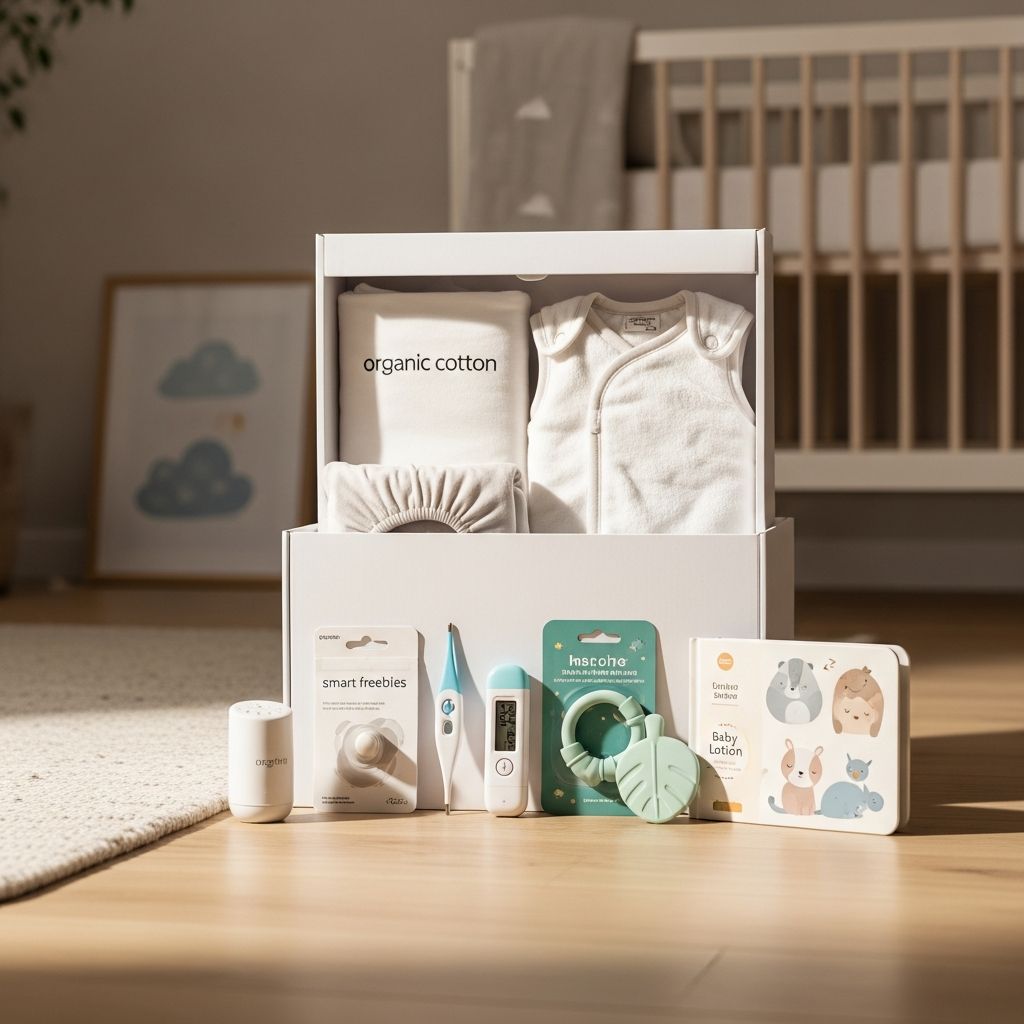
In addition to the box itself, many programs bundle essentials that families often need in the first months:
- Diapers and wipes (sample packs or starter supply).
- Onesies or sleepwear in newborn or 0–3 month sizes.
- Receiving blanket for holding or tummy time (not for use loose in the box while baby sleeps).
- Infant skincare products such as gentle wash or diaper cream.
- Breastfeeding or formula-feeding information, and sometimes a manual breast pump or formula samples, depending on sponsors.
- Educational booklets on safe sleep, soothing a crying baby, and early development milestones.
Examples of Educational Topics Covered
The education component (often called an online “university” or course) may include short videos or modules on:
- How to set up a safe sleep environment.
- Recognizing early hunger cues and feeding on demand.
- Normal newborn behaviors (crying, cluster feeding, frequent waking).
- Basic infant CPR awareness and when to seek medical care.
- Postpartum mood changes and signs of anxiety or depression.
Who Can Get a Baby Box?
Availability depends heavily on your region and the specific organization running the program. Some baby boxes are funded by local governments, hospitals, or non-profit groups, while others are produced by private companies partnering with sponsors.
Common Eligibility Requirements
- Residence or location: Programs may be limited to certain states, provinces, counties, or hospital systems.
- Pregnancy stage: Some allow sign-up as early as the second trimester; others require a late-pregnancy or post-birth date.
- Caregiver status: Most are open to parents, foster parents, or legal guardians of newborns.
- Completion of education: Access to the box often requires finishing specific online learning modules and quizzes.
How Distribution Usually Works
While details vary, a typical process might look like this:
- Create an account on the program’s website or through a hospital referral.
- Watch short videos or complete learning units on safe sleep and newborn care.
- Answer quiz questions to confirm understanding.
- Receive a certificate or confirmation code.
- Pick up the box at a partner site or receive it by mail.
Benefits and Limitations of Baby Box Programs
Baby box initiatives are designed with good intentions, but they are not a complete solution to all safety or financial needs. It helps to understand both the benefits and the limitations.
| Potential Benefits | Possible Limitations |
|---|---|
| Provides a flat, dedicated infant sleep space. | Not always regulated as a crib or bassinet; safety standards may vary by region. |
| Offers starter supplies for families on tight budgets. | Contents are usually samples or small quantities, not long-term support. |
| Delivers evidence-based safe sleep education. | Parents still need ongoing guidance from pediatricians and local health providers. |
| Helps raise awareness of SIDS and suffocation risks. | Education alone does not guarantee behavior change; habits may be hard to shift. |
| Can connect families with community resources and clinics. | Programs may be temporary, pilot-based, or limited to certain locations. |
How to Use a Baby Box Safely
If you receive a baby box, treat it as just one part of your infant’s sleep plan. Safe use is more about how you set it up and supervise your baby than about the box itself.
Setting Up the Sleep Space
- Place the box on the floor or on a wide, stable, non-soft surface, not on a bed, sofa, or stack of furniture.
- Use only the provided pad and fitted sheet. Do not add pillows, additional padding, or folded blankets under the baby.
- Keep the area around the box clear of cords, curtains, heaters, and pets.
- Make the room smoke-free and maintain a comfortable, not overheated, temperature.
Placing Your Baby in the Box
- Always put your baby to sleep on their back, never on their side or stomach.
- Dress your baby in a one-piece sleeper or wearable blanket instead of using loose blankets.
- Make sure your baby’s face and head are uncovered while sleeping.
- Avoid placing the box close to the bed edge where someone might accidentally step or sit on it.
When the Box Is No Longer Appropriate
Most programs provide guidelines about weight limits and developmental stages. As a general rule, stop using the box for sleeping if:
- Your baby can roll, push up, or sit independently.
- Your baby approaches or exceeds the weight limit listed by the manufacturer.
- The box becomes worn, damaged, or wet.
At that point, transition to a crib, bassinet, or play yard that meets recognized safety standards, following the same safe sleep principles.
Baby Boxes and Your Baby’s Development
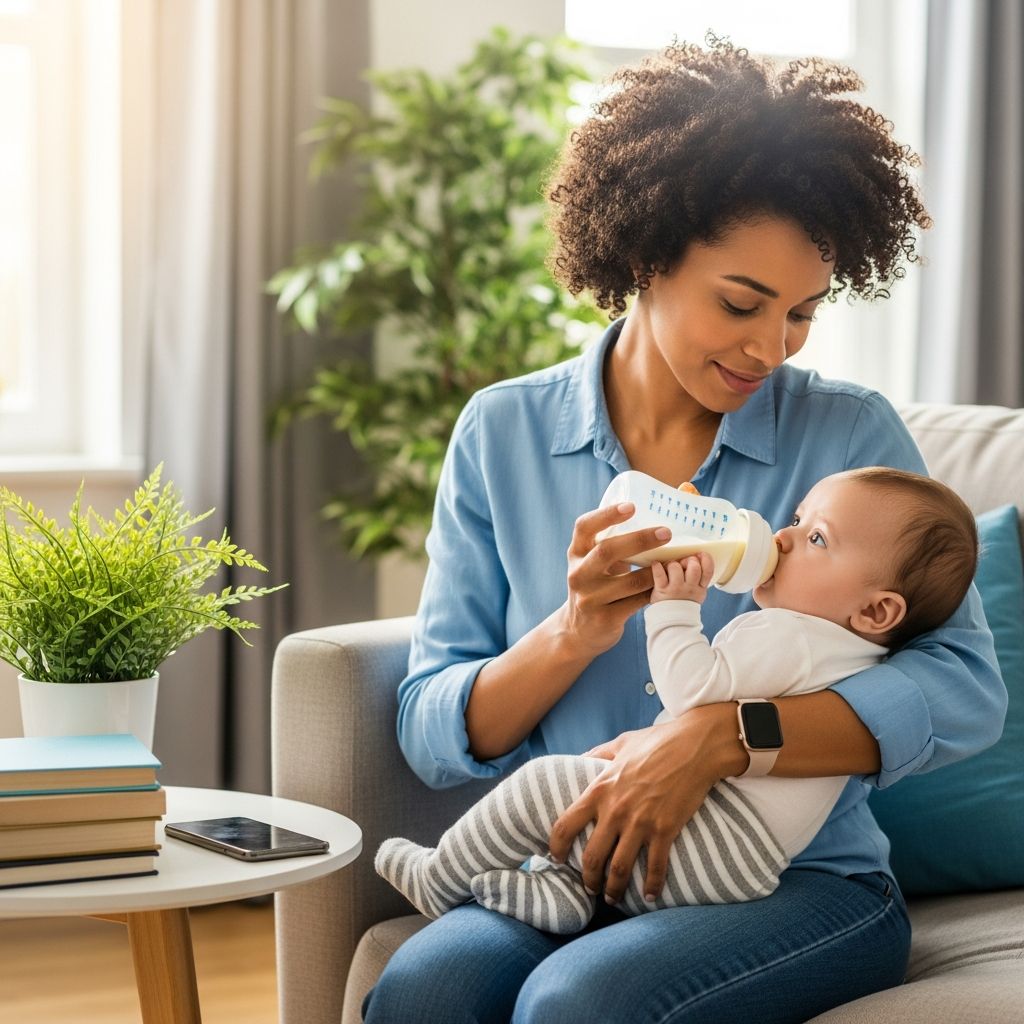
Safe sleep and appropriate gear are only one part of supporting your infant’s first year. Health authorities emphasize the importance of responsive caregiving and interaction. For example, guidelines from pediatric organizations highlight frequent face-to-face time, talking, and play to encourage social, motor, and language development during the first 12 months.
Balancing Sleep Spaces and Awake Time
To support healthy development while using a baby box:
- Use the box only for sleep and brief quiet time when you can supervise.
- Give your baby daily tummy time on a firm surface when they are awake and you are watching them closely.
- Hold, cuddle, and talk to your baby frequently to build secure attachment and language skills.
- Follow your baby’s cues for hunger, tiredness, and overstimulation.
Questions to Ask Before You Sign Up
Because programs vary, it is wise to look closely at the details before you register. Consider asking these questions:
- Is the box or sleeping device tested to any safety standard recognized in your country?
- Who funds and administers the program (public health, hospital, non-profit, private company)?
- What data will the program collect about you, and how will it be used?
- Does the education content align with recommendations from your pediatrician or local health department?
- Are there any costs for shipping, upgrades, or add-ons?
Complementary Resources for New Parents
Baby box programs are meant to support, not replace, professional medical advice. For reliable, up-to-date guidance on infant sleep and development, consider these sources:
- Your baby’s pediatrician or family doctor.
- Local public health nurses or home visiting programs.
- Official information from national health authorities and pediatric societies.
Frequently Asked Questions (FAQs)
Do baby boxes prevent SIDS?
No single product can prevent SIDS. Health authorities stress that the most important factors are following safe sleep practices—placing baby on their back, using a firm, bare sleep surface, and keeping the sleep space free of soft objects and loose bedding. A baby box can support these practices if used correctly, but it is not a guarantee of safety.
Are cardboard baby boxes as safe as a crib?
Safety depends on how the product is designed, tested, and used. Cribs and bassinets are usually subject to specific safety standards in each country. Some cardboard boxes may not be regulated in the same way, so parents should carefully review any safety certifications, follow the program’s instructions, and ask their pediatrician or local health department for guidance.
Can my baby sleep in the box all night?
If the box is used exactly according to safe sleep guidance—on a flat, stable surface, with only the firm pad and fitted sheet, and with the baby placed on their back—some programs present it as suitable for overnight sleep. However, recommendations can differ by region. Check local health advice and discuss it with your child’s doctor before making it the primary overnight sleep space.
What else do I need if I get a baby box?
You will still need other basics: a safe long-term sleep option (crib, bassinet, or play yard), a car seat that meets safety standards, feeding supplies, diapers, and clothing. The box is best seen as a short-term supplement and educational tool, not a complete solution.
Is the educational content really necessary?
Many parents find they learn at least one new thing from the safe sleep and newborn care modules. Because recommendations evolve over time, even experienced caregivers can benefit from updated guidance based on current research and official health recommendations.
References
- Safe Sleep for Your Baby — American Academy of Pediatrics. 2022-10-10. https://healthychildren.org/English/ages-stages/baby/sleep/Pages/Sleep-Position-and-SIDS.aspx
- Safe Sleep for Babies — Centers for Disease Control and Prevention. 2023-07-26. https://www.cdc.gov/sids/safesleep/index.htm
- How to Keep Your Sleeping Baby Safe: AAP Policy Explained — American Academy of Pediatrics. 2022-10-10. https://healthychildren.org/English/ages-stages/baby/sleep/Pages/a-parents-guide-to-safe-sleep.aspx
- Baby Developmental Milestones by Month — Cleveland Clinic. 2023-03-01. https://my.clevelandclinic.org/health/articles/22063-baby-development-milestones-safety