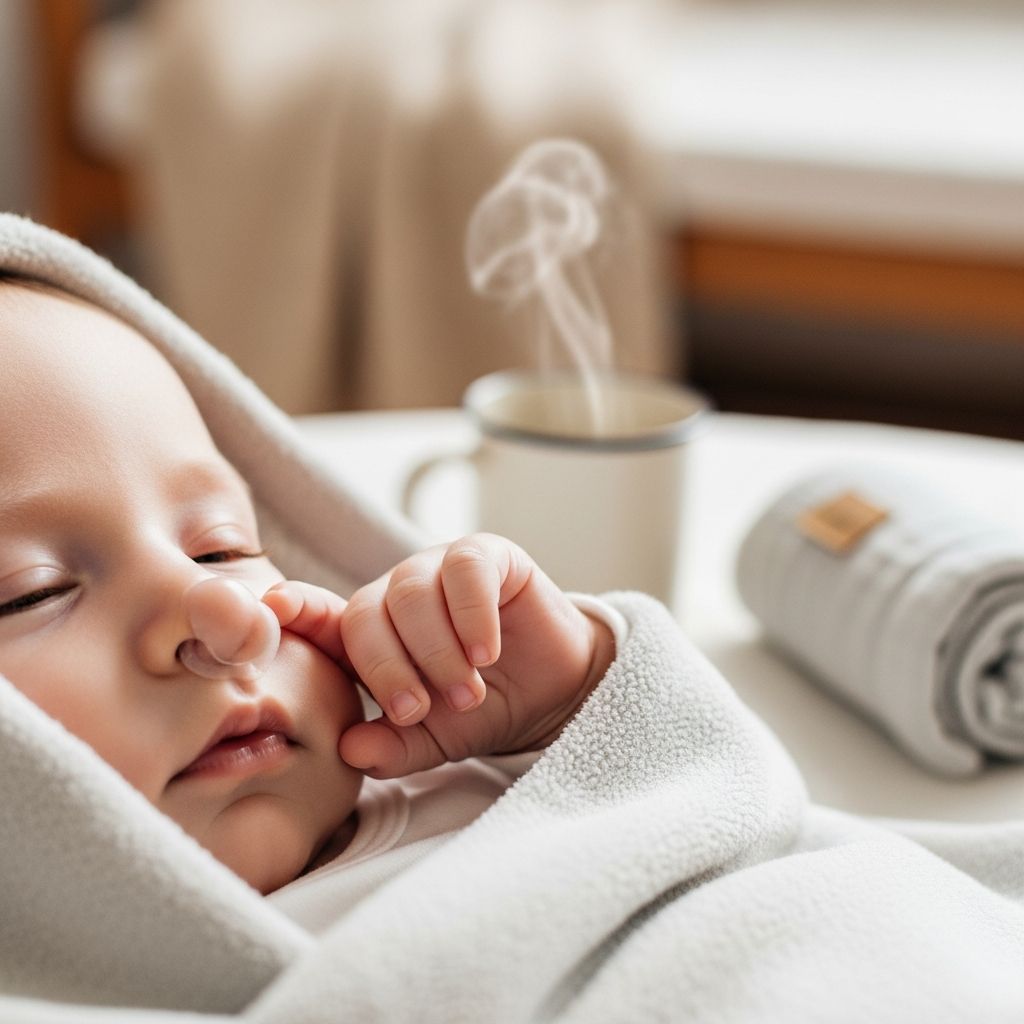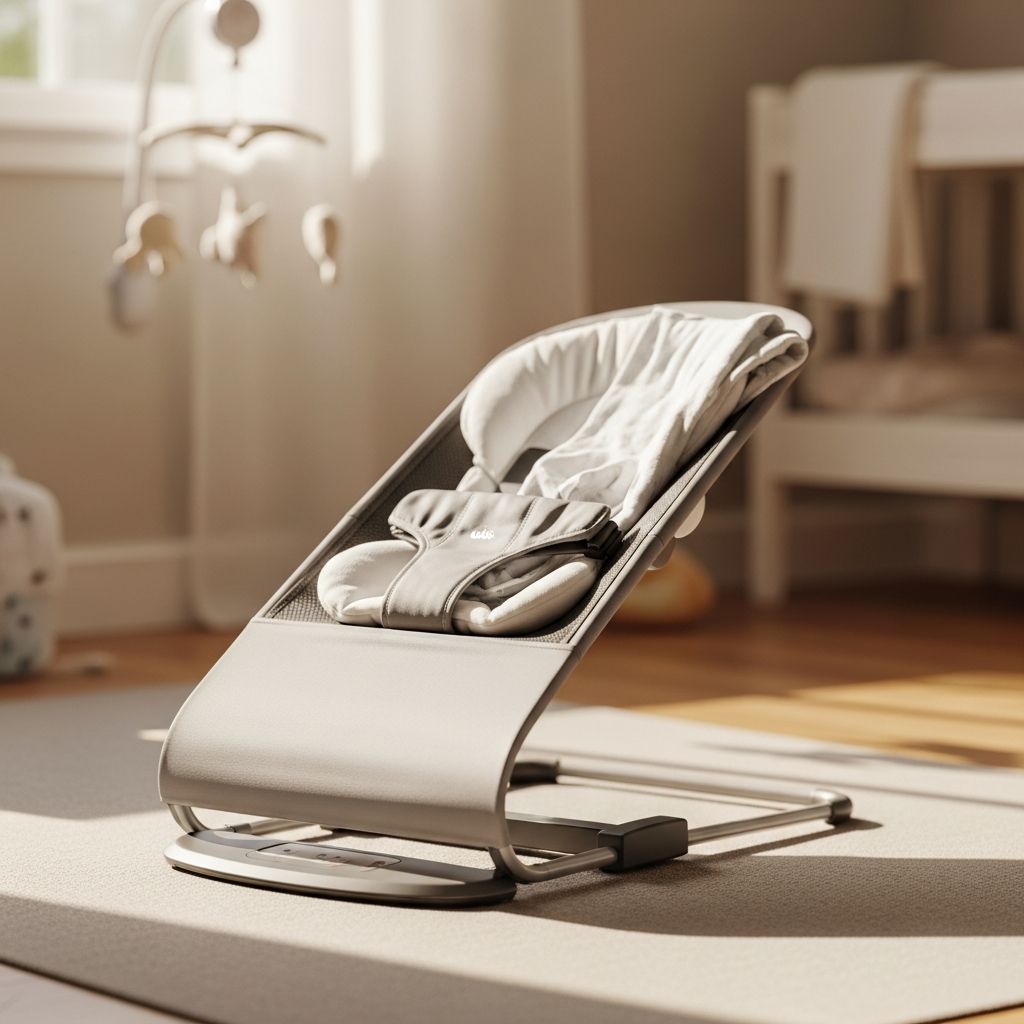
Baby bouncer seats offer a convenient way for infants to lounge, bounce gently, and stay entertained while parents handle daily tasks. These devices provide a semi-reclined position that can soothe fussy babies through natural movements. However, ensuring safety is paramount to prevent injuries like falls, suffocation, or developmental issues. This guide draws from authoritative health organizations to outline best practices, risks, and selection criteria for bouncers.
Understanding Baby Bouncers and Their Benefits
Baby bouncers are freestanding seats designed for newborns and young infants, typically supporting weights up to 20 pounds. They feature a harness system and a base that allows gentle bouncing triggered by the baby’s movements. Benefits include hands-free soothing for parents, promoting visual tracking as babies watch overhead toys, and freeing up caregivers for short periods. According to pediatric experts, when used correctly, bouncers can aid in calming colicky infants without long-term harm.
Key advantages include portability for home use and the ability to transition positions for growing babies. Many models fold for storage, making them ideal for small spaces. Yet, overuse or misuse can lead to problems, emphasizing the need for strict adherence to guidelines from bodies like the American Academy of Pediatrics (AAP).
Core Safety Rules for Every Use
Safety begins with foundational habits. Always perform a pre-use checklist to mitigate risks associated with these devices.
- Secure the Harness Properly: Apply the two-finger rule—only two fingers should fit between the straps and baby’s body. This prevents slippage, as 68% of incidents occur during brief, unbuckled moments.
- Floor Placement Only: Position on flat, stable floors like carpet or mats. Avoid elevations such as counters, tables, or washers, where tipping risks skyrocket.
- Supervise Constantly: Never leave baby unattended, even briefly. Proximity allows quick response to distress signals like fussing or flushed skin.
- Limit Session Duration: Newborns: 15-20 minutes max; 4-6 months: up to 30 minutes. Total daily use under 2 hours to avoid head pressure and developmental delays.
These rules align with AAP recommendations, which highlight bouncers’ inclined angle (30-45 degrees) as a potential airway risk if babies slump.
Federal Standards and Compliance Essentials
The U.S. Consumer Product Safety Commission (CPSC) mandates rigorous testing for infant bouncers under ASTM F2167-22. This standard covers restraint systems, stability, slip resistance, structural integrity, and toy bar security.
| Requirement | Description |
|---|---|
| Restraint System | Three-point or five-point harnesses that secure without looseness. |
| Stability | Resists tipping when rocked or loaded unevenly. |
| Slip Resistance | Rubberized feet prevent sliding on hard floors. |
| Collapse Prevention | Locks ensure no accidental folding with baby inside. |
| Weight Limit | Typically 20 lbs or until baby sits unassisted. |
Manufacturers must certify compliance, protecting against the 2,000 annual injuries reported, including concussions and entrapments.
Placement and Environmental Hazards to Avoid
Strategic positioning minimizes external dangers. Keep bouncers 3 feet from pet bowls, siblings’ toys, heat sources, or windows to prevent choking, burns, or distractions leading to rolls.
- Avoid soft surfaces like beds or couches—increased suffocation risk if tipped.
- No add-ons: Skip pillows or extra blankets, which obstruct airways. Use only manufacturer-approved toys.
- Stable base: Opt for models with anti-slip features; add a yoga mat if needed on slick floors.
For head support, ensure the recline keeps the head upright, preventing reflux—ideally at a 150-degree lounge angle.
Recognizing When to Discontinue Use
Bouncers suit 0-6 months typically. Stop immediately if:
- Baby reaches 20 lbs or sits independently—tipping odds quadruple beyond limits.
- Signs of wear: Creaks, warps, or mold in crevices signal replacement time.
- Baby climbs out or resists, indicating readiness for floor play.
Post-discontinuation, prioritize tummy time and active play to counter any potential muscle tightness or delayed milestones from prolonged seating.
Common Problems and Practical Solutions
Even quality bouncers face everyday issues—here’s how to address them safely.
| Issue | Solution |
|---|---|
| Slipping on floors | Place yoga mat or towel underneath for traction. |
| Head slumping | Adjust to optimal recline; support with proper positioning. |
| Strap discomfort | Pad with soft cloth from clean socks (no bulk). |
| Cleaning challenges | Baking soda paste and toothbrush for crevices; air dry fully. |
| Baby aversion | Warm seat briefly (remove pad first); introduce gradually. |
Regular deep cleans prevent mold, especially in fabric-covered models. Wipe-down daily and machine-wash covers as directed.
Developmental Considerations and Expert Insights
Pediatric occupational therapists note bouncers limit full head turning, potentially exacerbating flat head spots from back-sleeping. Balance with tummy time, carrying, and side-lying during awake periods. AAP warns against sleep in bouncers due to suffocation risks under 4 months.
Developmentally, excessive use (over 2 hours/day) may tighten leg muscles or delay walking, sometimes requiring therapy. Use as a supplement, not substitute, for interactive play.
Selecting the Right Bouncer for Your Family
Look for:
- Multiple recline positions for newborns.
- Stable frame with pedal locks or levers.
- Breathable fabrics for climate regulation.
- No sharp edges; smooth, durable build.
Test stability in-store. Prioritize CPSC/ASTM-certified models from reputable brands.
Pre-Use Checklist
- ✅ Harness snug (two-finger test)?
- ✅ Floor-stable, hazard-free zone?
- ✅ Timer set for short session?
- ✅ Baby content and alert?
- ✅ No extras or modifications?
Frequently Asked Questions
Can I rock the bouncer with my foot?
Gentle motion is fine for soothing, but avoid vigorous bounces to protect delicate necks.
Is it safe for newborns?
Yes, with proper recline and supervision; limit to 15 minutes and move to flat sleep surfaces if drowsy.
What if my baby falls asleep?
Immediately transfer to a crib or bassinet—never for routine sleep.
Can bouncers cause injuries?
Yes, around 2,000 yearly U.S. cases involve falls or entrapments; follow rules to minimize.
Alternatives if baby hates it?
Warm the seat, use familiar scents, or try swings/carriers. Persistence with short trials helps.
References
- Baby Bouncer Seat Safety: What Every Caregiver Should Know — Angel Bliss. Accessed 2026. https://angelbliss.us/blogs/news/baby-bouncer-seat-safety-what-every-caregiver-should-know
- Are Baby Bouncers Safe? — Owlet BabyCare. Accessed 2026. https://owletbabycare.co.uk/blogs/blog/baby-bouncer-safety
- What to Know About Bouncer Seats for Babies — WebMD. Accessed 2026. https://www.webmd.com/parenting/baby/what-to-know-baby-bouncer-seats
- How to Choose a Baby Bouncer and Use It Safely — Consumer Reports. Accessed 2026. https://www.consumerreports.org/babies-kids/bouncer-seats/buying-guide/
- Ergonomic, safe and comfortable. How to spot a good baby bouncer — Ergobaby. Accessed 2026. https://ergobaby.eu/blog/post/ergonomic-safe-and-comfortable-how-to-spot-a-good-baby-bouncer-part-3
- Infant Bouncer Seats Business Guidance — U.S. Consumer Product Safety Commission (CPSC). Accessed 2026. https://www.cpsc.gov/Business–Manufacturing/Business-Education/Business-Guidance/Infant-Bouncer-Seats
- Safety Standard for Infant Bouncer Seats — Federal Register. 2022-09-06. https://www.federalregister.gov/documents/2022/09/06/2022-19179/safety-standard-for-infant-bouncer-seats