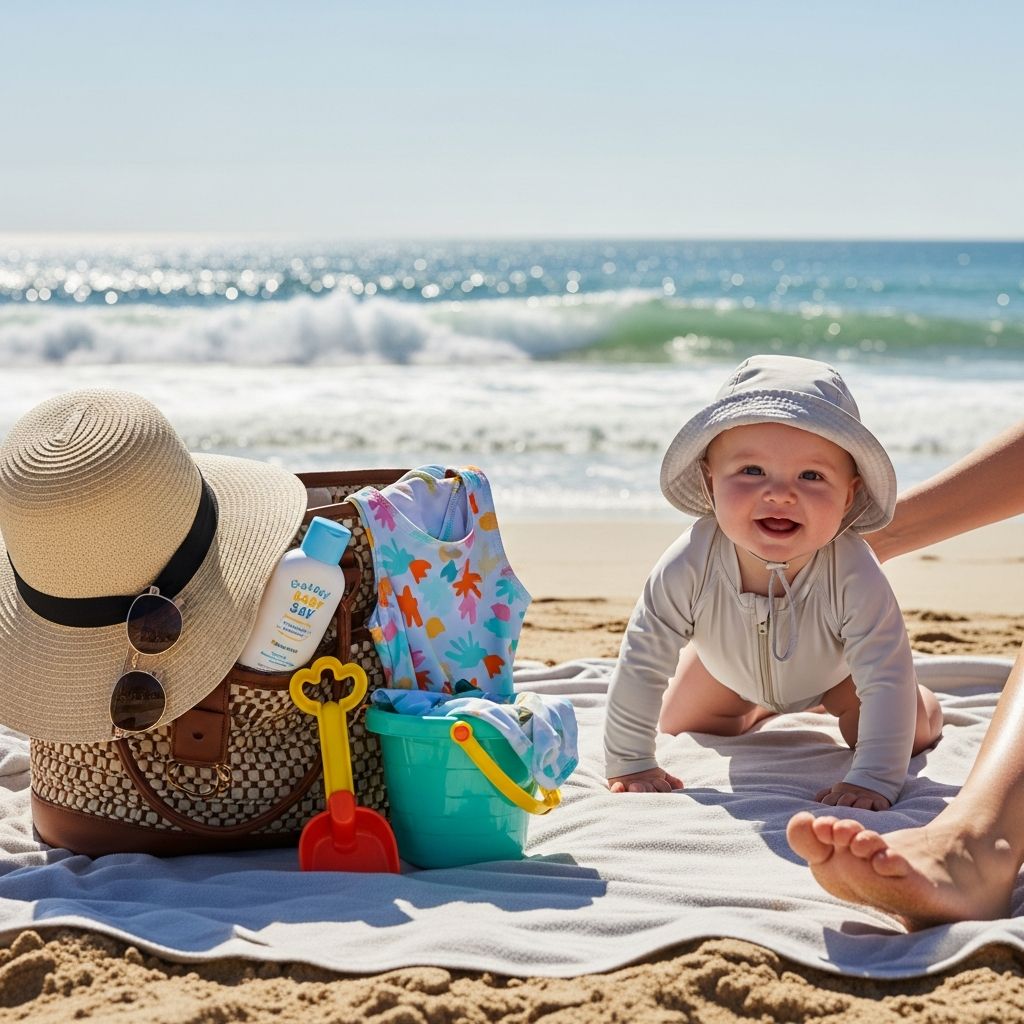
Navigating Beach Outings With Your Youngest Family Members
Taking your baby to the beach represents one of the most rewarding family experiences, yet it often feels overwhelming due to the combination of environmental factors at play. The sun’s intensity, the pervasiveness of sand, the need for temperature regulation, and the logistical challenge of transporting numerous items create a unique set of demands that differ significantly from typical outings. Understanding how to prepare for and manage these challenges transforms what could be a stressful experience into a genuinely enjoyable occasion for both parents and infants.
The key to successful beach visits with babies lies not in perfecting every detail but rather in implementing thoughtful strategies that address the most significant concerns. Parents who have navigated countless beach days have developed practical solutions that leverage simple items and clever techniques to make the experience more manageable and enjoyable for everyone involved.
Establishing Controlled Water Environments
One of the most counterintuitive yet effective approaches to beach visits involves bringing a separate water containment system rather than relying solely on the ocean itself. An inflatable pool designed for temporary use creates a contained environment where babies can experience water play while parents maintain complete control over the experience.
This solution addresses multiple concerns simultaneously. For very young babies who are prone to putting objects in their mouths, a controlled water environment eliminates the risk of ingesting sand, small rocks, or salt water. The ability to regulate water temperature and depth provides comfort and safety that the open ocean cannot guarantee. Additionally, this setup allows parents to supervise their child’s water interactions with minimal physical exertion, as they don’t need to enter the water themselves or maintain constant physical contact.
For families without access to an inflatable pool, a practical alternative involves creating a temporary water feature using readily available materials. A shallow excavation in the sand, lined with a shower curtain or plastic sheeting, filled with several inches of fresh water creates a surprisingly effective play area. The privacy and containment of this DIY approach can be just as valuable as a purchased pool, and the process of digging engages babies in sensory-rich play that many find captivating.
Sun Protection Through Layered Approaches
Protecting infant skin from sun damage requires a comprehensive strategy that extends beyond simple sunscreen application. The American Academy of Pediatrics recommends avoiding direct sun exposure for babies under six months old, which shapes how families approach beach visits with very young infants. For babies older than six months, multiple protective layers work together to minimize risk.
Specialized clothing designed for water protection provides an excellent first line of defense. Rash guards and swim shirts engineered with ultraviolet protection factor coverage eliminate the need to apply sunscreen to large body areas. These garments allow babies to move freely while their arms and legs receive continuous protection. The reduction in required sunscreen application also minimizes skin irritation and reduces the frequency of reapplication concerns.
For exposed skin that requires sunscreen, selecting mineral-based formulations with SPF 50 or higher provides better protection than chemical alternatives. Application technique matters significantly—using tools like cosmetic brushes ensures even distribution and helps reach areas like ear tips, the back of the neck, and the tops of feet that parents frequently miss. Setting phone reminders to reapply sunscreen every two hours helps overcome the common tendency to become absorbed in beach activities and forget this critical maintenance task.
Physical barriers also play a crucial role in sun protection. Oversized beach umbrellas, pop-up tents, or portable shade structures create designated areas where babies can rest and play protected from direct rays. These shaded zones serve dual purposes—they provide sun protection and offer comfortable spaces for naps and downtime during beach visits.
Solving the Persistent Sand Challenge
Sand represents perhaps the most persistent challenge parents face at the beach. Its tendency to cling to skin, accumulate in diaper areas, and irritate delicate areas creates genuine discomfort for babies. Conventional methods of rinsing with water often prove ineffective because moisture actually makes sand adhere more strongly to skin.
The most effective solution involves using absorbent powder to dry skin and allow sand to brush away naturally. Talc-free baby powder or cornstarch applied to sandy areas absorbs moisture and creates a barrier that prevents sand from sticking. The application process is simple—sprinkle the powder onto affected areas and gently rub to allow sand particles to fall away. This technique works most effectively on dry sand and requires no water, making it ideal for use before returning home or during beach activities.
Beyond immediate sand removal, preventing sand accumulation in the first place reduces the overall problem. Clothing choices that minimize skin exposure—such as swim shirts, pants, and hats—reduce the surface area available for sand adhesion. Creating designated sand-free play zones further limits sand exposure during activities.
Creating Contained Play Spaces
Babies and toddlers exploring the beach present unique challenges, as their natural inclinations lead them toward behaviors that parents must actively manage. Crawling babies venture toward water, rocks, and debris requiring constant vigilance. Creating physical boundaries that maintain safety while allowing independent play reduces parental stress significantly.
A surprisingly effective solution involves using a fitted bedsheet positioned upside down, with weights placed at each corner to keep edges elevated. This creates an enclosed play area that contains babies within safe boundaries while remaining visible to supervising adults. The sheet barrier prevents sand from easily entering the play zone and discourages unintended wandering. Commercial versions of this concept are available for families preferring manufactured solutions, though the bedsheet method remains highly effective and requires no additional investment.
Alternatively, laundry baskets originally intended for transporting beach supplies can serve secondary functions as play spaces. When lined with soft towels and positioned in shaded areas, these baskets create cozy spaces where babies can sit and play while remaining contained. The openness of the basket design maintains visibility and air circulation, while the elevated sides create psychological boundaries that discourage movement.
Strategic Transportation and Organization
The logistics of transporting a baby, necessary supplies, and recreational equipment to the beach challenges even experienced parents. Traditional approaches of carrying multiple bags, balancing an infant, and managing beach toys simultaneously create exhaustion before beach activities even begin.
Wagon-style strollers designed to accommodate babies and cargo solve this challenge elegantly. These hybrid devices allow parents to transport their child while simultaneously carrying supplies, toys, and shade equipment. The wagon design distributes weight efficiently across wide wheels, making movement through sand more manageable than traditional stroller wheels. Parents report that pulling wagons backward through sand actually proves easier than pushing forward, a counterintuitive technique worth remembering.
For families with multiple children or substantial supply needs, dedicated beach wagons without stroller attachments provide even greater cargo capacity. These essentially allow parents to transport multiple children while carrying all necessary equipment in a single vehicle.
Organization within transportation containers also matters significantly. Laundry baskets used for packing take advantage of natural perforations that allow sand to fall through during cleanup—a feature that dramatically reduces the volume of beach material transported home. Designated bags for wet items, dry items, and diaper supplies keep materials organized and easily accessible during the beach visit.
Temperature Management and Hydration
Maintaining appropriate temperature regulation and hydration for babies in beach environments requires proactive planning. The combination of sun exposure and increased physical activity causes babies to lose fluids more rapidly than during typical daily activities.
Pre-freezing water bottles the evening before a beach visit creates multiple benefits. The bottles serve as ice packs that maintain cool temperatures for snacks and beverages throughout the visit. As ice melts, fresh cold water becomes available for drinking. Pairing frozen water bottles with dampened washcloths wrapped around them creates effective cooling tools for babies showing signs of heat stress. These washcloths also serve practical purposes for cleaning up sandy hands and faces during the day.
Setting phone reminders ensures that parents provide regular hydration rather than allowing thirst to develop. Babies cannot effectively communicate dehydration symptoms, making proactive fluid provision essential. Similarly, reminders to check that babies aren’t sitting directly on hot sand prevents discomfort and potential burns from excessively warm sand surfaces.
Creating Comfortable Resting Spaces
Babies at the beach require spaces for napping and quiet time, yet providing these spaces while maintaining supervision and protection presents challenges. Portable sleep solutions designed for beach use address these needs effectively.
Pop-up tent structures or portable bassinets with built-in sun protection create designated sleep areas where babies can rest undisturbed. These structures protect against both sun exposure and wind, maintain appropriate temperatures, and provide psychological separation from ongoing beach activities. Portable thermometers placed inside these structures help parents monitor temperatures and ensure babies don’t overheat during sleep.
Oversized beach blankets serve as alternatives or supplements to structured sleep areas, providing cushioning between babies and hot sand while defining personal space. The visual boundary created by a distinctive blanket also helps others at the beach recognize where your family is located and respect personal space around sleeping infants.
Practical Supply Considerations
Beyond the major strategies outlined above, numerous practical items enhance beach experiences with babies. High-quality diapers specifically designed for water exposure prevent leaking during water play while remaining comfortable on sandy skin. Extra clothing changes allow babies to stay dry and comfortable throughout extended beach visits. Lightweight snacks that don’t require refrigeration round out supplies, though pre-frozen options are generally preferable.
Dry bags serve dual purposes—protecting important items like phones and car keys from water damage while functioning as organized storage for diaper supplies and other essentials. Simple beach chairs with attached trays provide comfortable seating for parents while creating elevated spaces for storing supplies away from sand-prone ground level.
Frequently Asked Questions About Beach Visits With Babies
At what age can babies safely visit the beach?
Babies can visit the beach at any age, though precautions intensify for infants under six months. Very young babies should avoid direct sun exposure and require careful temperature management. Consult with your pediatrician about specific recommendations for your baby’s age and health status.
How frequently should sunscreen be reapplied on babies?
Sunscreen should be reapplied every two hours or more frequently after water exposure. Setting phone reminders helps ensure this maintenance task doesn’t get overlooked during beach activities.
What should parents do if babies show signs of heat stress at the beach?
Move babies to shaded areas immediately, provide cool water, and dampen their skin with cool washcloths. If symptoms persist, leave the beach and seek medical attention. Recognizing early signs like excessive fussiness or lethargy allows intervention before serious problems develop.
How can parents minimize diaper rash from sand exposure?
Use powder to remove sand before it accumulates, change diapers frequently, and consider brief periods without diapers in protected shaded areas when possible. Applying barrier cream before beach visits provides additional protection.
Are inflatable pools really necessary at the beach?
While not absolutely necessary, inflatable pools provide controlled water environments that reduce safety risks and parental supervision demands. Many parents find them invaluable, though alternatives like supervised shallow water experiences work for some families.
References
- 25 Parent-Approved Tips for Taking Baby to the Beach — Tinybeans. Retrieved from https://tinybeans.com/baby-beach-hacks/
- 10 Best Baby Beach Hacks To Keep Your Baby Safe and Happy — PishPosh Baby. Retrieved from https://pishposhbaby.com/blogs/blog/10-best-baby-beach-hacks
- My Tips For Surviving the Beach With a Baby Or Toddler — NCE At and Play. Retrieved from https://nceatandplay.com/play/my-tips-for-surviving-the-beach-with-a-baby-or-toddler/
- 20 Baby Beach Essentials: Mom-Approved Packing List — Shibu Mi Shade. Retrieved from https://shibumishade.com/blogs/news/baby-beach-essentials