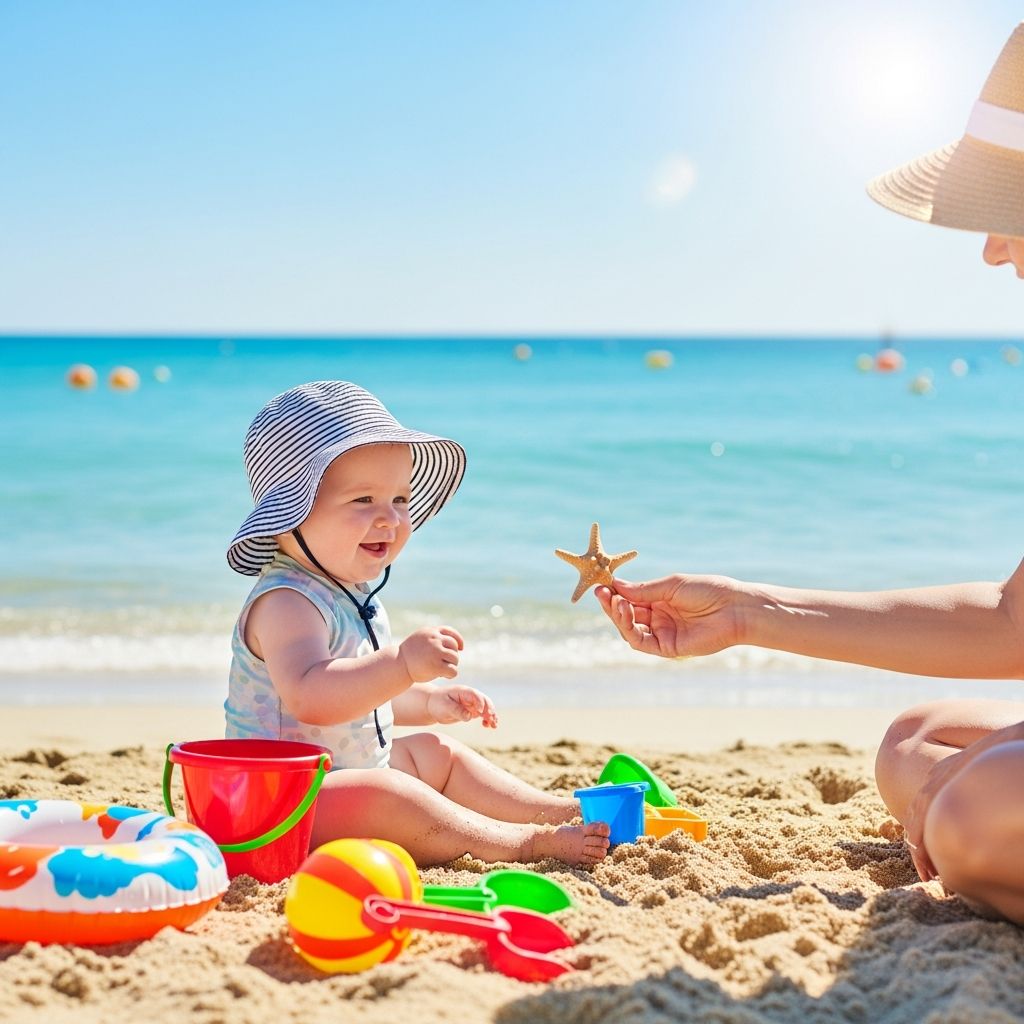
Taking a baby to the beach can transform a simple outing into a memorable family adventure, but it requires thoughtful preparation to avoid chaos. With the right strategies, parents can enjoy sun, sand, and waves while keeping their little ones safe, comfortable, and entertained. This guide shares innovative ideas drawn from experienced parents to simplify logistics, protect delicate skin, and maximize playtime.
Mastering the Art of Beach Packing
Efficient packing is the foundation of a successful beach day. Instead of rummaging through bags while wrangling a wiggly infant, create a dedicated “ready-to-go” kit assembled in advance. Opt for durable, waterproof bags that hold essentials without taking up much space.
Key items to include:
- Multiple quick-dry towels that pack small.
- Age-appropriate toys like stackable blocks or soft buckets.
- Baby-safe wipes for instant cleanups.
- Family-friendly mineral-based sunscreen, reapplied frequently.
- Spare swimwear and diapers for inevitable accidents.
- A compact blanket for shaded lounging.
Pro tip: Use a sturdy wagon or laundry basket to transport everything. These not only carry heavy loads across sand but also serve dual purposes, like a shaded playpen when lined with towels.
Creating Safe Shaded Havens
Babies’ sensitive skin demands rigorous sun protection. A large, sturdy beach umbrella provides essential shade and stability against wind, far superior to smaller versions that topple easily. Position it strategically to cover your setup, ensuring constant protection during peak hours.
Enhance shade with portable options:
| Item | Benefits | Best For |
|---|---|---|
| Oversized Umbrella | Wind-resistant, full coverage | Family groups |
| Pop-up Tent | Enclosed, bug-proof | Napping babies |
| Portable Bassinet Dome | UV-blocking top, folds flat | Infants under 6 months |
For mobile babies, designate a contained area. An inflatable pool under the umbrella mimics a mini beach, keeping crawlers cool and preventing sand ingestion. Dig a shallow, shaded hole as a natural seat where sand stays cooler.
Comfortable Seating and Feeding Solutions
Forget sitting in hot sand—bring dedicated baby seating. Lightweight beach chairs with backpack straps free your hands for carrying gear and baby. These elevated spots reduce sandy hands during meals and allow easy supervision.
Feeding on the beach is smoother with these hacks:
- Pre-portion snacks in compartments to avoid spills.
- Use the chair as a high-chair alternative for purees or finger foods.
- Keep a cooler nearby for chilled bottles or fresh fruit.
For non-walkers, a laundry basket lined with blankets doubles as a secure nap spot, with drainage holes letting sand sift out at day’s end.
Smart Snack and Hydration Strategies
Traditional snacks lead to sticky messes in sand. Switch to frozen treats that multitask: pre-freeze juice pouches or yogurt tubes to double as coolers, thawing perfectly by munch time. Smoothies in insulated bottles stay cold and provide hydration plus nutrition.
Hydration checklist:
- Set phone timers for SPF reapplication and water breaks.
- Offer electrolyte-enhanced sips for active play.
- Freeze washcloths for soothing, cool face wipes.
These choices minimize cleanup while keeping energy levels high, turning snack time into a refreshing ritual.
Ingenious Play Zones Free of Sand
Sand is fun but gritty for tiny explorers. Craft a barrier-free zone with a fitted sheet, corners weighted by bags or coolers. The raised edges contain toys and baby, creating a clean oasis for play or diaper changes.
Alternatives include commercial sand mats that fold compactly for parks or beaches. Pair with simple toys: a multi-use mixing bowl for digging and rinsing, or mesh bags for easy toy cleanup. For toddlers, ensure duplicate tools to prevent squabbles—one shovel per child keeps peace.
Effortless Sand Removal and Cleanup
The post-beach battle against sand is real. Transform your car trunk into a rinse station with towels, wipes, and baby powder. Sprinkling powder on dry skin absorbs moisture, letting sand brush off without irritation—far gentler than scrubbing.
Step-by-step cleanup:
- Rinse major sand with pre-filled buckets or portable showers.
- Dust with powder and towel pat.
- Change into dry clothes before car seats.
Store sandy items in mesh bags to contain mess. This keeps vehicles sand-free long-term.
Smooth Transitions and Exit Plans
Avoid meltdowns by planning departures. Give 15-minute warnings, then engage in rituals like shell collecting or final waves. Wear baby in a carrier for a soothing shoreline walk during nap time, easing the shift home.
Packing efficiency: Shake out sheets over the water, load wagons last. These steps ensure calm endings to perfect days.
Health and Safety Essentials
Beyond fun, prioritize safety. The American Academy of Pediatrics recommends mineral sunscreens for babies over 6 months, applied 15 minutes pre-exposure and reapplied every 2 hours or post-swim. Avoid midday sun (10am-4pm); seek shade always.
Hydrate frequently, watch for overheating signs like fussiness or red skin. Life vests for water play, never leave baby unattended. These guidelines from trusted health authorities ensure worry-free outings[10].
Frequently Asked Questions
What’s the best sunscreen for babies?
Use broad-spectrum SPF 30+ mineral formulas with zinc oxide or titanium dioxide, safe after 6 months per pediatric guidelines.
How do I keep sand out of the car?
Rinse kids at a trunk station with powder, use mesh bags for toys, and shake gear over water before loading.
Can I take a newborn to the beach?
Yes, but prioritize shade, avoid direct sun, and limit time. Use protective domes and carriers.
What toys are best for beach babies?
Soft stackers, buckets, shovels—duplicates for siblings. Avoid small parts for mouthers.
How to handle naps at the beach?
Shade with umbrellas or tents, use carriers for motion naps, or lined baskets for containment.
References
- Sun Safety | American Academy of Pediatrics — American Academy of Pediatrics. 2023-05-01. https://www.aap.org/en/patient-care/sun-safety/
- Protecting Infants From Sun Exposure — Centers for Disease Control and Prevention. 2024-02-15. https://www.cdc.gov/sunsafety/index.html
- Infant Swimming Guidelines — World Health Organization. 2022-11-10. https://www.who.int/news-room/fact-sheets/detail/swimming-pools-water-quality
- Beachgoer Health and Safety — National Oceanic and Atmospheric Administration. 2025-03-20. https://oceanservice.noaa.gov/news/beachhealth/
- Pediatric Environmental Health — American Academy of Pediatrics. 2023-08-12. https://publications.aap.org/pediatrics/article/152/3/e2023062481/192208
- Summer Safety Tips for Children — Centers for Disease Control and Prevention. 2024-06-05. https://www.cdc.gov/children-health/summer-safety.html