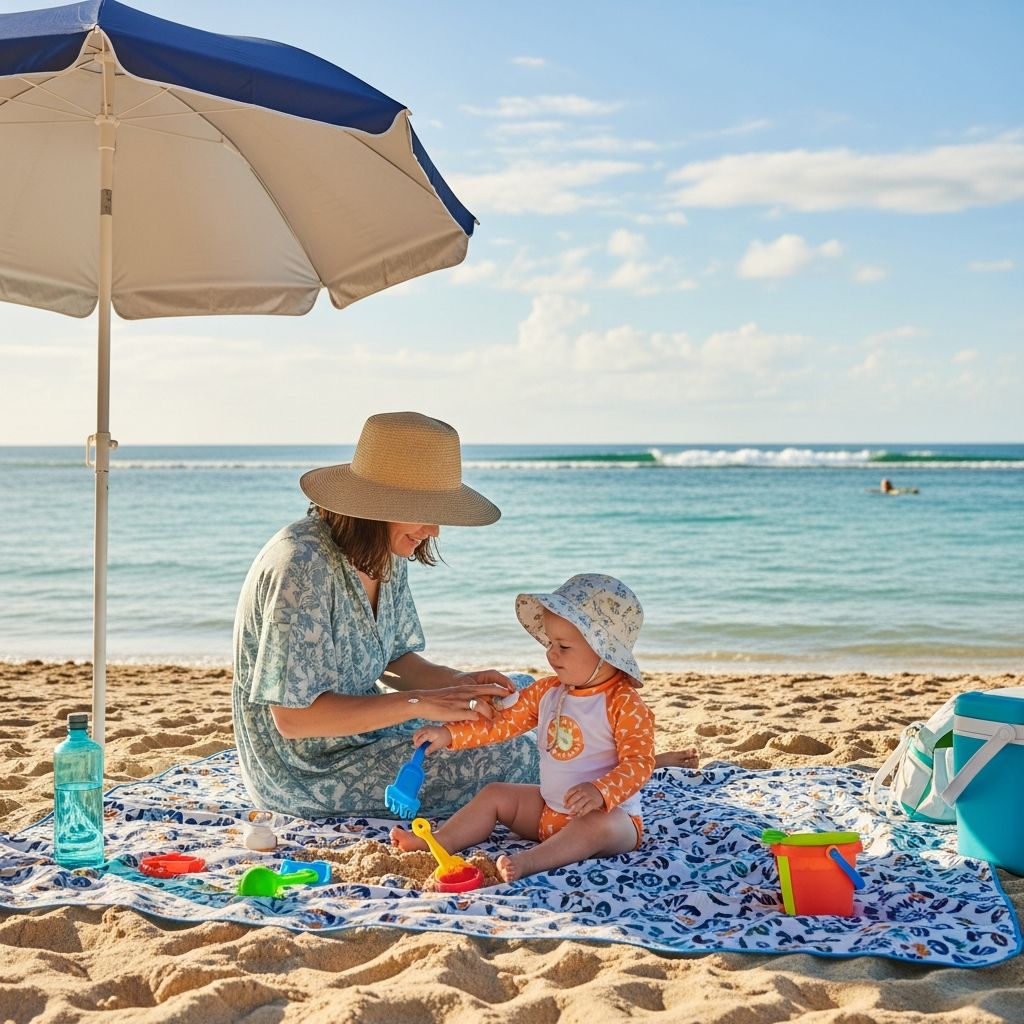
Taking a baby to the beach can feel like planning a small expedition: there is gear to organize, naps to consider, weather to watch, and a thousand grains of sand determined to end up in your diaper bag. Yet with a bit of planning and realistic expectations, a beach trip with your baby can be peaceful, fun, and full of sweet memories instead of stress.
Know Your Timing: When a Beach Trip Makes Sense
Before loading up the car, ask whether this is the right season, time of day, and stage of development for your baby. The answer is rarely a simple yes or no, but thinking through these factors can help you design a day that fits your baby instead of fighting against their rhythms.
Most families find shorter, focused outings—especially in the early morning or late afternoon—are easier than all-day marathons. You can always leave wanting more instead of dragging everyone through the meltdown zone.
Choosing the Right Beach and Spot
The best beach for a baby is not always the one with the prettiest views. Your priorities shift to shade options, clean facilities, and safety features like lifeguards and calm water. A slightly less glamorous but more practical location can make the entire outing smoother.
Once you arrive, take a few minutes to walk the area before unloading everything. Look for a spot with firm sand for your setup, clear visibility of the shoreline, and some distance from loud crowds or active sports like beach volleyball.
| Factor | Why It Matters for Baby | What to Aim For |
|---|---|---|
| Shade options | Babies overheat and sunburn quickly, even on overcast days. | Near natural shade or room for a tent or umbrella. |
| Water conditions | Strong waves, currents, and sudden drop-offs are hazardous. | Gentle waves, shallow entry, calm days with clear flags. |
| Proximity to facilities | Frequent diaper changes and hand washing are inevitable. | Reasonable walking distance to restrooms and fresh water. |
| Crowd level | Noise and chaos can overwhelm little ones (and parents). | Quieter section of the beach away from speakers and games. |
| Clean sand | Debris and sharp objects pose risks to curious hands and feet. | Sand free of trash, shells, glass, and fishing gear. |
What to Pack: Baby Beach Essentials (and What You Can Skip)
It is easy to feel as if you must bring your entire house to the shoreline. Instead, think in categories—sun protection, hydration and feeding, comfort, safety, and entertainment—so you pack with intention rather than panic.
Use this list as a starting point and adjust based on your baby’s age, health, and how long you plan to stay.
Must-Haves for Baby’s Beach Bag
- Sun protection: Wide-brimmed hat, baby-safe sunscreen (if age-appropriate and approved by your pediatrician), and lightweight long-sleeve clothing labeled with UV protection.
- Shade structure: Pop-up tent, beach canopy, or sturdy umbrella with good ventilation and sand anchors.
- Hydration: Breast milk or formula, bottles or nursing cover if desired, and small amounts of water if recommended for your baby’s age.
- Diapering: Swim diapers, regular diapers, a waterproof changing mat, wipes, disposable bags, and a change of clothes.
- Comfort items: Light blanket, pacifier (if baby uses one), and a familiar toy for soothing during transitions.
- Safety extras: Small first-aid kit with bandages, saline, and any baby medications approved by your pediatrician.
- Feeding supplies: Snacks appropriate for age (for older infants), bibs, spoons, and sealable containers.
Nice-to-Haves That Make Life Easier
- Lightweight travel or beach stroller, or a baby carrier for walks along the shore.
- Compact inflatable baby pool for safe splashing under the shade.
- Mesh bags for toys so sand can shake out on the way home.
- Portable fan or handheld mister for very hot days if safe for your baby.
Items You Can Usually Skip
- Large, heavy toys that will rarely be used and are hard to rinse.
- Too many outfit changes; two backups are generally enough for a half-day trip.
- Expensive gadgets that add more stress than comfort if they break or get sandy.
Sun, Heat, and Hydration: Keeping Baby Comfortable
Sun exposure is one of the biggest concerns when taking a baby to the beach. Babies cannot regulate their temperature as efficiently as adults, and they often will not show obvious signs of overheating until they are already uncomfortable.
Your goal is not to eliminate sun exposure entirely—being outside is healthy and enjoyable—but to reduce risks by layering protection, limiting peak exposure, and watching for early signs of heat stress.
Smart Shade and Clothing Strategies
- Plan your visit for early morning or late afternoon when the sun is less intense.
- Use a tent or umbrella with built-in UV protection and vents to prevent stuffiness.
- Dress your baby in long-sleeved, lightweight, tightly woven clothing designed for sun protection.
- Choose a soft, wide-brimmed hat that covers the neck and ears and fastens gently under the chin.
Managing Hydration and Heat
- Offer breast milk or formula more frequently than usual; babies often need extra fluids in hot weather.
- Watch for signs of overheating, such as flushed skin, fussiness, or fewer wet diapers.
- Give your baby regular breaks in the shade and cool them with lukewarm—not icy—water on hands and feet.
- Avoid wrapping baby in thick towels for long stretches; they trap heat and can raise body temperature.
Sand, Waves, and Safety
The beach is a sensory playground, which is especially exciting for babies who are discovering new textures and sounds. At the same time, sand, waves, and wildlife introduce risks that call for constant, close supervision and a few clear boundaries.
Think of the environment in rings of safety: your shaded basecamp, your immediate play area in the sand, and the water’s edge. Each ring calls for different levels of attention and rules.
Safe Sand Play
- Check the ground with your hands before you set baby down, removing shells, sticks, or trash.
- Provide a defined play zone—such as a blanket, mat, or inflatable pool—so your baby has a familiar boundary.
- Stay within arm’s reach, especially for babies who love to put everything in their mouths.
- Use simple toys like stacking cups and small shovels instead of tiny items that can become choking hazards.
Water Safety Basics for Babies
- Never take your eyes off your baby near water, even for a few seconds, and avoid distractions like scrolling on your phone.
- Always hold your baby when near the shoreline; even shallow waves can knock over a small child.
- Skip risky games like tossing baby in the air over water or turning your back to waves while holding them.
- If using a flotation device, treat it as an extra layer of support, not a substitute for your hands and close supervision.
Naps, Routines, and Meltdown Management
Beach days collide with naps, feeding times, and all the small routines that keep your household peaceful. The goal is not to replicate home perfectly but to keep a recognizable rhythm so your baby feels secure.
Flexibility is your best ally. A slightly earlier nap, an extra feeding, or a quiet walk in the carrier can often prevent a full-scale meltdown.
Designing a Flexible Beach Day Schedule
- Arrive close to the end of your baby’s wake window so they can explore a bit before napping.
- Use a shaded stroller, travel bassinet, or baby carrier to create a cozy nap space away from noise when possible.
- Signal nap time with familiar cues from home, such as a specific song, pacifier, or light blanket.
Reading Your Baby’s Cues
- Watch for early signs of tiredness: yawning, rubbing eyes, turning away from stimulation, or sudden crankiness.
- Respond quickly with a calm break in the shade rather than trying to squeeze in one more activity.
- If your baby seems overwhelmed by noise and crowds, step back from the shoreline for a quiet cuddle.
Feeding Baby at the Beach
Feeding your baby by the ocean can be peaceful, but sand and sun add a layer of logistics. With a bit of planning, both breastfed and bottle-fed babies can eat comfortably and safely.
Parents of older babies also need to think about beach-friendly solids that are easy to handle, won’t spoil quickly, and are manageable with sandy hands.
Breastfeeding and Bottle-Feeding Tips
- Choose a sheltered spot for feeds, such as inside a tent or under an umbrella, to cut glare and wind.
- Keep bottle supplies and pump parts in insulated, zipper bags to reduce contact with sand.
- Store milk or formula in a cooler with ice packs and follow your normal safe storage times.
Solids and Snacks for Older Babies
- Opt for simple, low-mess foods like soft fruit slices, pouches, or small pieces of cooked vegetables.
- Use containers that open and close easily so you can quickly stash food if sand or birds get too interested.
- Hand-wipe or rinse your baby’s hands before and after eating to limit how much sand goes into their mouth.
Leaving the Beach Without Bringing It Home
Getting everyone off the beach in one piece, mostly clean, and not in tears is its own art form. The trick is to reverse the chaos in small, manageable steps, starting with rinsing and changing before you reach the car or house.
Think of departure as a gradual wind-down: pack slowly, give your baby a snack or feed, rinse off, then buckle in for the ride home.
Quick Clean-Up Strategies
- Rinse feet, hands, and legs with fresh water at the showers or with a jug you brought from home.
- Designate one bag for wet and sandy items so they do not touch clean clothes and gear.
- Change baby into a dry outfit and clean diaper before buckling them into the car seat.
Post-Beach Wind-Down at Home
- Plan for a simple, no-fuss dinner or feeding and an earlier bedtime, as the sun and fresh air are tiring.
- Check for any lingering redness, irritation, or bug bites during bath time.
- Take a moment to reflect on what worked and what you would change for your next outing while it is still fresh in your mind.
Frequently Asked Questions About Babies at the Beach
How long should I stay at the beach with a young baby?
For very young babies, plan on staying only as long as your baby remains comfortable—often one to three hours for the entire outing, including arrival and departure. Shorter trips help you learn what works before committing to longer days.
Is it okay if my baby eats a little sand?
Most babies will inevitably get some sand in their mouths while exploring. A small amount is usually more unpleasant than dangerous, but you should gently wipe their mouth, offer water if appropriate for their age, and watch for signs of discomfort.
What should my baby wear in the water?
Choose a comfortable swim diaper and a snug-fitting swimsuit or rash guard with sun protection. Add a hat and, if the water or surface is rocky or very hot, soft water shoes designed for babies to protect their feet.
How do I know if my baby is too hot?
Signs of overheating include flushed or very warm skin, rapid breathing, unusual fussiness, or fewer wet diapers. If you notice these, move to the shade immediately, remove extra layers, and offer fluids appropriate for your baby’s age.
Do I have to go to the beach for my baby to enjoy the ocean?
Not at all. Many babies are perfectly happy with mini “beach” experiences at home, such as a small kiddie pool, a water table, or a bin of clean sand toys in the backyard. The real goal is joyful, low-stress play, whether you are on a major coastline or a local lake.
With thoughtful preparation and a flexible mindset, a beach day with your baby can be less about worrying over every grain of sand and more about watching small discoveries: the first squeal at a wave’s edge, the concentration over a fistful of shells, and the satisfied sleep on the way home. Perfection is not the goal; connection and safety are.