School mornings can feel chaotic, and packing a lunch that is healthy, appealing, and easy to eat is often one of the biggest stress points. A thoughtfully designed lunch box, like the b.box, can take much of that pressure off by making it simpler to balance nutrition, variety, and convenience. Instead of wrestling with multiple containers, plastic bags, and leftover crumbs at the bottom of a backpack, parents can rely on one well-organized box that keeps everything in its place.
This guide explores how to get the most out of a b.box lunch box for school, daycare, and outings. It covers useful features to look for, strategies for planning and packing, kid-friendly lunch ideas, maintenance tips, and answers to common parent questions. The goal is to help families turn lunch packing from a rushed chore into a manageable, even enjoyable, part of the daily routine.
Why the Right Lunch Box Matters
The lunch box is more than just a container; it shapes what and how children eat during their day. A well-designed box can encourage a better balance of food groups, reduce food waste, and give kids more independence during mealtimes. Compartments that are the right size make it easier to add fruits, vegetables, proteins, and whole grains without overthinking measurements.
When food stays neat and appetizing, children are more likely to eat what is packed rather than bring home half-full containers or rely on less nutritious options. A sturdy, easy-to-open design also supports younger kids who might otherwise struggle with fiddly lids, twist caps, or cling wrap while trying to eat during a short lunch break.
- Reduced waste because one durable box replaces multiple disposable bags.
- Less stress at school when children can easily see and access their food.
- Better nutrition opportunities thanks to separated spaces for different food groups.
What Makes the b.box Lunch Box Different?
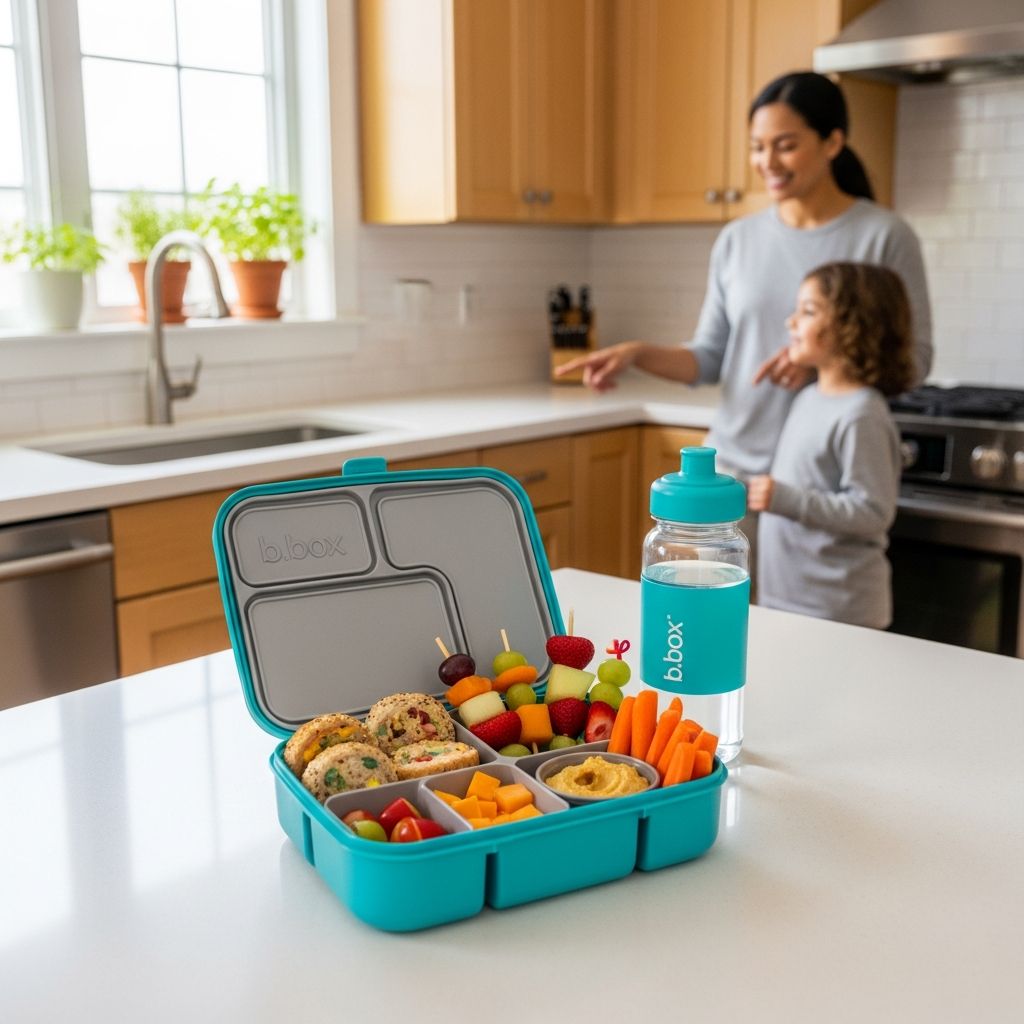
The b.box lunch box stands out because it is built with everyday family challenges in mind. Rather than focusing only on how much it can hold, its layout supports whole foods, varied textures, and foods with different moisture levels. This is especially helpful for kids who prefer larger pieces of fruit, full sandwiches, or leftovers from last night’s dinner.
Multiple compartments allow parents to divide food naturally: a main section for a sandwich or pasta, smaller areas for snacks, and a special space for fruit. Thoughtful details, like flexible seals and removable parts, also make it easier to handle common lunch-packing frustrations such as leaks, soggy sandwiches, or oddly shaped fruit that usually does not fit into standard boxes.
| Feature | How It Helps Families |
|---|---|
| Large main compartment | Fits a whole sandwich, wrap, or leftovers without cutting them into tiny pieces. |
| Dedicated fruit space | Holds whole fruit, helping keep it intact and less prone to bruising. |
| Leak-resistant sections | Helps separate moist foods like yogurt or dips from dry snacks. |
| Removable tray and dividers | Lets parents reconfigure the box for different meals and ages. |
| Integrated cold pack area (on compatible models) | Keeps food cooler for longer without juggling extra ice bricks. |
Planning Balanced Lunches for Kids
Even the best lunch box cannot improve a meal if what is inside is unbalanced. A simple formula is to include four main components: a main carbohydrate source, a protein, at least one fruit, and at least one vegetable. Healthy fats, like avocado or cheese, are also helpful for keeping kids full and satisfied.
Using the compartments of the b.box as a visual guide makes planning easier. One section becomes the “main meal” area, another for fruits, another for vegetables, and another for extras like a small dessert or special snack. Over time, children will recognize that their lunch typically includes each of these elements and may even help choose which foods fill each space.
- Main: whole grain sandwich, pasta salad, rice and beans, or quinoa.
- Protein: turkey slices, boiled eggs, chickpeas, edamame, tofu cubes, or cheese.
- Fruit: whole apple, berries, sliced melon, grapes, or citrus segments.
- Vegetables: carrot sticks, cucumber slices, cherry tomatoes, or steamed broccoli florets.
- Extras: hummus, yogurt, granola bar, or a homemade muffin.
Using Every Corner of the b.box
One of the benefits of a compartment-style lunch box is that each section can serve a specific purpose. Parents can assign roles to each compartment to avoid last-minute guessing. For example, the widest section can always be used for the main course, the flexible fruit compartment for a whole fruit, and the smaller pots or corners for dips and crunchier snacks.
On days when a child wants something different, such as a hearty salad instead of a sandwich, the removable tray or divider can be taken out to give extra space. This adaptability means the same lunch box can work for picky preschoolers, adventurous elementary school kids, and even adults who like a variety of foods at work.
Example Ways to Fill the Compartments
- Main section: Turkey and cheese sandwich, pesto pasta, fried rice, or a leftover burrito cut into halves.
- Fruit area: Whole apple, small pear, or a handful of grapes in a silicone cup.
- Snack zone: Crackers, pretzels, trail mix, or roasted chickpeas.
- Dip or treat section: Hummus, yogurt, nut-free spread, or a mini cookie.
Sample Lunch Ideas for Different Ages
Different age groups have different appetites, chewing abilities, and independence levels. The b.box lunch box can be adapted to suit toddlers at daycare, early elementary school children, and older kids with bigger appetites. The ideas below are only starting points; parents can mix and match based on specific dietary preferences or allergies.
For the youngest children, focus on softer textures and bite-sized shapes. For school-age kids, think about foods that are easy to eat quickly and do not create too much mess. Older children and tweens may enjoy more complex flavors or leftovers from dinner, as long as the food is manageable at room temperature and still safe to eat.
| Age Group | Example Main | Fruit & Veg | Snack/Extra |
|---|---|---|---|
| Toddlers (2–3) | Mini pasta shells with mild tomato sauce and grated cheese | Soft steamed carrot coins and banana slices | Plain yogurt in a sealed area and small rice crackers |
| Early primary (4–7) | Half or whole sandwich with hummus and shredded chicken | Whole mandarin and cucumber sticks | Cheese cubes and a small homemade muffin |
| Older kids (8+) | Brown rice and bean salad with corn and diced peppers | Whole apple and cherry tomatoes | Trail mix (nut-free if needed) and a square of dark chocolate |
Preventing Leaks and Soggy Food
One of the main frustrations with school lunches is food leaking into the backpack or yogurt spilling into the sandwich. The b.box lunch box typically uses silicone or flexible seals to limit this problem, but parents still need to pack thoughtfully. Thin liquids like soup often require a separate thermos, while thicker foods, such as yogurt or pudding, are better suited for leak-resistant sections.
To keep dry foods crisp, avoid placing juicy fruits directly next to crackers or chips. Use the wet-friendly sections of the b.box for foods like melon cubes, cut oranges, and dips. If something is especially runny, it is a good idea to pair it with a second barrier, such as a small lidded cup that still fits inside the lunch box compartment.
- Use thicker dips and spreads instead of very runny sauces.
- Pat washed fruit and vegetables dry with a paper towel before packing.
- Place sandwiches on top of lettuce, cheese, or another barrier ingredient to limit sogginess from moist fillings.
Time-Saving Strategies for Busy Mornings
Even the most organized parents have mornings where time slips away. The b.box can help simplify decisions when certain steps are done the night before. Prepping elements in batches, such as washing and chopping vegetables, boiling eggs, or cooking extra grains for the week, makes it much easier to assemble lunches quickly.
Another strategy is to use the compartments as a planning tool on a weekly basis. Parents can create a simple chart listing what will go into each section for each school day. This not only saves time but also reduces the mental load of having to think of new ideas while everyone is trying to get out the door on time.
- Pre-portion snacks like crackers or dried fruit into small containers and store them in the pantry.
- Wash and store fruits and vegetables in clear containers in the refrigerator for easy grabbing.
- Pack most of the lunch the night before and add temperature-sensitive items in the morning.
Teaching Kids to Pack Their Own b.box
As children grow, involving them in the lunch-packing routine can teach responsibility and encourage healthier choices. The compartment layout of the b.box makes this especially straightforward. Parents can set ground rules such as “one item from each food group” and provide a list of options to choose from.
Over time, kids can learn which foods fit best into each space and how much they typically need to feel satisfied. This participation often leads to fewer uneaten items returning home, because children are more likely to eat food they had a hand in selecting and packing themselves.
- Create a visual chart showing pictures of acceptable fruits, vegetables, proteins, and grains.
- Assign specific shelves or bins in the fridge and pantry labelled for lunch packing.
- Let kids choose a “fun extra” once the basics (main, fruit, vegetable) are in the box.
Keeping the b.box Clean and Fresh
A lunch box needs regular care to stay hygienic and odor-free. After school, emptying the box promptly prevents smells from lingering and makes washing easier. Many parts of the b.box are designed to be removed for cleaning, which helps parents reach hidden corners and seals where crumbs or moisture might collect.
Mild dish soap and warm water are generally enough for daily cleaning. For stubborn odors, such as those from strong-smelling foods, a brief soak in a mixture of water and a small amount of baking soda can help. Making cleaning part of the after-school routine—either for parents or for older children—keeps the lunch box ready for the next day.
- Rinse as soon as possible after use, even if a full wash needs to wait.
- Allow all parts to air dry completely before reassembling to prevent mold.
- Periodically inspect seals and hinges for wear and replace if they no longer close securely.
Eco-Friendly Advantages of a Reusable Lunch Box
Using a durable, compartment-style lunch box is not only convenient but also better for the environment than relying on disposable packaging every day. Over a school year, replacing single-use plastic bags and wrap with a reusable system can significantly cut down on waste. The b.box encourages this by providing flexible sections that work for a wide range of foods, reducing the need for extra packaged items.
Parents who are mindful of environmental impact can take the next step by choosing foods with minimal packaging and buying larger bulk quantities to divide into the lunch box. This approach often saves money while also reducing trash. Children may also become more aware of waste and learn about sustainability through these daily habits.
- Reduce or eliminate single-use plastic bags by using the built-in compartments.
- Buy snacks in bulk and portion them into the lunch box instead of purchasing individually wrapped items.
- Encourage kids to bring home any leftover food and packaging so it can be composted or recycled when possible.
Frequently Asked Questions About the b.box Lunch Box
Is the b.box lunch box suitable for very young children?
The b.box can work well for preschoolers and kindergarteners, especially if they can manage the latch independently. Parents should check that their child can open and close the box without help, since teachers may not always be available during busy meal times. For very young toddlers, adults might use the box for outings and picnics until the child is old enough to handle it alone.
Can the b.box keep food cold until lunchtime?
Many versions of the b.box include a space designed to hold a slim ice pack, which helps keep perishable foods cooler for longer. For best results, the entire box can be stored in an insulated bag with an additional ice block when the weather is warm or when lunch will be eaten later in the day. Families should still follow general food safety guidelines and avoid packing items that spoil easily if they cannot be kept chilled.
How much food fits in a b.box lunch box?
The b.box is usually roomy enough for a full meal and snacks, including a main course, fruits, vegetables, and extras. The exact capacity depends on how bulky the foods are and whether large items like whole fruit or big rolls are used. For very big eaters, some parents choose to pack an additional small container or snack box, but many children will find the b.box alone sufficient.
Is it dishwasher safe?
Many families successfully wash their b.box in the dishwasher, usually on the top rack to avoid exposure to very high heat. However, it is wise to check the specific care instructions provided with the product, as some versions may recommend hand washing certain components. Regardless of the method, removing seals and dividers before cleaning helps ensure every part is properly washed.
Can adults use the b.box for work lunches?
Although the b.box is marketed primarily for children, its generous size and organized layout make it practical for adults too. Office workers and commuters can use it to pack salads, wraps, snacks, and fruit without juggling multiple containers. The playful colors and design may even be a conversation starter in the lunchroom.
Making the Most of Your b.box
The b.box lunch box is not a magic solution, but in the hands of a thoughtful parent or caregiver, it becomes a powerful tool. Its compartments can guide more balanced meals, its seals help avoid mess, and its flexibility allows lunches to evolve along with a child’s tastes. With a bit of planning and creativity, this single box can support busy school mornings, healthy habits, and less wasteful routines all at once.
By turning lunch packing into a simple routine anchored around the b.box, families can reduce stress, encourage children to eat better, and reclaim valuable time each day. Over the course of a school year, these small daily improvements add up, making the lunch box an important part of a smoother, more organized family life.