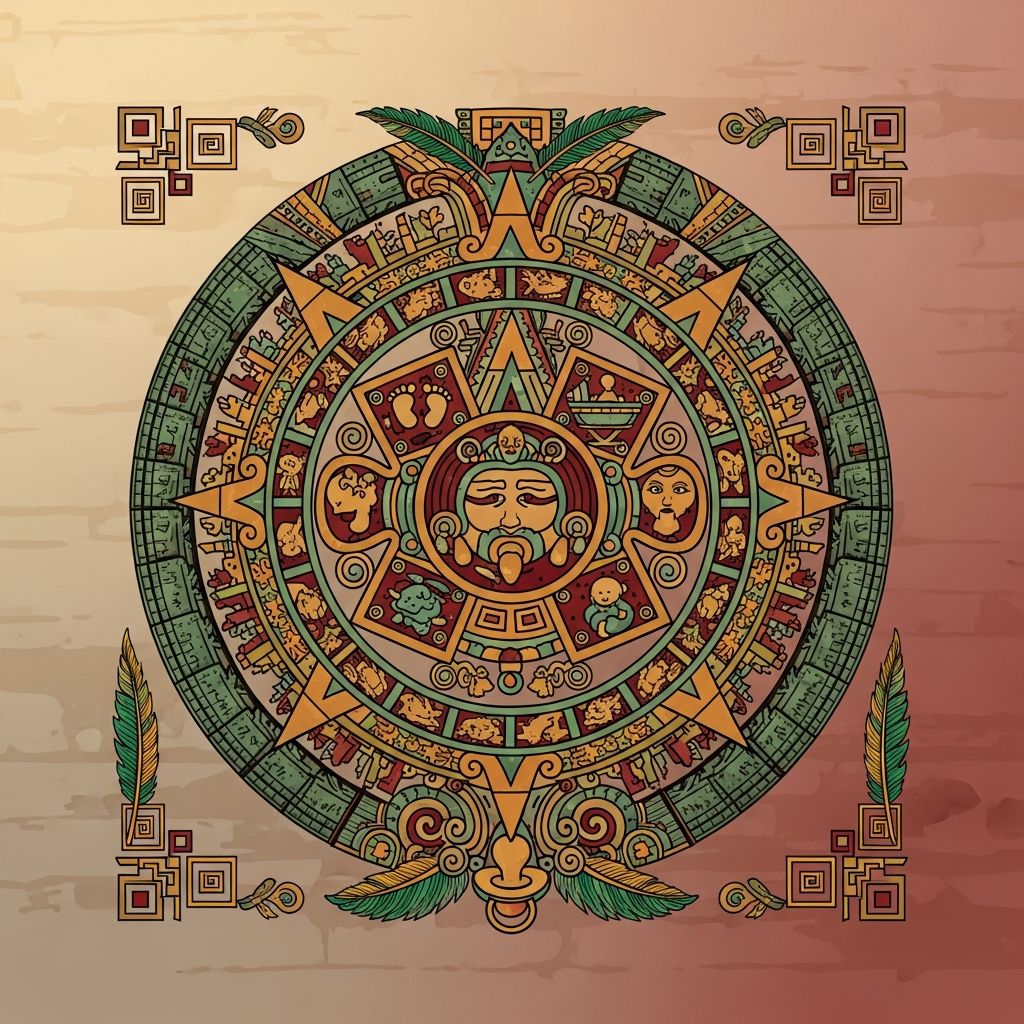
Aztec-inspired names carry deep layers of history, spirituality, and connection to the natural world, making them a rich source of baby name inspiration for modern families.
Understanding Aztec and Nahuatl Names
When people talk about “Aztec names,” they are usually referring to names from the Mexica people and other Nahua groups of central Mexico, whose language is known as Nahuatl. These names often reflect elements of nature, deities, virtues, and important life events, rather than simply sounding pleasant. Choosing a name from this tradition is not only about finding something rare and beautiful, but also about honoring a complex cultural legacy.
Historically, naming in this cultural context could express a child’s place in the cosmos, their hoped-for character, or the family’s devotion to a particular god or natural force. Names could evoke the sky, rain, flowers, animals, or cosmic cycles, reminding the child and their community of their role within a larger universe.
Cultural Respect and Considerations
Before choosing an Aztec-inspired name, it is important to consider the cultural and spiritual weight these names can carry. Some names refer directly to powerful deities or sacred concepts that continue to hold meaning for contemporary Indigenous communities. Using these names with care, humility, and a willingness to learn helps avoid turning a living tradition into a mere trend.
Parents without Indigenous Mexican roots can still draw inspiration from this heritage, but should be mindful of context. Researching the background of each name, listening to community voices where possible, and avoiding clearly sacred titles as casual first names are all thoughtful steps that demonstrate respect.
Key Themes in Aztec-Inspired Names
Many Aztec-influenced names revolve around a few recurring ideas—nature, divinity, time, and personal qualities. Understanding these themes can help you narrow down the type of meaning that resonates most with your family story and values.
- Nature and the elements: Names linked to earth, rain, mountains, plants, animals, and celestial bodies.
- Gods and goddesses: Names associated with deities of fertility, war, rain, love, the sun, or the underworld.
- Character traits: Names expressing ideas such as strength, wisdom, beauty, courage, or uniqueness.
- Time and fate: Names connected to calendars, days, and cosmic cycles that structured Aztec life.
Gender: Traditional and Modern Approaches
In historical contexts, some names were more commonly given to boys and others to girls; however, modern parents often prefer a more flexible approach. Many Nahuatl-based names sound flowing and lyrical, without clearly masculine or feminine endings by contemporary standards.
If you lean toward tradition, you might look for names historically associated with warriors, rulers, or specific male gods for boys, and names linked to flowers, beauty, or female deities for girls. If you prefer a gender-neutral route, consider nature terms, virtues, or cosmic concepts that work equally well regardless of gender.
Sample Aztec-Inspired Names and Meanings
The table below provides a small, illustrative selection of Aztec-inspired names, their broad meanings, and common usage notes. These examples are intended as a starting point for further research, not a definitive list.
| Name | General Meaning | Theme | Modern Usage Note |
|---|---|---|---|
| Citlali / Citlalli | Associated with a star or the night sky | Celestial | Popular with parents who want an ethereal, poetic name |
| Xochitl | Connected to flowers or blossoming | Nature | Often chosen to symbolize growth, beauty, and renewal |
| Cuauhtémoc | Linked with an eagle descending or swooping | Animal / Warrior | Historically tied to a famous ruler; suggests bravery and leadership |
| Yaotl | Related to the idea of a warrior or combatant | Valor | Chosen by families who value courage and resilience |
| Izel | Associated with uniqueness or singularity | Virtue / Identity | Appeals to parents who want an individualistic, modern-sounding name |
Naming Traditions and Symbolism
Traditional Aztec naming practices were intertwined with ritual and cosmology. A child’s name could be influenced by the day of birth according to the sacred calendar, believed to shape personality and destiny. In this way, the name acted as both identifier and spiritual map, pointing toward the child’s path in life.
Names could also honor ancestors, local spirits, or professions, binding the individual to family memory and community roles. Many of the names that survive today in records and living communities bear traces of these layered meanings, which is why a brief translation often tells only part of the story.
Pronunciation Tips for Nahuatl-Based Names
Nahuatl pronunciation can feel unfamiliar at first, but learning a few basic patterns will make most names easier to say. Many consonant sounds are similar to English or Spanish, yet certain letter combinations have distinct pronunciations that reward careful practice.
- “tl” at the end of a word: Often pronounced as a single blended sound, not a full “t” plus “l”. Try softening the tongue against the top of the mouth.
- “x” in many names: Commonly sounds like “sh” (as in “shoe”) rather than the English “ks”.
- Vowels: Typically pronounced clearly and evenly, similar to Spanish vowels, without strong diphthongs.
- Practice slowly: Break longer names into syllables, say each part clearly, then blend them together.
If your family or community does not speak Nahuatl, consider talking with native speakers, watching pronunciation videos, or consulting language guides so you can honor the sound of the name as much as its meaning.
Blending Traditions: Middle Names and Pairings
One practical way to use an Aztec-inspired name is to pair it with a more familiar first or middle name. This approach allows a child to move comfortably between different cultural spaces while still carrying a meaningful connection to Indigenous heritage.
- Combine a Nahuatl first name with a family surname or a classic middle name.
- Use the Aztec-influenced name as a middle name that can be highlighted in important family or cultural contexts.
- Create sibling sets where each child has a nature-related or celestial-themed name drawn from similar traditions.
Blending can also be symbolic: one name might reflect cultural roots, while the other reflects the place where the child is growing up now, capturing both histories in a single identity.
Questions to Ask Before Choosing an Aztec-Inspired Name
Because these names come with significant cultural and historical weight, taking time to reflect before finalizing your choice can help you feel confident and respectful. Consider the questions below during your decision-making process.
- Do you understand the general meaning and cultural associations of the name?
- Is the name tied to a specific deity, ritual, or sacred office, and if so, are you comfortable with that?
- Can you and your family pronounce the name correctly and commit to teaching others to do the same?
- How might the name be received by relatives, teachers, and peers, and how will you support your child in explaining it?
- Are you open to learning more about the broader culture tied to the name as your child grows?
Ideas for Building a Name Shortlist
Turning a long list of potential names into a focused shortlist can feel overwhelming, especially when you are exploring a cultural tradition that is new to you. A simple, structured process can make this more manageable and more meaningful.
- Identify your top themes. Decide whether you are drawn more to nature, celestial bodies, deities, or virtues.
- Gather candidates. Collect names from multiple credible sources, noting translations and pronunciation notes.
- Discuss with family. Say each name aloud, pair it with your surname, and ask how it feels in everyday sentences.
- Research deeper. For your top three to five names, look for more detail on origins and traditional uses.
- Live with them. Use each contender for a few days in casual conversation to see which one truly feels right.
By the time you reach the final decision, you will not only have a name you love, but also a richer understanding of the history and ideas that shaped it.
Frequently Asked Questions About Aztec-Inspired Names
Are Aztec names still used today?
Yes. Variants of traditional Nahuatl and Mexica names are still used in modern Mexico and among Indigenous communities, sometimes in their original forms and sometimes in adapted spellings. Many parents around the world have also begun embracing these names for their distinctive sounds and deep meanings.
Can non-Indigenous parents choose Aztec-inspired names?
Non-Indigenous parents can choose these names, but doing so thoughtfully is essential. Taking time to learn about the culture, acknowledging the name’s origins when people ask, and avoiding sacred titles for casual use are important ways to show respect.
Are all Aztec-related names difficult to pronounce?
Some names may be challenging at first, especially those with letter combinations that are uncommon in English. However, with a little practice and attention to syllables, many families find that these names quickly become natural and enjoyable to say.
How can I be sure of a name’s meaning?
The same name may be explained slightly differently in various sources, because languages change over time and translations can vary. Comparing multiple references, consulting academic or community-based materials, and, when possible, asking speakers of Nahuatl can give you a more complete picture.
Should I change the spelling to make the name easier?
Adjusting spelling can make a name more accessible in certain languages, but it may also distance the name from its original form. If you do decide to modify spelling, try to maintain the core sound and spirit of the name, and keep a record of its original version so your child can explore its roots later.
Final Thoughts on Choosing an Aztec-Inspired Name
Choosing an Aztec-inspired name invites your family into a long and intricate story of language, land, and memory. These names can offer your child a connection to ideas of courage, harmony with nature, cosmic order, and spiritual depth, far beyond what a simple translation captures.
By approaching the process with curiosity, respect, and a willingness to keep learning, you can give your child a name that is not only beautiful and distinctive, but also rooted in one of the world’s most fascinating cultural traditions.