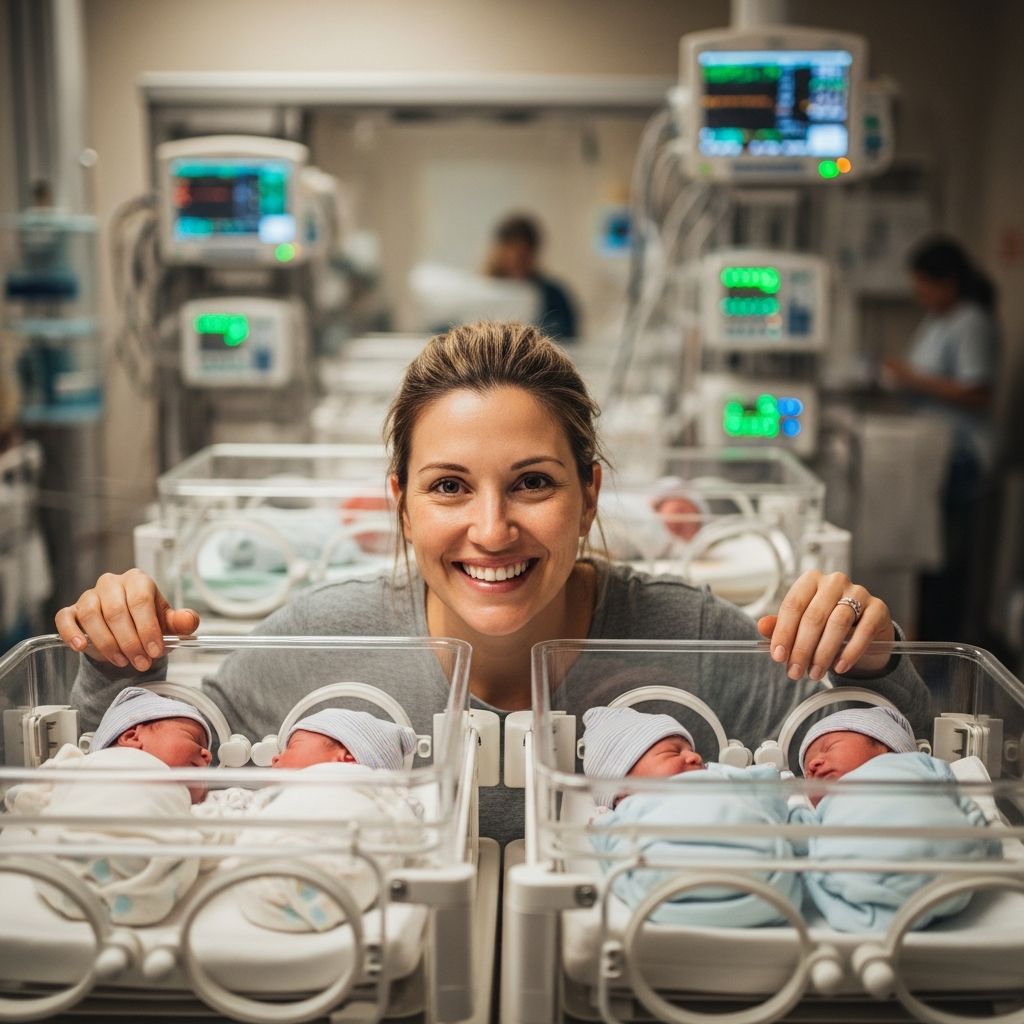
Avoidant attachment in infants emerges when primary caregivers consistently fail to respond to a baby’s emotional needs, leading the child to suppress expressions of distress and develop self-reliance as a coping mechanism.
Foundations of Attachment Theory in Early Childhood
Attachment theory, pioneered by John Bowlby and Mary Ainsworth, posits that the quality of early interactions between infants and caregivers shapes lifelong emotional regulation and relationship patterns. Secure attachment fosters trust and comfort-seeking, while insecure styles like avoidant attachment arise from mismatched responsiveness.
During the first year of life, babies instinctively seek proximity to caregivers for safety. When this need is repeatedly unmet, infants adapt by minimizing displays of emotion, appearing independent to avoid further rejection.
How Avoidant Attachment Forms in Babies
Avoidant attachment develops primarily from caregivers who are emotionally distant, dismissive of cries, or overly focused on independence. Common contributing factors include:
- Consistent ignoring of a baby’s cries or distress signals, teaching the infant that help is unavailable.
- Discouraging emotional expression, such as shaming tears or demanding premature self-control.
- Lack of physical affection or comfort, like minimal holding or soothing during upset.
- Parental overwhelm, where caregivers feel burdened by emotional demands and withdraw.
- Intergenerational patterns, with avoidant parents perpetuating the style unconsciously.
Research from the Strange Situation Procedure, a lab-based assessment, reveals that avoidant infants show no visible distress upon caregiver separation but exhibit elevated physiological stress markers, indicating hidden turmoil.
Recognizing Early Indicators in Infants
Infants with avoidant tendencies often appear unusually calm or self-occupied. Key observable signs include:
- Little reaction to caregiver departures or returns, focusing intently on toys or surroundings.
- Avoidance of eye contact or physical closeness during reunions.
- Rare crying or quick self-soothing without seeking help.
- Preference for solitary play over interactive engagement.
| Age Range | Typical Secure Behavior | Avoidant Attachment Sign |
|---|---|---|
| 0-6 months | Cries for comfort, calms with holding | Minimal crying, ignores caregiver |
| 6-12 months | Protests separation, seeks reunion | No protest, plays independently |
| 12-18 months | Clings during distress, smiles on return | Avoids contact, seems indifferent |
These behaviors mask internal anxiety, as heart rate and cortisol levels match those of securely attached peers during stress.
Long-Term Consequences for Child Development
Untreated avoidant attachment can persist into adulthood, manifesting as discomfort with intimacy, emotional suppression, and relational challenges. Affected individuals often prioritize self-reliance, struggle with vulnerability, and face higher risks of isolation or mental health issues.
In school-age children, this may appear as poor peer relationships or academic disengagement due to unexpressed needs. Adolescence brings potential for defiant independence or anxiety disorders.
Parental Influences and Risk Factors
Caregivers fostering avoidant patterns may unintentionally do so through stress, unresolved trauma, or cultural emphasis on stoicism. Strict discipline without empathy, neglect of basic needs, or modeling emotional detachment reinforces the cycle.
Trauma, such as abuse, amplifies risks, blending avoidant with disorganized elements where the caregiver is both safety source and threat.
Strategies to Promote Secure Attachment
Parents can shift toward secure bonding by prioritizing responsiveness. Essential steps include:
- Prompt response to cries: Attend immediately to build trust in availability.
- Emotional validation: Name and accept feelings, e.g., “I see you’re upset; I’m here.”
- Physical closeness: Use skin-to-skin contact and gentle holding regularly.
- Consistent routines: Predictable caregiving reduces uncertainty.
- Self-reflection: Examine personal attachment history for biases.
Early intervention is key; even established patterns respond to attuned parenting before age two.
Professional Interventions and Therapies
For entrenched cases, therapies target root patterns:
- Cognitive Behavioral Therapy (CBT): Reframes avoidant beliefs, builds secure relational skills via role-play.
- Attachment-Based Family Therapy: Enhances caregiver sensitivity through coaching.
- Parent-Child Interaction Therapy (PCIT): Teaches live feedback on responsive behaviors.
Consult pediatricians or child psychologists for assessments like the Strange Situation or Attachment Q-Sort.
Building Resilience in Daily Caregiving
Daily practices fortify bonds: responsive feeding, playtime with turn-taking, bedtime soothing rituals. Mindfulness helps parents stay present, countering distractions.
Community support via parenting groups reduces isolation, modeling healthy attachments.
Frequently Asked Questions
Can avoidant attachment be reversed in toddlers?
Yes, consistent responsive caregiving from birth to age two can rewire patterns toward security, with therapies aiding older children.
Is avoidant attachment the same as independence?
No, it reflects suppressed needs from rejection, not true autonomy; secure children balance independence with connection.
What if both parents have avoidant styles?
Awareness and joint therapy can break the cycle; one attuned parent often suffices for positive change.
Does trauma always cause avoidant attachment?
No, but emotional unavailability or rejection heightens risk; secure responses buffer trauma effects.
How do I know if my baby is avoidant?
Observe reunion behaviors post-separation; professional observation confirms via standardized tools.
Empowering Parents for Lasting Change
Fostering secure attachment demands intentionality but yields profound benefits: resilient, empathetic children. Start with self-compassion; progress comes through consistent, attuned presence.
References
- Avoidant Attachment: Definition, Signs, Causes & Treatment — WebMD. 2023. https://www.webmd.com/parenting/what-is-avoidant-attachment
- Avoidant attachment: Causes, signs, and effects — Medical News Today. 2023-10-20. https://www.medicalnewstoday.com/articles/avoidant-attachment
- Avoidant Attachment: Definition, Causes, Prevention — Healthline. 2019-09-27. https://www.healthline.com/health/parenting/avoidant-attachment
- Anxious Avoidant Attachment Style: Causes and Signs — Attachment Project. 2023. https://www.attachmentproject.com/blog/anxious-avoidant-attachment-in-children/
- Trauma, PTSD, and Attachment in Infants and Young Children — PTSD: National Center for PTSD, VA.gov. 2023. https://www.ptsd.va.gov/professional/treat/specific/attachment_child.asp
- Attachment Issues in Children: Causes, Symptoms, Treatment — HelpGuide.org. 2023. https://www.helpguide.org/family/parenting/attachment-issues-in-children
- Infant-parent attachment: Definition, types, antecedents — PMC – NIH. 2009-07-10. https://pmc.ncbi.nlm.nih.gov/articles/PMC2724160/