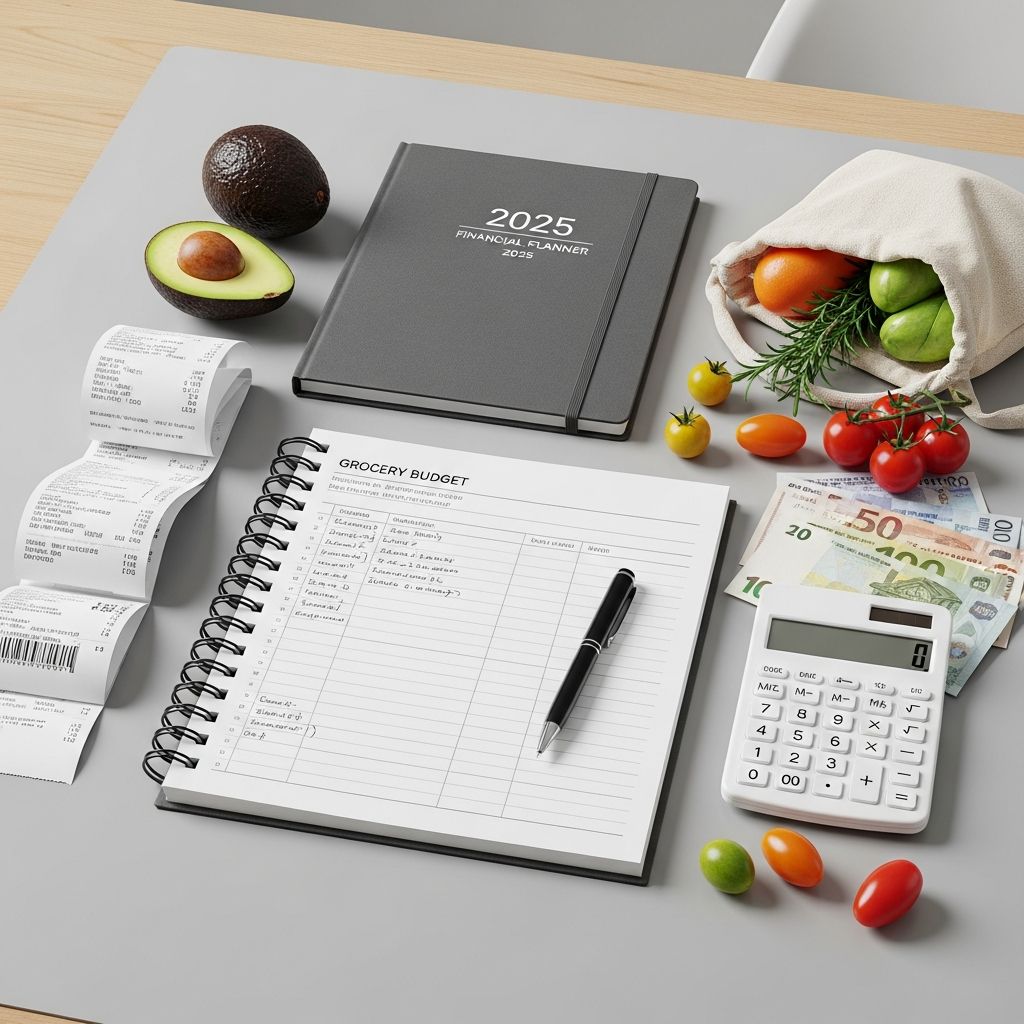
Navigating Today’s Grocery Landscape: A Comprehensive Look at Food Costs
The cost of feeding a family has become an increasingly significant line item in household budgets. As food prices continue to fluctuate and inflation impacts purchasing power, understanding where your money goes and how to optimize spending has never been more important. This guide examines the current state of grocery expenses, explores regional differences, and provides actionable strategies for managing food costs effectively.
What Americans Spend on Groceries: Current Trends
Recent data reveals that Americans are allocating substantial portions of their household budgets to groceries. The average person in the United States spends approximately $370 per month on groceries, though weekly spending varies among surveys and demographic groups. Household-level data shows that a typical American household spends around $270.21 per week, translating to approximately $1,080 per month for complete household grocery purchases.
Food inflation remains a factor influencing overall costs. According to the U.S. Bureau of Labor Statistics, food-at-home prices increased 2.7 percent year-over-year as of August 2025, while food-away-from-home prices rose at a faster rate of 3.9 percent. This distinction is crucial for consumers tracking their spending patterns, as purchasing groceries for home preparation generally offers better value than dining out or purchasing prepared foods.
The variance in spending amounts across different surveys reflects differences in methodology, household composition, and dietary choices. When evaluating your own spending, consider whether these benchmarks align with your household size and regional location.
Geographic Variations: How Location Impacts Your Food Budget
One of the most significant factors affecting grocery expenses is geography. Food costs vary dramatically across the United States, with some states and regions experiencing substantially higher prices than others. Understanding these regional differences helps residents in high-cost areas contextualize their spending and develop realistic budgets.
Most Expensive Grocery Markets
Island states and coastal regions consistently experience the highest grocery expenses. Hawaii leads the nation with average weekly grocery costs of $333.88, followed closely by Alaska at $328.71. California rounds out the top three most expensive states at $297.72 per week. These elevated costs reflect transportation expenses, limited supply chain competition, and higher operational costs for retailers in these areas.
Other states with notably high grocery expenses include Nevada ($294.76 weekly), Mississippi ($290.64 weekly), and Washington ($287.67 weekly). Residents in these regions often find that implementing targeted cost-reduction strategies becomes essential for budget management.
Most Affordable Grocery Markets
Conversely, several states maintain significantly lower average grocery expenses. Iowa leads with the lowest weekly grocery cost at $227.32, followed by Wisconsin at $221.46. These lower costs reflect abundant local agricultural production, competitive retail markets, and reduced transportation expenses.
Other affordable states include Nebraska ($235.12 weekly), Indiana ($239.11 weekly), and West Virginia ($239.24 weekly). Residents in these areas benefit from lower baseline food expenses, though individual shopping habits and store selection still influence total spending.
Breaking Down Food Inflation and Its Impact
Understanding inflation’s role in food budgets helps consumers distinguish between price increases driven by general inflation and those reflecting market-specific changes. Recent data shows that food-at-home prices have increased at a moderate pace, with 2025 year-over-year increases around 2.3-2.7 percent depending on the measurement period.
This inflation varies by product category. Some categories experience steeper price increases than others, meaning strategic shopping choices can offset inflation’s impact. Focusing purchases on categories with lower inflation rates and substituting higher-inflation items with alternatives provides one practical approach to managing costs.
Factors Beyond Geography That Shape Grocery Expenses
While location significantly impacts baseline costs, several additional factors influence individual household spending:
- Household size: Larger households benefit from economies of scale with bulk purchases, though absolute spending increases with more family members.
- Age composition: Families with teenagers typically spend more than those with young children due to increased consumption and caloric needs.
- Dietary preferences: Organic products, specialty diets, and certain cuisines command premium prices compared to conventional alternatives.
- Store selection: Discount grocers and warehouse clubs typically offer lower prices than traditional supermarkets for comparable products.
- Shopping frequency: Impulse purchases during frequent shopping trips often exceed costs from planned, less frequent visits.
- Prepared versus raw ingredients: Purchasing prepared and processed foods costs significantly more per serving than buying raw ingredients.
Practical Strategies for Reducing Grocery Expenses
Understanding spending patterns and regional benchmarks provides the foundation for implementing cost-reduction strategies. Several evidence-based approaches help households lower their food costs without sacrificing nutrition or satisfaction:
Planning and List Development
Creating detailed meal plans before shopping establishes clear purchasing intentions and prevents impulse buying. This practice serves multiple purposes: it ensures you purchase ingredients that work together, reduces food waste from unused perishables, and provides purchasing direction that keeps you focused while in the store. Planning weekly or bi-weekly meals establishes a framework that naturally moderates spending while ensuring balanced nutrition.
Inventory Management
Maintaining awareness of pantry, refrigerator, and freezer contents prevents duplicate purchases and allows you to plan meals around existing ingredients. This approach particularly benefits households with irregular shopping schedules or those experiencing financial constraints. Using existing inventory as the foundation for meal planning transforms potential waste into cost savings.
Strategic Store Selection and Timing
Comparing prices across different retailers identifies establishments offering better overall value for your preferred products. Many shoppers benefit from dividing purchases between discount chains for staples and traditional supermarkets for specialty items. Additionally, shopping during promotional periods, understanding store sale cycles, and timing purchases around typical promotion schedules reduces average per-item costs.
Private Label and Bulk Purchasing
Store-brand products typically offer comparable quality to name brands while costing considerably less. Bulk purchases of non-perishables, particularly through warehouse clubs, reduce per-unit costs for frequently used items. However, bulk purchasing requires adequate storage space and realistic assessment of consumption rates to avoid waste.
Reducing Convenience Foods
Pre-cut vegetables, prepared meals, and convenience items command significant premiums compared to their raw ingredient equivalents. Shifting toward scratch cooking and basic food preparation dramatically reduces food costs while often improving nutritional value. This approach requires modest time investment but yields substantial savings for most households.
Comparing Your Spending to National Benchmarks
The following table provides perspective on spending variations across different regions and highlights the importance of geographic context when evaluating whether your household spending aligns with typical patterns:
| Region Category | Average Weekly Cost | Monthly Equivalent | Representative States |
|---|---|---|---|
| Most Expensive | $300-$334 | $1,300-$1,454 | Hawaii, Alaska, California |
| Above Average | $280-$299 | $1,216-$1,300 | Nevada, Mississippi, Washington |
| Average Range | $255-$279 | $1,108-$1,212 | National Average |
| Below Average | $235-$254 | $1,020-$1,104 | Nebraska, Indiana, West Virginia |
| Least Expensive | $221-$234 | $960-$1,017 | Iowa, Wisconsin |
Understanding the Distinction Between Food-at-Home and Food-Away-From-Home Costs
Price tracking data distinguishes between groceries purchased for home consumption and food purchased through restaurants and foodservice establishments. This distinction matters because inflation rates differ between categories. Food-at-home prices increased 2.7 percent year-over-year, while food-away-from-home prices rose 3.9 percent during the same period. This difference means that shifting more meals to home preparation offers increasing savings compared to dining out.
For households seeking to reduce food expenses, prioritizing home-prepared meals provides more substantial savings as restaurant and delivery inflation outpaces grocery inflation.
Family Size Considerations and Budget Allocation
The USDA estimates that families of four typically spend between $1,000 and $1,600 per month on food, with variation depending on ages and dietary preferences. Larger families benefit from modest per-person cost reductions through bulk purchasing, though absolute spending increases proportionally with family size. Families with teenagers typically experience higher costs than those with younger children due to increased caloric consumption.
Frequently Asked Questions About Grocery Costs
Q: How do I know if my grocery spending is reasonable?
A: Compare your spending to your state’s average weekly costs and adjust for household size. Per-person spending should range from approximately $55-$85 weekly depending on your location. Account for dietary choices, household composition, and access to discount retailers when making comparisons.
Q: Which states have the most affordable groceries?
A: Iowa ($221.46 weekly), Wisconsin ($221.46 weekly), Nebraska ($235.12 weekly), and Indiana ($239.11 weekly) consistently rank among the most affordable. However, residents in high-cost states can still implement strategies to reduce per-person expenses through careful shopping practices.
Q: Does buying organic significantly increase grocery costs?
A: Yes, organic products typically cost 30-50 percent more than conventional alternatives for comparable items. Prioritizing organic purchases for high-pesticide produce while selecting conventional options for items with lower pesticide exposure provides a middle-ground approach.
Q: How can I reduce food waste to lower expenses?
A: Inventory-based meal planning, proper storage techniques, and strategic use of freezing preserve perishables. Planning meals around items approaching expiration prevents waste while ensuring ingredients are used efficiently.
Q: Is bulk purchasing always cost-effective?
A: Bulk purchasing reduces per-unit costs for non-perishables and frequently used items, but requires storage space and realistic consumption rates. Calculate actual per-unit costs before purchasing to ensure bulk items genuinely offer savings.
References
- How Much Do Groceries Really Cost in 2025? — Beehive Meals. 2025. https://beehivemeals.com/blogs/trending-topics/how-much-do-groceries-really-cost-in-2025
- The Average Cost of Food in the US in 2025 — Move.org. 2025. https://www.move.org/the-average-cost-of-food-in-the-us/
- Grocery Prices by State 2026 — World Population Review. 2026. https://worldpopulationreview.com/state-rankings/grocery-prices-by-state
- Food Price Outlook – Summary Findings — U.S. Department of Agriculture Economic Research Service. August 2025. https://www.ers.usda.gov/data-products/food-price-outlook/summary-findings
- What is the Average Grocery Cost Per Month? — NerdWallet. 2025. https://www.nerdwallet.com/finance/learn/how-much-should-i-spend-on-groceries