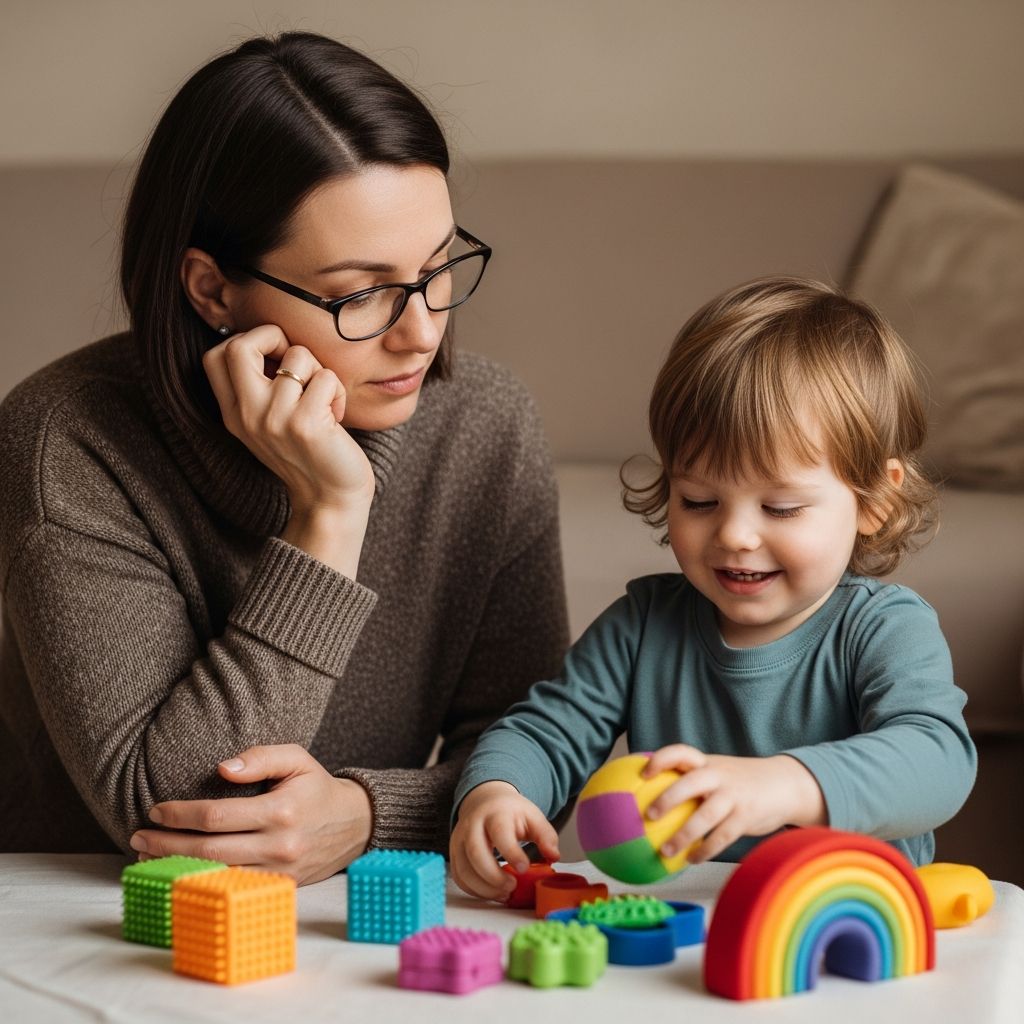
Autistic mothers navigate a parenting landscape marked by intense sensory experiences, late-life diagnoses, and profound emotional connections with their children. While societal expectations often overlook neurodiversity, these mothers leverage unique strengths to foster structured, empathetic environments for their families.
Discovering Autism Amidst Motherhood
Many autistic women receive their diagnosis only after becoming mothers, which reframes years of unexplained struggles in family life. This revelation often occurs during the heightened demands of pregnancy or early parenthood, when sensory overload becomes impossible to ignore.
Prior to diagnosis, these mothers may attribute exhaustion and overwhelm to personal shortcomings rather than neurodivergence. The transition to motherhood amplifies pre-existing traits like sensory sensitivities, leading to a cascade of physical and emotional challenges. For instance, the constant auditory input from a crying infant or tactile demands of caregiving can dysregulate the nervous system, disrupting sleep and daily routines.
- Late diagnosis correlates with internalized blame, as mothers question their parenting abilities without understanding autism’s role.
- Pregnancy introduces new sensory layers, such as heightened smells and bodily changes, exacerbating overload.
- Postpartum periods intensify these issues, with sleep deprivation compounding dysregulation.
Research underscores that autistic mothers experience significantly elevated sensory processing differences across visual, auditory, and tactile domains compared to neurotypical counterparts.
Sensory Overload in Everyday Parenting
Parenting inherently involves unpredictable sensory inputs, which hit autistic mothers with particular force. The symphony of baby cries, toy noises, and crowded playgroups creates chronic hyperarousal, leaving little room for recovery.
Physical caregiving—holding, rocking, or breastfeeding—demands prolonged touch that can feel invasive. Babies rely on maternal co-regulation for calm, but when the mother’s system is overwhelmed, it triggers mutual distress spirals, fostering feelings of failure.
| Sensory Domain | Parenting Triggers | Impact on Autistic Mothers |
|---|---|---|
| Auditory | Crying, toys, conversations | Hyper-reactivity, migraines, shutdowns |
| Tactile | Holding, diapering, hugging | Painful overstimulation, avoidance |
| Visual | Cluttered spaces, flashing lights | Fatigue, reduced focus on child |
| Olfactory | Diapers, food smells | Nausea, appetite loss |
These demands erode access to vital self-regulation tools. Pre-childhood strategies like solitary deep dives into interests or vigorous exercise become luxuries amid constant childcare.
The Power of Autistic Parenting Strengths
Despite hurdles, autistic mothers report elevated parental efficacy and distinctive advantages. Their capacity for intense focus translates to hyper-attunement to children’s needs, creating routines that provide security.
Studies show autistic mothers prioritize their offspring with unwavering dedication, often forging deeper emotional bonds due to shared neurodivergent traits—especially when parenting autistic children.
- Exceptional pattern recognition aids in anticipating meltdowns or developmental milestones.
- Unwavering loyalty and understanding foster resilient child-parent attachments.
- Structured environments reduce chaos, benefiting neurodiverse kids particularly.
One mother reflected that motherhood illuminated her self-worth, transforming past bullying scars into purposeful advocacy for her child. Self-acceptance blooms as they recognize autism not as deficit, but as a lens enhancing empathy and consistency.
Social Isolation and the ‘Good Mother’ Myth
Societal norms pressure mothers into performative socializing—birthday parties, school events—that autistic individuals find exhausting. Participation brings overload; opting out invites isolation and guilt.
Autistic mothers often feel alienated in parent groups due to masking communication styles or divergent interests. This “othering” extends to professional interactions, where clinicians may pathologize rather than accommodate.
Judgments like “you’re too rigid” ignore how structure equals love in neurodivergent homes. Autistic moms resist neurotypical ideals, co-creating visions of “authentic” motherhood aligned with their wiring.
Mental Health Pressures and Burnout Risks
Compounded stressors yield higher rates of anxiety, depression, and fatigue among autistic mothers. Chronic dysregulation impairs emotional availability, perpetuating self-doubt cycles.
Lack of tailored support exacerbates this: generic parenting advice ignores sensory needs, while systemic biases presume incompetence. Mothers crave validation that their challenges stem from environment, not character flaws.
Yet, joys prevail—intimate child connections provide profound fulfillment, counterbalancing strains.
Practical Strategies for Autistic Mothers
Thriving requires intentional adaptations. Here’s a toolkit drawn from lived expertise:
- Sensory Sanctuaries: Designate quiet zones with noise-cancelling headphones and dim lighting for recharge breaks.
- Routine Mastery: Visual schedules for kids double as maternal anchors, minimizing surprises.
- Boundary Setting: Politely decline overwhelming invites; curate low-stakes social circles.
- Co-Regulation Aids: Use weighted blankets or rocking chairs to soothe both parent and child simultaneously.
- Peer Networks: Seek neurodivergent parent communities online for resonance and tips.
- Professional Allies: Advocate for autism-informed therapists who grasp sensory underpinnings.
Physical outlets like yoga or nature walks restore equilibrium when feasible. Prioritizing micro-self-care—deep breathing amid chaos—sustains long-term resilience.
Navigating Healthcare and Systemic Barriers
Interactions with pediatricians or social services often feel adversarial. Autistic mothers report being scrutinized, with autism equated to risk rather than resource.
Training gaps mean providers overlook how sensory accommodations enhance outcomes. Calls grow for autism-aware maternity care, including sensory-friendly birth plans and postpartum screenings.
Policy shifts could mandate neurodiversity education in parenting programs, reducing pathologization and boosting support access.
Building Self-Compassion and Advocacy
Motherhood catalyzes self-discovery, reframing autism as superpower. Late diagnoses liberate, allowing unmasking and authentic family dynamics.
Autistic moms model imperfection beautifully, teaching kids that diverse brains yield diverse strengths. Advocacy extends outward, pushing for inclusive narratives beyond “tragic deficit” tropes.
Frequently Asked Questions
Can autistic mothers form strong bonds with their children?
Yes, research shows autistic mothers often experience intense, joyful connections and higher parental efficacy, excelling in empathy and routine-building.
How does sensory sensitivity affect daily parenting tasks?
Sensitivities amplify routine inputs like noise and touch, risking overload, but adaptations like scheduled breaks mitigate this effectively.
What support do autistic mothers need most?
Sensory-informed strategies, neurodivergent communities, and bias-free professional training top the list for sustainable well-being.
Does late autism diagnosis impact mothering?
Absolutely—it leads to self-blame initially, but post-diagnosis clarity empowers tailored coping and reduces internalized failure.
Are autistic parenting strengths recognized by science?
Yes, studies affirm advantages in child prioritization, structure, and understanding neurodiverse needs.
References
- Understanding the Unique Challenges of Autistic Mothers — Psychology Today / Dr. Kiley Hanish. 2024-05-01. https://www.psychologytoday.com/us/blog/the-neurodivergent-psychologist/202405/understanding-the-unique-challenges-of-autistic-mothers
- The Lived Experiences of Autistic Mothers: A Systematic Review — PMC / National Library of Medicine. 2024. https://pmc.ncbi.nlm.nih.gov/articles/PMC12246537/
- Autistic Moms Share Joys and Struggles — Autism Speaks. 2023. https://www.autismspeaks.org/blog/autistic-moms-share-joys-and-struggles-their-motherly-journey-spectrum