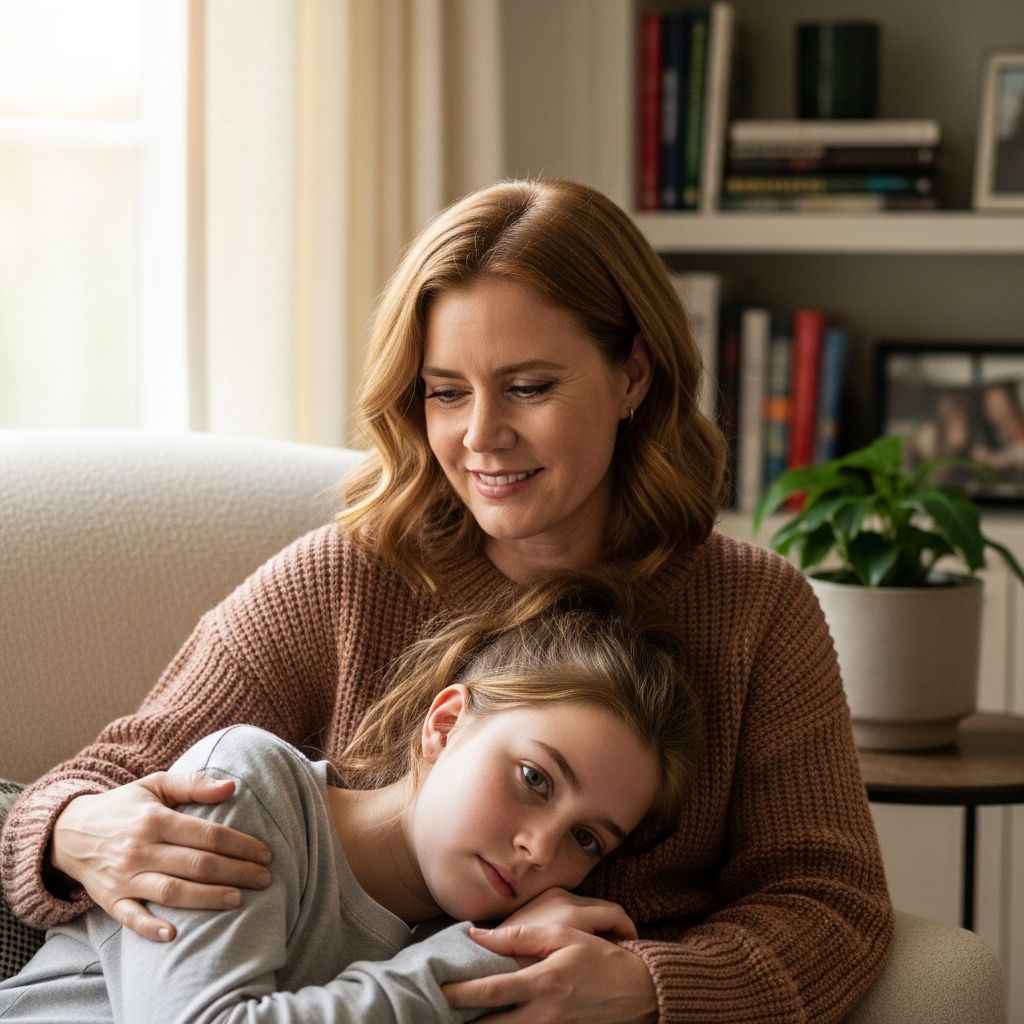
Autism spectrum disorder (ASD) is a developmental condition that affects how a child communicates, interacts with others, and experiences the world. While the diagnosis can feel overwhelming, understanding ASD helps families recognize strengths, plan support, and build a nurturing environment where children can thrive.
What Autism Spectrum Disorder Means
Autism spectrum disorder is described as a “spectrum” because it includes a wide range of abilities, challenges, and support needs. Some children may speak fluently and need only limited support, while others may have significant communication differences and require help with daily tasks. ASD is lifelong, but the ways it shows up can change as a child grows and learns new skills.
Core features of ASD generally fall into two broad areas: social communication and interaction differences, and patterns of restricted or repetitive behaviors and interests. How these look in everyday life varies from child to child, which is why two autistic children can seem very different from one another.
Recognizing Possible Signs of Autism
Early signs of ASD may appear in the first years of life, though some are subtle and can be missed until social demands increase at school age. Not every child will show all signs, but clusters of these behaviors may signal that an evaluation is needed.
Social and Communication Differences
- Limited eye contact or seeming to look “through” rather than at people.
- Not consistently responding to their name or appearing to ignore caregivers.
- Preferring to play alone or not naturally joining group play.
- Using few gestures, such as pointing, waving, or showing objects to others.
- Delayed speech, unusual speech patterns, or repeating phrases heard from others or media.
- Difficulty with back-and-forth conversation, even when vocabulary is strong.
Repetitive Behaviors and Strong Interests
- Repeating movements, such as hand-flapping, rocking, or spinning objects.
- Becoming very upset by changes in routine, such as a different route to school.
- Organizing toys or objects in a specific way instead of using them in pretend play.
- Focusing intensely on certain topics (for example, letters, trains, or maps).
- Strong reactions to sensory experiences, such as noise, textures, or lights.
Some children may also have uneven developmental skills, excelling in areas like memory or puzzles while struggling with everyday tasks like dressing or following directions. Keeping notes of behaviors that concern you can be helpful when speaking with health professionals.
How Autism Is Diagnosed
There is no single blood test or brain scan that can confirm autism. Instead, trained professionals use observations, standardized tools, and caregiver reports to understand how a child communicates, learns, and manages daily life. The process can feel lengthy, but a thorough evaluation ensures that a child gets the right kind of support.
Who May Be Involved in the Evaluation
- Pediatricians or family doctors who first notice developmental differences.
- Developmental-behavioral pediatricians who specialize in child development.
- Child psychologists or psychiatrists who assess behavior and emotional health.
- Speech-language pathologists who evaluate communication skills.
- Occupational therapists who look at sensory processing and daily living skills.
Typical Steps in an Autism Assessment
- Developmental screening: Brief checklists or questions during routine visits to flag possible concerns.
- Comprehensive evaluation: In-depth observation, play-based tasks, and discussions with caregivers about history and behavior.
- Review of medical and family history: To look for other conditions that may affect development.
- Formal feedback: A meeting where the team explains findings, the diagnosis if present, and recommended supports.
Early identification allows children to access therapies and services during critical periods of brain development, but a diagnosis can be helpful at any age. Teens and adults who receive an ASD diagnosis often report that it helps them understand their experiences and advocate for proper support.
Common Strengths in Children with Autism
Discussions about autism can sometimes focus only on challenges, but many autistic children have remarkable strengths. Recognizing and building on these strengths can boost self-confidence and guide choices about schooling, hobbies, and career paths later in life.
- Strong attention to detail, noticing patterns and small changes others miss.
- Deep knowledge about special interests, sometimes at an advanced level for their age.
- Honesty and direct communication, with less tendency toward social “games.”
- Preference for routine, which can support reliability and consistency.
- Creative thinking, including unique ways of approaching problems.
Everyday Challenges and Practical Solutions
The same traits that define autism can create daily stress for children and families. Preparing for common situations and using simple strategies can make routines smoother and reduce frustration for everyone.
Communication and Social Interaction
Some children may not use spoken language, while others may speak well but still struggle with conversation and social rules. This can lead to misunderstandings with peers and adults.
- Use clear, concrete language and avoid long strings of instructions.
- Support understanding with pictures, gestures, or written words.
- Practice turn-taking through games, shared reading, or structured play.
- Prepare the child for social events by explaining what will happen in advance.
Sensory Sensitivities
Many autistic children experience the world more intensely. Everyday sounds, lights, textures, or smells may feel overwhelming, or the child may seek extra movement or pressure to stay regulated.
- Notice patterns, such as meltdowns in noisy stores or resistance to certain clothing fabrics.
- Offer tools like noise-reducing headphones, sunglasses, or soft clothing.
- Create “quiet corners” at home where the child can calm down.
- Work with an occupational therapist to develop individualized sensory strategies.
Home Routines That Support Your Child
Predictable routines help many autistic children feel safe and in control. When they know what to expect, they are more able to focus on learning and connecting with others. Small adjustments to daily life can lead to big improvements in comfort and behavior.
Ideas for Supportive Home Practices
- Create visual schedules using pictures or words to show the steps of each day.
- Use timers or countdowns to signal transitions, such as “five more minutes of play.”
- Break tasks into short, simple steps and teach one step at a time.
- Offer choices when possible (two snack options, two shirts) to build independence.
- Celebrate effort, not just final success, to encourage persistence.
Consistency between caregivers helps a child learn what to expect and reduces confusion. Sharing strategies with grandparents, babysitters, and other family members can make outings and visits more successful.
Therapies and Supports Often Recommended
Many children with ASD benefit from targeted interventions that build skills in communication, social interaction, behavior, and daily living. The best plan is tailored to the child’s needs, strengths, age, and family priorities.
| Type of Support | Main Focus | Examples of Goals |
|---|---|---|
| Speech and language therapy | Understanding and using language, including nonverbal communication. | Requesting needs, improving pronunciation, learning conversation skills. |
| Occupational therapy | Sensory processing and daily living skills. | Dressing, handwriting, tolerating different textures, using utensils. |
| Behavior-focused approaches | Teaching new skills and reducing behaviors that interfere with learning. | Following routines, using coping strategies, increasing flexibility. |
| Social skills groups | Practicing interaction with peers in a supported setting. | Taking turns, reading social cues, managing disagreements. |
| Parent coaching programs | Helping caregivers use strategies at home. | Building communication into play, responding to challenging behavior. |
Medication is not used to “cure” autism but may sometimes help with related concerns such as anxiety, attention difficulties, or sleep problems. Decisions about medication should always be made with a knowledgeable health professional who understands the child’s overall profile.
Working with Schools and Community Programs
Schools play a major role in supporting autistic children. Many children are eligible for individualized education plans or accommodations that help them access the curriculum and participate in school life. Parents are important members of the team and should feel free to ask questions and share insights about what works at home.
Helpful School Supports
- Smaller group instruction or extra adult support in the classroom.
- Visual aids, written instructions, and checklists for assignments.
- Quiet spaces for breaks when noise or activity levels rise.
- Structured opportunities to practice social skills with peers.
- Clear communication between school staff and family about progress and concerns.
Community programs such as sports, arts, or clubs can also be welcoming environments, especially when leaders understand autism and can adapt activities. Asking in advance about noise levels, group size, and expectations can help determine whether a program fits your child’s needs.
Caring for the Whole Family
Raising a child with ASD can bring joy and connection, but it can also include extra appointments, advocacy work, and emotional stress. It is important for caregivers to seek information, support, and breaks when possible. Looking after your own well-being is not selfish; it allows you to stay steady for your child.
- Connect with local or online parent groups to share experiences and strategies.
- Ask trusted friends or family members for help with childcare or errands.
- Schedule small but regular moments for rest, hobbies, or exercise.
- Consider counseling or support groups if you feel overwhelmed or isolated.
Siblings may also need space to talk about their feelings, both positive and difficult. Including them in age-appropriate ways and acknowledging their experiences helps maintain healthy family relationships.
Frequently Asked Questions About Autism Spectrum Disorder
Is autism caused by parenting style?
No. Autism spectrum disorder is not caused by parenting style, and it is not a result of something parents “did” or “did not do.” Research points to complex interactions between genetic and biological factors. Supportive parenting can make a significant positive difference, but it does not cause or cure ASD.
Can children outgrow autism?
ASD is considered a lifelong condition, but many children develop new skills over time, and their support needs may change. Early and ongoing interventions, combined with understanding and acceptance, help children build communication, independence, and coping strategies that may lessen the impact of certain challenges.
Does every child with autism have intellectual disability?
No. Cognitive abilities vary widely among autistic individuals. Some have intellectual disability, while others have average or above-average intelligence. A comprehensive evaluation can clarify learning strengths and challenges so that teaching approaches can be matched appropriately.
When should a parent seek an evaluation?
If you notice that your child is not meeting communication or social milestones, loses skills they previously had, or shows multiple behaviors that concern you, it is reasonable to request an evaluation. Starting the process early can open doors to services, even if the final diagnosis takes time to confirm.
How can parents explain autism to their child?
Many children benefit from a positive, age-appropriate explanation that focuses on differences rather than defects. Parents might talk about how everyone’s brain works a little differently and that autism means the child may need extra help in some areas while having special strengths in others. Using books, stories, or examples from the child’s own life can make the explanation more relatable.
Key Takeaways for Parents
- Autism spectrum disorder affects communication, social interaction, and behavior, but each child’s profile is unique.
- Early recognition and evaluation allow children to access therapies that support development.
- Building on strengths, addressing sensory needs, and using predictable routines can reduce stress.
- Partnerships between families, schools, and community programs help children participate more fully in daily life.
- Parents’ well-being matters; seeking support is a sign of strength, not weakness.