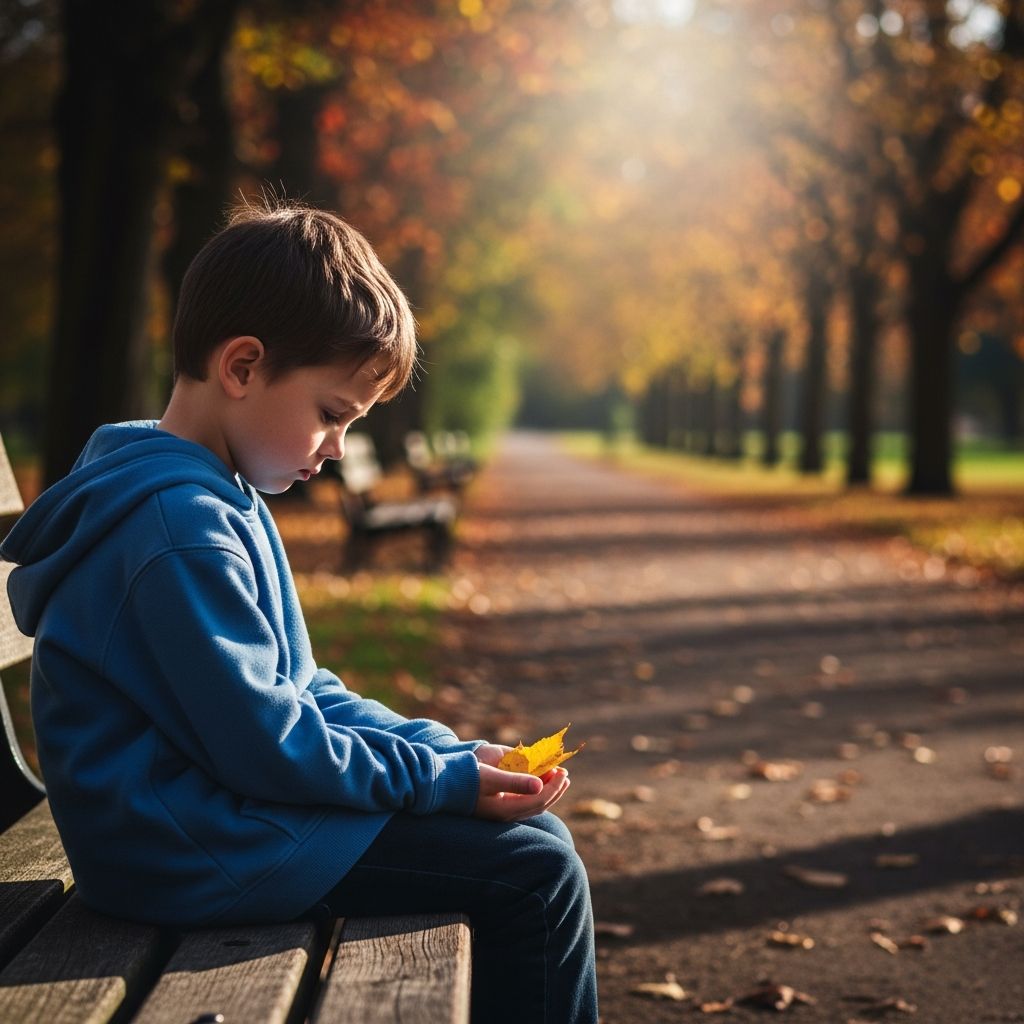
Autism spectrum disorder (ASD) presents unique hurdles during the teenage years, a time of rapid physical, emotional, and social changes. Teens with autism often face intensified challenges in communication, relationships, and self-regulation, yet with targeted support, they can build skills for independence and fulfillment. This guide draws from authoritative health sources to outline recognition, impacts, and actionable steps forward.
Recognizing Autism Traits in Teenagers
ASD is a neurodevelopmental condition influencing social interaction, communication, behavior, and sensory processing. In teens, symptoms evolve from childhood patterns, becoming subtler yet more impactful amid peer pressures and academic demands. Early identification enables timely interventions that enhance long-term outcomes.
Social Interaction Challenges
Teenagers on the spectrum frequently struggle with unspoken social norms. They might prefer solitude or interactions with younger kids or adults over peers, misread facial cues or sarcasm, and enforce rigid play rules, leading to conflicts. Difficulty shifting behaviors across contexts—like casual chats versus formal settings—can isolate them further.
- Avoid eye contact or thrive in non-face-to-face talks.
- Miss nonverbal signals, such as teasing or boredom indicators.
- Face hurdles in forming friendships due to empathy gaps or script reliance for conversations.
Communication Patterns
Verbal skills may seem advanced with rich vocabularies and formal phrasing, but depth varies. Teens might dominate talks on niche passions, overlook turn-taking, or interpret idioms literally—like mistaking ‘break a leg’ for injury advice. Voice traits, such as monotone delivery or unusual volume, add barriers.
| Common Communication Issue | Examples in Teens |
|---|---|
| Literal Interpretation | Confused by sarcasm or metaphors. |
| Topic Rigidity | Monologues on special interests, ignoring others. |
| Nonverbal Gaps | Limited gestures or facial expressiveness. |
Behavioral and Interest Patterns
Repetitive actions, like aligning objects or rituals, provide comfort but disrupt flexibility. Intense fixations—say, memorizing train schedules—dominate time, sidelining broader learning. Routine disruptions trigger distress, amplifying transition struggles in school shifts or puberty changes.
Sensory Processing and Physical Sensitivities
Sensory differences profoundly affect daily life for autistic teens. Hypersensitivity to noise, textures, or lights can overwhelm, sparking meltdowns, while hyposensitivity might mean ignoring pain or temperature extremes. These traits influence clothing choices, food preferences, and environments.
- Overreaction to tags, smells, or crowds.
- Seeking deep pressure or visual stimming, like finger-fluttering.
- Sleep disruptions from sensory overload or anxiety.
Such sensitivities compound with puberty’s hormonal shifts, heightening irritability or withdrawal.
Mental Health and Emotional Realities
Adolescence amplifies vulnerability to co-occurring conditions. Anxiety surges in novel or crowded scenarios, depression from isolation or bullying, and emotional outbursts from frustration. Sleep issues persist, fueling daytime fatigue, while executive function lags—like planning or prioritizing—widen peer gaps.
Statistics highlight stakes: Nearly 40% of autistic adults report minimal friend time, with high underemployment and family dependence post-school. Yet, behavioral improvements often emerge, reducing hyperactivity and repetitive urges.
Key Co-Occurring Challenges
| Issue | Prevalence in Autistic Teens | Potential Triggers |
|---|---|---|
| Anxiety/Meltdowns | Commonplace | Social overload, changes. |
| Depression | Heightened risk | Bullying, self-awareness of differences. |
| Sleep Problems | Persistent | Sensory issues, routines. |
| Executive Function Gaps | Widens in teens | Organization, flexibility deficits. |
School and Daily Life Navigation
Secondary school demands—complex schedules, group projects, shifting teachers—overwhelm many autistic teens. School refusal stems from sensory chaos, bullying fears, or task overload. Home routines falter too, with time management or hygiene lapses during independence pushes.
Strategies include visual timetables, quiet zones, and peer mentoring to foster inclusion.
Building Independence: Practical Strategies
Empowerment starts with self-knowledge. Late diagnoses unlock funding, therapies, and pride in neurodiversity. Tailored approaches boost outcomes:
- Social Skills Training: Role-play cues, join interest-based clubs.
- Sensory Supports: Noise-cancelling headphones, weighted blankets.
- Executive Function Tools: Apps for planners, break tasks into steps.
- Mental Health Access: CBT adapted for ASD, mindfulness for anxiety.
- Family Involvement: Educate siblings, set predictable home structures.
Behavioral therapies reduce maladaptive habits, while vocational prep counters employment risks.
Transition to Adulthood: Long-Term Outlook
Post-high school, autistic individuals face employment barriers and limited community engagement. Yet, daily living skills improve with practice, and maturity curbs some behaviors. Seizure risks peak in teens but affect few; proactive health monitoring is key.
Success stories emphasize early, sustained support: job coaching, supported living, and autism-friendly colleges.
Frequently Asked Questions (FAQs)
What are early signs of autism in teens?
Social withdrawal, rigid interests, sensory aversions, and communication quirks like literal speech.
Can autism be diagnosed in teenagers?
Yes, late diagnoses are common and lead to vital services, self-understanding, and advocacy skills.
How does puberty impact autistic teens?
Hormones intensify anxiety, sleep issues, and emotional regulation challenges.
What support is available for autistic teens in school?
IEPs, counseling, sensory accommodations, and social groups tailored to needs.
Do symptoms improve in adulthood?
Many gain better daily skills and reduced repetitive behaviors, though social gaps persist without support.
References
- Later signs of autism: pre-teens and teenagers — Raising Children Network. 2023. https://raisingchildren.net.au/autism/learning-about-autism/assessment-diagnosis/signs-of-asd-in-teens
- Signs of Autism in Teenagers — Above and Beyond Therapy. 2024. https://www.abtaba.com/blog/autism-in-teenagers
- Autism Spectrum Disorder in Teenagers and Adults — Centers for Disease Control and Prevention (CDC). 2025-01-10. https://www.cdc.gov/autism/about/asd-in-teenagers-adults.html
- Autism in the Teen Years: What to Expect, How to Help — Kennedy Krieger Institute. 2023. https://www.kennedykrieger.org/stories/interactive-autism-network-ian/autism_in_teens
- Autism Spectrum Disorder — National Institute of Mental Health (NIMH). 2024-08-15. https://www.nimh.nih.gov/health/publications/autism-spectrum-disorder
- Autism spectrum disorder – Symptoms and causes — Mayo Clinic. 2025. https://www.mayoclinic.org/diseases-conditions/autism-spectrum-disorder/symptoms-causes/syc-20352928