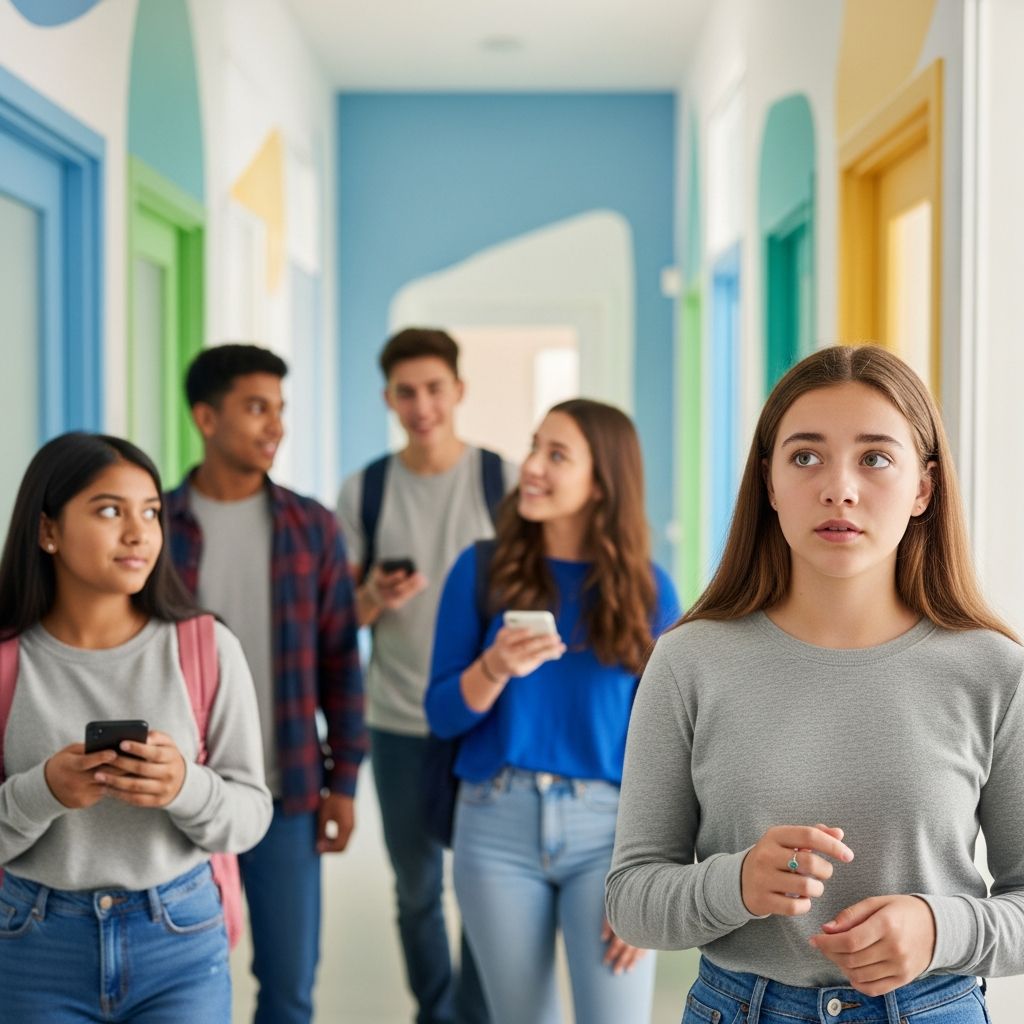
Puberty marks a pivotal phase in every young person’s life, characterized by rapid physical growth, hormonal shifts, and evolving social dynamics. For autistic adolescents, this transition amplifies existing challenges, blending neurodiverse traits with typical teenage developments. Heightened sensory processing differences, intensified emotional responses, and complex peer interactions can create overwhelming experiences, yet with tailored support, these years can pave the way for resilience and independence.
Physical Transformations and Their Impact on Autistic Youth
The bodily changes of puberty—such as growth spurts, voice deepening, and the onset of menstruation or erections—occur alongside autism-related traits. Hormonal fluctuations may exacerbate sensory sensitivities, making everyday textures, sounds, or lights feel intolerable. For instance, clothing that once felt comfortable might now irritate skin hypersensitive due to estrogen or testosterone surges, leading to distress or meltdowns.
Autistic teens might also struggle with hygiene routines essential during this period. Brushing teeth, showering, or managing menstrual products requires fine motor skills and executive functioning often delayed in autism. Research indicates slower maturation in these areas, complicating self-care independence.
- Growth spurts: Sudden height increases can disrupt balance and coordination, particularly for those with motor challenges.
- Menstruation management: Girls on the spectrum may find tracking cycles confusing without visual aids or reminders.
- Body odor and grooming: Increased awareness from peers heightens anxiety about fitting in socially.
Families can help by introducing gradual routines with timers, picture schedules, and sensory-friendly products like soft fabrics or unscented deodorants.
Sensory Overload: Why Puberty Amplifies Autism Traits
Sensory processing differences are core to autism, but puberty often intensifies them through hormonal influences on the nervous system. What was once a tolerable school cafeteria noise becomes deafening amid surging cortisol levels, a stress hormone that rises during adolescence. Studies show autistic teens exhibit altered cortisol responses to stressors, potentially worsening overload.
| Sensory Challenge | Puberty Effect | Adaptation Strategies |
|---|---|---|
| Noise sensitivity | Hormones heighten auditory processing | Noise-cancelling headphones, quiet breaks |
| Texture aversion | Skin changes increase irritation | Seamless clothing, lotion routines |
| Light sensitivity | Eye strain from growth | Blue-light filters, dimmable lamps |
Proactive sensory diets—personalized plans of calming activities—must evolve. Childhood swings might yield to teen-preferred deep pressure tools like weighted blankets. Regular occupational therapy reassessments ensure strategies match maturing needs.
Social Navigation: Mastering Teen Interactions
Adolescence ushers in intricate social hierarchies, romantic interests, and group dynamics that autistic teens decode with difficulty. Impairments in social skills become stark as peers demand nuanced cues like sarcasm or flirting. Rejection risks rise, fueling isolation or bullying, which autistic youth experience at higher rates.
Communication hurdles compound this: nonverbal or minimally verbal teens may lash out aggressively when frustrated by unmet needs. Puberty aggression often stems from these mismatches, not inherent malice—hormones exacerbate anxiety, triggering fight-or-flight responses.
- Explicit teaching of social scripts for conversations or dating.
- Role-playing scenarios to practice empathy and boundaries.
- Peer mentorship programs pairing autistic teens with neurotypical allies.
Social skills groups provide safe practice, building confidence for real-world application.
Emotional Turbulence: Mood, Anxiety, and Mental Health
Hormonal storms ravage emotional regulation, doubly so for autistic adolescents prone to anxiety and depression. Puberty coincides with self-awareness of differences, sparking identity crises: “Why am I not like others?” Mood swings manifest as irritability, shutdowns, or meltdowns.
Research reveals conflicting trajectories—some studies note symptom improvement during puberty, others deterioration due to stress. A longitudinal study of 242 individuals found peak gains in adaptive behaviors mid-puberty, though post-high school declines occur without support. Mental health therapy is crucial, adapting cognitive-behavioral techniques for literal thinking styles.
Families should monitor for signs like withdrawal or self-harm, seeking professionals versed in autism.
Sexuality and Relationships: Addressing Emerging Desires
Sexual maturation brings urges that autistic teens may not contextualize appropriately. Without guidance, they risk inappropriate behaviors or exploitation due to poor boundary recognition. Education must be direct: consent, safe touching, online safety, and masturbation etiquette.
Boys might fixate on routines around erections; girls need clear period explanations. Tailored programs use visuals and social stories to demystify these changes.
- Private spaces for self-exploration.
- Open discussions normalizing attractions.
- Resources on healthy relationships and rejection handling.
Building Independence: Executive Skills for Teen Life
Executive functioning—planning, prioritizing, flexibility—lags in autism, clashing with teen demands like homework juggling or future planning. Puberty’s chaos amplifies disorganization, but targeted interventions foster autonomy.
Therapists shift from parent-led to teen-driven sessions, teaching tools like apps for reminders or planners. Self-advocacy training empowers voicing needs in school meetings.
Family Dynamics: Supporting Everyone Through Change
Puberty reshapes families; parents grieve lost childhood while managing outbursts. Siblings feel overlooked. Family therapy unpacks these tensions, promoting empathy and shared strategies.
Caregivers prioritize self-care to model resilience, joining support networks for validation.
School and Community Strategies for Success
Educators adapt IEPs with puberty clauses: flexible seating, counseling access, sensory rooms. Transitions to high school benefit from previews and mentors.
Extracurriculars matching interests build social capital without overload.
Frequently Asked Questions (FAQs)
Can puberty make autism symptoms worse?
Autism traits don’t worsen inherently, but challenges like sensory issues and social demands intensify, making them more noticeable.
How do hormones affect autistic teens?
Hormonal shifts can heighten stress reactivity and sensory sensitivities, altering cortisol responses and emotional regulation.
What causes aggression in autistic puberty?
Often triggered by sensory overload, communication barriers, or anxiety amplified by hormones, not the autism itself.
Do autistic teens experience mood swings?
Yes, at higher rates due to emotional regulation difficulties compounded by puberty hormones.
How can families prepare for this transition?
Through education, therapy adaptations, sensory updates, and open communication about changes.
Long-Term Outlook: Thriving Beyond Puberty
With evolved supports—self-advocacy focus, mental health integration, family involvement—autistic teens emerge equipped for adulthood. Puberty, though turbulent, offers growth opportunities, reducing reliance on services while building lifelong skills. Early investment yields independent, fulfilled lives.
References
- Autism and Puberty: How Therapy Approaches Change — Heartwise Support. 2023-05-15. https://www.heartwisesupport.org/post/autism-and-puberty
- Adolescence, Stress and Cortisol in Autism Spectrum Disorders — PMC (National Library of Medicine). 2014-03-14. https://pmc.ncbi.nlm.nih.gov/articles/PMC3961758/
- Autism and Puberty Aggression: What You Need to Know — Autism Parenting Magazine. 2023-08-22. https://www.autismparentingmagazine.com/autism-and-puberty-aggression/
- Signs of Autism in Adolescents — Ridge RTC. 2024-02-10. https://theridgertc.com/signs-of-autism-in-adolescent/
- Autism and Puberty — Autism Speaks. 2022-11-05. https://www.autismspeaks.org/expert-opinion/autism-and-puberty
- Autism in the Teen Years: What to Expect, How to Help — Kennedy Krieger Institute. 2023-06-20. https://kennedykrieger.org/stories/interactive-autism-network-ian/autism_in_teens