What Exactly Is Athlete’s Foot?
Athlete’s foot, medically known as tinea pedis, is a common fungal infection that affects the skin on the feet. Despite the name, it’s not limited to athletes; anyone can develop it. The infection is caused by a group of fungi called dermatophytes, which thrive in warm, moist environments. These organisms feed on keratin, a protein found in skin, hair, and nails, making the feet—especially between the toes—an ideal place for them to grow.
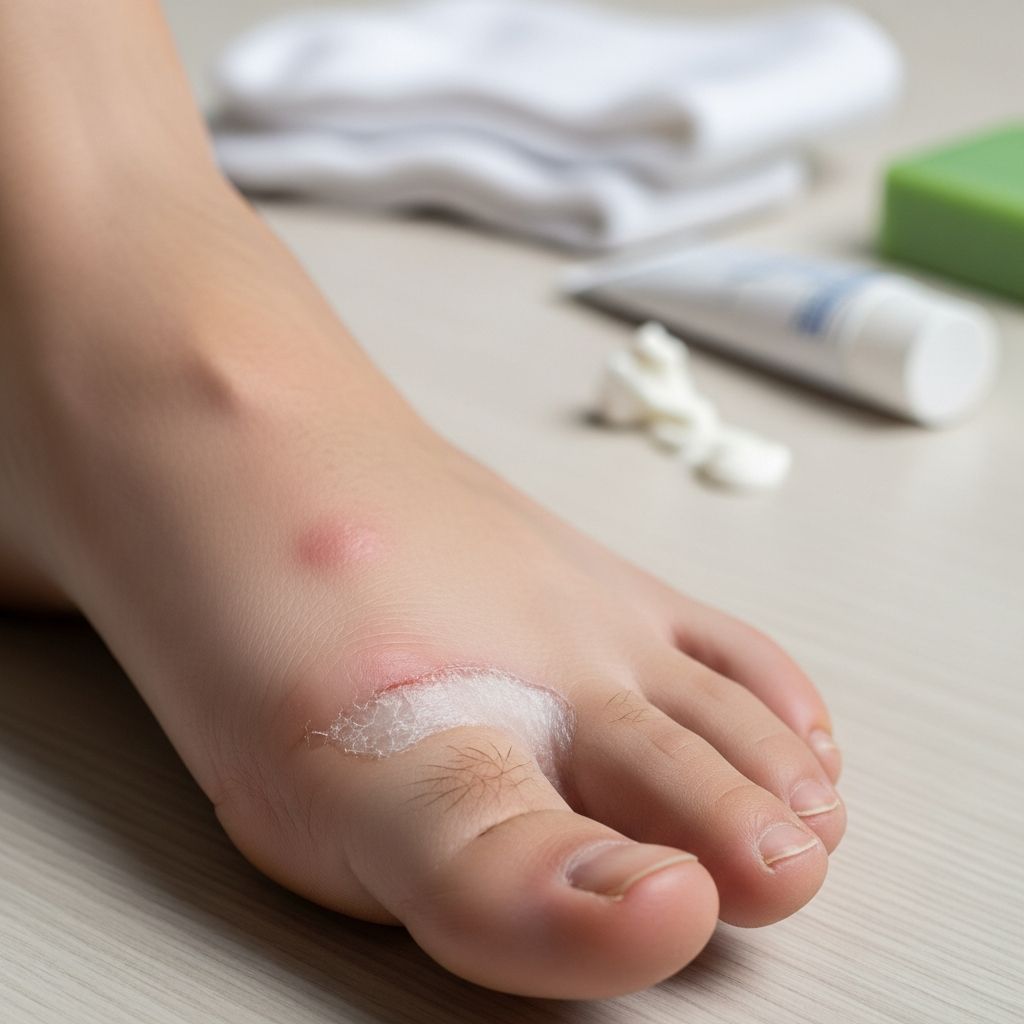
The infection usually starts as a red, itchy rash, often between the toes, but it can spread to the soles, sides of the feet, and even the toenails if left untreated. While it’s usually not serious, it can be uncomfortable and persistent, and in some cases, it can lead to secondary bacterial infections, especially in people with certain health conditions.
How Does the Fungus Take Hold?
The fungi that cause athlete’s foot are naturally present in many environments, especially in places where people walk barefoot and moisture lingers. Common transmission sites include:
- Locker rooms and gym showers
- Public swimming pool decks
- Communal changing areas
- Shared footwear or towels
The infection spreads when skin comes into contact with contaminated surfaces or objects. Fungi can survive on floors, mats, shoes, and socks for days or even weeks. Once on the skin, they multiply quickly in warm, damp conditions—like sweaty feet inside closed shoes.
Small breaks in the skin, such as tiny cuts, blisters, or areas of dry, cracked skin, make it easier for the fungus to invade. This is why keeping skin intact and well-moisturized (without making it soggy) is an important part of prevention.
Recognizing the Signs of Infection
Symptoms of athlete’s foot can vary from mild to more noticeable, depending on the type and severity of the infection. Common signs include:
- Itching, stinging, or burning between the toes or on the soles
- Redness and inflammation of the skin
- Peeling, flaking, or cracking skin
- Small blisters that may ooze or crust over
- Dry, scaly skin that may extend up the sides of the feet
- Unpleasant odor from the feet
In some cases, the infection can spread to the toenails, causing them to become thick, discolored, brittle, or crumbly. This is known as onychomycosis and often requires longer or stronger treatment than skin-only infections.
It’s important to note that athlete’s foot can sometimes be mistaken for other skin conditions like eczema or contact dermatitis. If the rash doesn’t improve with basic care, or if it spreads rapidly, becomes very painful, or shows signs of pus or fever, it’s best to see a healthcare provider for an accurate diagnosis.
Who Is More Likely to Develop Athlete’s Foot?
While anyone can get athlete’s foot, certain factors increase the risk:
- Wearing tight, non-breathable shoes: Shoes made of synthetic materials trap sweat and heat, creating a perfect environment for fungi.
- Going barefoot in public areas: Walking barefoot in locker rooms, showers, or pool areas increases exposure to the fungus.
- Excessive sweating: People who sweat heavily on their feet are more prone to fungal growth.
- Sharing personal items: Using someone else’s socks, shoes, or towels can transfer the infection.
- Having a weakened immune system: Conditions like diabetes, HIV, or certain medications can make it harder for the body to fight off infections.
- History of fungal infections: People who’ve had athlete’s foot before are more likely to get it again if preventive habits aren’t maintained.
People with diabetes need to be especially careful with any foot issue, including athlete’s foot. Poor circulation and reduced sensation in the feet can make it harder to notice injuries or infections early, increasing the risk of complications.
How Is Athlete’s Foot Treated?
Most cases of athlete’s foot can be managed effectively at home with over-the-counter (OTC) antifungal products. The goal is to kill the fungus and prevent it from spreading or coming back.
Over-the-Counter Options
Common OTC antifungal treatments include creams, sprays, powders, and gels. These typically contain active ingredients such as:
- Clotrimazole
- Miconazole
- Tolnaftate
- Terbinafine
These products are applied directly to the affected skin, usually once or twice a day, for several weeks. It’s important to continue using the medication for the full recommended time, even after symptoms improve, to make sure all the fungus is gone.
When Prescription Treatment Is Needed
If the infection doesn’t improve after 2–4 weeks of consistent OTC treatment, or if it’s severe, widespread, or involves the toenails, a healthcare provider may prescribe stronger medications. These can include:
- Stronger topical antifungals: Prescription creams or solutions that are more effective than OTC versions.
- Oral antifungal pills: Medications like terbinafine, itraconazole, or fluconazole that work from the inside to clear the infection. These are usually taken for several weeks and may require monitoring for side effects.
- Combination therapy: In some cases, a provider may recommend using both a topical antifungal and an oral medication, especially for nail involvement or recurrent infections.
If there are signs of a secondary bacterial infection—such as increased redness, swelling, pus, or fever—antibiotics may also be needed in addition to antifungal treatment.
Everyday Habits That Support Healing
Medication alone is often not enough to fully clear athlete’s foot. Daily habits play a crucial role in both treatment and prevention. Key practices include:
- Keep feet clean and dry: Wash feet daily with soap and water, and dry them thoroughly, especially between the toes.
- Change socks regularly: Wear clean, dry socks every day, and change them if they become damp from sweat.
- Choose breathable footwear: Opt for shoes made of natural materials like leather or canvas that allow air to circulate.
- Rotate shoes: Avoid wearing the same pair of shoes two days in a row. This gives them time to dry out completely between uses.
- Use antifungal powder: Applying antifungal or drying powder inside shoes and on feet can help reduce moisture and fungal load.
- Air out feet: Spend some time each day barefoot at home, when safe, to let feet breathe.
These simple steps help create an environment where fungi struggle to survive, making it easier for treatments to work and reducing the chance of recurrence.
Preventing Athlete’s Foot from Coming Back
Once the infection is gone, maintaining good foot hygiene is the best way to prevent it from returning. A few practical strategies include:
- Wear flip-flops or shower shoes: In public showers, locker rooms, and pool areas, protect your feet by wearing waterproof sandals.
- Don’t share personal items: Avoid sharing socks, shoes, towels, or nail clippers with others.
- Wash and dry shoes: If possible, clean the inside of shoes and let them air out in a well-ventilated area.
- Use moisture-wicking socks: Socks made from materials that pull sweat away from the skin can help keep feet drier.
- Check feet regularly: Look for early signs of redness, itching, or peeling, especially between the toes, so you can start treatment quickly.
For people who are prone to recurrent infections, a healthcare provider may recommend using antifungal powder or spray as a preventive measure, even when there are no active symptoms.
Can Athlete’s Foot Spread to Other Parts of the Body?
Yes, the same fungi that cause athlete’s foot can spread to other areas of the body, especially if a person scratches or touches the infected area and then touches another part of the skin. Common related infections include:
- Jock itch (tinea cruris): A fungal infection in the groin area.
- Ringworm (tinea corporis): A circular, itchy rash on the arms, legs, or trunk.
- Nail infections (onychomycosis): Fungal infection of the toenails or fingernails.
To reduce the risk of spreading, avoid scratching the affected area, wash hands after touching the feet, and treat any other fungal infections at the same time.
When to See a Healthcare Provider
While many cases of athlete’s foot can be managed at home, there are situations where professional care is important:
- The rash doesn’t improve after 2–4 weeks of OTC treatment.
- Symptoms are severe, painful, or spreading rapidly.
- There are signs of a bacterial infection, such as pus, increasing redness, swelling, or fever.
- The infection involves the toenails.
- The person has diabetes or a weakened immune system.
- The infection keeps coming back despite good hygiene and treatment.
A healthcare provider can confirm the diagnosis, rule out other conditions, and recommend the most appropriate treatment plan.
Common Myths About Athlete’s Foot
Several misconceptions about athlete’s foot can lead to confusion or ineffective treatment. Here are a few myths, along with the facts:
| Myth | Fact |
|---|---|
| Only athletes get athlete’s foot. | Anyone can get it; the name comes from the environments where it’s commonly picked up, not from athletic activity itself. |
| Antibiotics can cure athlete’s foot. | No—athlete’s foot is caused by fungi, not bacteria, so antibiotics won’t help. Antifungal medications are needed. |
| If the itching stops, the infection is gone. | Symptoms may improve before the fungus is fully eliminated. Stopping treatment too soon can lead to recurrence. |
| Only the feet need treatment. | If the fungus has spread to other areas (like nails or groin), those areas also need treatment to prevent reinfection. |
Frequently Asked Questions
Can athlete’s foot go away on its own?
Occasionally, mild cases may improve without treatment, but it’s not reliable. Without proper care, the infection can persist, spread, or return. Using antifungal treatment and good hygiene gives the best chance of clearing it completely.
How long does it take to get rid of athlete’s foot?
With consistent treatment, most skin infections start to improve within 1–2 weeks, but it’s important to continue treatment for the full recommended course, which is often 2–4 weeks or longer. Nail infections can take several months to clear, even with prescription treatment.
Can I swim or go to the gym if I have athlete’s foot?
You can, but it’s important to protect others and yourself. Wear flip-flops in the locker room and pool area, avoid sharing towels, and keep the affected area as dry as possible. If the infection is severe or there’s a risk of spreading, it may be best to avoid communal areas until it’s under control.
Is athlete’s foot contagious?
Yes, it is contagious. The fungus can spread through direct skin contact or by touching contaminated surfaces like floors, towels, or shoes. Practicing good hygiene and avoiding barefoot contact in shared spaces helps reduce the risk of spreading it to others or to other parts of your own body.
What’s the best way to keep feet dry?
Wash and dry feet thoroughly every day, especially between the toes. Use moisture-wicking socks, rotate shoes, and consider using antifungal or drying powders. If feet sweat a lot, changing socks during the day and airing out shoes can make a big difference.
References
- Athlete’s foot – Symptoms and causes — Mayo Clinic. 2023-08-15. https://www.mayoclinic.org/diseases-conditions/athletes-foot/symptoms-causes/syc-20353841
- Athlete’s foot – Diagnosis and treatment — Mayo Clinic. 2023-08-15. https://www.mayoclinic.org/diseases-conditions/athletes-foot/diagnosis-treatment/drc-20353847
- Athlete’s foot — NHS. 2022-07-14. https://www.nhs.uk/conditions/athletes-foot/
- Athlete’s Foot (Tinea Pedis) — MedlinePlus, U.S. National Library of Medicine. 2023-01-11. https://medlineplus.gov/athletesfoot.html
- Athlete’s Foot (Tinea Pedis) — Cleveland Clinic. 2023-06-15. https://my.clevelandclinic.org/health/diseases/22139-athletes-foot-tinea-pedis