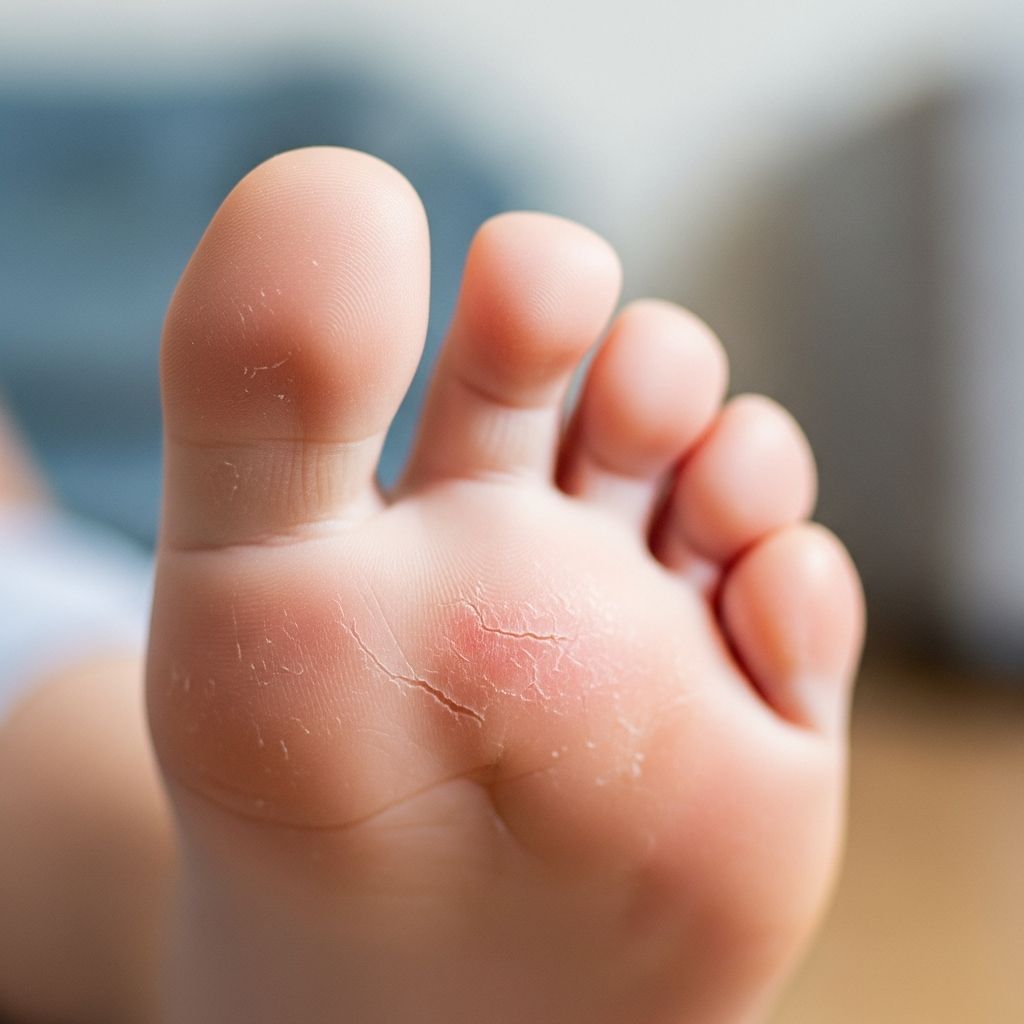
What Parents Should Know About Fungal Foot Infections
Athlete’s foot, medically known as tinea pedis, is a widespread fungal infection that commonly affects children and adolescents. This condition results from dermatophyte fungi invading the skin of the feet, creating uncomfortable symptoms that can interfere with a child’s daily activities and quality of life. While the name suggests this infection primarily affects athletes, children of all activity levels can develop this condition. Understanding the fundamentals of this fungal infection empowers parents to recognize early warning signs, seek appropriate treatment, and implement effective prevention strategies.
The Fungal Organisms Behind the Infection
Several species of dermatophyte fungi are responsible for causing athlete’s foot in children. These microscopic organisms thrive in warm, damp environments and are highly contagious, spreading easily through direct contact with contaminated surfaces or infected individuals. The fungi that most commonly cause this infection include Trichophyton rubrum and Trichophyton mentagrophytes, among others. Once these organisms establish themselves on the skin, they multiply rapidly, especially in conditions that provide warmth, moisture, and limited air circulation.
How Children Contract This Fungal Infection
Children can acquire athlete’s foot through multiple transmission routes. The most common pathway involves direct contact with the fungus while walking barefoot in warm, humid public spaces where fungi flourish. These high-risk environments include locker rooms, communal shower areas, swimming pools, and gym facilities where many people walk barefoot. The fungus can also live on floors, bedding, towels, and shoes, making transmission through contaminated objects a significant concern.
Direct skin-to-skin contact with an infected person represents another transmission method, though less common than environmental exposure. Children may also contract the infection by sharing personal items like towels, socks, or shoes with someone who has the condition. The highly contagious nature of this fungal infection means that parents should take preventive measures seriously, particularly if other family members have been diagnosed.
Identifying Risk Factors in Your Child
Certain conditions and circumstances make children more susceptible to developing athlete’s foot. Understanding these risk factors helps parents recognize which children may need extra vigilance:
- Prolonged exposure to warm, humid environments, particularly in locker rooms and swimming facilities
- Wearing tight-fitting, non-breathable footwear that traps moisture and heat
- Excessively sweaty feet, whether due to activity level or individual predisposition
- Keeping feet in damp conditions for extended periods, such as wet socks or shoes
- Weakened immune system function due to illness or certain medical conditions
- Diabetes or other metabolic conditions that affect skin health
- Previous skin injuries or breaks in the skin barrier
- Family history of fungal infections
- Poor foot hygiene practices
Children who participate in sports or spend significant time in athletic facilities face elevated risk due to frequent exposure to warm, moist environments where fungi thrive. However, sedentary children can equally develop this condition through casual exposure in public spaces.
Recognizing the Characteristic Symptoms
Early identification of athlete’s foot allows parents to initiate treatment promptly, reducing discomfort and preventing the infection from spreading to other body areas or other people. The symptoms can vary depending on the infection’s type and severity, but common presentations include:
- Scaly, peeling, or cracked skin, typically appearing first between the toes
- Intense itching, especially after removing shoes and socks when air exposure increases fungal activity
- Burning or stinging sensations on the feet
- Skin inflammation that may appear red, purple, or gray depending on the child’s skin tone
- Blisters that may rupture and cause open sores
- Dry, scaly patches on the bottom and sides of the feet
- A pale, wrinkled appearance from prolonged moisture exposure
- Unpleasant odor emanating from the affected feet
The itching and burning sensations can become particularly bothersome during nighttime hours, potentially disrupting sleep and affecting your child’s mood and school performance. Some children may unconsciously scratch affected areas, risking secondary bacterial infections or spreading the fungus to other body parts.
Treatment Approaches for Fungal Foot Infections
Most cases of childhood athlete’s foot respond well to over-the-counter antifungal medications when treatment begins promptly. These readily available treatments come in multiple formulations, including creams, ointments, sprays, and powders, allowing parents to select the option that works best for their child.
Over-the-Counter Antifungal Medications
Common active ingredients found in non-prescription antifungal products include terbinafine, clotrimazole, miconazole, and tolnaftate. When applying these medications, parents should ensure the child’s feet are clean and completely dry first, as moisture can interfere with effectiveness. Apply the medication directly to affected areas as directed on the package, typically once or twice daily.
Consistency proves essential for successful treatment. Parents should continue applying the antifungal medication for a few weeks even after visible symptoms disappear, as residual fungi may still be present on the skin. Premature discontinuation of treatment frequently leads to recurrence, making the infection harder to treat subsequently.
When Prescription Medications Become Necessary
If over-the-counter treatments fail to clear the infection within two to four weeks, or if the infection is particularly severe, a pediatrician may prescribe stronger topical antifungal medications. In cases where the fungal infection co-occurs with a secondary bacterial infection, or when the infection proves especially resistant, oral antifungal medications may be required.
Treatment duration varies, but most cases of athlete’s foot resolve within one to eight weeks with appropriate therapy and consistent care. It is crucial that parents follow their healthcare provider’s instructions completely, as incomplete treatment represents a primary reason for infection recurrence.
Important Medication Precautions
Parents should avoid over-the-counter creams containing steroids or corticosteroids, as these can actually worsen athlete’s foot by suppressing the immune response needed to fight the fungal infection. Always check product labels carefully and consult with a pharmacist if uncertain about ingredient safety for children.
Supporting Recovery Through Home Care
While antifungal medications form the cornerstone of treatment, proper foot hygiene and environmental management significantly enhance recovery outcomes. Daily foot washing with warm, soapy water followed by thorough drying—especially between the toes—removes fungal spores and maintains a less hospitable environment for these organisms.
Allow your child’s feet to breathe whenever possible by having them wear sandals or open-toe shoes during recovery. Keeping feet dry throughout the day is paramount; change socks immediately if they become damp or sweaty. Ensure your child doesn’t walk barefoot on common household surfaces during treatment, and wash all bedding, towels, and socks in hot water to eliminate fungal spores.
Prevention Strategies for Long-Term Protection
Once your child recovers from athlete’s foot, implementing prevention measures reduces the likelihood of reinfection. These strategies create an environment where fungi cannot thrive:
- Encourage your child to wear protective footwear in communal areas like locker rooms, public showers, and swimming pool decks
- Ensure socks and shoes provide adequate ventilation and allow air circulation
- Change socks and shoes promptly if they become wet or damp
- Keep toenails trimmed short to prevent fungal trapping
- Avoid sharing personal items such as towels, socks, shoes, or nail clippers
- Teach your child not to scratch or pick at feet, which creates entry points for fungi
- Maintain consistent foot hygiene habits with daily washing and drying
- Use antifungal powder in shoes if your child’s feet tend to sweat excessively
- Rotate shoes to allow complete drying between uses
Potential Complications if Left Untreated
While athlete’s foot is generally considered a benign condition, neglecting proper treatment can lead to serious complications. The fungal infection may spread to toenails, causing fungal nail infections characterized by discolored, crumbly, or thickened nails. In some cases, untreated infections can progress to involve deeper skin layers, potentially causing cellulitis, lymphangitis, or even bone infections in severely compromised situations.
Secondary bacterial infections can develop if your child scratches affected areas, introducing bacteria into open sores. These secondary infections often require antibiotic treatment and can complicate recovery. Additionally, the persistent itching and discomfort can significantly affect your child’s quality of life, school attendance, and participation in sports and recreational activities.
Frequently Asked Questions About Childhood Athlete’s Foot
How can I tell if my child has athlete’s foot rather than another skin condition?
Athlete’s foot typically causes intense itching between the toes with scaling or peeling skin, often appearing after removing socks. However, other conditions like eczema or contact dermatitis can produce similar symptoms. A healthcare provider can confirm the diagnosis through examination or fungal culture testing to distinguish athlete’s foot from other skin conditions.
Is athlete’s foot contagious between family members?
Yes, athlete’s foot is highly contagious. An infected child can spread the fungus to siblings or parents through shared towels, bedding, or floors. Use separate towels for the infected child, wash items in hot water, and encourage all family members to maintain good foot hygiene and avoid walking barefoot on contaminated surfaces.
How long does treatment typically take?
Most cases resolve within one to eight weeks with consistent treatment using antifungal medications. However, completion of the full treatment course is essential even after symptoms disappear, as incomplete treatment leads to recurrence and may make future infections harder to treat.
Can children develop athlete’s foot from sports activities?
Yes, children in sports face increased risk due to frequent exposure to warm, moist locker rooms and shower facilities where fungi thrive. Encouraging children to wear shower shoes, change into dry socks and shoes promptly after practice, and maintain good foot hygiene reduces infection risk.
What should I do if my child’s athlete’s foot doesn’t improve with over-the-counter treatment?
If symptoms persist beyond two to four weeks of consistent over-the-counter treatment, consult your pediatrician. A healthcare provider can prescribe stronger topical medications or oral antifungals if needed, and can rule out secondary infections or other complicating factors.
References
- Tinea pedis: Causes, symptoms and treatment — Walgreens Blog. Accessed January 17, 2026. https://blog.walgreens.com/health/skin-health-conditions/tinea-pedis-causes-symptoms-and-treatment.html
- Athlete’s Foot | Symptoms, Causes & Treatment — DermAthens. Accessed January 17, 2026. https://www.dermathens.com/conditions/athletes-foot
- What Causes Athlete’s Foot and How to Get Rid of It Fast — St. Cloud Foot & Ankle Center. Accessed January 17, 2026. https://www.stcloudfootankle.com/library/athletes-foot-overview.cfm
- Tinea Pedis — StatPearls, National Center for Biotechnology Information (NCBI). Accessed January 17, 2026. https://www.ncbi.nlm.nih.gov/books/NBK470421/
- Athlete’s foot – Symptoms and causes — Mayo Clinic. Accessed January 17, 2026. https://www.mayoclinic.org/diseases-conditions/athletes-foot/symptoms-causes/syc-20353841
- What Is Athlete’s Foot & How Do You Treat It? — Cleveland Clinic. Accessed January 17, 2026. https://my.clevelandclinic.org/health/diseases/22139-athletes-foot-tinea-pedis
- Athlete’s foot symptoms & treatment — Aurora Health Care. Accessed January 17, 2026. https://www.aurorahealthcare.org/services/dermatology/athletes-foot