The name Ashley evokes images of serene meadows dotted with sturdy ash trees, blending natural beauty with a sense of enduring strength. Derived from Old English elements, it has journeyed from a humble surname to a beloved given name embraced by generations. This article delves into its linguistic roots, historical evolution, popularity surges, creative variations, and the personality traits often linked to it, offering parents a comprehensive guide to this versatile choice.
Deep Roots in Old English Language
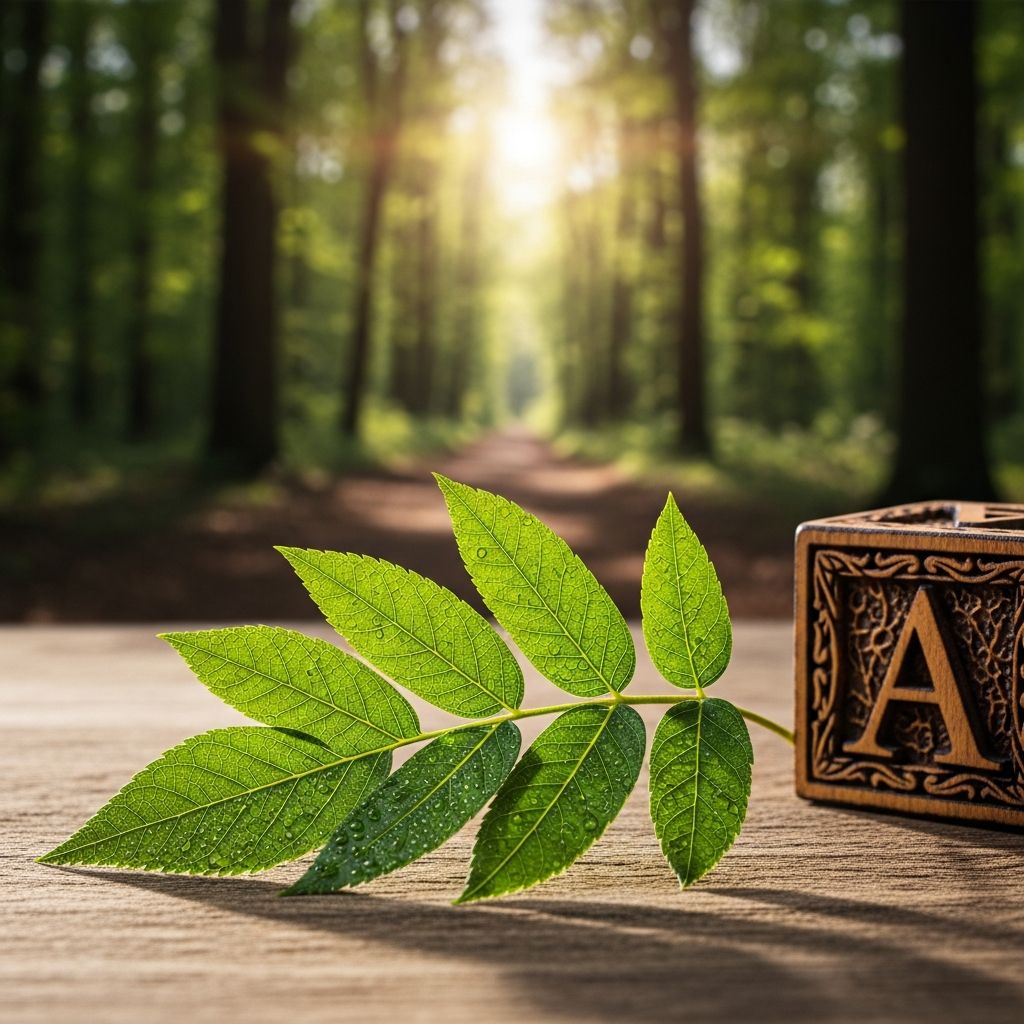
Ashley’s foundation lies in ancient Anglo-Saxon vocabulary, specifically the words æsc and leah. The term æsc refers to the ash tree, a resilient species known for its tough, elastic wood prized in early tools and weapons. Ash trees symbolized reliability and growth in folklore, their branches often used for spear shafts in Old English poetry.
The second element, leah, denotes an open clearing, meadow, or untilled grassy area. Combined, æsc-leah paints a picture of a ‘clearing among ash trees’ or ‘ash tree meadow,’ suggesting a peaceful, nature-bound habitat. This topographic name originally identified families living near such landscapes in medieval England.
Proto-Germanic origins trace æsc to *askaz, linked to Indo-European *os-, influencing words for ash trees across languages like Old Norse askr and Lithuanian uosis. Meanwhile, leah stems from *lauhaz, connected to PIE *louko- meaning ‘light place,’ evoking brightness and openness.
From Surname to Given Name: A Historical Shift
Documented as a surname since the 12th century, Ashley (or Ashleigh) denoted geographic proximity to ash groves. By the 16th century, it transitioned into a masculine given name in England, reflecting a trend of surname-to-forename adoption. In the UK, it retained a primarily male association for centuries.
The 20th century brought dramatic change, especially in the United States. Nearly absent as a girl’s name before 1965, Ashley exploded in popularity post-1980, becoming one of the top female names. This gender flip highlights evolving naming norms, where nature-inspired surnames gained feminine appeal amid cultural shifts toward unisex options.
Literary influences amplified its rise. Characters like Ashley Wilkes in Margaret Mitchell’s 1936 novel Gone with the Wind added romantic, Southern charm, subtly boosting visibility before its peak.
Popularity Peaks and Current Trends
U.S. Social Security Administration data reveals Ashley’s meteoric ascent. From outside the top 1,000 in the 1960s, it climbed to #1 for girls in 1991 and held top-10 status through the 1990s. Over 500,000 girls received the name during its heyday, peaking at 25,000+ annually.
| Decade | Peak Rank (Girls) | Approximate Babies Named |
|---|---|---|
| 1970s | Top 100 | ~100,000 |
| 1980s | #1-5 | ~250,000 |
| 1990s | #1 | ~300,000 |
| 2000s | Top 50 | Declining |
| 2020s | #297 | Stable but lower |
Today, Ashley ranks #297 for girls in the U.S., a decline reflecting cyclical trends away from 80s/90s favorites. It remains gender-neutral, though far more common for females (99%+ usage). In the UK, male usage persists modestly.
Globally, English-speaking regions like Canada, Australia, and New Zealand mirror U.S. patterns, with peaks in the late 20th century. Its familiarity ensures cross-cultural recognition without exoticism.
Variations and Global Adaptations
- Ashlee: Playful spelling emphasizing the ‘ee’ ending, popular in the 1990s.
- Ashleigh: Traditional surname form, evoking vintage elegance.
- Ashli/Ashly: Streamlined versions for modern simplicity.
- Aisling: Irish variant meaning ‘dream’ or ‘vision,’ phonetically similar.
- Aislinn: Gaelic twist, adding mystical flair.
These spellings allow personalization while preserving core imagery. Nicknames like Ash, Lee, Ley, or Ashy offer affectionate shortcuts, suiting everyone from tomboys to professionals.
Personality Traits and Numerological Insights
Bearing the name Ashley often correlates with vibrant, driven individuals. Common descriptors include independence, ambition, loyalty, and creativity. Ashleys are seen as intuitive leaders who balance compassion with determination, excelling in detail-oriented pursuits.
Numerology assigns Ashley a life path emphasizing growth and adaptability, with soul urge numbers highlighting harmony and fresh starts. The ash tree symbolism reinforces resilience—flexible yet strong amid challenges.
“People named Ashley tend to be passionate, creative, and intuitive, often succeeding through an eye for detail and unwavering loyalty.”
In personality profiles, Ashleys embody freedom, adventure, and change, inspiring others to pursue passions wholeheartedly.
Why Choose Ashley for Your Baby?
Ashley’s blend of nature connection and timeless sound makes it ideal for parents seeking familiarity without trendiness. Its gender neutrality suits non-binary or flexible identities, while meadow imagery promotes eco-awareness. Easy pronunciation across languages ensures global portability.
Pair it with siblings like Riley, Jordan, or nature names (Brooke, Willow) for cohesion. Middle names like Grace, James, or Rose enhance flow: Ashley Grace, Ashley James.
Notable Figures Named Ashley
- Ashley Judd: Acclaimed actress and activist, embodying strength and advocacy.
- Ashley Olsen: Fashion mogul and designer, showcasing entrepreneurial spirit.
- Ashley Graham: Model and body positivity icon, promoting inclusivity.
- Ashley Young: English footballer, highlighting athletic prowess (male example).
These icons demonstrate Ashley’s versatility across entertainment, sports, and business.
Frequently Asked Questions
What does the name Ashley mean?
Ashley means ‘ash tree meadow’ or ‘clearing among ash trees,’ from Old English æsc (ash tree) and leah (meadow).
Is Ashley a boy or girl name?
Originally masculine in the UK, it’s now predominantly feminine in the U.S. but remains gender-neutral overall.
How popular is Ashley today?
It peaked at #1 for U.S. girls in 1991 but sits at #297 now, still widely recognized.
What are cute nicknames for Ashley?
Popular ones include Ash, Ley, Ashy, or Lee.
Are there international versions of Ashley?
Yes, like Irish Aisling (dream vision) or Gaelic Aislinn.
Final Thoughts on Ashley’s Enduring Legacy
Ashley’s story—from ancient meadows to modern nurseries—captures naming’s fluidity. Its natural roots, adaptability, and cultural resonance ensure it thrives beyond peaks, a name as steadfast as the ash tree itself.
References
- Ashley – Etymology, Origin & Meaning of the Name — Etymonline. Accessed 2026. https://www.etymonline.com/word/Ashley
- Origins, Meanings, Nicknames and Best Combinations – Ashley — PatPat. Accessed 2026. https://www.patpat.com/blogs/baby-names/ashley
- Ashley Baby Name Meaning, Origin, Popularity Insights — Momcozy. Accessed 2026. https://momcozy.com/blogs/baby-names/ashley
- Meaning of the name Ashley. Origin, life path & personality — YouTube (Transcript). Accessed 2026. https://www.youtube.com/watch?v=y3oUDTux28o
- Ashley – Baby Name Meaning, Origin and Popularity — The Bump. Accessed 2026. https://www.thebump.com/b/ashley-baby-name