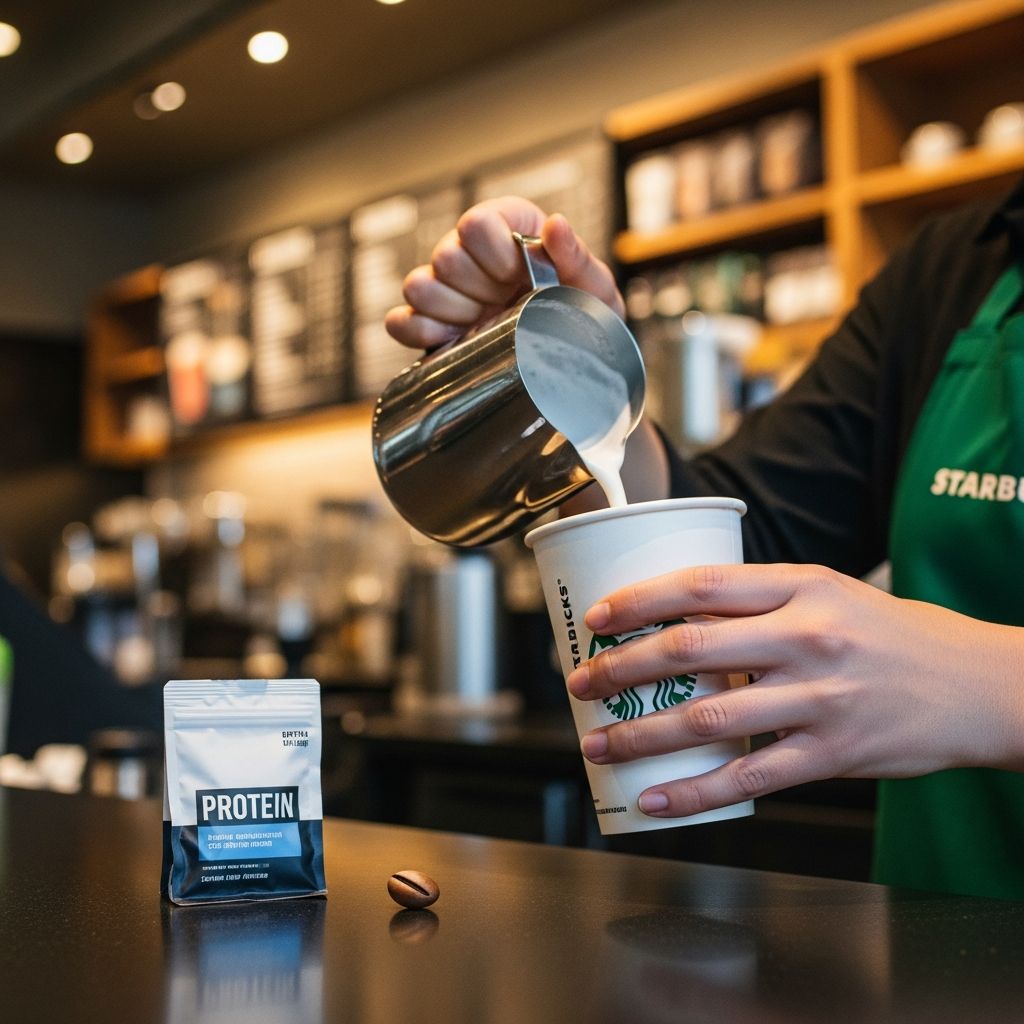
Starbucks has introduced a lineup of high-protein beverages aimed at fitness enthusiasts seeking convenient nutrition boosts. These drinks, featuring whey protein enhancements in lattes and cold foams, deliver 19 to 36 grams of protein per serving. For parents, the question arises: do these qualify as healthy options for teenagers, whose bodies are undergoing rapid growth and development?
Understanding the Protein Boost in Starbucks Drinks
At the core of these beverages is Starbucks’ Protein-boosted Milk, created by blending 2% milk with whey protein powder. This addition increases protein content significantly—lattes reach 27-36 grams in grande sizes, while cold foam toppings contribute 15-18 grams. Whey protein, derived from milk, is a complete protein containing all essential amino acids, making it effective for muscle repair and growth.
Teens involved in sports or active lifestyles may benefit from such boosts, as protein supports tissue repair and hormone production during puberty. However, convenience drinks like these often come with trade-offs in overall nutrition.
Nutritional Breakdown: Hits and Misses
While protein levels impress, other components warrant scrutiny. Grande sizes of popular options reveal high calorie, sugar, and fat profiles, potentially clashing with teen dietary guidelines.
| Drink | Protein (g) | Calories | Added Sugar (g) | Sat Fat (g) |
|---|---|---|---|---|
| Iced Vanilla Protein Latte | 29 | 270 | 19 | 2.5 |
| Protein Matcha (Iced) | 36 | 300 | 15 | 3 |
| Chocolate Cream Protein Cold Brew | 19 | 330 | 24 | 10 |
| Iced Banana Cream Protein Matcha | 24 | 430 | 21 | 13 |
| Iced Vanilla Cream Protein Latte | 26 | 390 | 10 | 13 |
Data compiled from official nutrition info shows added sugars hitting 10-24 grams (2.5-5.5 teaspoons), often 20-50% of the adult daily maximum of 50 grams. Saturated fat in cream-based foams rivals that in dessert-like Frappuccinos.
Teen Protein Requirements: Do These Drinks Fit?
Adolescents aged 14-18 need 46-52 grams of protein daily for girls and 52-59 grams for boys, per U.S. Dietary Guidelines. Active teens might require up to 1.6 grams per kg of body weight. A single grande protein latte could supply over half a teen’s daily needs, which sounds advantageous but risks nutritional imbalance if it displaces whole foods.
- Protein from whole sources like eggs, yogurt, or lean meats provides micronutrients absent in isolates.
- Excessive reliance on supplements may overlook fiber, vitamins, and antioxidants crucial for teen immunity and bone health.
Sugar and Fat Concerns for Growing Bodies
Added sugars in syrups and foams contribute empty calories, linked to obesity, type 2 diabetes, and dental issues in youth. Teens already consume excess sugars from sodas and snacks; these drinks exacerbate that. Cream-heavy cold foams push saturated fat to 50-65% of daily limits, straining cholesterol levels in developing hearts.
Sugar-free variants using sucralose cut calories to 200-250 while retaining protein, but artificial sweeteners’ long-term effects on gut health and metabolism remain under study.
Expert Perspectives on Protein Drinks for Youth
Registered dietitians caution against routine consumption for teens. Whole foods should anchor diets, with beverages as occasional treats. For athletes, these might serve as post-workout recovery if sugars are minimized, but daily intake could lead to overconsumption of fats and additives.
High-protein drinks offer convenience but often at the cost of balanced nutrition. Teens benefit more from meals combining proteins, veggies, and grains.
Pediatric guidelines emphasize variety over isolated macros. Protein shakes suit specific needs, like post-training, but not meal replacements.
Smarter Ways to Add Protein to Teen Diets
Parents can elevate nutrition without specialty drinks:
- Upgrade everyday lattes: Request Protein-boosted Milk in standard orders for 12-16g extra protein at lower sugar cost.
- High-protein milks: Ultra-filtered options like Fairlife deliver 13g per cup versus 8g in regular, with fewer natural sugars.
- DIY blends: Mix whey powder into smoothies with fruits, spinach, and oats for customizable, nutrient-dense drinks.
- Snack pairings: Combine a low-sugar latte with nuts or cheese for sustained energy.
| Option | Protein (g) | Calories | Added Sugar (g) |
|---|---|---|---|
| Grande Caffè Latte w/ Protein Milk | 33 | 220 | 0 |
| Fairlife Milk (1 cup) | 13 | 80 | Low natural |
| Greek Yogurt Parfait | 20 | 250 | 10 |
Moderation Strategies for Starbucks Fans
To incorporate safely:
- Opt for sugar-free syrups and non-cream foams.
- Limit to grande or smaller; pair with water.
- Choose hot lattes over iced cold brews for lower fat.
- Track intake via the Starbucks app for full nutrition transparency.
These steps align treats with health goals, preventing sugar spikes common in teen routines.
Potential Benefits for Active Teens
Not all news is cautionary. For teens in sports, 20-30g post-exercise aids recovery without heavy meals. Whey absorbs quickly, supporting glycogen replenishment alongside carbs from milk. In moderation, they fit busy schedules better than vending machine fare.
Frequently Asked Questions
Are Starbucks protein lattes suitable as meal replacements for teens?
No, they lack fiber and micronutrients found in balanced meals. Use as snacks only.
How much protein do teenagers really need daily?
46-59 grams baseline; more for athletes (up to 1.6g/kg body weight).
What’s the healthiest protein latte option?
Sugar-free iced Vanilla Protein Latte: 29g protein, 200 calories, minimal sugar.
Can these drinks help with teen weight management?
Potentially for satiety, but high calories in foam versions hinder losses. Choose wisely.
Are artificial sweeteners in sugar-free versions safe for kids?
FDA-approved in moderation, but whole food sugars preferred for developing bodies.
Final Thoughts for Parents
Starbucks protein lattes offer innovative protein delivery but demand mindful consumption for teens. Prioritize whole foods, use these as enhancements, and consult pediatricians for personalized advice. Balanced habits build lasting health foundations.
References
- Which Starbucks protein drinks have the most—or least—sugar? — Center for Science in the Public Interest. 2024. https://www.cspi.org/article/which-starbucks-protein-drinks-have-most-or-least-sugar
- Protein Lattes and Protein Cold Foam — Starbucks Coffee Company. 2024. https://protein.starbucks.com
- Starbucks’ New Protein Drinks Reviewed: Health Benefits, Nutrition — Noom. 2024. https://www.noom.com/blog/nutrition/starbucks-new-protein-drinks-health-benefits/
- Vanilla Protein Latte: Nutrition — Starbucks Coffee Company. 2024. https://www.starbucks.com/menu/product/28499/hot/nutrition
- Iced Vanilla Protein Latte: Nutrition — Starbucks Coffee Company. 2024. https://www.starbucks.com/menu/product/28498/iced/nutrition