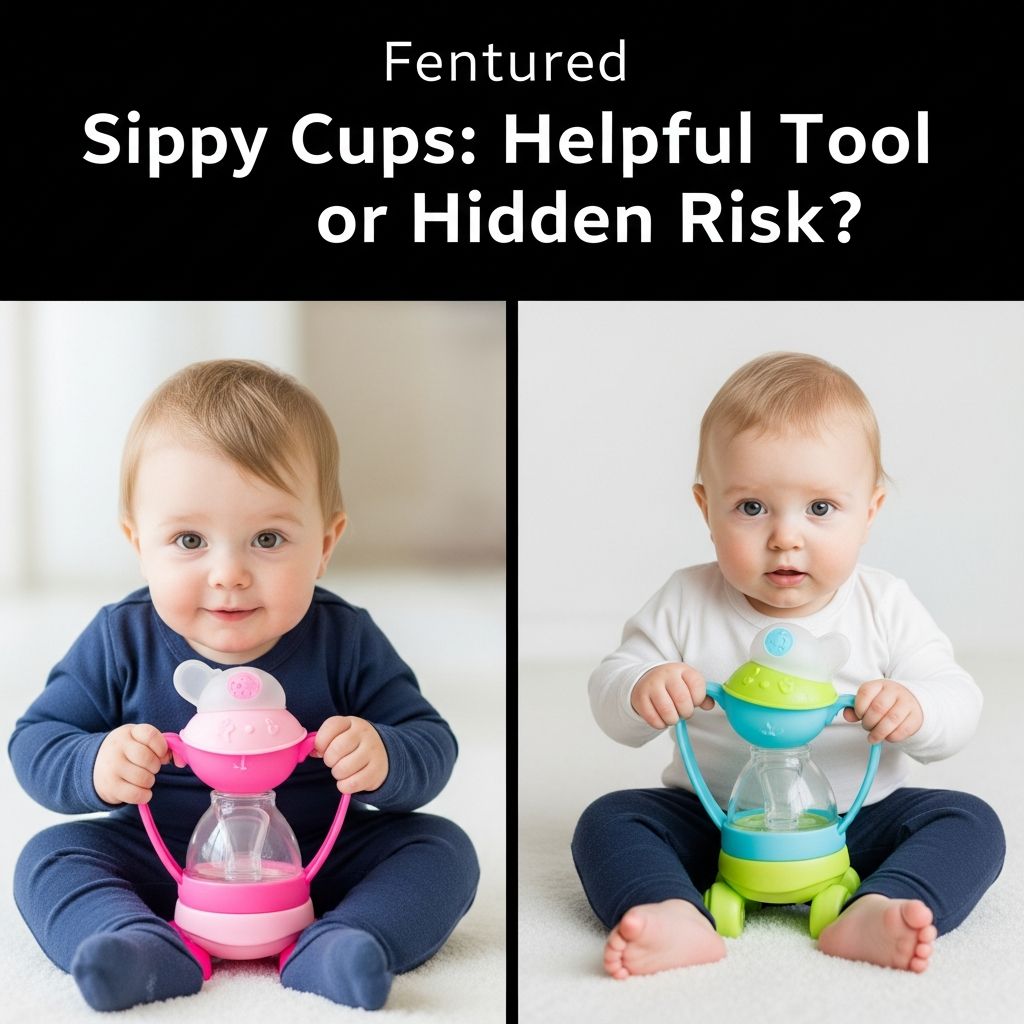
Sippy cups provide a practical bridge for toddlers moving from bottles to regular cups, minimizing spills during this messy phase. However, emerging evidence from dental professionals and safety agencies reveals potential downsides when used excessively or improperly, including risks to oral health, jaw development, speech, and even physical safety.
Understanding the Appeal and Mechanics of Sippy Cups
Designed with a spill-proof valve and spout, sippy cups allow children aged 12-24 months to practice self-feeding without constant parental intervention. The hard plastic spout mimics a bottle nipple, encouraging familiarity while promoting hand-eye coordination. Parents appreciate their convenience for outings, travel, and daily routines, as they reduce laundry loads from inevitable spills.
Yet, this very design—prolonged liquid contact via slow sipping and pooling—sets the stage for health concerns. Unlike open cups where drinks are gulped and swallowed quickly, sippy cups enable constant exposure to contents, amplifying risks if filled with anything beyond water.
Primary Dental Health Threats from Prolonged Sippy Cup Use
The most documented issue is early childhood caries, commonly known as baby bottle tooth decay, which affects nearly 40% of children aged 2-5 according to pediatric dentistry guidelines. Sugary liquids like juice, milk (containing lactose), or formula linger on teeth, feeding oral bacteria that produce enamel-eroding acids.
- Cavity Formation: Continuous sipping bathes teeth in sugars for hours, far longer than mealtime drinking. Nighttime use exacerbates this, as reduced saliva flow fails to neutralize acids during sleep.
- Gum Irritation: Bacterial overgrowth from unclean valves can inflame gums, raising gingivitis risks in toddlers.
- Enamel Erosion: Acidic drinks like fruit juices compound decay, weakening primary teeth critical for speech and nutrition.
Cleaning challenges worsen these issues. Intricate spouts and valves trap milk residue and bacteria if not disassembled daily, fostering mold and infections.
Impacts on Jaw, Teeth Alignment, and Facial Growth
Beyond decay, habitual spout sucking exerts unnatural pressure on developing jaws. Pediatric dentists note that extended reliance—past age 2—can lead to open bites, overjets, or misaligned teeth requiring future orthodontics.
| Risk Factor | Consequence | Timeline of Concern |
|---|---|---|
| Hard Spout Pressure | Misaligned bite or overbite | After 18-24 months |
| Prolonged Sucking | Delayed jaw expansion | Beyond age 2 |
| Poor Tongue Positioning | Speech articulation issues | 12-36 months |
These changes alter facial structure subtly over time, as the mouth adapts to the spout rather than natural cup drinking, which promotes proper tongue and lip muscle use.
Speech and Developmental Hurdles Linked to Sippy Cups
Sippy cups can hinder oral motor skills essential for speech. The spout discourages the lip sealing and tongue elevation needed for sounds like ‘p’, ‘b’, and ‘t’. Studies link prolonged use to delays in articulation and vocabulary growth, as children miss practice with open-cup dynamics.
Additionally, constant sipping may displace hunger cues, leading to reduced solid food intake. Toddlers sipping milk or juice all day might skip meals, impacting nutrition and establishing picky eating patterns.
Safety Concerns: Choking, Injuries, and Material Hazards
Physical dangers include chewing through weak spouts, as seen in a 2007 U.S. Consumer Product Safety Commission recall of 84,000 Playskool sippy cups. Thirty-six incidents involved toddlers biting off pieces, causing one choke and three near-chokes.
- Running with a cup in mouth heightens fall-related dental trauma.
- Valve failures during active play pose aspiration risks.
- Older models contained BPA, a chemical disruptor banned in sippy cups since 2012 due to hormonal concerns.
Modern BPA-free plastics remain durable but demand vigilant inspection for cracks or wear.
Expert Guidelines: Optimal Age and Usage Limits
The American Academy of Pediatrics and pediatric dentistry associations recommend sippy cups as short-term tools only. Wean from bottles by 12 months and phase out sippy cups by 24 months, transitioning to open, straw, or soft-top cups.
Best Practices:
- Fill exclusively with water between meals; reserve milk/juice for sit-down times.
- Limit to mealtimes, avoiding constant carry-alongs.
- Disassemble and wash thoroughly daily; replace every 3-6 months.
- Introduce open cups early with supervision to build skills.
Healthier Alternatives to Traditional Sippy Cups
Opt for transitional designs minimizing risks:
| Type | Benefits | Best For |
|---|---|---|
| Straw Cups | Encourages natural sucking; less pooling | 12-18 months |
| Soft Spout Cups | Gentler on teeth; easier transition | 18-24 months |
| Open Cups with Lids | Promotes mature drinking; spill-minimal | 24+ months |
| Platex or Silicone Beakers | Weighted bases; no valves | Early practice |
These foster independence without the valve’s drawbacks, supporting dental and speech health.
Common Parental Myths and Misconceptions Debunked
- Myth: Sippy cups are always safer than bottles. Reality: Both pose similar decay risks if overused.
- Myth: Water-only makes them harmless. Reality: Spout pressure still affects alignment.
- Myth: No cavities yet means it’s fine. Reality: Damage accumulates silently.
Frequently Asked Questions (FAQs)
What age should my child stop using a sippy cup?
By 24 months, transition to open or straw cups to avoid dental and speech issues.
Can I use sippy cups at night?
No—only water in open cups if needed; sugary liquids cause severe decay.
Are all sippy cups equally risky?
Valve-heavy hard-spout models pose highest risks; choose straw or soft options.
How do I clean sippy cups properly?
Disassemble all parts, soak in hot soapy water, brush valves, air-dry fully.
Will sippy cups delay my child’s talking?
Prolonged use can, by limiting oral muscle practice.
Empowering Parents: Steps for a Smooth Transition
Start with fun: Use colorful open cups during play, offer choices, praise efforts. Consistency pays off—expect spills but model patience. Consult pediatric dentists for personalized advice, especially if decay signs appear. By prioritizing limited, mindful use, sippy cups become a brief ally, not a long-term liability, paving the way for healthy habits.
References
- CVS/pharmacy Announces Recall of Playskool Sippy Cups — U.S. Consumer Product Safety Commission. 2007-05-10. https://www.cpsc.gov/Recalls/2007/cvspharmacy-announces-recall-of-playskool-sippy-cups-poses-choking-hazard-to-young
- Are Sippy Cups Bad for Kids? Essential Insights for Parents — Alabaster Smiles Pediatric Dentistry. Accessed 2026. https://alabastersmiles.com/are-sippy-cups-bad-for-kids-essential-insights-for-parents/
- The Oral Health Side Effects of Sippy Cups and Bottles — Great Grins DDS. Accessed 2026. https://greatgrinsdds.com/the-oral-health-side-effects-of-sippy-cups-and-bottles/
- The Hidden Dangers of Bottles and Sippy Cups in the Crib — The Pediatric Dental Team. Accessed 2026. https://www.thepediatricdentalteam.com/blog/the-hidden-dangers-of-bottles-and-sippy-cups-in-the-crib/
- Are Sippy Cups Bad for Your Child’s Teeth? — Leap Kids Dental. Accessed 2026. https://leapkidsdental.com/are-sippy-cups-bad-for-your-childs-teeth/
- The Truth About Sippy Cups and Dental Health — ABC Children’s Dentist. Accessed 2026. https://www.abcchildrensdentist.com/blog/sippy-cups-and-dental-health/
- The Hidden Risks in Every Sippy Cup — SUNY Downstate Health Sciences University. 2025-01-28. https://www.downstate.edu/about/office-of-the-president/presidents-bulletin/2025/01-28/sippy-cup-risks.html