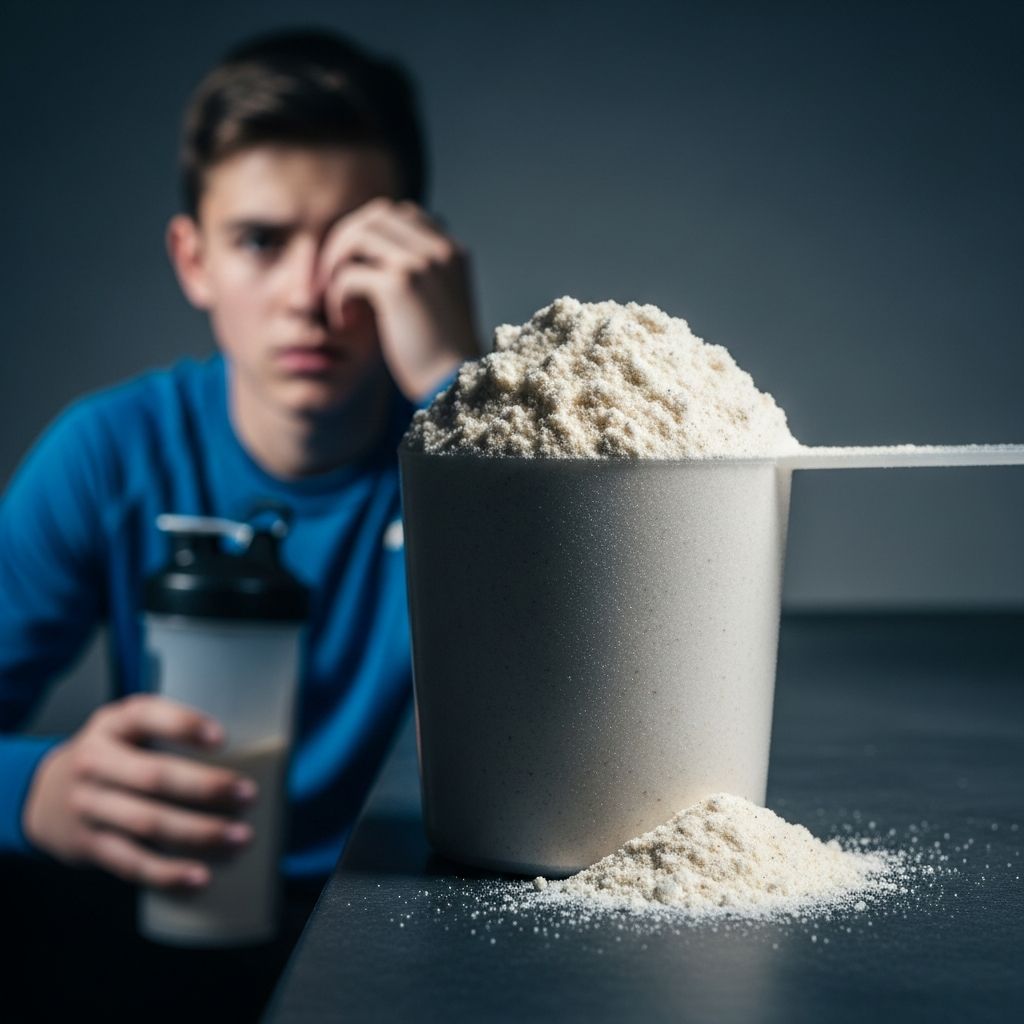
Teenagers, especially those involved in sports or fitness, often turn to protein powders for muscle building and recovery. However, these supplements carry significant risks due to poor regulation, potential toxins, and unnecessary excess for developing bodies. Health experts emphasize obtaining protein from whole foods instead.
Why Teens Are Drawn to Protein Supplements
The fitness industry heavily markets protein powders as essential for athletic performance and body composition. Social media influencers and coaches promote them for quick muscle gains, leading many adolescents to believe more protein equals better results. A national poll revealed that parents often share this misconception, with over half viewing high-protein diets as ideal for teens.
Active teens, particularly in strength training or team sports, require slightly more protein than sedentary peers—typically 1.2 to 2.0 grams per kilogram of body weight daily, depending on activity level. Yet, most meet this through diet alone, without supplements.
Regulatory Gaps in the Supplement Industry
Unlike medications, protein powders fall under the Dietary Supplement Health and Education Act, meaning the FDA does not pre-approve them for safety or efficacy. Manufacturers self-regulate labeling and quality, creating opportunities for misleading claims and substandard products.
This lack of oversight results in variability; some powders deliver promised protein, while others fall short or include unlisted ingredients. Parents must scrutinize labels for hidden sugars, stimulants, and artificial additives unsuitable for youth.
Contaminants Lurking in Protein Powders
Independent testing frequently uncovers heavy metals such as lead, arsenic, cadmium, and mercury in protein supplements. One study found levels exceeding safe limits, with some products containing 25 times the allowable BPA—a chemical linked to hormonal disruption.
These toxins accumulate over time, posing risks to kidney function and neurological development in teens, whose organs are still maturing. Pesticides and other impurities further compound exposure, making long-term use hazardous.
Health Impacts of Excessive Protein Intake
The body cannot store excess protein; unused amounts strain the liver and kidneys through hyperfiltration, leading to dehydration, nausea, diarrhea, and potential organ damage. Teens on high-protein regimens may experience stomach pain, fatigue, and unintended weight gain as surplus protein converts to fat.
High-protein, low-carb approaches popular among adults deprive teens of vital carbohydrates needed for energy, brain function, and growth. Balanced intake supports anabolic processes like muscle repair without overload.
| Symptom | Cause | Long-Term Risk |
|---|---|---|
| Nausea and Diarrhea | Protein Processing Overload | Digestive Disorders |
| Dehydration | Increased Water Use | Kidney Strain |
| Stomach Pain | Excessive Intake | Liver Stress |
| Muscle Loss (if Low Overall Calories) | Imbalanced Diet | Growth Impairment |
Hidden Ingredients That Harm Youth
Many powders pack added sugars—up to 23 grams per serving—spiking blood glucose and promoting unhealthy habits. Caffeine and stimulants, common in bars and shakes, disrupt sleep and heart rhythms in developing adolescents.
Whey protein, a popular type, triggers allergies in milk-sensitive teens, causing rashes, breathing issues, or severe reactions. Even processed versions retain risks for children.
Do Teens Actually Need Protein Supplements?
Research shows extra protein beyond dietary needs yields no additional muscle gains without hormones like testosterone and proper training. Young athletes build strength through food sources like eggs, dairy, nuts, and lean meats.
- Most teens consume adequate protein already; two-thirds of parents report balanced intake per polls.
- Supplements displace nutrient-dense meals, lacking fiber, vitamins, and minerals essential for growth.
- Costly powders offer no edge over affordable whole foods.
Safe Alternatives: Protein from Real Foods
Distribute protein evenly across meals for optimal absorption—20-30 grams per meal supports recovery better than mega-shakes. Examples include:
- Breakfast: Greek yogurt with nuts (20g protein)
- Lunch: Turkey sandwich on whole grain (25g)
- Snack: Apple with peanut butter (10g)
- Dinner: Grilled chicken with quinoa (30g)
Vegetarian options like lentils, beans, and tofu meet needs without supplements. For vegans or underweight teens, consult a dietitian before any addition.
Special Cases Where Supplements Might Help
Rarely, supervised use benefits those with medical conditions, vegans struggling to hit targets, or injury recovery under professional guidance. Never for weight loss or casual bulking, as these practices risk mental health and disordered eating.
Parents modeling balanced diets reduce teen supplement use; those avoiding powders themselves foster healthier habits.
Parental Strategies for Guiding Teens
Educate on labels: Prioritize low-sugar, fiber-rich options if supplements are considered temporarily. Monitor for signs of overuse like digestive woes or obsession with body image.
Encourage team discussions with coaches emphasizing food-first nutrition. Track intake via apps to confirm needs are met naturally.
Frequently Asked Questions
Are protein powders safe for teen athletes?
No, due to contaminants and regulation issues; whole foods suffice for most.
How much protein do active teens need daily?
1.2-2.0g per kg body weight, easily from diet.
Can too much protein hurt kidneys in youth?
Yes, it causes strain and dehydration during development.
What if my teen is vegan and low on protein?
Consult a dietitian for food plans; supplements only if necessary and supervised.
Why do protein bars have so much sugar?
For taste and shelf life, but excess harms teens’ health.
Building Healthy Habits for Long-Term Wellness
Focus on sustainable nutrition over quick fixes. Teens thrive with varied diets supporting growth, energy, and performance. Parents play a key role by promoting evidence-based choices and open conversations about fitness myths.
(Word count: 1678)
References
- The Protein Trend: What Parents and Teens Need to Know — Legacy Community Health. 2023. https://www.legacycommunityhealth.org/newsblog-the-protein-trend-what-parents-and-teens-need-to-know/
- Protein Powders and Teens: Are They Safe? — Children’s Hospital of Orange County. 2023. https://health.choc.org/protein-powders-and-teens-are-they-safe/
- Should teens use protein supplements? — Michigan Medicine. 2023. https://www.michiganmedicine.org/health-lab/should-teens-use-protein-supplements
- Teens and protein — Mott Poll on Children’s Health. 2023. https://mottpoll.org/reports/teens-and-protein
- Protein: Just the facts — Health for Teens (UK NHS). 2023. https://www.healthforteens.co.uk/lifestyle/nutrition-diet/protein-just-the-facts/
- Ask the experts – Is it safe for my teenager to take supplements — The Children’s Dietitian. 2023. https://www.thechildrensdietitian.co.uk/blog/ask-the-experts-is-it-safe-for-my-teenager-to-take-supplements-as-part-of-a-weight-training-programme
- Protein supplementation: the double-edged sword — PMC (PubMed Central). 2023-12-01. https://pmc.ncbi.nlm.nih.gov/articles/PMC10761008/