Portable play yards, commonly known as Pack ‘n Plays, offer versatile solutions for infant rest, especially during travel or in shared spaces. When equipped with proper bassinet inserts or firm mattresses meeting safety standards, they serve as acceptable sleep environments for newborns and young babies. Health authorities like the American Academy of Pediatrics (AAP) explicitly endorse their use alongside cribs and bassinets, provided key safe sleep protocols are followed rigorously.
Understanding Portable Sleep Spaces for Infants
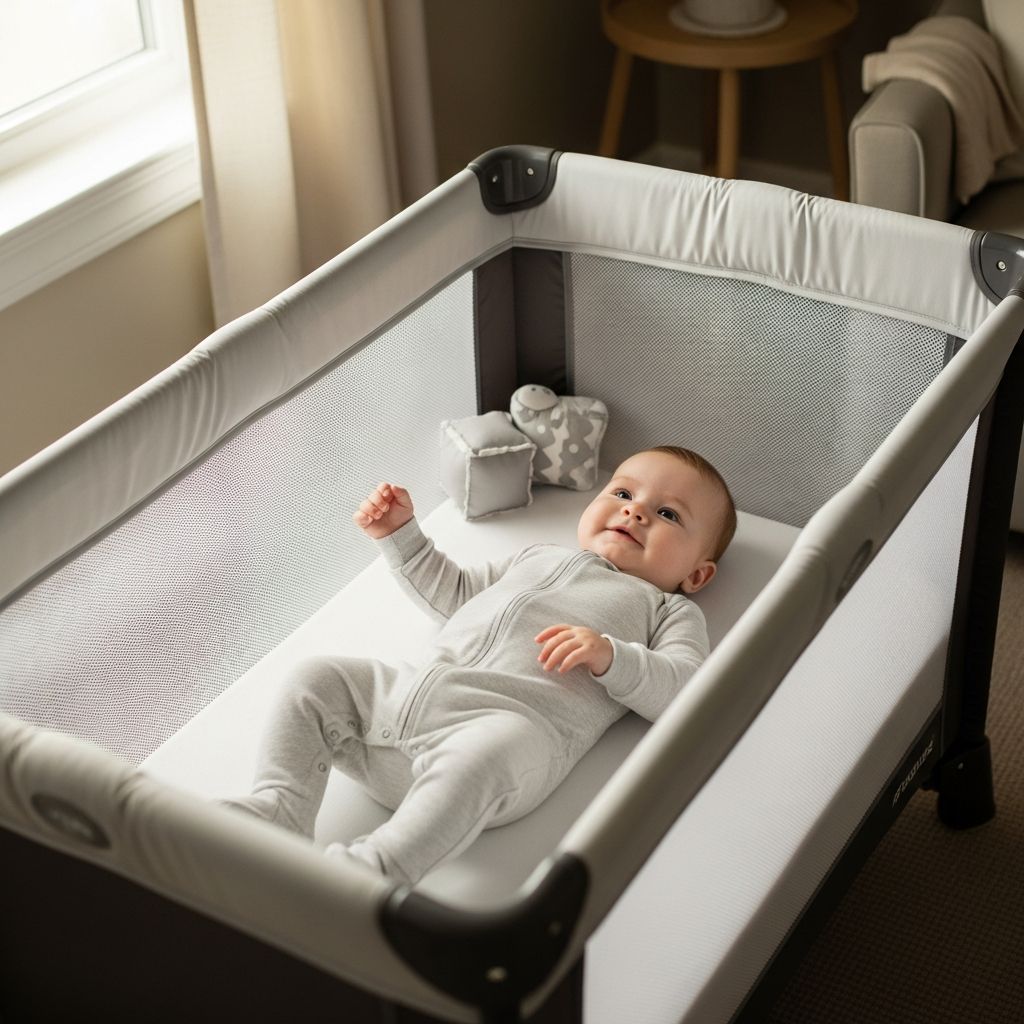
Pack ‘n Plays combine play and sleep functions in a compact, foldable design, making them popular for modern families. Their appeal lies in portability for naps at grandparents’ homes, vacations, or even daily room-sharing. However, safety hinges on selecting models certified by the Consumer Product Safety Commission (CPSC) with firm, flat mattresses covered by fitted sheets only. Soft add-ons or inclines compromise airway protection, elevating suffocation dangers.
Infants under 12 months spend significant time sleeping—up to 16-18 hours daily—so the sleep surface must prioritize spinal alignment and unrestricted breathing. Research links improper setups to Sudden Unexpected Infant Death (SUID), including SIDS, prompting unified guidelines from federal agencies.
Core Principles of Safe Infant Sleep
Safe sleep revolves around the ABCDs: Alone, Back, Crib or Certified Space, and Dodge smoke. These principles drastically cut SIDS risk by over 50% when applied consistently.
- Alone: Babies must sleep solo, free from adults, siblings, pets, pillows, blankets, toys, or bumpers that could obstruct airways.
- Back: Always position infants supine for every sleep, naps included; side or tummy starts heighten rebreathing trapped gases.
- Crib/Certified: Opt for CPSC-approved gear like Pack ‘n Plays with taut, flat surfaces—no swings, loungers, or car seats for routine rest.
- Dodge: Eliminate exposure to tobacco smoke, which irritates airways and triples SUID odds even postnatally.
Why Pack ‘n Plays Qualify as Safe Options
Unlike makeshift surfaces, Pack ‘n Plays feature adjustable height bassinet attachments ideal for newborns up to 18-20 pounds or when they start sitting. The enclosed mesh sides prevent falls while allowing visibility and airflow. AAP confirms portable play yards mimic full cribs when bases remain level and unloaded.
Transition from bassinet mode by removing inserts once baby rolls or pushes up, ensuring the lower play yard level supports up to 30 pounds typically. Daily checks for loose fabric, stable legs, and secure latches prevent collapses.
| Feature | Safe Pack ‘n Play Traits | Red Flags to Avoid |
|---|---|---|
| Mattress | Firm, flat, fits snugly (less than 2 fingers between edge and sheet) | Soft padding, quilts, sheepskin, or gaps wider than 2 inches |
| Incline | Level only; no wedges or props | Any angle >10 degrees risking chin-to-chest slump |
| Accessories | Fitted sheet only; optional pacifier | Bumpers, wedges, monitors claiming SIDS prevention |
| Weight/Age Limit | Follow manufacturer specs (e.g., bassinet to 20 lbs) | Overloading or prolonged use beyond guidelines |
Room-Sharing: The Optimal Setup Strategy
Position the Pack ‘n Play in parents’ bedroom, mere arm’s reach away, for at least six months—ideally a year. This halves SIDS incidence via vigilant monitoring and swift feeds without full bed-sharing hazards. Avoid separate nurseries early on; proximity aids breastfeeding, which further slashes risks.
Mastering Temperature and Dress for Comfort
Maintain 68-72°F room temps; babies need one extra layer beyond adult comfort—no hats indoors to prevent overheating. Wearable sleep sacks replace blankets, securing arms post-rollover. Signs of excess warmth include damp hair, rapid breathing, or hot chest—adjust promptly.
- Use cotton onesies under footed sleepers for mild conditions.
- Layer with sleep sack for cooler nights.
- Breastfeed to regulate natural thermoregulation.
Navigating Travel and Multi-Home Scenarios
Pack ‘n Plays excel for mobility: unfold at destinations, verify firmness, and apply ABCDs universally. If baby dozes in carriers, transfer immediately to the play yard. For flights or hotels, request CPSC-compliant units or pack your own.
Common Myths Debunked on Infant Sleep Gear
Misconceptions persist, but evidence clarifies:
- Myth: Tummy sleeping soothes reflux. Fact: Back sleeping remains safest; elevate crib head only if medically prescribed.
- Myth: Swaddling forever prevents rolling. Fact: Cease at independent rollover; use arms-out transitions.
- Myth: Home monitors prevent SIDS. Fact: Unproven and distracting; focus on environment.
- Myth: Soft products are cozier. Fact: They trap gases, spiking suffocation.
Breastfeeding and Pacifiers: Extra Safeguards
Exclusive breastfeeding for six months halves SUID odds via better arousal responses. Post-latch, offer pacifiers at sleep onset—they correlate with 50-90% risk drops, though mechanisms are studied ongoingly. Never force if nursing falters.
Age-Specific Adjustments for Growing Babies
Newborns (0-3 Months)
Bassinet level maximizes access; back sleeps exclusively with sleep sack.
Rollers (4-6 Months)
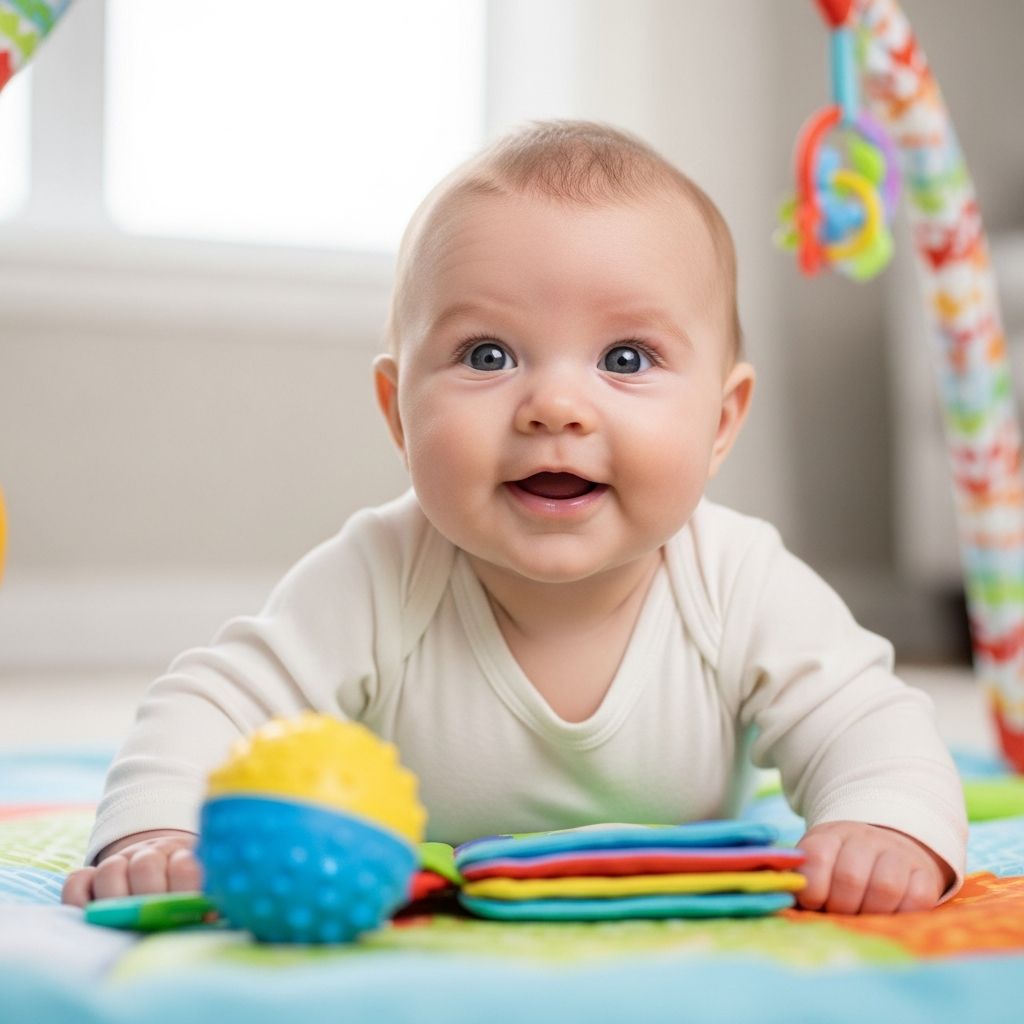
Remove swaddles, drop to play yard base; ensure tummy time awake builds strength.
Mobile Infants (7-12 Months)
Firm rails prevent escapes; transition to full crib as mobility surges.
Frequently Asked Questions
What age range suits Pack ‘n Plays for sleep?
Birth to 12 months generally, bassinet up to 18-20 lbs or sitting; adhere to model limits.
Can I add a blanket if it’s chilly?
No—use sleepers and sacks only; blankets pose entanglement risks.
Is side sleeping ever okay?
Never for sleep initiation; back reduces SIDS by 50%+ despite spit-up fears.
How to handle baby falling asleep in a swing?
Move to Pack ‘n Play promptly; inclined seats aren’t for prolonged rest.
Does room-sharing mean bed-sharing?
No—separate sleep surfaces in same room; bed-sharing raises suffocation 10x.
Long-Term Habits for Lifelong Safety
Instill routines early: consistent back placement, empty spaces, no smoking zones. Offer ample tummy time awake to fortify muscles, cutting rollover surprises. Consult pediatricians for personalized advice, especially preemies or multiples.
By prioritizing evidence-based practices, Pack ‘n Plays evolve from convenience tools to vital SIDS shields, empowering parents with confidence.
References
- Safe Sleep for Babies – Nationwide Children’s Hospital — Nationwide Children’s Hospital. 2023-10-01. https://www.nationwidechildrens.org/family-resources-education/health-wellness-and-safety-resources/helping-hands/safe-sleep-practices-for-babies
- Safe Sleep – AAP — American Academy of Pediatrics. 2022-11-09. https://www.aap.org/en/patient-care/safe-sleep/
- Providing Care for Babies to Sleep Safely | SUID and SIDS – CDC — Centers for Disease Control and Prevention. 2024-05-15. https://www.cdc.gov/sudden-infant-death/sleep-safely/index.html
- Safe Sleep for Babies: Ways to Prevent SIDS in Infants 0-12 Months — St. Louis Children’s Hospital. 2023-07-20. https://www.stlouischildrens.org/health-resources/pulse/safe-sleep-babies-ways-prevent-sids-infants-0-12-months
- Safe Sleep for Babies – CDPH — California Department of Public Health. 2024-02-14. https://www.cdph.ca.gov/Programs/CFH/DMCAH/SIDS/Pages/Safe-Sleep-for-Babies.aspx
- The ABCD’s of Safe Sleep for Babies – YouTube — Johns Hopkins Medicine. 2022-06-10. https://www.youtube.com/watch?v=U_B13ZyyeVI
- How to Keep Your Sleeping Baby Safe: AAP Policy Explained — American Academy of Pediatrics. 2022-11-09. https://www.healthychildren.org/English/ages-stages/baby/sleep/Pages/a-parents-guide-to-safe-sleep.aspx