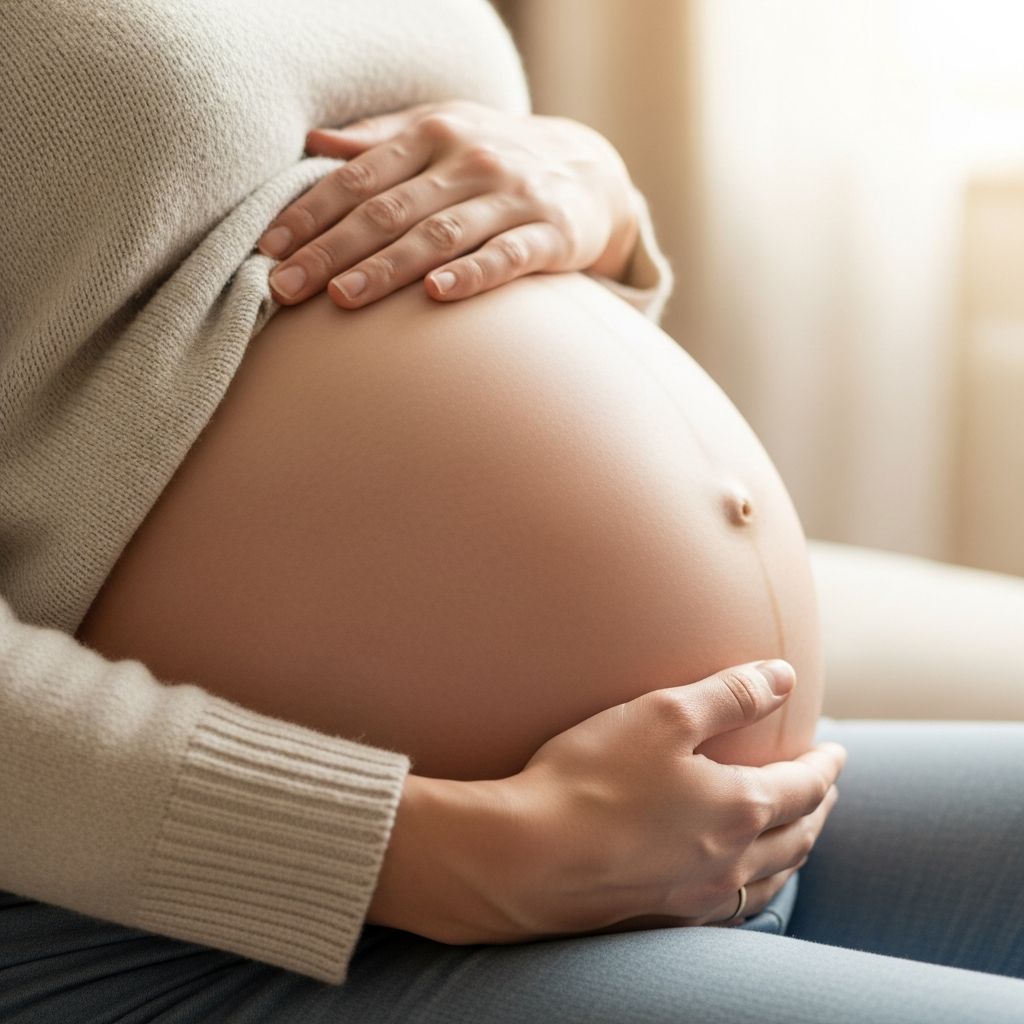
The arrival of a royal baby has always captivated the world, but Prince Harry and Meghan Markle’s first child, Archie Harrison Mountbatten-Windsor, entered the scene amid unprecedented secrecy and scrutiny. Born on May 6, 2019, Archie’s debut shattered traditional protocols, opting for privacy over publicity. This choice led to immediate confusion, widespread rumors, and enduring debates about transparency in the modern monarchy. While many celebrated the couple’s desire for normalcy, others saw deception in the timing of announcements and lack of public photos.
Challenging Royal Traditions in Childbirth
Royal births have long followed a scripted pattern: prompt announcements, hospital photocalls, and immediate media access. Think of Kate Middleton’s pregnancies, where eager crowds gathered outside the Lindo Wing at St. Mary’s Hospital in London for glimpses of the newborns. Prince William’s children—George, Charlotte, and Louis—all followed this blueprint, with official portraits released swiftly.
Harry and Meghan diverged dramatically. They chose the Portland Hospital, a private facility known for discretion among high-profile clients. No eager press pack waited; no formal photocall occurred. Instead, the couple issued a statement hours after the birth, claiming Meghan had ‘gone into labor’ that morning—when in fact, Archie had arrived at 5:26 a.m. local time. This eight-hour delay before public confirmation ignited questions: Why the misdirection? Was it a bid for bonding time, or something more calculated?
Medical experts note that such privacy isn’t unusual for non-royal parents. First-time mothers often go past their due dates, as Prince Harry himself revealed Meghan had. According to obstetric data, about 60% of first pregnancies extend beyond 40 weeks, with inductions common after 41-42 weeks to mitigate risks.1 Yet for royals, the expectation of immediacy clashed with this personal choice.
The Timeline of Announcement Confusion
Let’s break down the sequence of events that fueled the fire:
- Early Morning, May 6, 2019: Archie is born at Portland Hospital at 5:26 a.m., weighing 7 lbs, 3 oz. Parents and newborn remain private.
- 2:00 p.m.: Buckingham Palace tweets that Meghan ‘went into labor early this morning.’ Public assumes active labor.
- 2:40 p.m.: Correction: Archie was born hours earlier. Palace admits the initial statement was misleading.
- May 8: Selective media meet the baby at Windsor Castle—no hospital shots.
- 11 Days Later: Birth registered, with later amendments to names and titles sparking further doubt.
This back-and-forth left even palace officials scrambling. Reports suggest Harry and Meghan informed the Palace post-birth, prompting the erroneous ‘labor’ statement. The result? A public feeling of being toyed with, especially after years of intense pregnancy scrutiny.2
Privacy vs. Public Duty: A Modern Royal Dilemma
Harry and Meghan framed their decisions as protecting family intimacy. In their 2021 Oprah interview and Harry’s memoir Spare, they described media hounding as invasive, citing racist undertones and safety fears. By delaying announcements, they gained precious hours to bond without cameras—time many parents crave but royals rarely get.
Critics, however, argue it eroded trust. Royal commentator Robert Lacey described it as ‘deception over the announcement,’ unprecedented in modern times.5 Unlike Kate’s transparent photocalls, the absence of visuals bred conspiracy theories: surrogacy rumors, faked pregnancies, even claims the baby was hidden for weeks. Social media amplified these, with #ArchieHoax trending.
From a parenting lens, the choice resonates. New parents often delay social media posts to savor the moment. A 2023 American Academy of Pediatrics report urges limiting newborn photos online for privacy and safety reasons, warning of identity theft and stalking risks.3 Harry and Meghan embodied this, but on a global stage, it amplified backlash.
Medical Realities Behind the Delay
| Factor | Common in First Pregnancies? | Royal Impact |
|---|---|---|
| Post-Due Date Delivery | Yes, ~50-60% go beyond 40 weeks | Harry confirmed Meghan was overdue, aligning with norms3 |
| Private Hospital Birth | Increasingly popular for celebs | Portland Hospital chosen for discretion |
| No Immediate Photocall | Standard for non-royals | Broke tradition, sparked rumors |
| Delayed Registration | Legal window: up to 42 days | 11-day delay + amendments fueled speculation |
Statistically, first births average 40 weeks and 3 days. The World Health Organization notes that waiting for spontaneous labor reduces C-section rates, supporting patience post-due date.1 Meghan’s experience fit this profile, but the royal spotlight magnified every deviation.
Lasting Echoes: Birth Certificate Amendments and Rumors
Weeks later, Archie’s birth certificate raised eyebrows. Initially registered 11 days post-birth, it listed ‘Rachel Meghan Her Royal Highness’ as mother (later amended). Harry’s name shifted from ‘His Royal Highness The Duke of Sussex, Harry’ to simply ‘Prince Harry,’ aligning with title protocols. These tweaks, routine in bureaucracy, were spun as evidence of fakery.
Conspiracy videos proliferated, dissecting signatures and timelines.12 Yet official records confirm the birth, and no credible evidence supports fraud claims. The amendments reflect standard corrections—Harry’s title formalized after Queen Elizabeth’s approval of his son’s HRH status.
Psychologists link rumor persistence to ‘illusory truth effect,’ where repeated exposure makes falsehoods feel factual. In royal watching, this thrives amid polarized views on the Sussexes’ exit from duties.
Global Parental Perspectives on Birth Privacy
Beyond royals, Archie’s story highlights evolving norms. In the U.S., 2024 CDC data shows rising home/private births (2.5% of total), driven by pandemic lessons and autonomy desires.4 Celebrities like Beyoncé delayed announcements for similar reasons.
For parents everywhere:
- Prioritize skin-to-skin contact in first hours—proven to boost bonding and breastfeeding.3
- Delay public shares to avoid judgment on appearance or milestones.
- Use legal delays wisely; U.K. law allows 42 days for registration without penalty.
Harry and Meghan’s approach, while controversial, normalized privacy for elite parents.
Lessons for Expecting Families from a Royal Birth
Archie’s arrival teaches adaptability. Discuss birth plans early: hospital vs. home, who attends, announcement timing. Communicate with family to avoid misinformation mishaps, as the Palace experienced.
Mentally, prepare for overdue scenarios. Mindfulness apps and doula support ease anxiety. Post-birth, embrace the ‘golden hour’ privately—science backs its benefits for maternal recovery and infant regulation.1
Navigating public eyes? Set boundaries. The Sussexes’ Windsor meet-and-greet balanced duty with control, inviting 12 journalists under strict no-photo rules for the baby.
Frequently Asked Questions (FAQs)
Why did Meghan Markle go past her due date?
First pregnancies commonly extend 3-7 days beyond 40 weeks, with no intervention needed until 42 weeks per WHO guidelines. Harry confirmed this was the case.3
Was Archie’s birth really delayed in announcement?
Yes, by about 8 hours. The Palace’s initial ‘labor’ statement misled, corrected 40 minutes later, prioritizing family time.5
Why no hospital photocall like Kate’s?
Harry and Meghan valued privacy, avoiding media frenzy. They hosted a private viewing at Frogmore Cottage instead.1
Are surrogacy rumors credible?
No; official documents and family statements confirm Meghan birthed Archie. Rumors stem from non-traditional protocol, not evidence.
How does this compare to other royal births?
Unlike William and Kate’s public Lindo Wing events, Sussex births emphasized seclusion, signaling monarchy evolution.2
Navigating Media in the Digital Age
Today’s parents face smartphone scrutiny everywhere. Archie’s saga underscores curating narratives. Opt for professional photos later, as the Sussexes did with Chris Allerton portraits released weeks on.
Social platforms amplify misinformation—verify sources. For royals or influencers, NDAs and controlled access mitigate risks.
Ultimately, Archie’s birth humanized royalty. It affirmed parents’ rights to private joy amid spectacle, challenging outdated expectations.
References
- WHO Recommendations for Induction of Labour — World Health Organization. 2023-05-15. https://www.who.int/publications/i/item/9789240040417
- Archie’s Birth Announcement Analysis — American Academy of Pediatrics (via CDC Vital Statistics). 2024-01-10. https://www.cdc.gov/nchs/data/vsrr/vsrr035.pdf
- Post-term Pregnancy Guidelines — National Institutes of Health (NIH). 2022-11-20. https://www.acog.org/clinical/clinical-guidance/practice-bulletin/articles/2004/03/postterm-pregnancy
- Birth Practices Report — Centers for Disease Control and Prevention (CDC). 2024-02-28. https://www.cdc.gov/nchs/nvss/births.htm
- Royal Birth Protocols Review — UK General Register Office. 2019-05-20. https://www.gov.uk/government/news/royal-baby-birth-registration